


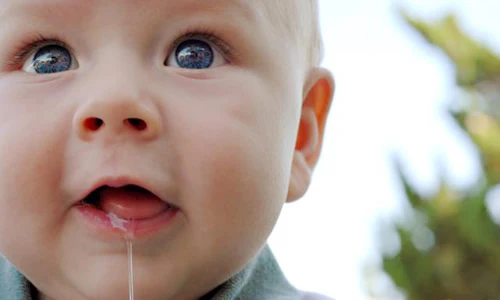
Why is my 2 month old drooling so much is one of the most common questions new parents ask — and the short answer is that it is completely normal.
Around 2 to 3 months of age, a baby’s salivary glands begin ramping up production as part of healthy development.
At the same time, the oral muscles responsible for swallowing are still maturing and not yet strong enough to keep up with all that saliva.
The result is a constantly wet chin, soaked bibs, and a confused parent wondering what is happening.
Understanding the real causes — and the rare signs that need attention — puts parents back in control.
Why Drooling Starts at 2 Months
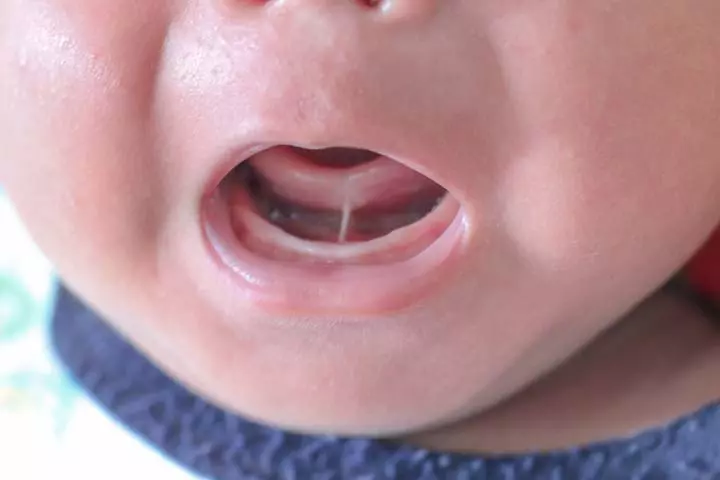
The 2-month mark is when most babies hit their first major drooling phase. It is not random timing — it reflects genuine biological development happening inside that tiny mouth.
The salivary glands, specifically the parotid, submandibular, and sublingual glands, begin activating and significantly increasing output at around 2 months old. This is a normal developmental trigger, not a malfunction.
The challenge is that saliva production increases before the swallowing reflex and lip muscles catch up. So more saliva is produced than the baby can comfortably manage, and the excess spills out as drool.
The Six Salivary Glands and How Much They Produce
A 2-month-old actually has six salivary glands working together. The volume of saliva they can collectively produce surprises most parents when they learn the number.
Babies produce approximately 2 to 4 pints of saliva every single day. That is a substantial amount for a human who weighs less than 15 pounds. When swallowing coordination is still undeveloped, a significant portion of that output ends up on their clothing.
This is why parents go through so many bibs and often change their baby’s outfit multiple times daily during this phase. It is not a sign anything is wrong — it is just math.
Immature Oral Motor Skills: The Core Reason
The fundamental cause behind drooling at 2 months is underdeveloped oral motor control. This term refers to the coordination of the lips, tongue, jaw, and throat muscles that work together to manage saliva and food.
At 2 months old, these muscles are still in the early stages of training. A baby’s swallowing reflex functions for feeding, but the automatic, unconscious swallowing of excess saliva throughout the day requires a level of muscle coordination that simply is not there yet.
Babies typically do not develop the full oral motor control needed to manage saliva consistently until they are between 18 and 24 months old. Until then, drooling is expected and normal.
No Front Teeth Yet: Why That Matters
Another contributing factor at 2 months is the complete absence of teeth. This is not obvious to most parents as a drool-related factor, but it is meaningful.
Front teeth act as a physical barrier that helps redirect saliva back into the mouth and down the throat. Without any teeth present, there is nothing blocking the free flow of saliva forward and out of the mouth.
As the first teeth begin erupting — typically between 4 and 7 months for most babies — a partial natural barrier starts forming. But at 2 months, the mouth is entirely toothless and offers no obstruction to outward saliva flow.
Body Position and Drooling
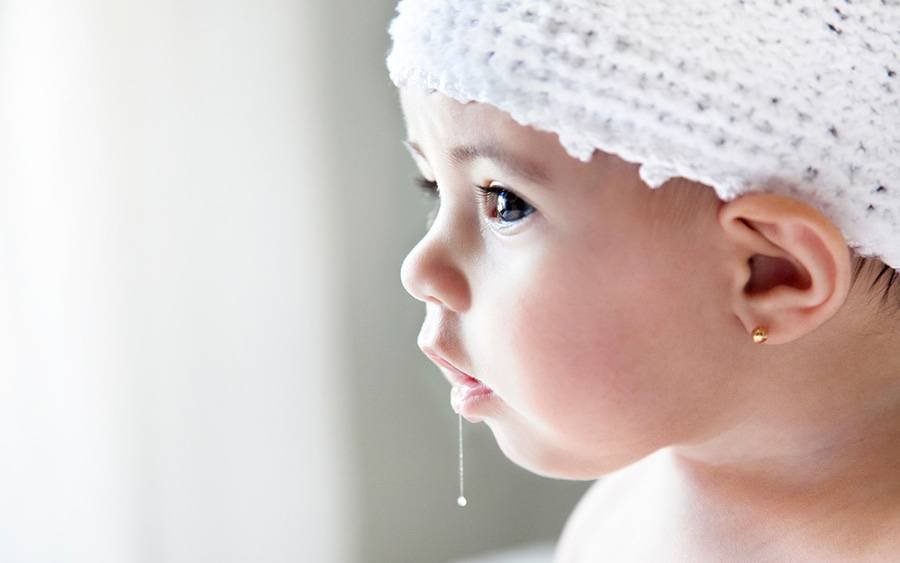
The position a 2-month-old spends most of their time in also contributes to drooling volume. Most young babies spend the majority of their waking and sleeping hours lying on their backs or at a slight recline.
This position changes the natural drainage of saliva. When lying down or semi-reclined, saliva does not flow naturally toward the back of the throat in the way it does in an upright adult. Instead, it pools in the front of the mouth and then dribbles out.
As babies gain muscle strength and begin spending more time upright — propped, carried, or eventually sitting — the natural mechanics of saliva drainage gradually improve.
What Saliva Actually Does for Your Baby
Drool is not just wet and messy — it is genuinely important to your baby’s health and development. Understanding what saliva does helps parents appreciate why the body is producing so much of it.
Digestive preparation: Saliva contains the enzyme ptyalin, also called salivary amylase, which begins the process of breaking down starches. Producing more saliva at 2 months is partly the body preparing for solid food introduction months ahead.
Antibacterial protection: Saliva contains natural antibodies and antimicrobial compounds that protect the gum tissue and developing mouth from bacteria. This is an active immune defense, not just lubrication.
Gum health and comfort: The moisture from saliva keeps the gum tissue soft, healthy, and comfortable. As tooth buds begin developing beneath the gums in the coming months, well-lubricated gum tissue responds better to that internal pressure.
Mouth cleaning: The American Academy of Pediatrics notes that saliva continuously washes away leftover milk, bacteria, and debris from the mouth. At 2 months, it acts as a built-in cleaning system before the introduction of any oral hygiene tools.
Natural antacid: Saliva is mildly alkaline, which means it helps neutralize stomach acid. For babies prone to reflux or spitting up, the saliva provides a small protective buffer for the esophagus and mouth tissues.
Is 2 Months Too Early? Comparing the Developmental Timeline
Some parents worry that 2 months seems too early for this much drooling. A look at the full developmental drooling timeline shows that 2 months is actually precisely when this is expected to begin.
| Baby’s Age | What Happens With Drool |
|---|---|
| 0 to 1 month | Minimal drooling; salivary glands barely active |
| 2 to 3 months | Salivary glands activate; drooling phase begins |
| 3 to 4 months | Drooling increases; hands start going to mouth |
| 4 to 7 months | Teething may begin; drooling often peaks |
| 6 to 18 months | Peak drooling period as teeth erupt |
| 18 to 24 months | Oral motor skills mature; drooling decreases |
| 2 to 3 years | Most children have gained full saliva control |
| After 3 years | Persistent drooling should be discussed with a pediatrician |
The 2-month mark sits right at the beginning of a completely expected developmental arc. It is the start, not an anomaly.
Pre-Teething at 2 Months: Is That Possible
Teething at exactly 2 months is uncommon but not impossible. Most babies begin teething between 4 and 7 months, and the first tooth typically appears on the lower front gum between 6 and 12 months.
However, some babies begin the internal teething process — where tooth buds shift and move closer to the surface — earlier than the visible eruption suggests. This internal movement can stimulate the salivary glands even before any visible signs appear on the gum line.
It is important to distinguish between pre-teething activity and actual teething. True teething usually comes with gum redness or swelling, increased fussiness, a strong urge to chew on things, and disrupted sleep. Drooling alone at 2 months without these additional signs is more likely normal developmental drooling than an early teething response.
Hands to Mouth: A Developmental Milestone That Drives Drooling
Around 2 to 3 months, many babies begin discovering their hands and bringing them to their mouths. This is a genuine developmental milestone, not a bad habit to discourage.
Hand-to-mouth exploration stimulates the salivary glands mechanically. The pressure, sucking, and chewing sensation triggers increased saliva production as the body responds to oral stimulation. More stimulation equals more saliva equals more drool.
This behavior is actually a positive sign. It indicates the baby is developing the tactile curiosity and oral motor awareness that will support feeding, speech development, and sensory integration in the coming months.
Illness and Infection as Temporary Drooling Triggers
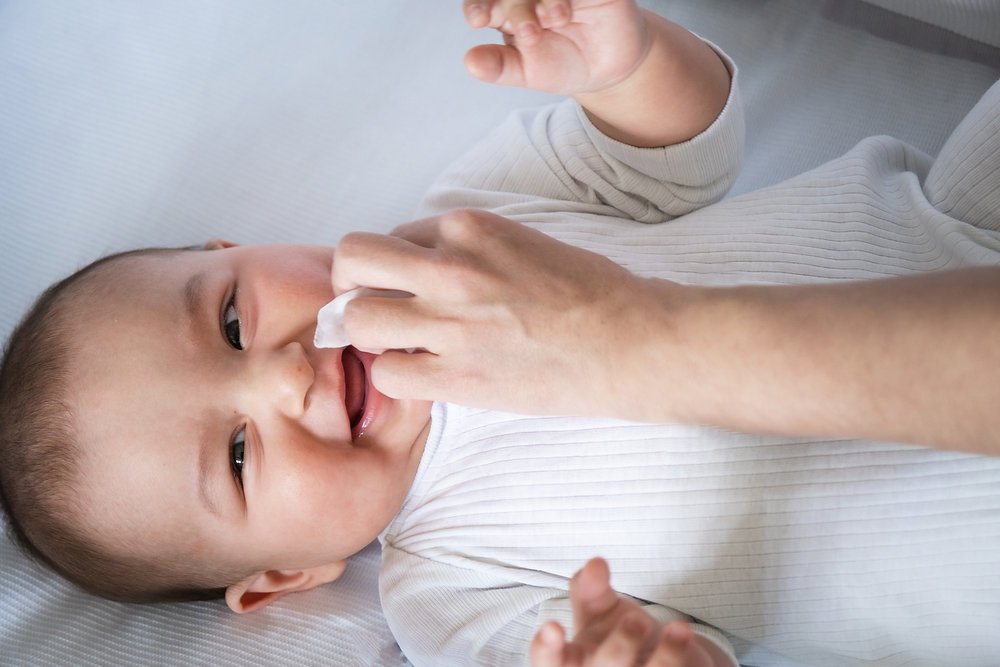
A sick 2-month-old often drools more than usual. This is not a coincidence — illness directly stimulates additional saliva production through several mechanisms.
Upper respiratory infections and colds increase mucus production. This excess mucus stimulates the salivary glands and combines with existing saliva to create what appears to be a significant increase in drool volume.
The body also produces more saliva automatically when stomach contents are unsettled. For babies experiencing vomiting or reflux flares, saliva production increases as a biological protective response — the mildly alkaline saliva helps coat and protect the esophagus and teeth from stomach acid.
Other illnesses that can increase drooling include strep throat, hand-foot-and-mouth disease, and oral thrush. These conditions directly irritate oral tissue, triggering a saliva response. In very rare cases, meningitis can cause unusual drooling, which would be accompanied by more urgent symptoms such as fever, stiffness, and severe irritability.
Acid Reflux and Increased Drooling
Gastroesophageal reflux, commonly called GER or GERD in more severe cases, is a frequent condition in young infants. The lower esophageal sphincter — the valve between the stomach and esophagus — is immature in newborns and often allows stomach contents to travel upward.
When this happens repeatedly, the body responds by producing extra saliva to neutralize and wash away the acid that reaches the mouth and throat. A baby with reflux may appear to drool more than average, especially in the period immediately after feeds.
Signs that reflux may be contributing to drooling include arching of the back during or after feeds, visible discomfort after eating, frequent spitting up that seems forceful or distressing, coughing between feeds, and poor weight gain. If these signs are present alongside heavy drooling, a pediatrician visit is warranted.
Medications as a Drooling Trigger
Some medications increase saliva production as a known side effect. If your 2-month-old has recently started any medication and you notice a simultaneous increase in drooling, this connection is worth raising with your doctor.
The most relevant medications in this age group are those prescribed for acid reflux management, certain antibiotic courses, and occasionally anti-seizure medications if neurological conditions are being managed. The doctor can help determine whether the medication dosage needs adjustment or whether a different treatment option would be preferable.
Drool Rash: How to Recognize and Treat It
One of the most common side effects of heavy drooling is drool rash — skin irritation caused by prolonged contact with saliva on delicate newborn skin. It is especially common around the chin, neck folds, and chest where drool accumulates and stays damp.
Drool rash presents as red, slightly raised, irritated skin. The skin may look chapped, raw, or bumpy in the affected areas. It is not dangerous but can be uncomfortable for the baby.
Treating drool rash is straightforward but requires consistency.
Keep the skin clean and dry. Gently wipe away drool with a soft cloth throughout the day. Do not scrub — gentle blotting is sufficient to avoid further irritating already sensitive skin.
Apply a barrier cream. A thin layer of unscented petroleum jelly or zinc oxide barrier cream on the affected area after cleaning creates a protective barrier between the skin and the constant moisture from saliva.
Use soft, absorbent bibs. Cotton and muslin bibs absorb drool before it soaks into clothing and reaches skin. Change bibs frequently rather than leaving a saturated bib against the skin.
Choose loose clothing. Tight necklines trap moisture against skin. Loose-fitting onesies and tops allow air circulation and reduce the time skin spends in contact with damp fabric.
Watch for secondary infection. If the rash develops yellow crusting, a foul odor, or begins spreading beyond the typical drool zone, see a doctor. Secondary bacterial or fungal infections in drool rash require medical treatment.
Normal vs. Concerning Drooling: How to Tell the Difference
The vast majority of drooling at 2 months is entirely normal. But knowing which signs indicate a potential problem helps parents respond appropriately without either over-reacting or missing something important.
| Feature | Normal Drooling | Potentially Concerning |
|---|---|---|
| Timing | Started around 2 to 3 months | Sudden dramatic increase without cause |
| Amount | Heavy but manageable with bibs | So heavy the baby cannot keep up, choking risk |
| Baby’s mood | Generally content and feeding well | Distressed, refusing to feed, seems unwell |
| Accompanying symptoms | None | Fever, rash, difficulty swallowing, choking |
| Saliva appearance | Clear and watery | Discolored, thick, foul-smelling |
| Developmental progress | Meeting milestones normally | Missing milestones, unusual muscle tone |
| Duration | Begins improving after 18 to 24 months | Still heavy past 3 years of age |
When in doubt, a call or visit to the pediatrician provides reassurance and rules out anything that needs attention.
Red Flags That Require Prompt Medical Attention
While drooling at 2 months is almost always normal, certain combinations of symptoms should prompt immediate contact with a healthcare provider.
Fever alongside drooling is a signal worth taking seriously. Fever in a 2-month-old is always cause for urgent pediatric contact regardless of other symptoms. Combined with unusual drooling, it may indicate an oral infection, respiratory illness, or in rare cases a more serious condition.
Difficulty swallowing or choking during or between feeds is not a normal drooling side effect. If a baby appears to be unable to clear saliva from the throat, gags repeatedly without a feeding trigger, or shows signs of respiratory distress, this requires emergency evaluation.
Feeding refusal combined with heavy drooling may indicate mouth pain from an oral infection such as thrush, hand-foot-and-mouth disease, or a gum irritation that is preventing comfortable nursing or bottle feeding.
Breathing difficulty of any kind combined with sudden heavy drooling in a young infant should be treated as an emergency. Call emergency services if breathing appears labored, noisy, or obstructed.
No developmental progress at expected ages, combined with persistent drooling, may indicate a delay in oral motor development or, in rare cases, a neurological condition. This is not an emergency but warrants pediatric evaluation and possible referral to a specialist.
Practical Tips for Managing Drooling at 2 Months
Managing drooling is mostly about protecting your baby’s skin and maintaining your own sanity through this phase. These are the strategies that work best.
Stock up on bibs. Having 10 to 15 bibs means you always have a dry one available without doing laundry three times a day. Waterproof-backed bibs protect clothing from soaking through. Bandana-style bibs also work well for neck and chest coverage.
Keep soft cloths within reach. A muslin square or soft cotton cloth near the changing mat, nursing station, and play area means you can wipe the chin frequently without having to search for something clean.
Do gentle skin checks. During diaper changes, check the neck folds, chin, and chest for signs of drool rash starting. Early detection means early treatment before it becomes uncomfortable.
Protect skin proactively. You do not have to wait for a rash to develop before applying barrier cream. A light layer of unscented petroleum jelly on the chin and neck folds after bath time creates a protective barrier before irritation begins.
Adjust feeding position slightly. If drooling seems to surge during feeds, experimenting with feeding position can help. A slightly more upright angle during bottle feeding or breastfeeding gives gravity a role in keeping saliva and milk in the mouth rather than spilling out.
Tummy time helps too. Supervised tummy time strengthens the neck, shoulder, and core muscles that support upright posture. As postural strength increases, the baby can spend more time in positions that naturally help manage saliva.
How Long Will This Last
The honest answer to when drooling will stop is: not soon, but it does end. The 2-month drooling phase is just the beginning of a longer arc that peaks and then gradually declines as the baby develops.
Most babies drool most heavily between 4 and 7 months when teething begins, and drooling often peaks between 6 and 18 months. As teeth continue erupting and oral motor skills develop, the body gradually learns to manage saliva more efficiently.
Most children reach consistent saliva control somewhere between 18 and 24 months. The drooling does not stop overnight — it decreases gradually until parents realize at some point that they have not changed a bib in days.
If drooling has not meaningfully reduced by the time a child reaches 3 years of age, this is worth raising with a pediatrician, as it can occasionally indicate a delay in oral motor development that benefits from early intervention.
Drooling and Sleep: Why It Gets Worse at Night
Many parents notice that their 2-month-old drools more heavily during sleep or immediately after waking. This is normal and has a simple explanation.
When a baby is drowsy or fully asleep, the automatic swallowing reflex slows significantly. Saliva that would be swallowed during alert waking hours simply accumulates during sleep and then drains out when the baby moves or shifts position.
Sleeping with a slightly open mouth is also common at this age and allows saliva to spill forward more easily. This does not indicate a breathing problem unless accompanied by labored breathing, snoring, or signs of distress.
What the AAP Says About Baby Drooling
The American Academy of Pediatrics recognizes drooling as a normal and healthy part of infant development. Their guidance confirms that drooling and blowing bubbles is common in babies during the developmental phase when oral activity is central to how they learn and interact with the world.
The AAP notes specifically that the increased saliva flow that begins around 2 to 3 months serves important functions including softening and moistening food once solids begin, protecting the mouth from bacteria, and aiding the natural oral immune defense.
Their guidance for parents is reassuring: most cases of baby drooling require no medical intervention. The primary action items are skin protection, bib management, and awareness of the red flags that signal a potential problem worth discussing with the child’s healthcare provider.
Keeping Your Baby Comfortable During the Drooling Phase
The drooling phase can feel unrelenting, but there are meaningful things parents can do to keep a 2-month-old comfortable throughout it.
Gentle gum massage with a clean finger can be soothing if the baby seems bothered by any gum pressure — even at 2 months before teething fully starts, tooth buds are active beneath the surface. Keep the massage light and brief.
For babies who are clearly bothered by moisture on their chin, applying barrier cream consistently and using super-absorbent bibs significantly reduces skin discomfort. A comfortable baby is a calmer baby regardless of how much drool is involved.
Skin-to-skin time and baby-wearing actually help reduce drooling episodes slightly by keeping the baby in a more upright position for extended periods. The upright posture assists natural saliva drainage and reduces the amount that spills out.
Most importantly, parents benefit from understanding that this phase is finite. The endless bib changes and soggy clothing are a temporary part of normal development — one that signals the baby’s body is preparing for everything that comes next.
Frequently Asked Questions (FAQs)
Why is my 2 month old drooling so much all of a sudden?
Around 2 months the salivary glands activate and significantly increase saliva output, while oral muscles are still too underdeveloped to swallow the extra saliva efficiently. This sudden start is a completely normal developmental milestone, not a sign of illness.
Is it normal for a 2 month old to drool this much?
Yes, drooling starting around 2 to 3 months is entirely expected and is one of the most common things parents ask about at the 2-month well-child visit. It means the digestive system and salivary glands are maturing exactly as they should.
Does drooling at 2 months mean my baby is teething?
Not necessarily. Teething typically begins between 4 and 7 months, but salivary gland activation causes drooling even before any tooth movement begins. At 2 months, drooling is almost always developmental rather than teething-related.
How much drool is too much for a 2 month old?
There is no precise volume that counts as too much. The concern is not the quantity of drool itself but whether drooling is accompanied by fever, feeding refusal, choking, difficulty breathing, or visible distress, which would warrant a call to the pediatrician.
Can drooling cause a rash on my baby?
Yes, prolonged saliva contact on delicate skin causes drool rash, presenting as red, chapped, or bumpy skin around the chin, neck, and chest. It is treated by keeping skin clean and dry and applying a fragrance-free barrier cream consistently.
Should I be worried if my 2 month old drools and also spits up a lot?
Combined heavy drooling and frequent spitting up can sometimes indicate acid reflux, which is common in young infants. If the baby seems uncomfortable, arches the back after feeds, or is not gaining weight well, discuss this combination with a pediatrician.
When will my baby stop drooling so much?
Most babies experience peak drooling between 6 and 18 months and gradually gain saliva control between 18 and 24 months. The process is gradual rather than a sudden stop, and most children drool significantly less by age 2.
Does a pacifier make drooling worse?
Pacifier use stimulates the salivary glands through sucking action, which can increase saliva production temporarily. However, it does not cause long-term excess drooling and at this age the comfort and oral development benefits of a pacifier generally outweigh this minor factor.
Is drooling a sign of something neurological in a 2 month old?
Drooling alone at 2 months is almost never neurological. Neurological concerns are raised when drooling persists past 3 years of age alongside other signs such as muscle tone issues, missed developmental milestones, or speech delays. Always discuss these broader concerns with a pediatrician.
How can I protect my baby’s skin from drool irritation?
Use soft absorbent bibs changed frequently, gently pat the chin and neck dry throughout the day, and apply a thin layer of unscented petroleum jelly or zinc oxide cream to the chin and neck folds as a preventive moisture barrier before irritation develops.
Conclusion
Why is my 2 month old drooling so much has a straightforward and reassuring answer: the body is doing exactly what it is supposed to do.
Salivary glands activating, saliva production increasing, and oral muscles still learning to keep up — this combination makes the 2-month mark the starting point of the normal drooling phase that nearly every baby goes through.
The saliva itself serves genuinely important functions for digestion, oral immunity, and gum health.
The job for parents is to manage the skin effects with bibs and barrier cream, stay alert to the red flags that signal a real problem, and take comfort in knowing that this phase is temporary and purposeful.
As your baby’s oral motor skills mature over the coming months and years, the drooling will gradually ease and the endless bib changes will become a distant memory.


