


If you are seeing anything from small cracks to clear water damage, your building’s exterior may be warning you that it needs a professional inspection. If you ignore these signs, small issues can grow into bigger ones that hurt curb appeal and can also weaken the building and make it less safe. The outside of the building is not just decoration; it is the first and main shield against rain, wind, heat, and cold.
Many specialists point out that exterior systems matter a lot for long-term property condition, even though people notice interior finishes more. One statistic makes this clear: about 68% of clients who book property inspections say they are worried about exterior systems, especially structural parts and site drainage, showing how important these outer layers are.
A professional inspection gives a clear, unbiased review and helps spot small faults before they turn into repairs costing tens or hundreds of thousands. This applies to both homes and commercial buildings. In some cases, checking high or hard-to-reach areas takes special methods, such as rope access, so the inspector can examine the full facade, from parapets down to the foundation. If you act early, you can avoid a small problem becoming a major one. Below are the key signs that mean you should bring in an expert.
Top Signs Your Building Exterior Needs Professional Inspection
Your building’s exterior takes daily wear from weather, aging materials, and the local environment. Spotting early signs of damage can save time, money, and stress later.
Cracks in Foundations, Walls, or Masonry
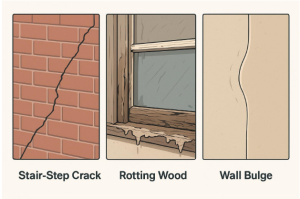
Cracks are one of the biggest warning signs because they can point to structural problems. Some thin “hairline” cracks can come from normal settling. Others are more serious, especially if they are wider than ¼ inch, or if you see horizontal cracks, stair-step cracks in brick, or large vertical cracks in brick, CMU, or poured concrete. Cracks also let water in, which can make damage worse and weaken the structure over time. A trained inspector can tell the difference between normal movement and a real structural concern.
Uneven Settlement or Shifting Foundations
A foundation that slopes or looks uneven is a serious issue and can cause damage throughout the building. Many foundation problems start with poor drainage, missing gutters, or water being directed too close to the building. Over time, water can wash soil away and the foundation can move. Common signs include doors or windows that stick, sloped floors inside, or bulging exterior walls. These problems should be checked quickly to avoid wider damage.
Leaking Roofs or Water Stains on Ceilings
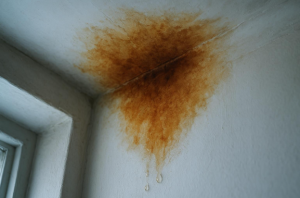
The roof is one of the most important parts of the building because it blocks weather. Exterior roof issues like missing, broken, or worn shingles, and damaged flashing around chimneys and vents, are signs the roof is failing. Roof problems can lead to water getting inside, leaving stains on ceilings and walls, creating mold, and causing wood rot inside the building envelope.
Deteriorating or Damaged Siding and Cladding
Siding and cladding protect the building, but they wear out over time. This includes EIFS, brick, metal panels, and vinyl. Common problems include bad flashing, gaps, incorrect fasteners, and visible water damage. Wood siding can rot, warp, or get insect damage. Vinyl can crack or warp in extreme temperatures. Brick mortar can break down and soak up moisture, which can lead to efflorescence (white staining) or spalling (surface break-off). Any of these problems can reduce water protection and can hide deeper moisture issues behind the surface.
Rotting or Warped Window and Door Frames
Windows and doors help with security and energy use, and they are also common places for water to get in. If frames are rotting or warped, or if seals are failing and there are gaps, you may see higher energy bills and moisture problems. Gaps can also be caused by movement or damage in the structure around the opening. Once water gets in, rot can spread and create bigger structural issues near windows and doors.
Peeling Paint, Stains, or Signs of Mold and Mildew
Peeling paint is sometimes treated like a cosmetic problem, but it often means the surface below is being damaged by weather or moisture. Water stains, discoloration, mold, or mildew on exterior surfaces are clear signs that water is getting where it should not. Mold can affect indoor air quality and cause health issues, and long-term moisture can damage structural materials if it is not fixed.
Blocked, Damaged, or Overflowing Gutters and Downspouts
Gutters and downspouts move water away from the building. If they are clogged with debris, broken, or installed poorly (for example, downspouts dumping water too close to the wall), water can collect near the foundation. This can cause pooling, soil erosion, and foundation damage. Rust, corrosion, and loose sections also reduce how well the system works.
Broken, Chipped, or Settling Concrete Surfaces
Concrete areas like sidewalks, stairs, ramps, parking pads, and loading docks get heavy use and constant exposure to weather. Cracks, spalling (flaking or pitting), and uneven sections are not only about appearance. They can create trip hazards, lead to ADA access issues, and may point to soil or drainage problems below. Damage also lets water in, which can weaken the base and make the problem spread.
Poor Yard or Lot Drainage Post-Rainfall
Poor grading and drainage are some of the most common exterior problems found during inspections. If the ground does not slope away from the building, if swales are missing, or if storm drains are blocked, water can pool near the foundation. Water is one of the biggest causes of exterior damage, and standing water increases the chance of erosion and structural movement. A common guideline is that the grade should drop at least 6 inches over the first 10 feet away from the building to help keep water from collecting at the base.
Visible Vegetation or Tree Root Damage to Structures
Landscaping can improve the look of a property, but overgrown plants and aggressive roots can cause real damage. Roots can crack slabs and foundations and cause shifting. Plants too close to walls can trap moisture against the surface, direct water toward the building, and slowly break down exterior materials.
Risks of Ignoring Signs of Exterior Deterioration
Ignoring exterior warning signs often leads to expensive and unsafe outcomes. Exterior problems rarely stay outside; they can move inward and affect the entire building.
Water Damage and Structural Compromise
Water is persistent, and leaks are a leading cause of exterior and facade damage. If cracks and leaks are left alone, water can reach deeper layers and cause rot, mold, settlement, and major structural harm.
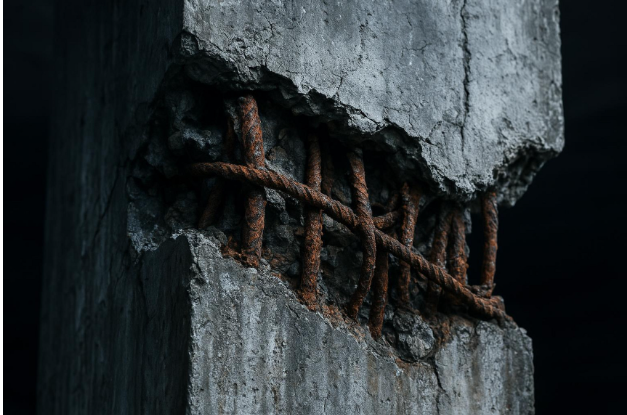
In places like Florida, “spalling” can happen when water gets into masonry and reaches steel inside, such as rebar. When steel rusts, it can expand up to seven times its original size, pushing the masonry outward until it cracks and loosens.
In colder climates, freeze-thaw cycles can also cause major damage: water in small gaps freezes, expands, and forces materials to crack. Over time, untreated issues can become dangerous and, in extreme neglect, can even lead to partial failure or collapse.
Catching these problems early through regular facade inspections, such as those carried out by Rope Access in London, is the most reliable way to stop minor leaks from turning into structural failures.
Decreased Property Value and Curb Appeal
People judge a property quickly by its exterior. Damaged siding, peeling paint, or broken walkways reduce curb appeal and can signal poor upkeep to buyers and tenants. These issues can also affect tenant satisfaction, leasing demand, and access compliance (including ADA). A building that looks poorly maintained is often valued less and may be harder to rent or sell.
Escalating Repair Costs from Delayed Action
Waiting usually costs more. Repairs tied to foundation movement, long-term water entry, or major drainage changes can easily reach five or six figures if the damage spreads. A small crack can grow, and a minor water trail after rain can point to a bigger drainage fault. Fixing problems early, while they are still limited, is usually far cheaper than large-scale repair work later. Regular inspections and basic upkeep are a smart way to avoid much larger bills.
Code Violations and Legal Liabilities
Exterior damage can also create legal and safety risks. Falling debris-brick, pieces of masonry, or siding-can hit pedestrians or vehicles and cause serious injury or death. If it is linked to poor maintenance, owners and managers can face major liability. Many cities and agencies have strict rules and inspection requirements meant to prevent these incidents. If you do not follow them, you can face fines, lawsuits, and reputation damage.
When Should You Schedule a Professional Exterior Inspection?
Knowing when to call a professional matters just as much as knowing what to watch for. Regular inspections support long-term safety and building performance.
How Often Should Commercial and Residential Buildings Be Inspected?
Many professionals recommend routine exterior inspections for all building types. For general upkeep, a yearly inspection is strongly recommended. This helps catch new cracks, discoloration, or water marks after storms before they get worse. Commercial properties benefit from annual checks because of the size of the investment. Homeowners also gain value from yearly reviews to help protect safety and resale value. Regular checks help find issues early and reduce the chance of large repair costs.
Required Inspections: Legal and Insurance-Driven Triggers
Some inspections are required by local laws, regulators, lenders, or insurance companies, and the rules can differ a lot by location and building type. For example, in New York City, facade inspections (FISP) are required every five years, and parking structures every six years. A qualified exterior wall inspector, often an architect or engineer, must complete the work and file a report with the Department of Buildings (DOB).
In Florida, after the Surfside collapse, a newer law now requires buildings over 25 years old to be inspected by the end of the current year (2026 for properties reaching this age), and then every 10 years after that. The law also requires structural integrity reserve studies so condominium associations set aside enough funds for future structural repairs.
Insurance companies may also request “4-point inspections” that review the roof, HVAC, electrical, and plumbing, although a full home inspection gives a wider view of exterior conditions.
The main point is simple: taking care of the facade and fixing problems quickly protects the building, the people inside it, and anyone walking nearby. Ignoring exterior damage can be dangerous and, in the worst cases, fatal. By knowing the warning signs and following a regular inspection schedule, owners can support a longer building life, better safety, and steadier property value. Many buildings are aging while facing constant weather, so staying alert is a practical part of responsible ownership.

