


Why is cashmere so expensive is one of the most common questions shoppers ask the moment they see a three-figure price tag on a simple-looking sweater. The truth has nothing to do with brand markups or clever marketing.
Cashmere comes from a tiny, hard-to-harvest fiber that only a handful of mountain goats produce each year. Every gram is hand-combed, hand-sorted, and processed through a slow, skill-heavy supply chain before it ever reaches a loom.
Once you understand where this fiber actually comes from and how much work goes into a single garment, the price tag starts to make complete sense.
What Is Cashmere and Why Does It Cost So Much
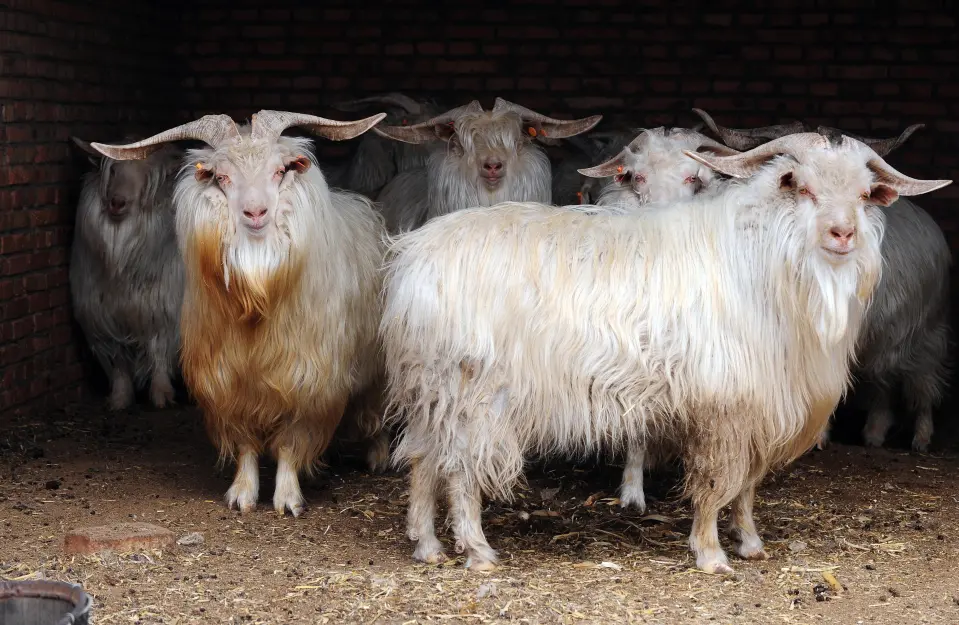
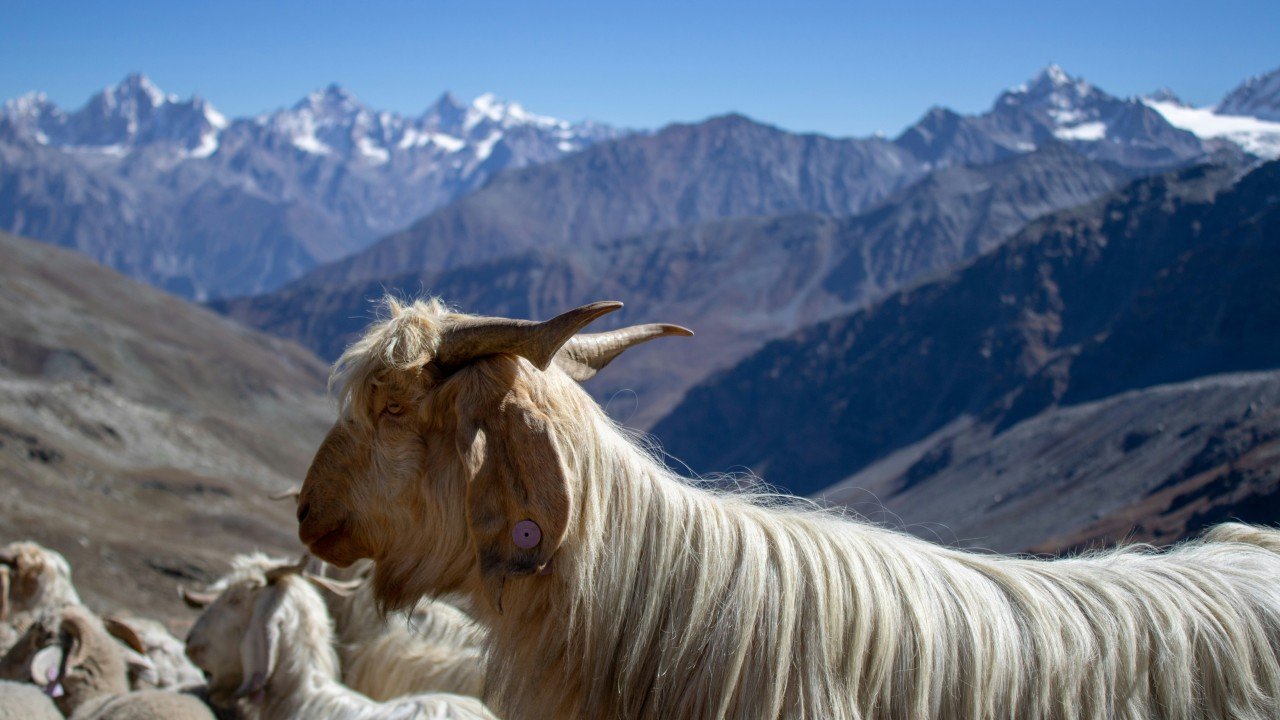
Cashmere is not wool in the traditional sense. It is the ultra-fine, downy undercoat that grows beneath the coarse outer hair of the Capra hircus goat.
These goats live in some of the harshest climates on Earth, including Mongolia, Tibet, and parts of Iran and Afghanistan. Winters there can swing from minus 40°F to scorching summer heat.
That extreme temperature swing forces the goats to grow an incredibly fine, insulating undercoat just to survive. This biological survival mechanism is the entire reason cashmere exists as a luxury fiber.
The Scarcity Problem Behind Every Cashmere Price Tag
A single cashmere goat produces only 150 to 200 grams of usable fiber per year. Compare that to a sheep, which produces 3 to 7 kilograms of wool annually.
That means cashmere is roughly 15 to 20 times rarer than ordinary sheep’s wool by weight alone. It takes the combed undercoat of 3 to 6 goats just to make one sweater.
Global raw cashmere output sits at around 15,000 to 20,000 metric tons a year, while global wool production exceeds 2 million tons. Cashmere represents less than 1% of total wool output worldwide.
Why Hand-Harvesting Adds So Much to the Price
Cashmere goats are not sheared like sheep. Their undercoat is combed or brushed out by hand during the spring molting season, a process that cannot be rushed or mechanized at scale.
After collection, workers must separate the soft undercoat from the coarser guard hairs, a step called dehairing. This sorting alone can cut the usable yield by close to 50%.
Every stage, from combing to sorting to spinning, still relies heavily on human hands and trained eyes rather than automated machinery, and skilled artisans often spend years perfecting techniques passed down through generations of family workshops.
Where Cashmere Goats Actually Live
Cashmere goats are concentrated in a narrow band of high-altitude terrain across Mongolia, Inner Mongolia, Tibet, Iran, and Afghanistan.
These regions share one trait: brutal seasonal extremes that force the animals to grow an unusually dense, fine undercoat for survival.
Altitude matters too, since goats grazing above 3,000 meters tend to produce finer, softer fiber than those at lower elevations.
This is why Mongolian and Tibetan cashmere is often marketed as superior, since the climate there is harsher than in many other goat-rearing regions, and herders have refined their combing techniques over many generations to maximize fiber quality.
A Short History of Cashmere as a Luxury Fabric
Cashmere’s reputation for luxury dates back centuries, originating in the Kashmir region of South Asia where artisans first hand-wove pashmina shawls for royalty.
European traders brought cashmere westward in the 18th and 19th centuries, and it quickly became a symbol of wealth among aristocratic households.
That historical association with nobility and craftsmanship still shapes how the fiber is marketed and priced today, even as production has scaled globally.
How Cashmere Grades Affect the Final Price
Not all cashmere is created equal, and grade is the single biggest factor separating a $150 sweater from a $900 one.
Cashmere quality is measured in microns, a unit that describes the thickness of each individual fiber. The lower the micron count, the finer and softer the fiber feels against skin.
Grade A Cashmere
Grade A cashmere measures roughly 14 to 15.5 microns in diameter, making it about one-sixth the width of a human hair.
It also has the longest staple length, typically 34mm or more, which means stronger yarn that resists pilling and lasts for years.
This grade represents only about 30% of total global cashmere production, which is exactly why it commands 3 to 5 times the price of lower grades.
Grade B Cashmere
Grade B sits in the 16 to 19 micron range and still feels soft, but it noticeably lacks the lightness and silky drape of Grade A fiber.
It pills faster and has a shorter usable lifespan, but it remains a popular middle-ground choice for shoppers who want real cashmere at a more accessible price.
Grade C Cashmere
Grade C cashmere runs 19 microns and above, sometimes reaching 25 to 30 microns, which puts it closer in feel to ordinary wool than to true luxury cashmere.
Fibers at this grade are shorter, coarser, and prone to pilling and stretching, but the lower cost makes it common in mass-market and budget cashmere blends.
| Grade | Micron Range | Staple Length | Feel & Durability | Relative Price |
|---|---|---|---|---|
| Grade A | 14–15.5 microns | 34mm+ | Ultra-soft, low pilling, long-lasting | Highest (3–5x Grade C) |
| Grade B | 16–19 microns | Medium | Soft but pills faster | Mid-range |
| Grade C | 19–30+ microns | Shorter | Coarse, prone to pilling | Lowest |
The Labor-Intensive Journey From Goat to Garment
Cashmere goes through more human touchpoints than almost any other natural fiber before it becomes wearable fabric.
Herders comb the goats by hand each spring, a window of just a few weeks when the undercoat naturally loosens for molting season.
The raw fiber is then washed, dehaired, and hand-sorted into grades based on length and thickness, a task still performed by trained workers rather than machines.
Spinning, dyeing, and knitting follow, with high-end mills relying on skilled artisans for stitching, linking, and quality inspection at every stage.
A finished sweater can pass through the hands of dozens of workers across multiple countries before it reaches a retail shelf.
The Spinning and Knitting Stage
Once sorted, the fiber is spun into yarn, a process that requires careful tension control since cashmere fibers are shorter and more delicate than wool or cotton.
Two-ply yarn is generally stronger and drapes better than single-ply, which is why higher-end garments often specify ply count directly on the label.
Knitting machines handle the bulk of the work today, but linking seams, finishing edges, and quality inspection still rely heavily on trained human hands.
Quality Inspection Before a Garment Ships
Every finished piece typically undergoes a manual inspection for evenness, pilling resistance, and color consistency before it is approved for sale.
Defective panels are pulled and reworked rather than shipped, which adds time and labor cost but protects the reputation of premium cashmere brands.
Regional Sourcing Comparison
| Region | Typical Micron Range | Known For |
|---|---|---|
| Inner Mongolia, China | 15.5–16.0 microns | Largest production volume globally |
| Mongolia | 15.0–15.5 microns | High-altitude, extreme cold, fine fiber |
| Kashmir/Himalayas | 12–16 microns | Traditional pashmina, hand-spun |
| Iran & Afghanistan | Varies, generally coarser | Smaller-scale, regional use |
Why Machines Can’t Replace This Process
Unlike cotton or synthetic fibers, cashmere fiber is too delicate and inconsistent in length for full mechanical processing without damaging it.
Hand-sorting protects fiber integrity, which directly affects the softness, strength, and lifespan of the final garment.
This dependence on human skill is a major reason cashmere production has not scaled the way other textiles have over the past century.
Why Cashmere Feels So Different From Regular Wool
Cashmere fiber has a unique hollow structure that traps air more efficiently than standard sheep’s wool fiber.
This is why cashmere garments feel dramatically warmer while weighing far less than a comparable wool sweater.
Multiple industry sources note that cashmere can be up to eight times warmer than sheep’s wool by weight, a ratio few other natural fibers can match.
The fine diameter of the fiber also means it bends more easily against skin, which is what creates that signature soft, non-itchy feel.
Cashmere vs Merino Wool
Merino wool fibers run 25 to 40 microns thick, noticeably coarser than cashmere’s 14 to 19 micron range.
Merino is more durable, easier to care for, and typically costs about one-third the price of comparable cashmere, making it a practical everyday alternative for travel or active wear.
Cashmere vs Pashmina
Pashmina is technically a sub-category of cashmere, made from the finest Himalayan goat fiber and traditionally hand-spun on artisanal looms.
Generic cashmere ranges from about 12 to 21 microns, while true pashmina fiber sits in the tighter 12 to 16 micron band, explaining its even higher price point.
Supply and Demand: The Economic Side of Cashmere Pricing
Even with perfect production, cashmere prices would still climb because demand keeps outpacing the limited global supply.
The global cashmere clothing market was valued at roughly $3.1 to $3.6 billion in 2025, with most forecasts projecting growth to $5 billion or more by the early 2030s.
China and Mongolia together supply over 90% of the world’s raw cashmere fiber, which means weather events, herd health, and political shifts in just two countries can swing prices worldwide.
Currency fluctuations matter too, since cashmere is produced largely in developing economies but consumed mostly in wealthier markets, adding another layer of cost volatility.
What’s Driving Demand Higher in 2026
Climate change is creating more unpredictable seasonal weather, pushing shoppers toward versatile, seasonless fabrics like cashmere that work across a wider temperature range.
E-commerce growth has also made cashmere more accessible, with direct-to-consumer brands now selling smaller, more affordable cashmere pieces directly online without traditional retail markups.
Younger consumers are increasingly drawn to cashmere’s durability story as a counterpoint to disposable fast fashion, which is reshaping marketing around the fiber.
Cashmere Market Snapshot
| Metric | Approximate Figure |
|---|---|
| Global cashmere clothing market value (2025) | $3.1–3.6 billion |
| Projected market value by 2034 | $5.2–5.8 billion |
| Share of global wool production | Under 1% |
| China + Mongolia share of raw fiber supply | Over 90% |
| Annual yield per goat | 150–200 grams |
| Goats needed per sweater | 3–6 |
Why Cheap “Cashmere” Exists and What It Really Means
Not every product labeled cashmere is the real, premium-grade fiber discussed above, and this is where many shoppers get confused.
Some retailers blend in as little as 5% actual cashmere fiber while still printing “cashmere” prominently on the label.
This is legal in many markets as long as the blend percentage is disclosed somewhere, but the disclosure is often buried in fine print most shoppers never read.
Common Cashmere Blends
A cashmere-wool blend trades some softness for added durability and a noticeably lower price point.
A cashmere-silk blend adds strength and a subtle sheen but changes the natural drape and hand-feel of pure cashmere.
How to Spot Genuine High-Grade Cashmere
Authentic high-grade cashmere should feel impossibly soft with zero scratchiness when you run it across your inner wrist.
Check the price realistically: genuine 100% cashmere sweaters rarely retail below $200 to $300, and anything dramatically cheaper deserves a closer label check.
Is Cashmere Actually Worth the Price
For most buyers, the real question is not just why is cashmere so expensive but whether the investment pays off over time.
A well-made, properly cared-for Grade A cashmere garment can last 10 to 20 years, which works out to a remarkably low cost per wear.
That longevity, combined with the warmth-to-weight ratio no synthetic fiber fully replicates, is what keeps cashmere positioned as an investment piece rather than a fast-fashion purchase.
Cost-Per-Wear: The Real Math
A $400 Grade A sweater worn 100 times over 10 winters costs roughly $4 per wear, a figure that rivals or beats many cheaper, shorter-lived garments.
A $40 fast-fashion sweater that pills and stretches after a single season often ends up costing more per wear once replacement cycles are factored in.
A Quick Buying Checklist
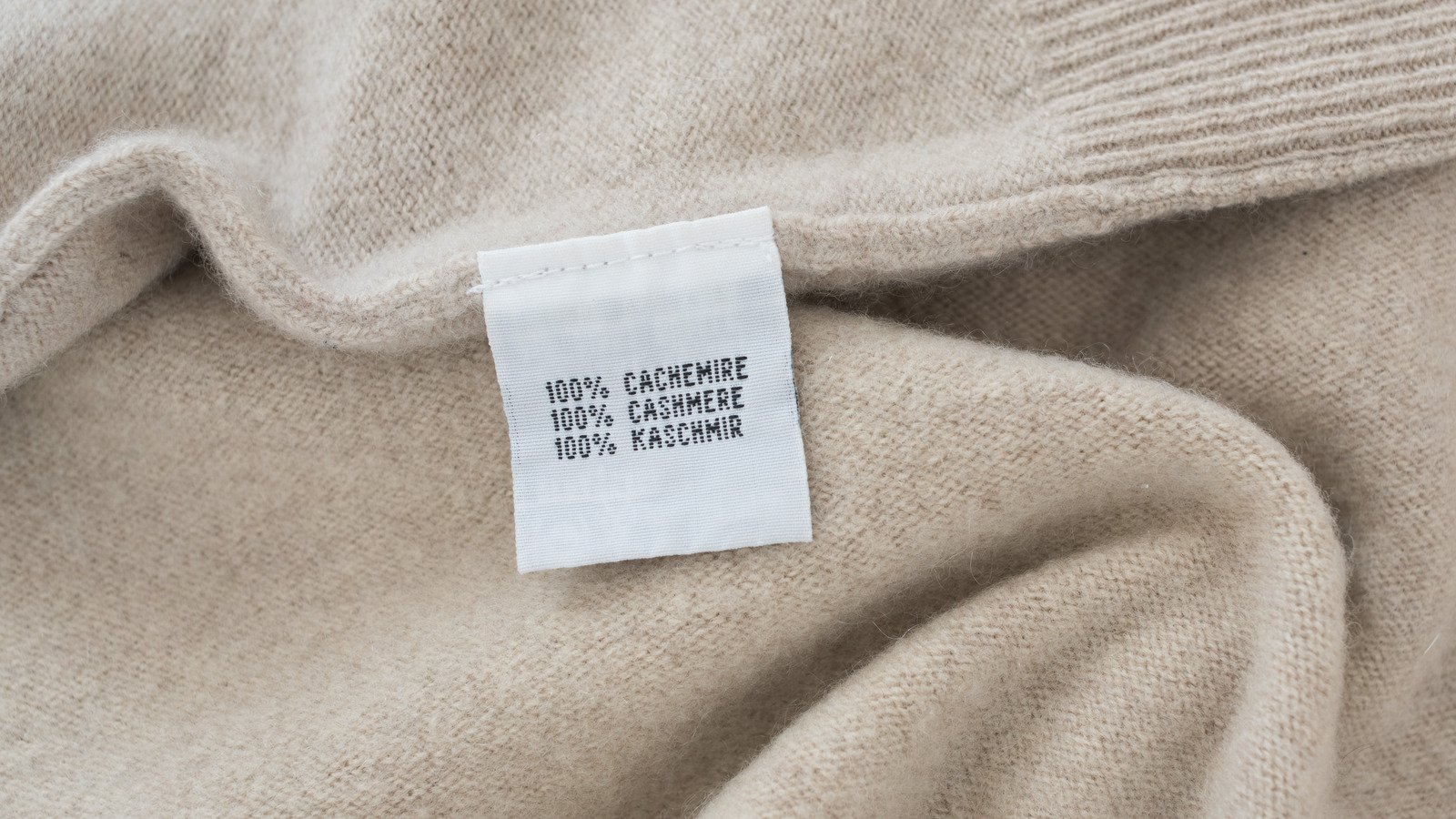
Check the label for fiber percentage, since anything below 100% should clearly state the blend ratio rather than just the word “cashmere.”
Feel the fabric for graininess or scratchiness, run your fingers across the surface, and check that the price aligns with realistic market ranges for the stated grade.
Caring for Cashmere to Protect Your Investment
Hand wash cashmere in cold water with a gentle wool-safe detergent, or use the gentle wool cycle if your machine offers one.
Always dry flat, away from direct heat or sunlight, since high temperatures damage the delicate fiber structure and shorten the garment’s lifespan.
Storing Cashmere Between Seasons
Fold cashmere rather than hanging it, since hangers stretch the shoulders and distort the natural shape of the garment over time.
Store folded pieces in a breathable cotton bag with cedar blocks or lavender sachets, which naturally deter moths without harsh chemical treatments.
Always store cashmere clean, since any trace of body oil or food residue attracts moths and increases the risk of holes during storage.
The Ethics and Sustainability Side of Cashmere Pricing
Rising demand has pushed some herding regions toward overgrazing, which damages fragile grassland ecosystems in Mongolia and parts of China.
Larger goat herds also strain land that recovers slowly, creating a tension between meeting global demand and protecting the environment that produces the fiber.
This has pushed parts of the industry toward certified, traceable sourcing that verifies humane treatment of goats and fair wages for herders.
Why Traceability Adds Cost But Builds Trust
Brands that invest in blockchain tracking or third-party certification pass some of that verification cost on to the consumer.
In return, buyers get documented proof of fiber origin, animal welfare standards, and ethical labor practices, which matters increasingly to conscious shoppers.
Digital microscopy and AI-based fiber testing are now being used to verify micron count and purity claims, replacing guesswork with measurable data.
Cashmere Alternatives If the Price Feels Too High
If genuine cashmere is outside your budget, a few natural fibers offer comparable comfort at a lower price point.
Baby alpaca fiber delivers similar softness and warmth to mid-grade cashmere, often at a noticeably lower cost per garment.
Premium merino wool is another practical substitute, trading a bit of softness for significantly better durability and easier at-home care.
When Paying Full Price for Cashmere Makes Sense
If you wear a piece several times a week through an entire winter season, the cost-per-wear math on Grade A cashmere becomes very favorable over a decade.
For occasional-use items or warmer climates, a wool or alpaca blend may deliver enough comfort without the premium price tag, especially for shoppers who only need a few cold-weather pieces each year.
Frequently Asked Questions (FAQs)
Why is cashmere so expensive compared to regular wool?
Cashmere goats yield only 150-200 grams of fiber yearly versus kilograms from sheep. The fiber is also hand-harvested and hand-sorted, driving labor costs far higher.
What makes Grade A cashmere different from Grade C?
Grade A measures 14-15.5 microns with longer staple length, making it softer and more durable. Grade C is 19-30+ microns, coarser, and far cheaper to produce.
Is pashmina the same thing as cashmere?
Pashmina is a finer sub-type of cashmere, sourced from Himalayan Chyangra goats. It typically measures 12-16 microns versus cashmere’s broader 12-21 micron range.
How many goats does it take to make one cashmere sweater?
It generally takes the combed undercoat of 3 to 6 cashmere goats to produce enough fiber for a single sweater, depending on garment weight.
Is cashmere warmer than wool?
Yes, cashmere is widely reported to be up to eight times warmer than sheep’s wool by weight, thanks to its fine, hollow fiber structure.
Can cashmere be cheap and still be real?
Real cashmere is rarely cheap. Low prices usually signal a thin blend (sometimes just 5% cashmere) or Grade C fiber, not pure premium-quality material.
How long does good quality cashmere last?
With proper care, high-grade cashmere garments can last 10 to 20 years, making the upfront cost reasonable when spread across years of wear.
Why can’t cashmere production be automated like cotton?
Cashmere fibers vary in length and are too delicate for full mechanical processing without damage, so hand-sorting and combing remain essential at scale.
Is cashmere a good investment compared to wool sweaters?
Yes, for long-term value. Cashmere’s durability, warmth-to-weight ratio, and resale value typically outperform standard wool over years of regular use.
What countries produce most of the world’s cashmere?
China and Mongolia together supply over 90% of global raw cashmere fiber, with smaller contributions from Iran, Afghanistan, and Central Asia.
Conclusion
Cashmere’s high price is not a marketing illusion; it is the direct result of biology, scarcity, and labor. A goat that survives brutal mountain winters produces only a few ounces of usable fiber each year, and every step from combing to sorting to spinning still depends on skilled human hands rather than machines.
Add in genuine global scarcity, where cashmere makes up less than 1% of total wool production, and rising demand from a multi-billion-dollar luxury market, and the pricing logic becomes clear. Understanding grades, microns, and blends also helps shoppers avoid overpaying for low-quality fiber mislabeled as luxury. When you choose a genuine, well-made cashmere piece and care for it properly, you are not just buying softness and warmth.
You are buying a garment built to last a decade or more, which is exactly what makes the investment worthwhile, especially when you compare it against the true lifetime cost of cheaper, shorter-lived alternatives.


