


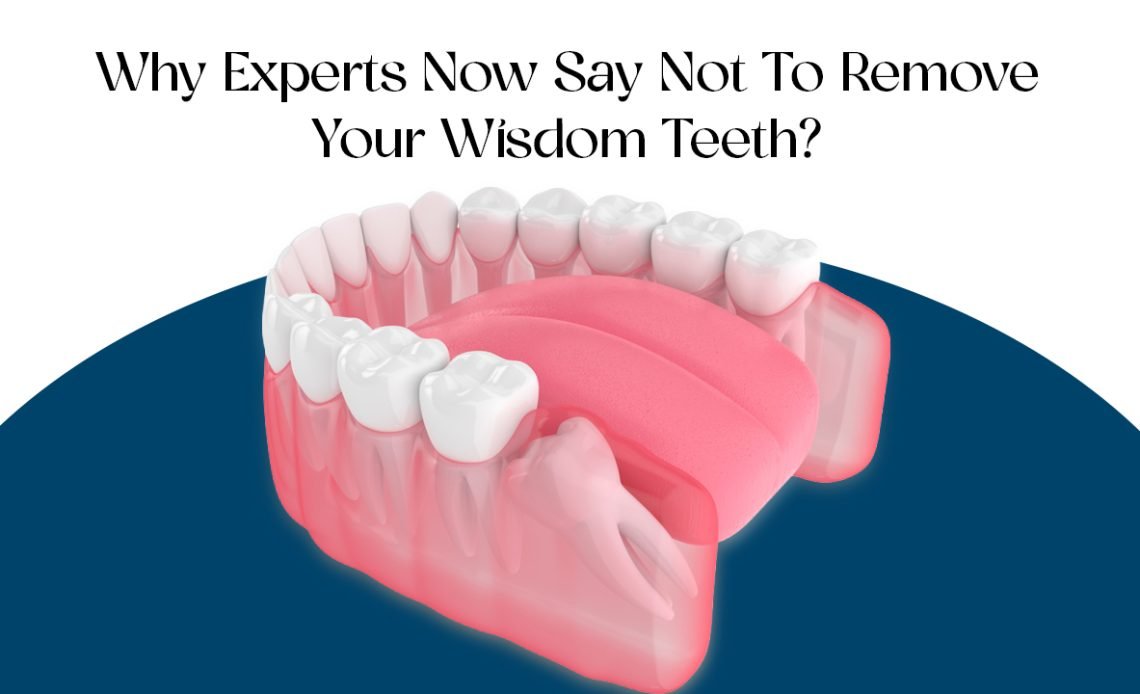
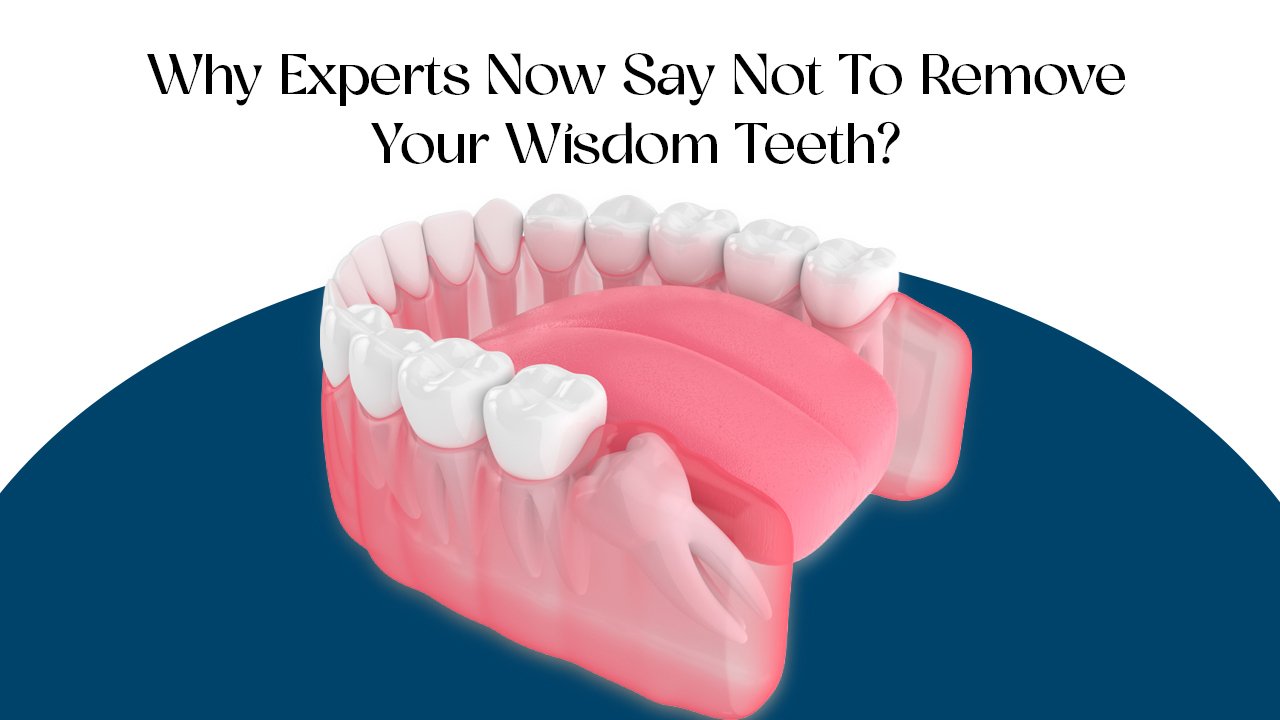
Why experts now say not to remove your wisdom teeth is one of the most searched dental questions of 2026, and the answer is finally backed by solid science.
For decades, dentists routinely pulled out wisdom teeth as a standard preventive measure. Millions of people went under the knife before their third molars ever caused a single problem.
But today, the conversation has changed dramatically. Leading dental researchers, oral surgeons, and professional associations now agree that removing healthy, symptom-free wisdom teeth carries real risks with very little proven benefit.
What Are Wisdom Teeth and Why Do We Have Them
Wisdom teeth are the third set of molars, the very last teeth to emerge in the human mouth. They typically appear between the ages of 17 and 25, though some people see them later, and a small percentage never develop them at all.
Our ancestors actually needed these teeth. Early humans ate a tough, rough diet — raw meat, hard roots, coarse plant material — that wore down their teeth significantly. Having a third set of molars at the back of a large jaw made biological sense for people who chewed that kind of diet every day.
As human diets evolved over thousands of years toward softer, cooked, and processed foods, the heavy-duty chewing load disappeared. At the same time, human jaw size gradually decreased. The result is a mismatch that still plays out today — wisdom teeth arrive in mouths that often do not have enough room for them.
The Old School Thinking — Why Dentists Used to Remove Them Automatically
For most of the 20th century, the standard approach to wisdom teeth was simple: remove them before they cause trouble. The logic seemed sound at the time. If there was any chance of impaction, infection, or crowding, pulling the teeth preventively seemed safer and smarter.
This prophylactic approach became so widespread that it turned into a rite of passage. Getting your wisdom teeth removed in your late teens or early twenties was considered as routine as getting braces. Most patients never questioned it.
Dentists feared pain, infection, and the possibility of damage to surrounding teeth or nerves if wisdom teeth were left untreated. The procedure became so standardized that careful individual assessment often gave way to a blanket removal policy applied to almost everyone.
The result was staggering in scale. Every year in the United States alone, approximately 5 million people have an estimated 10 million wisdom teeth removed. The total cost of these procedures exceeds 3 billion dollars annually — and a large portion of those extractions, experts now believe, were not necessary.
The Shift — Why Experts Now Say Not to Remove Your Wisdom Teeth
The question of why experts now say not to remove your wisdom teeth comes down to three major forces that changed the field: better research, better diagnostic tools, and a growing commitment to evidence-based dentistry.
Studies began accumulating evidence that many wisdom teeth, left in place, simply never caused the problems that prophylactic removal was meant to prevent. Crowding, long blamed on wisdom teeth pushing forward, was shown by multiple studies to occur independently of whether the third molars were removed. Longitudinal research found that a significant proportion of people with retained wisdom teeth experienced no disease, no crowding, and no complications over years or even decades of monitoring.
At the same time, the risks of surgery were being documented more carefully. What had been presented to patients as a routine, low-risk procedure was shown to carry real surgical hazards — including nerve damage, dry socket, infection, and prolonged recovery — especially when the teeth were not actually causing any harm.
The dental community began to ask a hard but important question: if the tooth is healthy and not causing pain, infection, or damage to neighboring teeth, is the risk of surgery worth it? Increasingly, the evidence says no.
What the Research Actually Shows
The evidence against routine removal has been building for years and is now substantial enough to have influenced major dental organizations worldwide.
A landmark study published in the American Journal of Public Health concluded that most asymptomatic wisdom teeth do not progress to pathological conditions, and that watchful monitoring is a clinically sound alternative to prophylactic extraction in many patients.
The National Institute for Health and Care Excellence in the United Kingdom updated its guidelines to specifically state that routine removal of pathology-free impacted third molars should not be performed. This was a major policy shift that influenced dental practice across Europe.
Research from multiple peer-reviewed sources confirmed that the association between wisdom teeth and front tooth crowding — one of the biggest justifications for removal — is not supported by evidence. Crowding of front teeth happens regardless of whether wisdom teeth are present or removed.
The emerging consensus is that wisdom teeth should be evaluated case by case, based on actual symptoms and clinical findings, not removed automatically based on their presence alone.
Real Risks of Wisdom Teeth Removal That Most People Are Not Told About
One of the biggest reasons why experts now say not to remove your wisdom teeth is that the surgery carries documented risks that are frequently minimized in patient conversations. Here is the data that more people deserve to hear before agreeing to extraction.
| Complication | Reported Rate |
|---|---|
| Dry Socket (Alveolar Osteitis) | 5% – 10% of extractions |
| Post-Operative Infection | Approximately 1.7% of cases |
| Temporary Nerve Damage (numbness) | 1% – 3% of lower wisdom tooth extractions |
| Permanent Nerve Damage | Less than 2% — but life-altering when it occurs |
| Lingual Nerve Injury (tongue numbness) | 0.04% – 0.6% permanent cases |
| Heavy Bleeding | Reported in approximately 30% of patients |
| Overall Complication Rate | 8.4% of all wisdom tooth surgeries |
These numbers represent real patients who underwent surgery for teeth that may never have caused them a problem. When the tooth is not infected, not impacted dangerously, and not damaging neighboring teeth, these risks become very difficult to justify on medical grounds.
Dry Socket — The Most Common Complication Nobody Warns You About
Dry socket, medically known as alveolar osteitis, is the single most common complication after wisdom tooth extraction. It occurs when the protective blood clot that forms in the empty socket is dislodged before the bone and tissue have healed.
When the clot is gone, the underlying bone and nerve endings are exposed directly to air, food particles, and saliva. This causes severe, radiating pain that travels toward the ear, temple, or chin. The condition typically develops two to five days after surgery and requires repeated dental visits to place medicated dressings until healing progresses.
Dry socket affects between 5% and 10% of all extractions. For lower wisdom teeth specifically, rates are higher, and some studies suggest that difficult or traumatic extractions carry even greater risk. Smokers, women on oral contraceptives, and patients over 30 face significantly elevated chances of developing this painful complication.
Nerve Damage — The Risk That Can Last a Lifetime
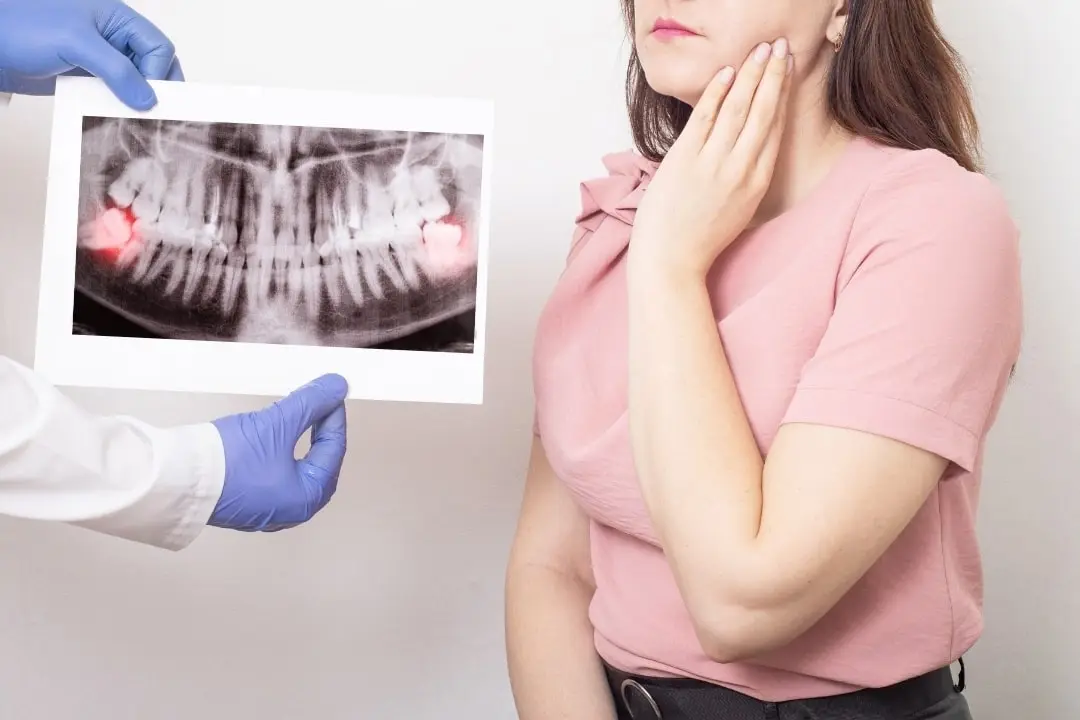
The inferior alveolar nerve runs very close to the roots of lower wisdom teeth. During extraction, this nerve can be compressed, stretched, or in rare but devastating cases, severed. The result is numbness, tingling, or loss of sensation in the lower lip, chin, gums, or tongue.
Research from AAOMS data shows that temporary nerve injury occurs in up to 3.9% of lower wisdom tooth extractions. In approximately 0.7% of cases, the sensory loss is permanent. That may sound like a small number, but when applied to the millions of extractions performed annually, it represents a significant number of people living with lasting nerve damage from a procedure they may not have needed.
Permanent numbness of the lip or tongue is not a minor inconvenience. It affects eating, speaking, kissing, and basic quality of life. For a surgery performed on a tooth that was causing no symptoms whatsoever, this risk deserves far more weight than it typically receives in the dental chair.
The Benefits of Keeping Healthy Wisdom Teeth
Beyond avoiding surgical risk, there are actual positive reasons why retaining healthy wisdom teeth can be beneficial for long-term oral health.
Wisdom teeth that erupt fully and are properly aligned contribute to chewing function at the very back of the mouth. They provide additional grinding surface for tough foods and help distribute bite pressure more evenly across the jaw.
Healthy retained wisdom teeth help preserve jawbone density in that region of the mouth. When a tooth is removed, the bone that once surrounded its roots begins to gradually shrink and resorb. Keeping the tooth maintains the bone volume in that area, which can be important if dental implants or other procedures are ever needed later.
In some cases, wisdom teeth can even serve as donor material for bone grafting procedures elsewhere in the mouth. There is also emerging research on extracting dental pulp stem cells from wisdom teeth — these cells hold potential for future regenerative medicine applications, making retained wisdom teeth a potential long-term medical resource.
Perhaps most practically, a wisdom tooth that is healthy, fully erupted, and properly aligned gives dentists one more tooth to work with if something goes wrong elsewhere. In orthodontic movement scenarios, wisdom teeth can sometimes be repositioned to fill gaps created by the loss of other molars.
The New Standard — Monitoring Instead of Extraction
The modern approach endorsed by a growing number of dental professionals and research institutions is active surveillance, not automatic extraction. This means instead of removing wisdom teeth because they exist, dentists monitor them through regular check-ups and periodic dental imaging.
Digital X-rays and cone beam CT scanning now give dentists far more detailed three-dimensional views of wisdom teeth and their relationship to surrounding nerves, roots, and bone than was possible even 15 years ago. This improved imaging allows clinicians to accurately assess the true position and risk profile of each tooth without exploratory surgery.
Active surveillance involves check-ups typically every six to twelve months, monitoring for any signs of disease, impaction progression, infection, or damage to adjacent teeth. If problems emerge, extraction can be performed at that time. If no problems develop, the teeth remain in place.
This approach is more conservative, more individualized, and more aligned with the evidence. It treats patients as individuals rather than applying a blanket policy that ignores differences in jaw size, tooth position, alignment, hygiene ability, and overall health.
When Wisdom Teeth Removal Is Still Absolutely Necessary
While the shift is clear and significant, it is important to be equally clear that there are genuine clinical situations where wisdom teeth removal remains the right choice. Why experts now say not to remove your wisdom teeth does not mean they say never remove them.
| Situation | Why Removal Is Recommended |
|---|---|
| Recurrent pericoronitis (gum infection) | Repeated infections signal the tooth cannot be maintained safely |
| Damage to adjacent second molar | Active root resorption of neighboring teeth requires intervention |
| Cysts or tumors around the tooth | Associated pathology that cannot be treated conservatively |
| Severe impaction causing pain | Impacted teeth causing acute pain with no conservative solution |
| Extensive decay in wisdom tooth | Decay that cannot be filled or treated due to position |
| Abscess formation | Severe acute infection requiring urgent management |
| Pre-orthodontic treatment planning | When the tooth genuinely interferes with planned tooth movement |
The key word is genuine. Each of these is a specific clinical finding — not a hypothetical future risk. This is exactly the distinction the new evidence-based approach demands: treat what exists, not what might happen.
Age Matters — Why Timing of Evaluation Is Important
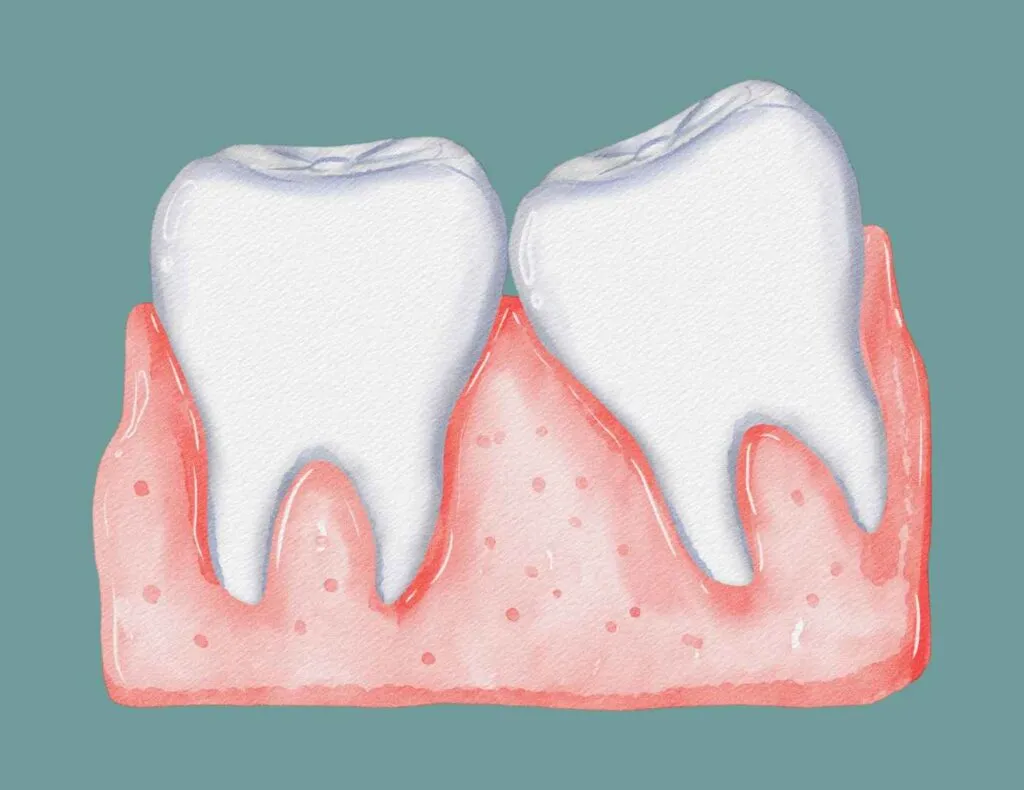
One area where age genuinely plays a role in wisdom tooth decisions is the recovery window. Younger patients, generally those under 25, heal significantly faster and face lower complication rates than older adults.
In young patients, the roots of wisdom teeth are not yet fully formed. Partially formed roots make extraction technically easier and reduce proximity to the inferior alveolar nerve, lowering nerve injury risk considerably. The surrounding bone is also less dense in younger patients, making the procedure less traumatic.
This does not mean all young people should have their wisdom teeth out at 18. It means that if wisdom teeth do need to come out, younger patients face lower risk during the procedure. For patients in their 30s, 40s, and beyond, the risk profile of surgery increases, and the argument for monitoring asymptomatic teeth becomes even stronger with age.
What Patients Should Ask Their Dentist Before Agreeing to Extraction
Anyone told they need their wisdom teeth removed deserves to ask specific questions before consenting to surgery. A good dentist or oral surgeon will welcome these questions rather than dismiss them.
The first question should be whether the wisdom teeth are currently causing a documented clinical problem. If the answer involves words like “might,” “could,” or “possibly,” that is a signal that the decision is based on prediction rather than present clinical findings.
Ask specifically what would happen if you monitored the teeth instead. Ask what the imaging shows about the position of the roots relative to the inferior alveolar nerve. What the specific risks of surgery are in your individual case, not generic statistics.
Request to see your X-rays and have them explained. A dentist who takes your questions seriously, reviews the imaging with you, and tailors their recommendation to your actual anatomy is practicing the kind of individualized, evidence-based care the research now supports.
How to Keep Wisdom Teeth Healthy If You Decide to Retain Them
If you and your dentist decide to monitor rather than remove your wisdom teeth, proper oral hygiene becomes critically important. Wisdom teeth are the hardest teeth in the mouth to clean because of their location at the very back of the jaw.
A standard toothbrush may not reach the rear surface of your wisdom teeth effectively. Using a small-headed toothbrush, an electric toothbrush with a rotating head, or even a specialized angled brush helps reach these surfaces. Brushing twice daily and paying deliberate attention to the wisdom tooth area every time is essential.
Interdental cleaning around wisdom teeth is equally important. Flossing all the way to the back of the mouth, or using a water flosser on a targeted setting, removes food particles and bacteria from between the wisdom tooth and the second molar — the area most vulnerable to decay and gum disease.
Professional cleanings every six months allow your dental hygienist to clean the areas you cannot reach at home. During these visits, your dentist will also visually inspect and probe around the wisdom teeth to detect any early signs of pericoronitis, pocket depth changes, or early decay before they become serious problems.
Comparing the Two Approaches — Removal vs Monitoring
| Factor | Prophylactic Removal | Active Monitoring |
|---|---|---|
| Upfront risk | Surgical complications, nerve damage, dry socket | No surgical risk |
| Cost | High surgical fee plus anesthesia | Regular check-up fees only |
| Recovery time | 3–7 days to 2 weeks | No recovery needed |
| Long-term benefit | Unclear for asymptomatic teeth | Preserves natural tooth and bone |
| Evidence support | Weak for asymptomatic cases | Supported by current research |
| Individual variation | Not accounted for | Central to the approach |
| Best for | Genuine clinical pathology | Healthy, non-problematic teeth |
The Role of Evidence-Based Dentistry in This Shift
The change in expert thinking about wisdom teeth is part of a broader transformation in how medicine and dentistry approach treatment decisions. Evidence-based practice means that clinical decisions are guided by the best available research, not by tradition, convention, or what has always been done.
Prophylactic wisdom tooth removal was never strongly supported by rigorous evidence. It was a practice that arose from reasonable intuition at a time when diagnostic tools were limited and the true rate of problems in retained teeth was not well understood.
As long-term studies on retained wisdom teeth accumulated, the picture became clearer. Most asymptomatic wisdom teeth, when properly monitored, do not go on to cause serious disease. The risk of leaving them in place — when they are healthy — is lower than the known risks of the surgery to remove them.
This is exactly the kind of evidence-based rethinking that improves patient outcomes. It is not anti-dentistry. It is better dentistry.
What to Expect at a Modern Wisdom Tooth Evaluation in 2026
A high-quality wisdom tooth assessment in 2026 looks different from evaluations done even a decade ago. Expect your dentist to use cone beam CT imaging rather than just flat panoramic X-rays when clinical questions require it. This gives a three-dimensional view of the tooth’s position, root shape, and proximity to the inferior alveolar nerve.
Your dentist should review the imaging with you, explain exactly what is and is not visible, and make a recommendation based on your specific anatomy. Expect the conversation to include your age, oral hygiene habits, history of dental issues, and your preferences — not just a blanket recommendation.
If extraction is recommended, a thoughtful dentist will explain the specific indication — not just “they’ll cause problems eventually.” If monitoring is recommended, expect a clear plan for follow-up frequency and the warning signs that would change the recommendation.
This kind of individualized, transparent, evidence-informed evaluation is the gold standard for wisdom tooth care in 2026.
Frequently Asked Questions (FAQs)
Q1. Why do experts now say not to remove your wisdom teeth?
Experts now say not to remove your wisdom teeth because research shows that healthy, asymptomatic third molars rarely progress to serious disease. The surgical risks of unnecessary removal — including nerve damage and dry socket — often outweigh any preventive benefit.
Q2. Are wisdom teeth always problematic if they are impacted?
No, not all impacted wisdom teeth cause problems. Partially or fully impacted teeth that are not infected, not damaging neighbors, and not causing pain can be safely monitored rather than removed in many patients.
Q3. What is dry socket and how common is it after wisdom tooth removal?
Dry socket occurs when the blood clot in the extraction site is dislodged, exposing bone and nerves to air and food. It affects 5% to 10% of all wisdom tooth extractions and causes severe radiating pain for days.
Q4. Can wisdom teeth really damage your other teeth if left in?
Only in specific situations where impaction directly pushes against the root of the adjacent second molar. This is a genuine clinical finding that requires action — it is not a guaranteed outcome for all retained wisdom teeth.
Q5. How often should wisdom teeth be monitored if not removed?
Most dental professionals recommend check-ups every six to twelve months for patients retaining wisdom teeth. Regular dental imaging is used to track any changes in position, root development, or surrounding tissue health over time.
Q6. Is wisdom teeth removal dangerous?
It carries documented risks including dry socket (5–10%), temporary nerve damage (up to 3.9% for lower wisdom teeth), infection (1.7%), and in rare cases permanent nerve injury. These risks increase significantly when the surgery is medically unnecessary.
Q7. At what age should wisdom teeth be evaluated?
Wisdom teeth should be evaluated when they first begin to develop on X-rays, typically between ages 16 and 20. Evaluation does not mean automatic removal — it means building a monitoring plan based on individual anatomy and symptoms.
Q8. Can you keep wisdom teeth for life with no problems?
Yes, many people retain healthy, fully erupted, properly aligned wisdom teeth for their entire lives without any complications. Consistent hygiene and regular dental monitoring are the keys to keeping them problem-free long-term.
Q9. What should I ask my dentist before agreeing to wisdom tooth removal?
Ask whether the tooth is currently causing a documented clinical problem, what the imaging shows about nerve proximity, what the specific risks are in your case, and what the monitoring alternative looks like. Any qualified dentist should answer these clearly.
Q10. Do wisdom teeth cause teeth crowding at the front of the mouth?
Multiple studies have found no strong causal link between wisdom teeth and front tooth crowding. Crowding occurs due to jaw growth patterns and is not reliably prevented by wisdom tooth removal — a claim that was once widely used to justify extractions.
Conclusion
Why experts now say not to remove your wisdom teeth is not a fringe opinion or a trendy health hack — it is the conclusion of decades of accumulating dental research finally changing mainstream practice in 2026.
The shift toward active monitoring, individualized assessment, and evidence-based decision-making represents a major improvement in how patients are protected from unnecessary surgical risk.
Millions of extractions have been performed on healthy teeth that never needed to come out.
Going forward, the standard of care demands that every patient understand their specific situation, ask the right questions, and make informed decisions alongside a dentist who respects both the evidence and the individual. Your wisdom teeth may well be worth keeping.


