


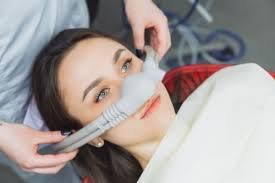
Why don’t dentists use nitrous oxide anymore is a question patients are asking more frequently — and the answer is more layered than most people expect.
Nitrous oxide, popularly known as laughing gas, was once the universal go-to for dental sedation across the world.
Today, many practices have reduced its use, some have eliminated it entirely, and others still use it selectively.
The shift reflects a combination of safety concerns, staff health risks, environmental regulations, stronger sedation alternatives, and changing patient expectations.
A Brief History of Nitrous Oxide in Dentistry
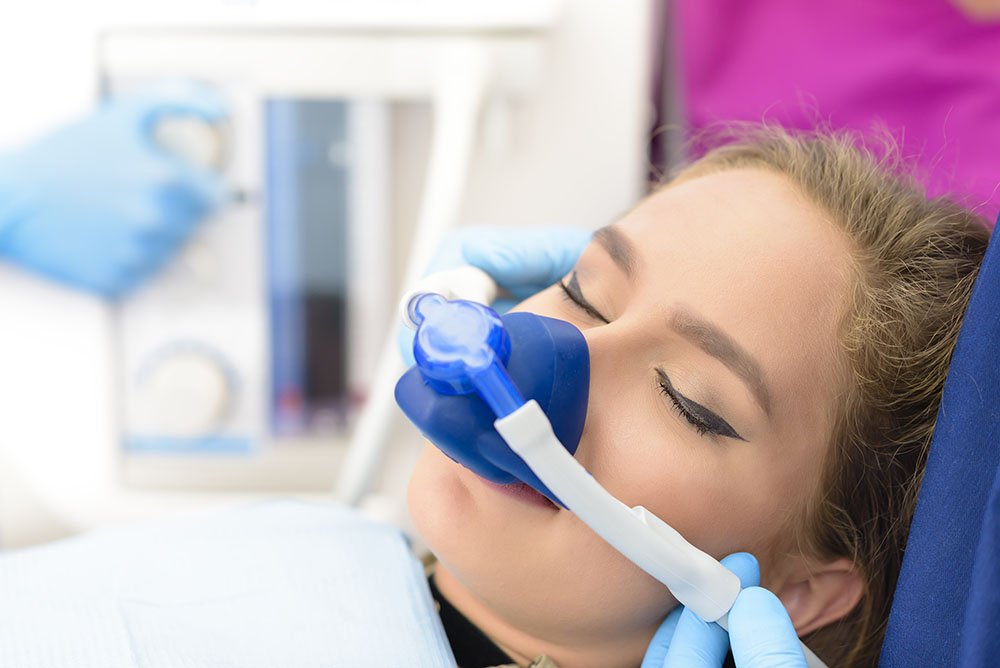
Nitrous oxide was first used as a dental anesthetic in the mid-1800s, making it one of the oldest sedation tools in modern medicine. For well over a century, it was the standard of care for anxious patients and simple procedures alike.
It was easy to administer, fast-acting, and wore off quickly. Patients could drive themselves home after a session, which was a major practical advantage. No needles, no IV lines, and no lingering grogginess made it popular with both patients and practitioners.
By the late 20th century, laughing gas was a fixture in nearly every dental office. Its reputation as safe and effective seemed unassailable — until a more complete picture started to emerge.
What Nitrous Oxide Actually Does
Nitrous oxide is a colorless, nearly odorless gas with a slightly sweet smell. In dentistry, it is always mixed with oxygen before delivery — typically in a ratio that keeps the oxygen concentration above 30% to prevent hypoxia.
Patients inhale the mixture through a small nose mask. Within minutes, it depresses the central nervous system, producing a calm, euphoric, floating sensation. Pain sensitivity decreases, anxiety fades, and the patient remains fully conscious and able to communicate.
Its effects reverse almost completely within minutes of switching to pure oxygen. This rapid offset was one of its most valued features — a patient could receive sedation, have a filling done, and walk out with no residual impairment.
So Why Are Dentists Moving Away from Nitrous Oxide?
The shift is real but not absolute. Many dental practices still use nitrous oxide, particularly for pediatric patients and mild anxiety cases. But the days of it being the default sedation choice are winding down. Several forces are driving that change simultaneously.
Reason 1: More Powerful Alternatives Now Exist
One of the clearest reasons why dentists use nitrous oxide less often is that better options now exist for moderate to severe dental anxiety.
Nitrous oxide is a mild sedative. It takes the edge off anxiety and reduces pain sensitivity, but it does not block memory, produce deep relaxation, or eliminate the patient’s awareness of the procedure. For patients with moderate or severe dental phobia, it often simply does not go far enough.
IV sedation delivers sedatives directly into the bloodstream, offering a much deeper level of relaxation. Many patients have little to no memory of the procedure afterwards, which is a meaningful benefit for those with significant dental trauma or fear.
Oral sedation involves taking a prescribed benzodiazepine — usually triazolam or diazepam — about an hour before the appointment. The result is a deep, relaxed state that lasts throughout the procedure without requiring any gas delivery equipment in the operatory.
As these alternatives became more accessible and dentists became more trained in their administration, the advantages of nitrous oxide over the competition became less compelling.
Reason 2: Occupational Health Risks for Dental Staff
This is one of the most important and least-discussed reasons behind the decline. The risk is not primarily to patients — it is to the dentists, dental assistants, and hygienists who work with the gas every single day.
Nitrous oxide irreversibly oxidizes vitamin B12. Even brief exposure inactivates the B12-dependent enzyme methionine synthase, which is critical for DNA synthesis, nerve function, and cellular metabolism.
For a patient receiving nitrous oxide once every few months, this is a minor concern. For a dental assistant sitting in a room where the gas is being administered for six hours a day, five days a week, the cumulative exposure is a completely different matter.
The CDC and the National Institute for Occupational Safety and Health (NIOSH) have documented that chronic occupational exposure to trace nitrous oxide can lead to vitamin B12 depletion, neurological symptoms, reproductive health effects including reduced fertility and increased spontaneous abortion risk, and blood dyscrasias.
The American Dental Association acknowledges these risks. NIOSH recommends keeping workplace exposure below 25 parts per million (ppm) during procedures. Achieving this consistently requires well-maintained scavenging systems, proper ventilation, and strict protocols — all of which add cost and operational complexity.
Many practices — especially smaller ones — find that eliminating nitrous oxide is simpler and safer than maintaining all the compliance infrastructure needed to use it responsibly.
Reason 3: Environmental Impact and Greenhouse Gas Concerns
Nitrous oxide is a potent greenhouse gas. Its global warming potential is approximately 298 times that of carbon dioxide, and its atmospheric lifetime exceeds 100 years.
When nitrous oxide escapes from dental delivery systems — through imperfect masks, leaking equipment, or exhaled waste gas — it enters the atmosphere and contributes directly to climate change. Even with scavenging systems, some gas inevitably escapes.
Healthcare providers globally are under increasing pressure to reduce their environmental footprint. In several countries, including the UK, hospitals and dental practices have begun formal programs to reduce or eliminate nitrous oxide use as part of sustainability commitments.
In the United States, this pressure is growing. Some large dental chains and institutional providers have removed piped nitrous oxide systems from their facilities entirely, replacing them with portable tank systems or eliminating the gas altogether in favor of IV and oral sedation protocols.
This is not the primary driver for most practices, but it is a real and growing factor — especially for eco-conscious clinics and those operating under institutional sustainability policies.
Reason 4: Patient Side Effects and Comfort Issues
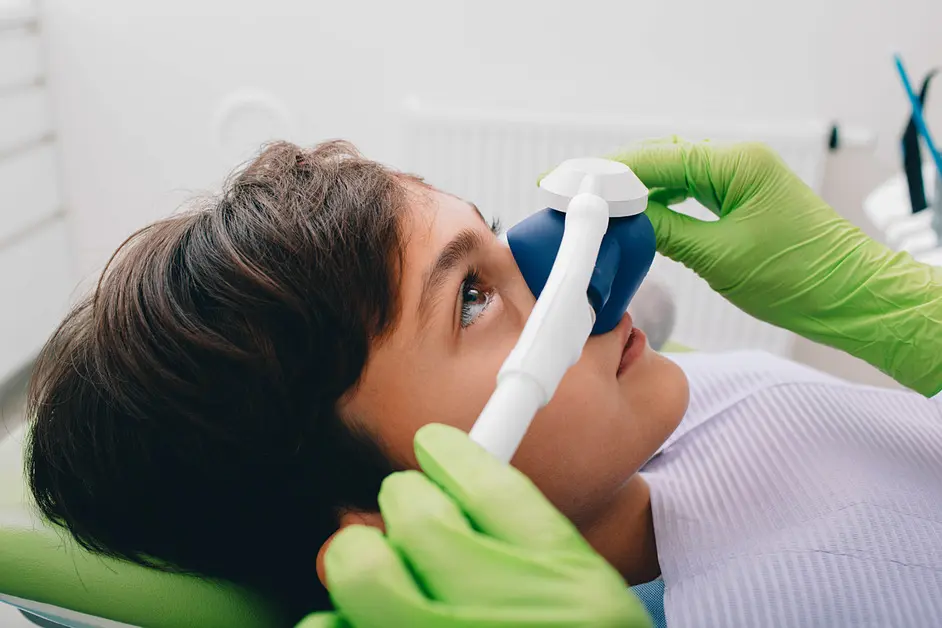
Nitrous oxide is well-tolerated by most patients, but it is not universally comfortable. A meaningful percentage of patients experience unpleasant side effects that can make their dental visit worse, not better.
Common side effects of nitrous oxide in dental patients include nausea and vomiting (particularly if the patient has eaten recently), dizziness and disorientation, headaches after the procedure, feelings of claustrophobia from the nose mask, and anxiety or restlessness rather than relaxation in some patients.
For patients who respond poorly to nitrous oxide, using it can become counterproductive. A patient who feels nauseated and dizzy during a procedure is not having a better experience than one who received no sedation at all.
Modern alternatives offer more predictable and controllable patient experiences. IV sedation, in particular, can be titrated in real time to match what the patient actually needs, something that nitrous oxide delivery does not easily allow.
Reason 5: Contraindications Limit Its Use
Nitrous oxide is not appropriate for every patient, and the list of contraindications is longer than many people realize.
| Contraindication | Reason |
|---|---|
| First trimester of pregnancy | Interferes with folate and B12 metabolism; fetal development risk |
| Vitamin B12 deficiency | Nitrous oxide inactivates B12, worsening existing deficiency |
| Severe COPD or respiratory conditions | Impairs normal breathing during gas delivery |
| Nasal congestion or blocked airways | Cannot inhale the gas effectively through the nose mask |
| Recent middle ear surgery | Gas expands in enclosed body cavities, risking ear damage |
| Pneumothorax (collapsed lung) | Gas moves into air pockets in the body, worsening the condition |
| Bowel obstruction | Same expansion risk as above |
| Severe psychiatric conditions | Can trigger vivid hallucinations or aggravate psychosis |
| Recent retinal surgery with gas bubble | Risk of gas bubble expansion |
| Severe cardiovascular disease | Can elevate homocysteine levels, a cardiovascular risk factor |
When a patient’s medical history includes any of these factors, nitrous oxide cannot be used — and the dentist must have an alternative plan ready. Practices that have already transitioned to oral or IV sedation as their primary tools are simply better positioned to serve a broader patient population.
Reason 6: Regulatory Compliance and Cost Burden
Using nitrous oxide safely in a dental practice is not cheap or simple. Regulatory requirements in the United States and many other countries create a significant compliance burden.
Dental practices must maintain scavenging systems that capture waste gas before it is released into the room. These systems must be inspected and certified regularly. Staff must be trained in their use, and exposure monitoring must be conducted to ensure ambient gas levels stay within NIOSH guidelines.
The equipment itself — delivery units, flow meters, gas cylinders, scavenging systems — requires upfront investment and ongoing maintenance. For smaller practices with tight margins, the cost-benefit calculation increasingly favors transitioning to oral sedation, which requires far less infrastructure.
Large corporate dental chains have the resources to maintain nitrous systems properly, but even some of them have concluded that standardizing on IV and oral sedation protocols is more operationally efficient across multiple locations.
Reason 7: Recreational Misuse and Perception Problems
Nitrous oxide has a well-publicized history of recreational misuse. Canisters of nitrous oxide — often the same “whipped cream chargers” sold for kitchen use — are widely misused as a party drug in many countries.
Recreational misuse at high concentrations and without oxygen supplementation has caused serious health consequences, including nerve damage, spinal cord degeneration (subacute combined degeneration), hypoxia, and deaths.
These high-profile cases have influenced public perception. Some patients arrive at dental offices already wary of nitrous oxide because of what they have read about recreational misuse. Their hesitation is understandable — even though therapeutic dental use is fundamentally different from recreational abuse.
Some dentists and practices have found it easier to offer alternatives than to repeatedly explain the distinction. Patient trust and comfort drive dental practice decisions in a competitive market, and a patient who is nervous about laughing gas is better served with a different option.
Reason 8: Limited Effectiveness for Complex Procedures
Nitrous oxide provides conscious sedation — the patient remains awake, cooperative, and aware throughout the procedure. For short, simple treatments like single fillings or cleanings, this is perfectly adequate.
But for longer, more complex procedures — implant placement, multiple extractions, full-arch reconstruction, or lengthy root canal treatments — deeper sedation is both safer and more practical.
A patient who is awake and mildly relaxed for a two-hour surgical procedure is not as comfortable or cooperative as one who is deeply sedated with no memory of the experience afterward. For complex dentistry, IV sedation or general anesthesia has become the standard because it enables better procedural control and better patient outcomes.
Does Nitrous Oxide Still Have a Place in Dentistry?
Yes — and it is important to be clear about this. Nitrous oxide is not obsolete, and the claim that dentists never use it anymore is not accurate. Many practices still use it, and the American Dental Association continues to affirm that it is a safe and effective option when used properly.
It remains particularly valuable in specific contexts.
Pediatric dentistry — Children respond well to nitrous oxide because it is non-invasive, quick, and does not require an IV or oral medication that is harder to dose accurately in young patients.
Mild dental anxiety — For patients who are slightly nervous but not phobic, nitrous oxide provides just enough calming effect without the recovery time of deeper sedation.
Short, simple procedures — A single extraction or filling does not require the depth of sedation that implant surgery does. Nitrous oxide is appropriately matched to the procedure’s demands.
Patients with needle phobia — Nitrous oxide does not require an injection, which makes it useful for patients whose primary fear is the needle itself.
Geriatric patients — Older patients who may not be candidates for deeper sedation due to heart or lung conditions may still tolerate nitrous oxide well.
The key shift is that nitrous oxide has moved from being the default to being one tool among several, chosen when it is genuinely the best fit for the patient and procedure.
What Dentists Are Using Instead
The sedation toolkit available to modern dentists is broader and more sophisticated than it was two decades ago.
| Sedation Method | How It Works | Best For |
|---|---|---|
| Nitrous Oxide | Inhaled gas, mild CNS depression, wears off in minutes | Mild anxiety, short procedures, children |
| Oral Sedation | Benzodiazepine pill taken 1 hour before appointment | Moderate anxiety, longer procedures |
| IV Sedation | Sedative delivered directly into bloodstream, deeply adjustable | Severe anxiety, complex procedures |
| General Anesthesia | Full unconsciousness, requires anesthesiologist | Very complex surgery, extreme phobia |
| Local Anesthesia | Numbs specific area only, no sedation | Minor procedures in low-anxiety patients |
| Laser Dentistry | Reduces need for drilling and injections | Patients who fear the drill or needles |
| CBT / Hypnotherapy | Psychological techniques to manage dental phobia | Long-term anxiety management without drugs |
Most modern dental practices offer a combination of these options and work with each patient to match the sedation level to their specific needs, procedure complexity, and medical history.
Who Should Still Ask for Nitrous Oxide?
Despite the decline in routine use, there are patients for whom nitrous oxide remains the most appropriate choice.
If you have mild anxiety and are having a short procedure, nitrous oxide provides safe, predictable relief without the need for recovery time. You can drive home afterward, return to work, and carry on with your day.
If you have a needle phobia and cannot tolerate the idea of an IV, nitrous oxide sidesteps that entirely. It is inhaled, not injected.
If you are a parent managing a nervous child’s dental visit, nitrous oxide is still widely recommended in pediatric dentistry because of its safety profile in young patients and its rapid offset.
If you have had positive experiences with nitrous oxide in the past, there is no reason you cannot request it. Ask your dentist whether they offer it and whether it is suitable for your planned procedure.
What to Expect If Your Dentist No Longer Offers Nitrous Oxide
If you arrive at a dental appointment expecting laughing gas and are told it is no longer offered, do not panic. The alternatives are effective, well-established, and in many cases superior for your situation.
Ask your dentist to walk you through the sedation options they do offer. Explain your anxiety level honestly — whether it is mild nerves or genuine dental phobia. The right match between your needs and the available options is entirely achievable.
For oral sedation, you will typically take a pill the evening before and another about an hour before your appointment. You will need someone to drive you home. For IV sedation, the same recovery caveat applies.
Both methods are routinely safe and, for many patients, provide a far better experience than they ever had with nitrous oxide.
The Nitrous Oxide Decline in Context — Is It Really Gone?
The framing of nitrous oxide as something dentists no longer use is somewhat exaggerated. The more accurate picture is that it is no longer the automatic first choice.
This pediatric dental practices, it remains widely used. In family dental offices that serve a mix of age groups and anxiety levels, it is typically still available. In academic and hospital-based dental settings, it is a routine part of the sedation toolkit.
What has genuinely changed is in larger adult general dentistry practices, corporate dental chains, and specialist offices focused on complex procedures. These settings have largely transitioned to IV and oral sedation as primary tools, reserving nitrous oxide for specific situations rather than offering it universally.
The bottom line is that nitrous oxide has not disappeared from dentistry — it has been repositioned from the default to the situationally appropriate.
Frequently Asked Questions (FAQs)
Do dentists still use nitrous oxide at all?
Yes. Many dental practices — especially pediatric and family dentistry offices — still use nitrous oxide regularly. It has become less universal but remains a standard option for mild anxiety and short procedures.
Why is nitrous oxide being phased out in some dental offices?
The primary drivers are the availability of more effective sedation alternatives, occupational health risks to dental staff from chronic exposure, environmental concerns about its greenhouse gas impact, and the cost of maintaining compliant delivery systems.
Is nitrous oxide dangerous for dental patients?
In single-use dental settings with proper oxygen delivery, nitrous oxide is safe for most patients. Risks increase with repeated frequent exposure, and it is contraindicated for pregnant women, patients with B12 deficiency, and those with certain respiratory or cardiac conditions.
What is the best alternative to nitrous oxide for dental anxiety?
It depends on severity. Oral sedation with a benzodiazepine is excellent for moderate anxiety. IV sedation is more appropriate for severe phobia or lengthy procedures. Your dentist can help match the right option to your specific needs.
Can nitrous oxide affect dental staff health?
Yes. Chronic occupational exposure to trace nitrous oxide has been linked to vitamin B12 depletion, neurological symptoms, reproductive effects, and blood disorders. This is one reason many practices have reduced or eliminated its routine use.
Why is nitrous oxide bad for the environment?
Nitrous oxide has a global warming potential approximately 298 times that of carbon dioxide and persists in the atmosphere for over 100 years. Waste gas escaping from dental delivery systems contributes to climate change, prompting eco-conscious practices to seek alternatives.
Can I still request nitrous oxide at my dentist?
Yes. If your dentist offers it and you are a suitable candidate, you can request nitrous oxide for your procedure. It remains a valid and effective option for mild anxiety and straightforward treatments.
Why doesn’t nitrous oxide work well for severe dental phobia?
Nitrous oxide provides only mild to moderate conscious sedation. Patients remain fully aware of the procedure, which is insufficient for those with severe phobia who need deeper sedation, memory suppression, or a greater sense of detachment from the experience.
Is nitrous oxide safe for children at the dentist?
Yes. Nitrous oxide is widely regarded as safe and appropriate for children in dental settings, which is why pediatric dentistry continues to use it regularly. Its non-invasive delivery and rapid offset make it well-suited for young patients.
What happens when you stop using nitrous oxide in a dental practice?
Dentists transition to oral sedation, IV sedation, or both. They also invest in training, updated protocols, and patient communication to ensure anxious patients still receive effective, comfortable care without the gas.
Conclusion
Why don’t dentists use nitrous oxide anymore is not a simple one-answer question — because the answer is both nuanced and incomplete.
The full truth is that nitrous oxide use has declined significantly in many practice settings, driven by more effective sedation alternatives, real occupational health risks to dental staff, environmental regulations, and the growing demand for patient experiences that go beyond mild relaxation.
But it has not disappeared. Millions of patients still receive it safely every year, particularly children and those with mild anxiety undergoing straightforward procedures.
If you are a patient concerned about sedation options, the best move is an honest conversation with your dentist.
The toolkit has expanded dramatically, and whatever your anxiety level or procedure complexity, there is a sedation approach that works for you.
Dentistry has not moved away from managing fear — it has just gotten better at it.


