


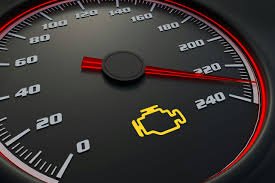
Why does my check engine light come on and off is one of the most frustrating questions a driver can face.
One moment the light is glowing amber on your dashboard, and the next it has disappeared entirely — leaving you wondering whether to panic, ignore it, or rush to a mechanic.
The check engine light is part of your car’s onboard diagnostic system (OBD-II) and is designed to alert you when something is not performing within acceptable parameters.
Whether it is something as simple as a loose gas cap or as serious as a failing catalytic converter, this guide explains everything you need to know.
What Is the Check Engine Light and How Does It Work?
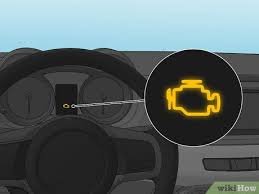
The check engine light — also called the malfunction indicator lamp (MIL) — is connected to your vehicle’s onboard diagnostic system, standardized as OBD-II in all vehicles sold in the US since 1996.
Hundreds of sensors throughout the engine, fuel system, transmission, and emissions system feed data to the powertrain control module (PCM). When any reading falls outside the expected range, the PCM logs a diagnostic trouble code (DTC) and illuminates the check engine light.
The light does not tell you what is wrong — it tells you something was detected. You need an OBD-II scanner to read the stored code and understand the actual problem.
Why Does the Check Engine Light Come On and Off?
The intermittent nature of the light is what confuses most drivers. Here is why it happens.
The OBD-II system runs continuous and non-continuous monitors. Some problems must be detected over multiple drive cycles before the light stays on permanently. Other issues — like a sensor glitch, a loose gas cap, or a humidity-related hiccup — may resolve briefly, causing the computer to turn the light off.
The light going off does not mean the problem is fixed. It means the condition was not detected during the last check cycle. The stored code remains in memory until it is cleared manually or until the car completes several clean drive cycles without any fault.
Solid vs Flashing Check Engine Light: The Most Important Distinction
Before diving into causes, understanding the difference between a solid and a flashing light is critical — it determines whether you can keep driving or need to stop immediately.
Solid (Steady) Check Engine Light
A steady, non-blinking check engine light means the system detected a fault, but it is not causing active damage at that moment. You can typically continue driving for a short distance, but you should schedule a diagnostic inspection as soon as possible.
Common causes of a steady light include a loose gas cap, a failing oxygen sensor, an EVAP system leak, or a worn thermostat. These are real issues that need attention, but they are not emergencies.
Flashing (Blinking) Check Engine Light
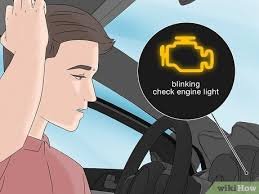
A flashing or blinking check engine light is a different situation entirely. It almost always signals an active engine misfire — meaning one or more cylinders are not firing correctly, and raw unburned fuel is entering the exhaust system.
At catalytic converter operating temperatures of 1,200 to 1,600°F, that raw fuel can ignite and push temperatures past 2,000°F — hot enough to melt the converter’s internal honeycomb structure in a matter of minutes. A repair that might cost $300 for a spark plug becomes a $1,200 or more catalytic converter replacement if you keep driving.
If the check engine light is flashing and the car is shaking or running rough, pull over safely and arrange a tow.
Quick Comparison
| Light Behavior | Meaning | What to Do |
|---|---|---|
| Solid, steady | Issue detected, not immediately damaging | Schedule service within a few days |
| Flashing / blinking | Active misfire — causing damage right now | Stop driving, call for tow |
| On and off intermittently | Intermittent fault, code still stored | Get it scanned — do not ignore |
| Came on, then went off | Temporary fault or resolved minor issue | Still get it scanned |
Top Reasons the Check Engine Light Comes On and Off
There is a long list of possible causes. These are the most common ones, ranked roughly from most to least frequent.
Loose or Damaged Gas Cap
The gas cap is part of the Evaporative Emission Control System (EVAP), which seals the fuel system and prevents gasoline vapors from escaping into the atmosphere. A loose, cracked, or missing gas cap breaks that seal and triggers a fuel vapor leak code.
This is the single most common reason for an intermittent check engine light. The light may come on after you fill up at the gas station if you did not tighten the cap fully. Once the seal is restored and the system passes its self-check over the next drive or two, the light turns off — only to return if the cap is not fully replaced.
The fix is as simple as tightening or replacing the gas cap. A new cap costs as little as $10 to $30. Always tighten until you hear the click.
Faulty Oxygen Sensor
Oxygen sensors (O2 sensors) measure the amount of unburned oxygen in the exhaust and help the engine computer fine-tune the air-fuel mixture for optimal combustion and emissions.
A failing oxygen sensor sends inconsistent or incorrect readings to the PCM. On some trips the reading looks fine; on others it falls out of range. This is why the check engine light comes on and off randomly with an O2 sensor problem — the sensor is still partially working but is no longer reliable.
Over time, a bad oxygen sensor reduces fuel economy by up to 40 percent and can eventually damage the catalytic converter by allowing too rich or too lean a fuel mixture to pass through. A replacement sensor typically costs between $150 and $300 including labor.
Common OBD-II codes: P0131, P0132, P0134, P0136, P0141
Spark Plug or Ignition Coil Issues
Spark plugs ignite the air-fuel mixture inside each cylinder. Over time they wear down, become fouled with carbon deposits, or develop excessive electrode gaps that cause misfires.
When a cylinder misfires intermittently — firing correctly on some engine cycles but not others — the check engine light comes on and off in rhythm with the misfire pattern. A fully failed coil usually keeps the light on steady or flashing; a degrading coil causes the on-and-off behavior.
Worn spark plugs are also among the most neglected maintenance items. Most manufacturers recommend replacement every 30,000 to 100,000 miles depending on the type (copper vs iridium). Ignoring them leads to rough idle, poor acceleration, and reduced fuel economy.
Common OBD-II codes: P0300 (random misfire), P0301–P0308 (specific cylinder misfire)
Catalytic Converter Failure
The catalytic converter converts harmful exhaust pollutants — carbon monoxide, hydrocarbons, nitrogen oxides — into less harmful gases before they exit the tailpipe. It is one of the most expensive components in the emissions system.
When the converter begins to degrade, the downstream oxygen sensor detects that the exhaust is not being properly processed and triggers a fault code. Early failure often causes an intermittent check engine light before the light becomes permanent.
A rotten egg or sulfur smell from the exhaust is a classic sign of catalytic converter problems. Causes include engine misfires dumping raw fuel into the exhaust, oil or coolant entering the combustion chamber, or simply age and mileage.
Catalytic converter replacement costs range from $900 to $2,500 depending on the vehicle and whether an OEM or aftermarket part is used.
Common OBD-II code: P0420, P0430
Mass Airflow Sensor (MAF) Problems
The mass airflow sensor measures the volume of air entering the engine so the PCM can calculate how much fuel to inject. A dirty or failing MAF sensor sends inaccurate readings, causing the engine to run too rich or too lean.
MAF sensors often cause intermittent check engine lights because contamination on the sensor wire affects readings only under certain throttle positions or engine loads. Cleaning the sensor with a dedicated MAF sensor cleaner spray sometimes resolves the issue without replacement.
If cleaning does not work, a replacement MAF sensor costs between $120 and $380. Driving with a bad MAF sensor reduces fuel efficiency significantly and can cause rough idling and hesitation during acceleration.
Common OBD-II code: P0101, P0102, P0103
EVAP System Leak
The Evaporative Emission Control System (EVAP) captures fuel vapors from the fuel tank and routes them back into the engine to be burned, preventing them from escaping into the atmosphere.
EVAP leaks are a very common cause of an intermittent check engine light because small leaks in hoses, the purge valve, or the charcoal canister may only be detectable under certain pressure conditions. The system runs a self-test during specific parts of the drive cycle, and if it passes some tests but fails others, the light cycles on and off.
After the gas cap, the most common EVAP failure points are the purge valve and vent valve solenoids. A smoke machine test is the most reliable way to find small EVAP leaks that are not visible to the naked eye.
Common OBD-II codes: P0440, P0441, P0442, P0446, P0455
Exhaust Gas Recirculation (EGR) Valve Failure
The EGR valve reduces harmful nitrogen oxide (NOx) emissions by recirculating a portion of exhaust gases back into the engine’s intake manifold, lowering combustion temperatures.
A clogged or stuck EGR valve is a common cause of an intermittent check engine light, particularly on higher-mileage vehicles. Carbon deposits build up on the valve over time, causing it to stick open or closed. When it operates normally the light goes off; when it malfunctions the light returns.
Symptoms include rough idle, hesitation, and reduced fuel economy. EGR valve cleaning or replacement typically costs between $150 and $400.
Common OBD-II code: P0401, P0402, P0403
Thermostat Problems
The engine thermostat regulates coolant flow and controls how quickly the engine reaches its optimal operating temperature. A thermostat stuck open prevents the engine from reaching normal operating temperature, which throws off fuel trim calculations and can trigger the check engine light.
A thermostat problem often causes an intermittent light because the symptom varies with outside temperature and driving conditions. In cold weather, a stuck-open thermostat is more obvious; in hot summer conditions it may seem to function acceptably.
The temperature gauge staying unusually low on the dashboard is a classic clue. Thermostat replacement is a relatively affordable repair, typically $150 to $250 including labor.
Common OBD-II code: P0128
Fuel Injector Issues
Fuel injectors spray a precise mist of fuel into the combustion chamber. When an injector becomes partially clogged or leaks, it disrupts the air-fuel ratio and can cause misfires, rough running, and an illuminated check engine light.
Dirty injectors that are not yet completely failed often cause an intermittent light — delivering the right amount of fuel on most cycles but misfiring when they partially clog under load or at certain RPMs.
Injector cleaning treatment added to the fuel tank can sometimes resolve minor buildup. A professional fuel system cleaning costs $80 to $150. Full injector replacement ranges from $300 to $600 per injector.
Common OBD-II codes: P0201–P0208 (individual injector circuit faults)
Vacuum Leak
Modern engines rely on a network of rubber hoses and intake manifold gaskets to maintain precise vacuum pressure. A small crack in a vacuum hose or a deteriorating gasket allows unmetered air into the engine, leaning out the air-fuel mixture.
Vacuum leaks often cause intermittent symptoms because the leak may change in size with engine temperature — rubber expands when warm and contracts when cold. The check engine light may appear during a cold start and disappear once the engine warms up and the rubber seals slightly better.
A hissing sound from the engine bay, rough idle especially at low RPMs, and a lean fuel trim code are common clues. Vacuum hose replacement is inexpensive; intake manifold gasket replacement can cost $300 to $700.
Common OBD-II codes: P0171, P0174 (system too lean)
Weak or Failing Car Battery
A car battery that is losing its ability to hold a charge can cause voltage fluctuations across the vehicle’s electrical system. The PCM and sensors are sensitive to voltage supply — irregular power can cause false sensor readings and trigger the check engine light unexpectedly.
This is a frequently overlooked cause of an intermittent check engine light, especially on older vehicles. The light may come on during a cold start when the battery is under maximum load, then disappear once the alternator takes over charging.
Most car batteries last 3 to 5 years. A battery load test at any auto parts store is free and takes under five minutes.
Timing Chain or Belt Wear
On higher-mileage vehicles, wear on the timing chain or timing belt can cause the engine’s valve timing to shift slightly outside of specification. The PCM monitors camshaft and crankshaft position sensor data and detects when timing is off.
An intermittent light from timing issues is a serious warning. Unlike a gas cap, this is a mechanical problem that worsens over time and can ultimately lead to catastrophic engine damage if the timing chain skips or the belt snaps.
Any indication of timing-related codes on a high-mileage vehicle should be taken to a mechanic immediately.
Common OBD-II codes: P0011, P0012, P0016, P0017 (camshaft position/timing codes)
Most Common Check Engine Light Codes at a Glance
| OBD-II Code | What It Means | Urgency | Approx. Repair Cost |
|---|---|---|---|
| P0420 / P0430 | Catalytic converter efficiency below threshold | Medium-High | $900 – $2,500 |
| P0300 – P0308 | Engine misfire (random or specific cylinder) | High if flashing | $150 – $800 |
| P0171 / P0174 | System running too lean | Medium | $100 – $700 |
| P0128 | Engine coolant temperature below thermostat threshold | Medium | $150 – $250 |
| P0101 – P0103 | Mass airflow sensor issue | Medium | $120 – $380 |
| P0131 – P0141 | Oxygen sensor fault | Medium | $150 – $300 |
| P0440 – P0455 | EVAP system leak | Low-Medium | $10 – $600 |
| P0401 – P0403 | EGR system fault | Medium | $150 – $400 |
| P0011 / P0016 | Camshaft/timing position fault | High | $300 – $1,500+ |
| Loose gas cap | Fuel vapor leak (no specific code or P0457) | Low | $0 – $30 |
Why the Check Engine Light Turns Off on Its Own
When the check engine light disappears without any repair being done, one of three things has happened.
The fault was genuinely temporary — a brief sensor glitch caused by humidity, an extreme temperature change, or vibration that momentarily disrupted a sensor connection. The system re-tested itself, got a clean result, and turned the light off.
The OBD-II system uses what are called drive cycles to confirm faults. For non-continuous monitors like the EVAP system or catalytic converter, the fault must be detected across a specific number of drive cycles before the light becomes permanent. If the condition only occurs occasionally, the light may go off while the fault is between detection windows.
The underlying problem is still present and logged in the PCM’s memory even after the light goes off. Most modern vehicles will re-illuminate the light after three consecutive drive cycles with clean results if the fault was temporary — or sooner if the original condition returns.
Do not treat a self-extinguishing check engine light as a green light to ignore the problem.
How to Read Your Check Engine Light Codes
You do not need to go to a mechanic just to find out what code was stored. Several options are available.
Use a Personal OBD-II Scanner
Bluetooth OBD-II adapters that pair with your smartphone cost as little as $20 to $40. Plug the adapter into the OBD-II port (located under the dashboard on the driver’s side), download a compatible app like Torque Pro or OBD Fusion, and read the stored codes within seconds.
Entry-level handheld scanners cost $50 to $150 and display codes without needing a phone. Professional-grade scanners used by mechanics can display live sensor data and perform active tests, but cost hundreds to thousands of dollars.
Free Scanning at Auto Parts Stores
AutoZone, O’Reilly Auto Parts, Advance Auto Parts, and most other major auto parts retailers will read your check engine codes for free. The service takes less than five minutes and gives you the specific DTC to research before spending money at a shop.
Note that reading a code tells you which system failed, not the exact component. A P0420 code means the catalyst system is below threshold — but the actual cause could be a failing O2 sensor, an exhaust leak, or the converter itself.
Understanding Pending vs Confirmed Codes
OBD-II scanners show two types of codes: confirmed codes (also called current codes) and pending codes. A confirmed code has been detected across multiple drive cycles and the light is on. A pending code has been detected once but not yet confirmed — the light may not be on yet but the fault is being tracked.
Pending codes are valuable early warning signs that something is developing. A scanner that shows pending codes gives you a head start on diagnosing intermittent issues before they become bigger problems.
Can You Drive With the Check Engine Light On?
The answer depends entirely on whether the light is solid or flashing and whether the car is behaving normally.
Safe to Drive (With Caution)
If the check engine light is steady and the car drives, idles, and accelerates normally with no unusual smells or sounds, you can typically drive it carefully to a shop within the next day or two. Avoid long highway trips or heavy towing until the issue is diagnosed.
Turn off the radio so you can hear any new sounds. Drive conservatively and avoid high RPMs. Get it scanned as soon as possible.
Do Not Drive
If the check engine light is flashing, the car is shaking or misfiring badly, you smell burning from the engine bay or exhaust, you see steam from under the hood, or the temperature gauge is climbing into the red — stop driving immediately.
Driving with an active misfire or an overheating engine can destroy the catalytic converter, warp cylinder heads, crack the engine block, or seize the engine entirely. A $300 repair becomes a $3,000 to $8,000 engine replacement.
How to Reset the Check Engine Light
There are three ways to turn off the check engine light. Only one of them actually fixes anything.
Method 1: Fix the Underlying Problem
The right way. Once the fault is diagnosed and repaired, the PCM will turn the light off automatically after one to three successful drive cycles where no fault is detected. This is the only approach that actually solves the issue.
Method 2: Use an OBD-II Scanner to Clear Codes
An OBD-II scanner can clear stored DTCs and turn the light off in seconds. However, if the underlying problem is not fixed, the light will return within a few drive cycles once the system re-detects the fault.
Clearing codes before an emissions test is a common mistake — it also resets the readiness monitors, meaning the vehicle will likely fail the test because the monitors have not completed their run cycles.
Method 3: Disconnect the Battery
Disconnecting the negative battery terminal for 30 to 60 seconds clears the PCM’s memory, turning off the check engine light. This also clears all stored codes and readiness monitors. The light will return if the problem remains. This method also resets the radio presets, clock, and other learned settings.
Preventing the Check Engine Light from Coming On
Most check engine light triggers are preventable with consistent maintenance.
Maintenance Habits That Keep the Light Off
- Replace spark plugs at the manufacturer-recommended interval (typically 30,000 to 100,000 miles depending on type)
- Change engine oil on schedule — dirty oil causes premature sensor and engine wear
- Inspect and replace air filters every 15,000 to 30,000 miles
- Always tighten the gas cap until it clicks after refueling
- Use the correct grade of gasoline specified in the owner’s manual
- Have the battery load-tested annually after the third year
- Keep up with scheduled coolant flushes to protect the thermostat and sensors
- Address any rough idle, hesitation, or unusual smell immediately before it escalates
- Have the vehicle scanned annually even without a warning light — pending codes catch problems early
What to Tell Your Mechanic
When you bring a vehicle in for a check engine light diagnosis, giving the mechanic as much context as possible speeds up the process and reduces diagnostic time (and cost).
Tell them the specific DTC code if you already scanned it, when the light first appeared, whether it is steady or intermittent, any changes in performance (rough idle, hesitation, poor fuel economy, smells), recent repairs or maintenance, and the vehicle’s mileage.
A reputable shop will perform a full diagnostic — not just read the code and replace the component named. The code identifies the system with the problem; a thorough diagnosis finds the actual cause.
Check Engine Light Behavior by Cause: Summary
| Cause | Light Pattern | Additional Symptoms | DIY Fix Possible? |
|---|---|---|---|
| Loose gas cap | On and off | None | Yes — tighten or replace cap |
| Faulty O2 sensor | On and off / steady | Poor fuel economy | Yes with tools |
| Worn spark plugs | On and off / flashing if misfiring | Rough idle, hesitation | Yes for most vehicles |
| Catalytic converter | Steady / on and off early | Sulfur smell, poor power | No — shop required |
| MAF sensor | On and off | Rough idle, lean/rich codes | Cleaning sometimes DIY |
| EVAP leak | On and off | Fuel smell, failed emissions | Partial DIY (gas cap only) |
| EGR valve | On and off | Rough idle, hesitation | Cleaning sometimes DIY |
| Thermostat | On and off | Temp gauge runs cold | Yes with basic tools |
| Vacuum leak | On and off | Hissing sound, rough idle | Partial DIY |
| Battery | On and off | Hard starts, dim lights | Yes — battery replacement |
| Timing chain | Steady or on and off | Rattling, poor performance | No — shop required |
Frequently Asked Questions
Why does my check engine light come on and off while driving?
The light cycles on and off because the OBD-II system detects an intermittent fault — one that appears under certain driving conditions and clears when those conditions change. A stored code is still present even when the light is off.
Is it safe to drive when the check engine light comes on and off?
If the light is solid and the car drives normally, it is usually safe for short trips to a shop. If the light is flashing or the car is running rough or shaking, stop driving immediately and have it towed.
Can a loose gas cap cause the check engine light to come on and off?
Yes — it is the most common cause. A loose or cracked gas cap breaks the fuel vapor seal in the EVAP system, triggering a fault code. Tightening the cap fully often causes the light to turn off after one or two drive cycles.
What does it mean when the check engine light flashes?
A flashing check engine light almost always signals an active engine misfire. Raw fuel is entering the exhaust and can destroy the catalytic converter within minutes. Stop driving and arrange a tow.
Will the check engine light turn off by itself?
Sometimes, if the fault was temporary. However, the underlying code remains stored in the PCM. If the fault recurs — and it usually does — the light will come back on. Always get the code read even if the light disappears.
How do I find out what is triggering my check engine light?
Plug an OBD-II scanner into the diagnostic port under the driver’s side dashboard to read the stored codes. Alternatively, most major auto parts stores like AutoZone and O’Reilly offer free code reading services.
How much does it cost to fix a check engine light?
It ranges from $0 (tightening a gas cap) to $2,500 or more (catalytic converter replacement). The average check engine repair in 2026 costs between $200 and $500 for most common issues like sensors and spark plugs.
Can I reset the check engine light myself?
Yes — an OBD-II scanner can clear the code and turn the light off instantly. However, if the underlying problem is not repaired, the light will return within a few drive cycles when the system re-detects the fault.
Does the check engine light affect my car’s performance?
The light itself does not affect performance, but the underlying issue causing it often does. A bad MAF sensor reduces fuel economy. Worn spark plugs cause rough idle. A failing catalytic converter reduces engine power.
How long can I ignore the check engine light?
You should not ignore it at all. Even a solid, non-urgent light indicates a problem that will worsen over time. What starts as a $150 oxygen sensor repair can become a $1,500 catalytic converter job if left untreated. Get it scanned within a few days at most.
Conclusion
Why does my check engine light come on and off is almost never a question with a single answer.
The intermittent nature of the light reflects how the OBD-II system works — confirming faults across multiple drive cycles, responding to temporary conditions, and alerting you to issues that may only surface under specific driving situations. The key takeaways are straightforward.
A steady light means get it checked soon. A flashing light means stop driving now. A light that turns itself off does not mean the problem is gone — the stored code is still there.
Start with the simplest fix — check the gas cap. Then grab a free scan at any auto parts store to identify the exact code.
From there, you can decide whether it is a simple DIY fix or a trip to a trusted mechanic.
Acting early on a check engine light consistently saves hundreds to thousands of dollars in repair costs.


