



Why does the back of my tongue hurt is a question that catches most people off guard, especially when the pain appears without warning during or after a meal.
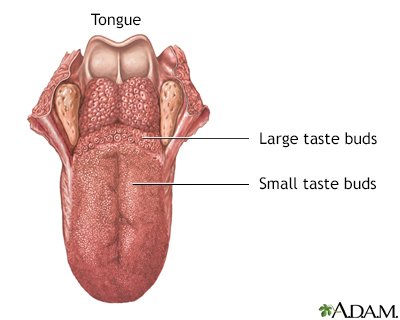
The back of the tongue is a complex zone packed with large taste buds, lymphoid tissue, and lingual tonsils, making it sensitive to a wide range of triggers.
In most cases the discomfort is temporary and harmless, but understanding the specific cause is important for finding the right relief.
Understanding the Anatomy of the Back of Your Tongue
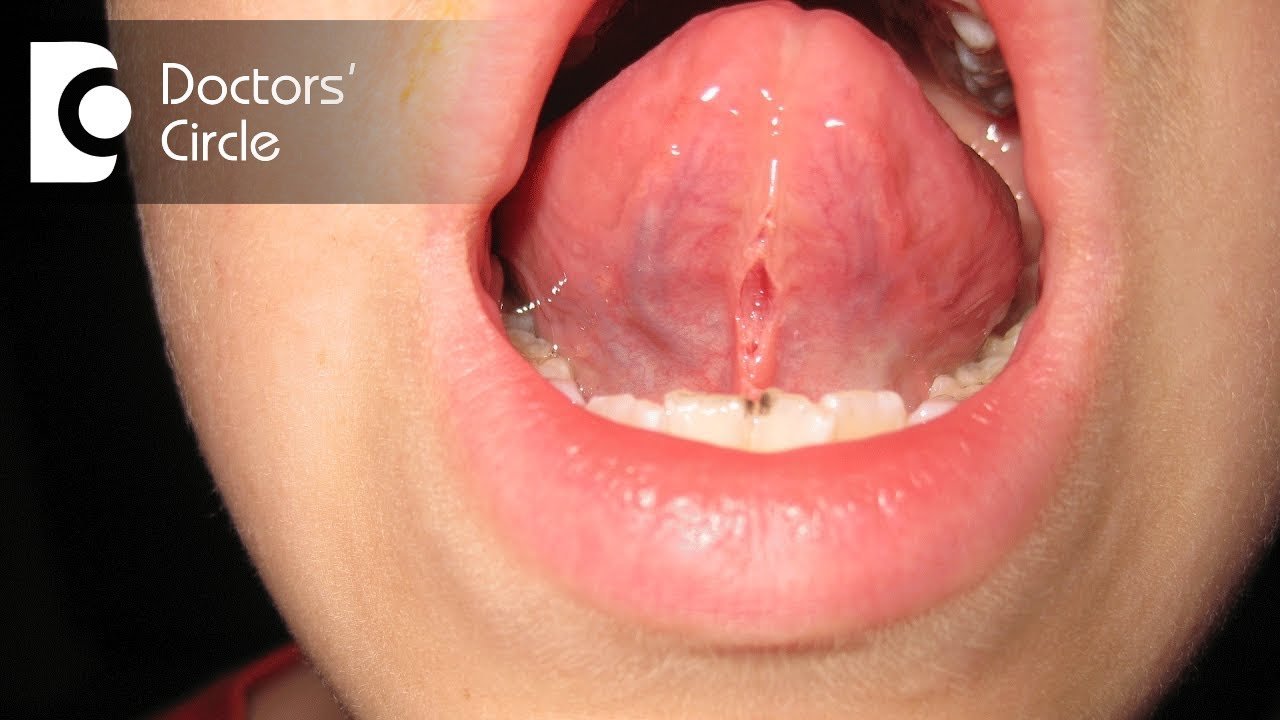
Before diving into causes, it helps to understand what sits at the back of the tongue and why this area is especially prone to pain.
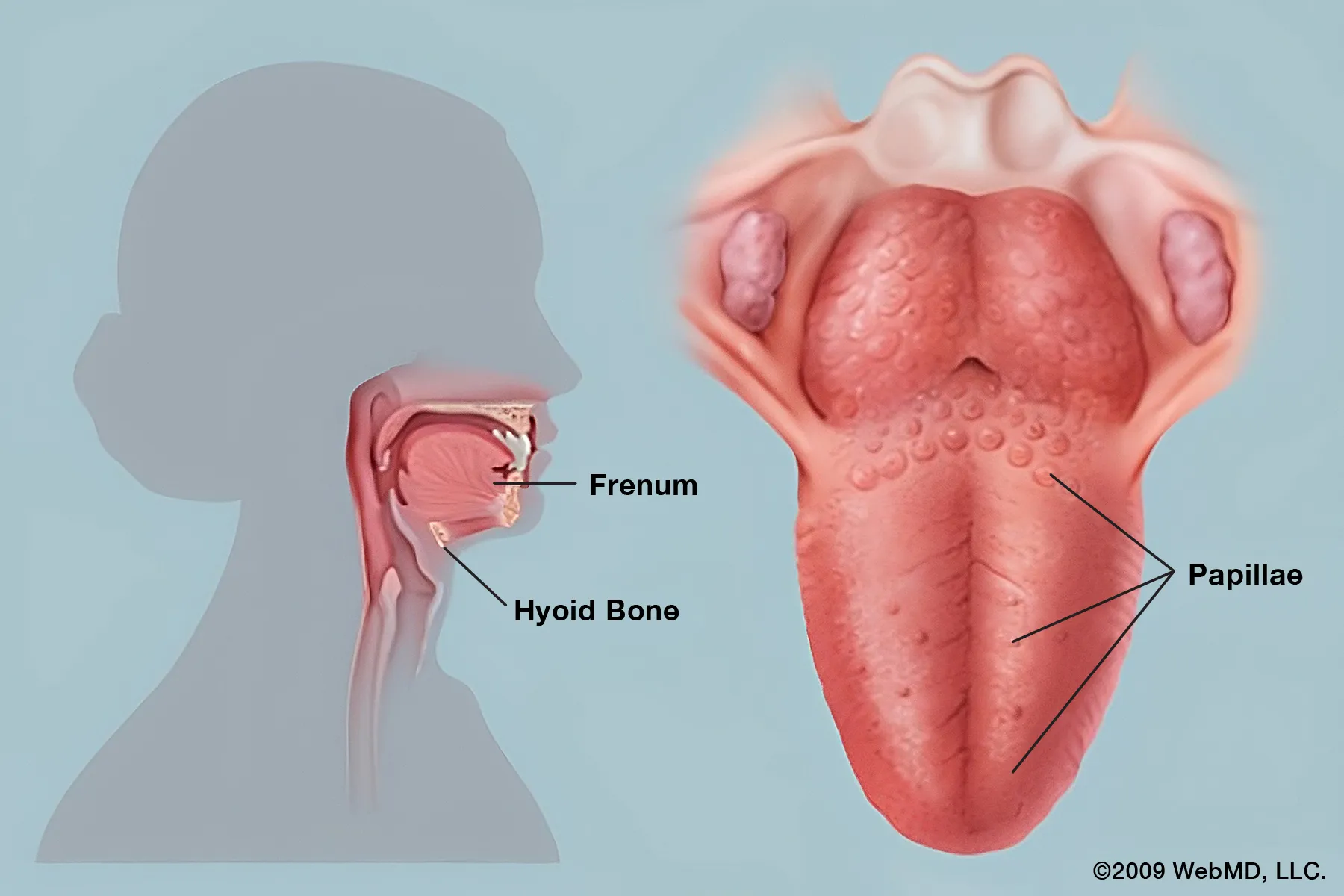
The base of the tongue contains circumvallate papillae, the largest taste buds in your mouth, which are arranged in a V-shaped row near the back. Each one is visible to the naked eye and contains thousands of taste receptor cells.
Behind those papillae sits a band of lymphoid tissue called the lingual tonsils. These are part of the immune system and can swell during infections, causing significant discomfort in the back of the tongue.
Why the Back of the Tongue Hurts More Than the Front
The back of the tongue reacts more intensely to certain triggers because it houses more nerve endings connected to the glossopharyngeal nerve, the ninth cranial nerve that supplies sensation to the throat, tongue, tonsils, and ear.
This means pain at the back of the tongue can sometimes radiate toward the ear or feel like a deep throat ache rather than a surface-level soreness.
It also means that triggers affecting the throat, such as acid reflux, infections, or nerve irritation, often register as back-of-tongue pain rather than throat pain alone.
Cause 1: Eating Hot, Spicy, or Acidic Foods
One of the most common reasons the back of your tongue hurts after eating is direct irritation from hot, spicy, or highly acidic food and drinks.
Very hot food scalds the delicate tissue at the base of the tongue, causing the circumvallate papillae to swell. The pain usually peaks within minutes of eating and fades over one to three days as the tissue heals.
Spicy foods containing capsaicin and acidic foods like citrus fruits, vinegar-based dressings, and carbonated drinks all chemically irritate the back of the tongue, triggering an inflammatory response that causes throbbing or burning pain specifically in that region.
Cause 2: Acid Reflux and GERD
Acid reflux, especially chronic gastroesophageal reflux disease (GERD) and its more severe variant laryngopharyngeal reflux (LPR), is a major and frequently overlooked cause of back-of-tongue pain after eating.
When stomach acid travels back up through the esophagus and reaches the throat and mouth, it burns the back of the tongue directly. Unlike typical heartburn, LPR often causes no chest burning at all, so the tongue pain may seem unexplained.
If your back-of-tongue pain consistently occurs after meals, worsens when you lie down, or is accompanied by a sour taste or the sensation of something stuck in the throat, acid reflux is likely the culprit.
Cause 3: Lingual Tonsillitis
The lingual tonsils sit just behind the back of the tongue and are directly involved in immune defense. When these tonsils become inflamed due to a bacterial or viral infection, the result is significant pain at the very base of the tongue.
Lingual tonsillitis is considered rarer than regular tonsillitis because most people think of tonsillitis as affecting only the palatine tonsils at the sides of the throat. However, lingual tonsil infections do occur and often cause pain that feels centered in the back of the tongue rather than the throat.
Symptoms include pain when swallowing, a sensation of something lodged at the back of the tongue, swollen tissue visible at the tongue’s base, and sometimes fever or difficulty speaking.
Cause 4: Strep Throat and Bacterial Infections
Strep throat, caused by Streptococcus pyogenes bacteria, typically causes a very sore throat but can also produce significant pain at the back of the tongue and base of the mouth.
The infection causes the tonsils, throat tissue, and posterior tongue to become inflamed and raw. Eating and swallowing become painful because every movement of the tongue contacts the inflamed tissue.
Strep throat requires antibiotic treatment. If your back-of-tongue pain is accompanied by a high fever, difficulty swallowing, visible white patches on the throat, or swollen glands under the jaw, a rapid strep test is the right next step.
Cause 5: Canker Sores on the Back of the Tongue
Canker sores, also called aphthous ulcers, can develop anywhere in the mouth including the back of the tongue, where they are often more painful than sores at the front because of constant contact with food and the soft palate.
These small, round, white or yellow ulcers with a red border are not contagious and not caused by herpes virus. They arise from a combination of stress, nutritional deficiencies, hormonal changes, or minor mouth trauma.
A canker sore at the back of the tongue makes eating particularly painful because the sore is pressed and rubbed with every swallow. They typically heal on their own within one to two weeks without treatment.
Cause 6: Inflamed Circumvallate Papillae
The large circumvallate papillae at the back of the tongue can become swollen and painful without any infection being present. This is sometimes called transient lingual papillitis when it affects the smaller papillae, but the large papillae at the back respond similarly to irritation.
Triggers include eating rough or scratchy foods, consuming very hot beverages, biting down on the back of the tongue accidentally, or consuming acidic foods that inflame the taste bud tissue directly.
The pain from inflamed circumvallate papillae is typically sharp, located specifically at the V-shaped row near the back, and resolves within a few days as the tissue calms down.
Cause 7: Oral Thrush Affecting the Back of the Tongue
Oral thrush is a fungal infection caused by an overgrowth of Candida albicans in the mouth. While it typically presents as white patches across the tongue and inner cheeks, it frequently affects the back of the tongue where the warm, moist environment supports fungal growth.
Thrush causes soreness and sensitivity that worsens with eating, particularly when consuming acidic, spicy, or textured foods that rub against the fungal patches.
Risk factors include recent antibiotic use, a weakened immune system, denture wearing, uncontrolled diabetes, and the use of inhaled corticosteroids. Treatment requires antifungal medication prescribed by a doctor or dentist.
Cause 8: Allergic Reactions to Food
Food allergies and oral allergy syndrome can trigger pain, tingling, and swelling specifically at the back of the tongue and throat within minutes of eating certain foods.
Tree nuts, shellfish, raw fruits, and certain vegetables are common triggers. The back of the tongue swells because that is where the food first contacts the immune-sensitive tissue of the lingual tonsils and circumvallate papillae.
Mild cases cause only discomfort that resolves quickly, but severe allergic reactions can cause the throat to close. If tongue swelling is accompanied by difficulty breathing or swallowing, seek emergency care immediately.
Cause 9: Glossopharyngeal Neuralgia
Glossopharyngeal neuralgia is a rare but serious nerve condition that causes sudden, severe, electric shock-like pain at the back of the tongue, throat, tonsil area, and sometimes the ear.
It is caused by irritation or compression of the ninth cranial nerve (the glossopharyngeal nerve), often by a blood vessel pressing against it. The pain episodes last seconds to a few minutes and can be triggered by chewing, swallowing, talking, yawning, or coughing.
This condition is significantly rarer than the other causes on this list, but it must be ruled out when back-of-tongue pain is sudden, severe, and stabbing rather than a dull ache or burning sensation.
Cause 10: Tonsil Stones at the Back of the Tongue
Tonsil stones (tonsilloliths) form in the crypts of tonsil tissue, including the lingual tonsils at the base of the tongue. These hardened deposits of bacteria, food debris, and dead cells can cause a persistent dull ache, pressure, or tenderness at the back of the tongue.
People with tonsil stones often also notice bad breath, a persistent sensation of something stuck in the throat, and occasionally a visible white or yellowish lump at the base of the tongue.
Acid reflux and poor oral hygiene both increase the likelihood of tonsil stone formation by creating conditions where debris accumulates more easily in the tonsillar tissue.
Cause 11: Vitamin and Nutritional Deficiencies
Low levels of vitamin B12, iron, zinc, and folate are well-documented causes of tongue pain, including soreness that concentrates at the back of the tongue where the largest papillae are located.
Deficiency-related tongue pain often comes with a smooth, red, or swollen appearance of the tongue, known medically as glossitis. The tongue becomes inflamed, and eating anything abrasive, acidic, or spicy intensifies the pain significantly.
A blood test can confirm which deficiency is present. Supplementation or dietary changes typically improve tongue symptoms over several weeks as the nutrient levels normalize.
Cause 12: Dry Mouth and Dehydration
Chronic dry mouth, known medically as xerostomia, leaves the back of the tongue without adequate saliva to lubricate and protect it. Eating becomes painful because food drags against unprotected tissue, especially at the back where the tissue is thicker and more complex.
Saliva normally creates a buffer that protects the tongue from acidic, spicy, and rough foods. Without it, even mild foods can irritate the back of the tongue during chewing and swallowing.
Medications that cause dry mouth as a side effect, including antihistamines, antidepressants, and diuretics, are a frequent underlying cause that is easy to overlook.
Cause 13: Post-Nasal Drip and Allergies
When the sinuses drain excess mucus down the back of the throat, a condition called post-nasal drip, the constant flow of mucus irritates the back of the tongue and throat continuously.
The drip causes irritation and inflammation in the lingual tonsil tissue and the back of the tongue, producing a persistent low-grade soreness that worsens after meals when swallowing increases movement in the area.
Seasonal allergies, dust sensitivity, and chronic sinus problems are common drivers of post-nasal drip related tongue pain. Treating the underlying sinus condition typically resolves the tongue symptoms.
Cause 14: Tongue Trauma from Sharp or Hard Foods
Eating hard chips, crusty bread, raw nuts, or other abrasive foods can physically scrape or cut the back of the tongue. This area is especially vulnerable because it contacts food last during chewing, often when the bite force is still substantial.
A tiny cut or abrasion at the back of the tongue creates a wound in one of the most constantly-used muscles in the body. Every swallow, sip, and word keeps the injury stimulated.
These minor traumas usually heal within a few days. In the meantime, avoiding sharp foods, rinsing with saltwater, and eating soft foods helps the tissue recover faster.
Cause 15: Smoking and Tobacco Use
Smoking and other forms of tobacco use cause persistent irritation and inflammation throughout the mouth, with the back of the tongue particularly affected because smoke and tobacco chemicals pool in the throat area during use.
Tobacco increases the risk of oral infections, reduces the tongue’s ability to heal minor injuries, and dries out saliva. All of these effects contribute to chronic back-of-tongue soreness after eating or drinking.
Tobacco use is also a significant risk factor for oral cancer, and a non-healing sore or persistent lump at the back of the tongue in a smoker must always be evaluated by a healthcare provider without delay.
Symptom Comparison Table
Understanding the pattern of your pain helps narrow down the cause significantly.
| Cause | Type of Pain | When It Starts | Other Symptoms |
|---|---|---|---|
| Hot food / burn | Sharp then aching | During or right after eating | Visible redness or swelling |
| Acid reflux / GERD | Burning, recurring | After meals or lying down | Sour taste, throat clearing |
| Lingual tonsillitis | Deep, aching | Constant, worsens when eating | Fever, swelling, difficulty swallowing |
| Strep throat | Severe, spreading | Constant | Fever, white patches, swollen glands |
| Canker sore | Sharp, localized | During eating | Visible ulcer with white center |
| Inflamed papillae | Sharp, specific point | During or after eating | No other symptoms |
| Oral thrush | Burning, widespread | During eating | White patches, altered taste |
| Food allergy | Tingling, swelling | Within minutes of eating | Swelling, itching, throat tightness |
| Glossopharyngeal neuralgia | Stabbing, electric | Triggered by swallowing | Ear pain, sudden episodes |
| Vitamin deficiency | Dull, widespread | Persistent | Smooth red tongue, fatigue |
Matching your symptoms to this table gives you a strong starting point for understanding what is happening and whether self-care or medical attention is the right next step.
Home Remedies That Actually Help
Most mild to moderate back-of-tongue pain after eating responds well to consistent home care. These remedies address irritation, inflammation, and bacterial overgrowth without requiring a prescription.
Saltwater Rinse
Dissolving half a teaspoon of plain salt into a glass of warm water and rinsing for 30 to 60 seconds is one of the most effective first-line treatments for back-of-tongue soreness.
Salt draws out excess fluid from inflamed tissue, reduces bacterial load in the mouth, and creates an environment that supports faster healing. Rinse two to three times daily, especially after meals.
This remedy is safe for daily use long-term and is particularly effective for canker sores, minor trauma, and post-eating irritation from spicy or acidic foods.
Cold Water and Ice
Cold provides natural numbing relief for inflamed tissue. Sipping cold water or allowing a small ice chip to melt at the back of the mouth reduces inflammation and provides temporary pain relief within seconds.
This is especially helpful after eating something that has burned or irritated the back of the tongue. The cold constricts blood vessels, reducing swelling in the circumvallate papillae and lingual tonsil tissue quickly.
Avoid very cold foods if your back-of-tongue pain is related to dental sensitivity, as extreme cold can worsen pain in some cases.
Honey
A small amount of raw honey applied to the affected area or dissolved in warm water coats the inflamed tissue and provides both antimicrobial and anti-inflammatory benefits.
Research supports honey’s ability to accelerate healing of oral ulcers and minor mouth injuries. It creates a protective film over the painful tissue that reduces the sting of acidic or spicy foods during the healing period.
Use medical-grade or raw honey for best results, and avoid giving honey to children under one year of age.
Baking Soda Rinse
A baking soda rinse neutralizes the acidic environment in the mouth that can worsen inflammation. Mix one teaspoon of baking soda into a glass of warm water and rinse gently for about 30 seconds.
This is particularly helpful when acid reflux has contributed to the back-of-tongue pain, as the alkaline rinse counteracts residual stomach acid coating the tongue and throat tissue.
Use this rinse up to twice daily during flare-ups. It is safe and inexpensive, making it a practical ongoing option for people prone to reflux-related tongue discomfort.
Over-the-Counter Pain Relief
Ibuprofen and acetaminophen both effectively reduce the pain and inflammation associated with back-of-tongue soreness. Ibuprofen has the added benefit of targeting inflammation directly, which is helpful for swollen papillae or lingual tonsil irritation.
Topical oral gels containing benzocaine or lidocaine provide localized numbing at the back of the tongue when applied carefully with a clean cotton swab. These are available at most pharmacies without a prescription.
Follow dosage instructions carefully and do not apply numbing gel directly before eating, as reduced sensation increases the risk of biting the tongue accidentally.
Staying Hydrated
Drinking adequate water throughout the day maintains saliva production, which is the tongue’s primary protective mechanism against irritation during eating.
Saliva lubricates food as it passes over the tongue, buffers acids, and washes bacteria from the surface of the circumvallate papillae and lingual tonsil tissue continuously. When saliva is low, every meal becomes a source of friction and discomfort.
Aim for at least eight glasses of water daily. Avoid alcohol and caffeine during healing periods as both contribute to oral dryness.
Dietary Changes That Reduce Back-of-Tongue Pain
What you eat has a direct and immediate impact on back-of-tongue pain, especially in the days after the pain first develops.
| Foods to Avoid | Foods That Help |
|---|---|
| Very hot foods and drinks | Cool or room-temperature water |
| Spicy dishes, hot sauces, chili | Yogurt and soft dairy |
| Citrus fruits and juices | Cooked vegetables, mashed potatoes |
| Vinegar-based dressings | Oatmeal, rice, soft grains |
| Hard chips, crusty bread, raw nuts | Bananas, avocado, soft fruits |
| Alcohol and carbonated drinks | Herbal teas (cooled), honey water |
| Tomato-based sauces | Broths and soups (not too hot) |
Sticking to a soft, non-irritating diet for two to four days allows inflamed tissue at the back of the tongue to recover without being re-aggravated at every meal.
When to See a Doctor
Most back-of-tongue pain resolves on its own within a few days to two weeks with proper home care. However, certain signs indicate that professional evaluation is needed without delay.
See a doctor or dentist if the pain has lasted more than two weeks without improvement, if there is visible swelling, pus, or a lump at the back of the tongue that was not there before, or if eating and swallowing have become significantly difficult.
Seek urgent care if back-of-tongue pain is accompanied by facial swelling or swollen lymph nodes, if you have a high fever alongside the tongue pain, if the pain is sudden and stabbing like an electric shock, or if any throat swelling is making breathing feel restricted.
A persistent sore, ulcer, or thickened patch at the back of the tongue that does not heal within two to three weeks must be evaluated to rule out oral cancer, particularly if you smoke or drink alcohol regularly.
Medical Treatments Available
When home remedies are not sufficient, several medical treatments effectively address back-of-tongue pain depending on the underlying cause.
Antifungal medications such as Nystatin oral suspension or Clotrimazole troches are prescribed for oral thrush. Antibiotics are used for bacterial infections including strep throat and lingual tonsillitis.
For acid reflux, proton pump inhibitors or H2 blockers significantly reduce the acid load reaching the tongue and throat. For glossopharyngeal neuralgia, antiseizure medications like carbamazepine are the first-line pharmacological treatment, with surgical microvascular decompression reserved for cases that do not respond to medication.
Nutritional deficiencies are treated with targeted supplementation under a doctor’s guidance after blood work confirms which levels are low.
Preventing Back-of-Tongue Pain After Eating
Prevention is significantly more comfortable than treatment. Building a few habits into your daily routine dramatically reduces the frequency of back-of-tongue pain episodes.
Brush your teeth and tongue twice daily using a soft-bristled brush. Follow with a tongue scraper to remove bacteria and debris before they accumulate near the circumvallate papillae and lingual tonsils.
Let hot food and drinks cool for a few minutes before eating. Identify your personal food triggers, whether that is citrus, spice, vinegar, or something else, and limit them during periods of tongue sensitivity.
If you take medications that cause dry mouth, discuss this with your prescribing doctor. Saliva substitutes, increased water intake, and sugar-free gum can all help maintain oral moisture and protect the tongue surface.
Back-of-Tongue Pain in Children
Children frequently experience back-of-tongue pain because they are more prone to viral throat infections, hand-foot-and-mouth disease, and strep throat, all of which inflame the back of the tongue as well as the throat.
In children, a sore back of the tongue accompanied by fever, difficulty eating, or visible swelling at the base of the tongue should be evaluated by a pediatrician promptly. Bacterial infections in children require antibiotics rather than watchful waiting.
Encouraging children to drink cool water, eat soft foods, and avoid acidic drinks during recovery helps the tongue heal faster and makes the recovery period more comfortable.
Difference Between Back-of-Tongue Pain and Throat Pain
Many people struggle to distinguish between pain originating at the back of the tongue versus pain coming from the throat. The distinction matters because the causes can be different.
Back-of-tongue pain tends to be felt at the very base of the tongue, particularly during tongue movement while chewing or speaking. It may be accompanied by a visible swelling or bump at the tongue’s base.
Throat pain typically feels deeper, situated below the tongue, and is most noticeable when swallowing saliva or liquid. However, because the glossopharyngeal nerve connects both areas, pain often overlaps and can radiate between the two.
Frequently Asked Questions (FAQs)
Why does the back of my tongue hurt after eating spicy food?
Spicy food contains capsaicin, which chemically irritates the large circumvallate papillae at the back of the tongue. The inflammation causes a burning ache that usually fades within a day or two.
Can acid reflux cause back-of-tongue pain?
Yes. Stomach acid that travels up to the mouth, especially with laryngopharyngeal reflux, directly burns the back of the tongue. The pain often worsens after meals or when lying flat.
What are the large bumps on the back of my tongue and why do they hurt?
Those are circumvallate papillae, your largest taste buds. They can become swollen and painful from hot food, acidic drinks, infections, or physical irritation, and usually settle within a few days.
How do I know if it is lingual tonsillitis?
Lingual tonsillitis causes deep aching pain at the very base of the tongue, difficulty swallowing, visible swelling at the tongue’s rear, and often fever. It may require antibiotic treatment, so a doctor visit is recommended.
Can a vitamin deficiency cause back-of-tongue pain?
Yes. Deficiencies in B12, iron, zinc, and folate cause glossitis, an inflammation of the tongue that produces soreness concentrated where the papillae are largest, at the back. A blood test confirms the deficiency.
When should I be worried about pain at the back of my tongue?
Seek evaluation if the pain lasts more than two weeks, is accompanied by a lump, does not heal, or occurs with difficulty breathing, swallowing, or speaking. These signs need professional assessment to rule out serious conditions.
Can dry mouth cause back-of-tongue pain after eating?
Yes. Without enough saliva to lubricate the tongue, every meal causes friction and irritation at the back of the tongue. Medications, dehydration, and autoimmune conditions are common causes of dry mouth.
Is back-of-tongue pain ever a sign of nerve damage?
Yes. Glossopharyngeal neuralgia causes sudden stabbing pain at the back of the tongue triggered by swallowing, chewing, or talking. The pain is typically described as electric shock-like and lasts seconds to minutes.
What home remedy works fastest for back-of-tongue pain?
A saltwater rinse combined with sipping cold water offers the fastest combination of antimicrobial and numbing relief. Using both together two to three times daily provides consistent symptom management.
Can strep throat cause pain specifically at the back of the tongue?
Yes. Strep throat inflames the entire back of the mouth including the posterior tongue, tonsils, and throat. If you also have fever, white patches, or swollen glands, a rapid strep test is the right next step.
Conclusion
Why does the back of my tongue hurt after eating has more answers than most people expect, ranging from something as simple as a hot meal or a spicy sauce to conditions like acid reflux, lingual tonsillitis, nutritional deficiencies, or nerve-related pain.
The back of the tongue is one of the most complex, sensitive, and frequently stimulated parts of the mouth, which is exactly why pain there can feel so disruptive and hard to ignore.
In the majority of cases, the cause is benign and clears up within a few days with simple home care like saltwater rinses, cold water, soft foods, and proper hydration.
However, pain that persists beyond two weeks, arrives with fever or swelling, or feels like a sudden electric shock deserves professional attention without delay.
Knowing your symptoms, identifying your triggers, and maintaining good daily oral hygiene puts you well ahead of most recurring back-of-tongue problems before they have the chance to develop.


