

A jaw that suddenly gets stuck open or closed is unsettling, and if you’re asking, “why does my jaw lock,” you’re not alone. This is one of the most common symptoms of temporomandibular joint (TMJ) dysfunction.
Why Does My Jaw Lock
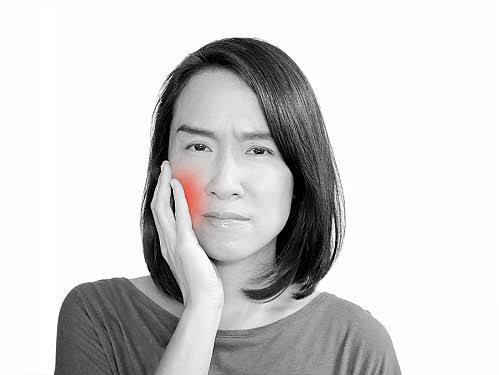

Jaw locking is usually caused by a displaced disc inside the temporomandibular joint (TMJ), muscle tension from stress or teeth grinding, or joint wear from arthritis. Most cases are treatable with conservative care, though persistent locking should be evaluated by a dentist or TMJ specialist.
Understanding the TMJ
Knowing how the joint works makes it easier to understand why locking happens.
What Is the TMJ?
The temporomandibular joint connects your lower jaw to your skull, just in front of each ear. It acts as both a hinge and a sliding joint, allowing you to talk, chew, and yawn.
The Role of the Articular Disc
A small cartilage disc sits between the joint bones, cushioning movement. When this disc shifts out of position, it can block smooth motion and cause the jaw to lock.
Common Causes of Jaw Locking
Several underlying issues can lead to a jaw that gets stuck.
1. Disc Displacement
This is one of the most frequent causes of jaw locking. The disc shifts out of its normal position, and the jaw may click, pop, or become physically stuck when opening or closing.
2. Muscle Tension or Spasm
Stress, clenching, or overuse of the jaw muscles can cause tightness that restricts movement. This often comes with soreness in the temples, ears, or neck.
3. Teeth Grinding (Bruxism)
Chronic grinding, especially during sleep, places repeated stress on the TMJ and its supporting muscles, increasing the risk of locking episodes over time.
4. TMJ Arthritis
Osteoarthritis or rheumatoid arthritis can wear down the joint’s cartilage, leading to stiffness, clicking, and eventual locking as the joint surfaces degrade.
5. Jaw Injury or Trauma
A direct blow to the jaw, or even a wide yawn under strain, can damage the joint structures and trigger sudden locking.
6. Joint Misalignment (Malocclusion)
An uneven bite can place uneven pressure on the TMJ, gradually contributing to joint instability and locking episodes.
7. Opening the Mouth Too Wide
A single wide yawn or bite can occasionally displace the disc temporarily, especially in a joint that’s already vulnerable.
Open Lock vs Closed Lock
Not all jaw locking looks the same. Understanding the type helps guide treatment.
| Type | What Happens | Common Cause |
|---|---|---|
| Closed lock | Difficulty opening the mouth fully | Disc displacement without full return |
| Open lock | Jaw stuck open, unable to close | Disc or muscle catching during wide opening |
Symptoms That Often Come With Jaw Locking


Jaw locking rarely shows up completely on its own.
- Clicking or popping when moving the jaw
- Pain near the ears, temples, or jaw joint
- Difficulty chewing or fully opening the mouth
- Morning jaw soreness or stiffness
- Pain that spreads to the neck or shoulders
When to See a Doctor or Dentist
Occasional mild locking that resolves quickly isn’t usually an emergency, but some signs call for professional evaluation.
Signs You Shouldn’t Ignore
- Locking episodes that happen frequently
- Jaw that stays stuck for more than a few minutes
- Severe pain or visible swelling
- Locking following an injury or trauma
- Locking accompanied by difficulty breathing or swallowing
If any of these apply, seek evaluation from a dentist, TMJ specialist, or doctor.
How to Relieve a Locked Jaw
These steps can help ease mild locking episodes and reduce future occurrences.
Relax and Apply Gentle Pressure
Staying calm and gently moving the jaw side to side can sometimes help the disc slip back into position.
Use Heat or Ice
Moist heat helps relax tight muscles, while ice can reduce sharp, sudden pain or swelling.
Stick to a Soft Diet Temporarily
Avoiding hard or chewy foods reduces strain on the joint while it recovers.
Practice Gentle Jaw Exercises
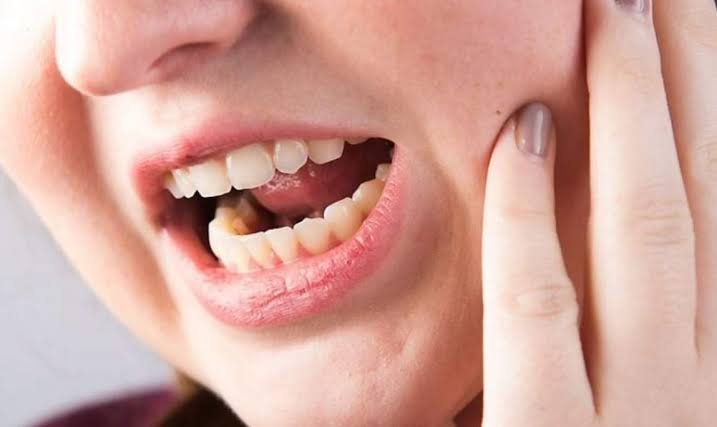

Guided stretching and opening exercises, often recommended by a physical therapist, can improve joint mobility over time.
Address Teeth Grinding
A custom night guard can reduce the pressure placed on the TMJ during sleep.
Manage Stress
Since stress-related clenching is a major contributor, relaxation techniques can meaningfully reduce locking episodes.
Mistakes to Avoid
- Forcing the jaw open or closed instead of relaxing it
- Ignoring frequent locking episodes as “normal”
- Chewing hard or sticky foods during a flare-up
- Skipping a professional evaluation after jaw trauma
- Assuming locking will resolve without addressing grinding or clenching habits
Also Read:
- Why Does My Gum Hurt When I Touch It? Causes & Relief
- Why Is My Tongue Itchy? Common Causes & Treatments
- Why Are MRIs So Expensive? The Real Cost Explained
- How Cashless Health Insurance Is Transforming Patient Experience
- Dr. L Barbara Robinson on What Patients Should Understand Before Choosing Robotic Heart Surgery
- How Peptides Are Changing the Science of Bodybuilding Research
- How the Best Personal Training Studios in Singapore Use Data
- How Care Patterns Help During Steps to Report Suspected Nursing Home Abuse
- From Hair Care Idea To Business: How Bo International Supports Startup Brands
- Portable Space Heaters vs Fan Heaters: Pros and Cons
- How Insurance Responses Can Affect a Houston, TX Auto Accident Claim
- The Investigation Steps a Premises Liability Lawyer May Take After an Injury
- Does Being a Loan Guarantor Affect Your CIBIL Score
- Do You Need Legal Help After a Truck Accident? Here’s What to Know
- Employee Rights and Legal Remedies in Whistleblower Retaliation Cases
- 430+ Trendy Roblox Username Ideas for Boys & Girls
- 1000+ Trendy Instagram Usernames Ideas for Girls
- Letflix Review – Features, How It Works and Safe to Use?
- Download Gayatri Mantra Best Ringtone Mp3/M4R
- Grand Theft Auto: San Andreas – Theme Song Download
- Download Mission Impossible – Original Theme Song
- Randy Orton – Voices WWE Theme Song Download
- Lorde – Liability (Instrumental)
- Mac Miller – Diablo (Instrumental)
- David Guetta – Lovers On The Sun (Instrumental)

Frequently Asked Questions (FAQs)
Why does my jaw lock when I yawn?
A wide yawn can temporarily displace the joint’s disc, especially if the TMJ is already weakened by grinding or past injury.
Is a locking jaw the same as lockjaw from tetanus?
No. TMJ-related locking is a joint and muscle issue, while tetanus-related lockjaw is caused by a bacterial infection and is a medical emergency.
Can stress alone cause my jaw to lock?
Yes. Stress often leads to unconscious clenching, which strains the jaw muscles and joint, increasing the risk of locking.
How long does a jaw locking episode usually last?
It varies. Some episodes resolve within minutes, while others require professional treatment to fully release.
Can I pop my jaw back into place myself?
Gentle relaxation and side-to-side movement may help mild cases, but forcing the jaw can cause further injury.
Is jaw locking a sign of TMJ disorder?
Yes. Locking is one of the hallmark symptoms of temporomandibular joint disorders (TMD).
Can teeth grinding at night cause jaw locking during the day?
Yes. Nighttime grinding places ongoing stress on the joint, which can lead to locking episodes even hours later.
Should I see a dentist or a doctor for a locking jaw?
Either can help, though many dentists specialize in TMJ disorders and are often a good first step for evaluation.
Can jaw locking get worse if untreated?
Yes. Repeated locking can lead to increased joint wear and more frequent or severe episodes over time.
Is heat or ice better for a locked jaw?
Ice works best for sudden, sharp pain, while heat is better for ongoing stiffness and muscle tension.
Can a night guard help stop jaw locking?
Yes, especially if grinding or clenching is a contributing factor, since it reduces pressure on the joint during sleep.
Does arthritis cause jaw locking?
Yes. Osteoarthritis and rheumatoid arthritis can wear down joint cartilage, leading to stiffness and locking episodes.
Can a jaw injury cause locking months later?
Yes. Past trauma can weaken the joint structure, making locking more likely to develop over time.
Is surgery ever needed for a locked jaw?
In severe or persistent cases that don’t respond to conservative treatment, surgical options may be considered by a specialist.
Can sleep apnea contribute to jaw locking?
Yes. The jaw clenching that sometimes occurs before apnea events can place extra stress on the TMJ.
Why does my jaw lock only on one side?
One-sided locking often points to localized disc displacement or muscle tension isolated to that side of the joint.
Can physical therapy help with jaw locking?
Yes. Guided jaw exercises and stretches can improve mobility and reduce the frequency of locking episodes.
Is it normal for my jaw to click without locking?
Occasional clicking without pain or locking is common and not always a cause for concern.
Can anxiety make jaw locking worse?
Yes. Anxiety often increases muscle tension and clenching, which can directly contribute to locking episodes.
When is jaw locking considered an emergency?
If the jaw stays locked for an extended period, or locking follows trauma with severe pain or swelling, seek prompt medical care.
Conclusion
Jaw locking is most often linked to TMJ dysfunction, whether from disc displacement, muscle tension, grinding, or joint wear. Most cases respond well to conservative treatment like rest, heat, gentle exercises, and stress management.
If locking episodes become frequent, painful, or long-lasting, it’s worth getting evaluated by a dentist or TMJ specialist to prevent further joint damage.