

An itchy foot can go from a minor annoyance to something you can’t stop thinking about. It’s especially frustrating when there’s no rash, no bite mark, and no obvious reason for it.
If you keep asking yourself why does my foot itch, you’re dealing with one of the most common skin complaints people search for. The cause can range from something as simple as dry skin to something that needs medical attention.
Why Does My Foot Itch?
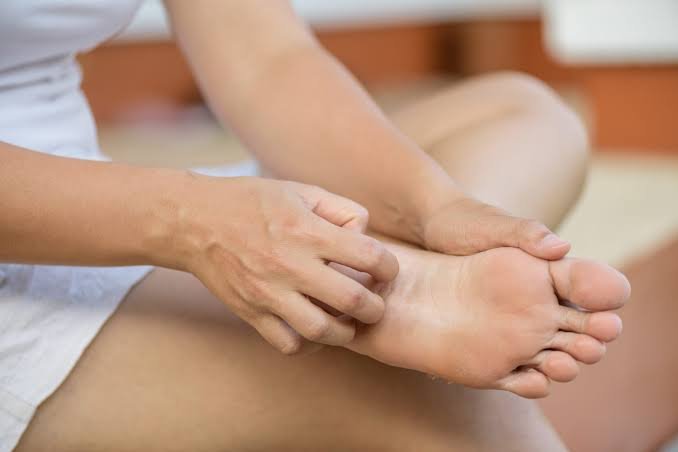

Foot itching is usually caused by dry skin, athlete’s foot, contact dermatitis, or insect bites. Less commonly, it can point to eczema, psoriasis, poor circulation, or a nerve-related condition like neuropathy.
What Causes Itchy Feet
Itchy feet happen when nerve endings in the skin get irritated. This irritation can come from outside triggers like sweat and allergens, or from internal issues like nerve damage or disease.
Your feet are especially prone to this because they spend hours enclosed in socks and shoes. That warm, closed environment sets the stage for several common triggers.
Common Reasons Your Foot Itches
Dry Skin
Dry skin is one of the simplest and most common causes of itchy feet. Long hot showers, harsh soap, and cold weather all strip moisture from the skin.
Once skin gets dry enough, it can crack. That irritates nerve endings and triggers the itch.
Athlete’s Foot
Athlete’s foot is a fungal infection that thrives in warm, moist environments. Sweaty shoes, locker rooms, and public showers are common places to pick it up.
It usually starts between the toes and can spread if left untreated. Redness, peeling, and a burning sensation often come with the itch.
Contact Dermatitis
Contact dermatitis happens when your skin reacts to something it touches. Soaps, detergents, or even the material of your shoes can trigger it.
This reaction causes inflammation, redness, and itching. Symptoms often get worse the longer the exposure continues.
Eczema or Psoriasis
Both eczema and psoriasis can appear as red, scaly, inflamed patches on the feet. These conditions are chronic and tend to flare up periodically.
Psoriasis can also affect the toenails, causing pitting or discoloration. Stress, infections, and certain medications are known triggers for flare-ups.
Insect Bites
Bug bites are an easy-to-miss cause of sudden foot itching. Mosquitoes, fleas, and other insects can leave small, itchy welts.
These bites are usually harmless but can be intensely itchy for a day or two. Multiple bites in one area are a common giveaway.
Allergic Reactions


Certain fabrics, dyes, or laundry products can trigger an allergic response on the skin of your feet. This often shows up as redness and itching in the exact shape of what touched the skin.
Switching socks, shoes, or detergent is usually enough to confirm this cause.
Poor Circulation
Reduced blood flow to the feet can sometimes cause itching, especially in colder weather. This is more common in people with diabetes or vascular conditions.
Itching from circulation issues often comes with other signs like coldness or color changes in the skin.
Nerve Issues (Neuropathy)
Peripheral neuropathy happens when nerves in the feet are damaged or slowly deteriorating. Diabetes, alcohol use, and certain toxins are common causes.
Unlike skin-based itching, neuropathy-related itching often occurs without any visible rash. It can feel like tingling, burning, or crawling under the skin.
Systemic Health Conditions
In some cases, itchy feet are connected to conditions elsewhere in the body. Thyroid problems, kidney disease, and liver issues have all been linked to persistent skin itching.
This type of itching is usually widespread rather than limited to one small area.
Itchy Feet Without a Rash: What It Means
Itching without any visible skin changes can be confusing. When there’s no redness or bumps, the itch may not be coming from the skin surface at all.
Nerve sensitivity, internal dryness, and circulation issues are common explanations. This type of itching is worth mentioning to a doctor if it doesn’t resolve.
Common Triggers and What Helps
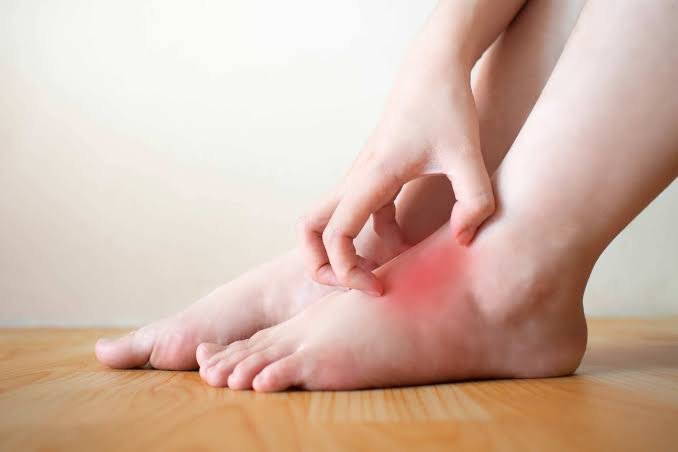
| Cause | Key Signs | What Helps |
|---|---|---|
| Dry skin | Flaking, cracking, tightness | Moisturize daily, avoid hot showers |
| Athlete’s foot | Redness, peeling between toes | Antifungal cream, keep feet dry |
| Contact dermatitis | Redness where skin touched a trigger | Identify and remove the irritant |
| Eczema or psoriasis | Scaly, inflamed patches | Steroid creams, dermatologist care |
| Insect bites | Small raised welts | Anti-itch cream, avoid scratching |
| Neuropathy | Itching without a rash | Manage underlying condition, see a doctor |
| Poor circulation | Cold, discolored skin | Improve circulation, medical evaluation |
How to Relieve Itchy Feet at Home
Keep Feet Clean and Dry
Wash your feet daily and dry them thoroughly, especially between the toes. Moisture left behind is one of the biggest triggers for fungal growth.
Moisturize Regularly
Apply a fragrance-free moisturizer after washing to lock in hydration. This is especially helpful if dry skin is the main cause.
Switch to Breathable Socks
Socks made from natural fibers like cotton help feet stay dry. Avoid tight, synthetic materials that trap sweat.
Avoid Scratching
Scratching gives temporary relief but often makes the underlying problem worse. It can break the skin and lead to infection.
Use Over-the-Counter Antifungal Cream
If athlete’s foot is suspected, an antifungal cream is usually the first line of treatment. Consistent use for the full recommended period matters more than frequency.
Identify and Remove Irritants
If a new soap, detergent, or pair of shoes lines up with when the itching started, that’s likely the trigger. Removing it often resolves symptoms within days.
When to See a Doctor
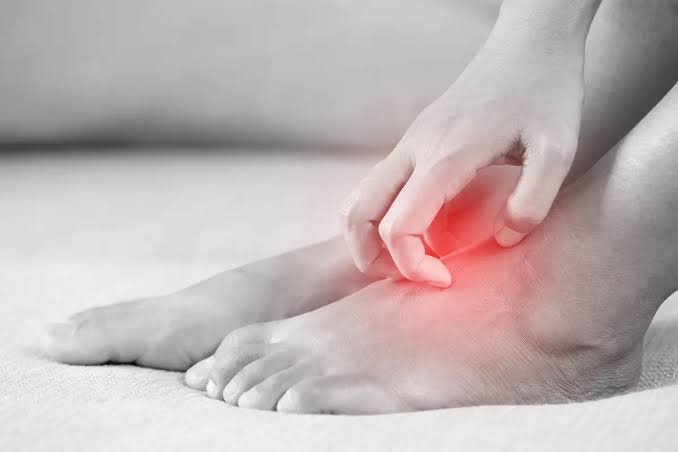
Most itchy feet clear up with basic home care. But some situations call for a professional evaluation.
- Itching lasts more than two weeks despite treatment
- Signs of infection like swelling, warmth, or pus
- Itching with no visible rash that persists
- Known diabetes or circulation problems
- Itching spreading to other parts of the body
A podiatrist or dermatologist can pinpoint the exact cause and rule out anything more serious.
Mistakes That Make Itchy Feet Worse
- Scratching aggressively instead of treating the cause
- Wearing the same damp socks or shoes repeatedly
- Using harsh soaps that strip natural oils
- Ignoring symptoms that don’t improve after a week
- Self-treating a suspected infection without antifungal medication
Key Takeaways
- Dry skin and athlete’s foot are the two most common causes of itchy feet.
- Itching without a rash may point to nerve, circulation, or internal health issues.
- Keeping feet clean, dry, and moisturized prevents most everyday cases.
- Persistent or spreading itching deserves a proper diagnosis.
- Scratching feels good short-term but usually worsens the underlying cause.
Also Read:
- From Hair Care Idea To Business: How Bo International Supports Startup Brands
- Portable Space Heaters vs Fan Heaters: Pros and Cons
- How Care Patterns Help During Steps to Report Suspected Nursing Home Abuse
- How Insurance Responses Can Affect a Houston, TX Auto Accident Claim
- Download Gayatri Mantra Best Ringtone Mp3/M4R
- Grand Theft Auto: San Andreas – Theme Song Download
- Download Mission Impossible – Original Theme Song
- Randy Orton – Voices WWE Theme Song Download
- 430+ Trendy Roblox Username Ideas for Boys & Girls
- 1000+ Trendy Instagram Usernames Ideas for Girls
- Letflix Review – Features, How It Works and Safe to Use?
- The Investigation Steps a Premises Liability Lawyer May Take After an Injury
- Does Being a Loan Guarantor Affect Your CIBIL Score
- Do You Need Legal Help After a Truck Accident? Here’s What to Know
- Employee Rights and Legal Remedies in Whistleblower Retaliation Cases
- Lorde – Liability (Instrumental)
- The LOX – Ignorant (Instrumental)
- Dae Dae – Spend It (Instrumental)
- Mac Miller – Diablo (Instrumental)
- How Peptides Are Changing the Science of Bodybuilding Research
- How Cashless Health Insurance Is Transforming Patient Experience
- Why Is My Tongue Itchy? Common Causes & Treatments
- Why Are MRIs So Expensive? The Real Cost Explained
- Why Does My Gum Hurt When I Touch It? Causes & Relief
- Why Do My Feet Burn at Night? 9 Possible Causes
Frequently Asked Questions (FAQs)
Why does my foot itch with no rash or bug bite?
This often points to dry skin beneath the surface, nerve sensitivity, or a circulation issue. If it persists, a doctor can help identify the exact cause.
Is itchy feet a sign of diabetes?
Yes, persistent itching, especially without a rash, can be linked to diabetic neuropathy. It’s worth mentioning to your doctor if you have risk factors.
Why do my feet itch more at night?
Nighttime itching is often linked to increased blood flow to the skin and fewer distractions to ignore it. Dermatitis and fungal infections also tend to feel worse in the evening.
Can dry skin alone cause severe itching?
Yes, very dry, cracked skin can trigger intense itching as nerve endings become irritated. Regular moisturizing usually resolves this within days.
How do I know if it’s athlete’s foot or just dry skin?
Athlete’s foot usually starts between the toes with redness, peeling, or a burning feeling. Dry skin tends to be more widespread and flaky without that burning quality.
Can stress cause itchy feet?
Yes, stress is a known trigger for flare-ups of eczema and psoriasis. It can also worsen itching indirectly by increasing scratching behavior.
Why does only one foot itch and not the other?
Localized itching in one foot is usually linked to a specific contact irritant, injury, or fungal infection on that side. Systemic causes tend to affect both feet equally.
Can shoes cause itchy feet?
Yes, certain shoe materials, dyes, or trapped sweat can trigger contact dermatitis. Switching to breathable shoes often resolves the issue.
Is it normal for feet to itch after a shower?
Mild itching after a hot shower is common due to temporary dryness. Frequent hot showers can worsen this over time, so lukewarm water is better.
When should I worry about itchy feet?
You should get it checked if the itching lasts more than two weeks, spreads, or comes with signs of infection. Itching without a rash that doesn’t improve also warrants a visit.
Can allergies cause itchy feet?
Yes, allergic reactions to soap, detergent, or fabric can cause localized itching. Removing the suspected trigger usually confirms the cause.
Does poor circulation cause itchy feet?
Yes, reduced blood flow can cause itching, often along with coldness or skin color changes. This is more common in people with vascular conditions.
Can itchy feet be a sign of liver or kidney problems?
In some cases, yes, systemic itching has been linked to liver and kidney conditions. This type of itching is usually widespread rather than limited to the feet.
What cream is best for itchy feet?
A fragrance-free moisturizer works well for dry skin, while antifungal cream targets athlete’s foot. A steroid cream may be needed for eczema or dermatitis, ideally under medical guidance.
Can wearing socks all day cause itchy feet?
Yes, socks that trap moisture create a warm, damp environment where fungus thrives. Changing socks during the day can help prevent this.
Why do my feet itch after swimming?
Chlorine and prolonged water exposure can dry out and irritate the skin. Public pools are also a common place to pick up fungal infections.
Is scratching itchy feet harmful?
Yes, scratching can break the skin and lead to infection, especially with fungal or eczema-related itching. It also tends to intensify the itch-scratch cycle.
Can pregnancy cause itchy feet?
Yes, hormonal changes and fluid retention during pregnancy can lead to itchy skin, including the feet. Severe itching during pregnancy should always be reported to a doctor.
How long does athlete’s foot itching last?
With consistent antifungal treatment, symptoms often improve within one to two weeks. Stopping treatment too early can cause the infection to return.
Can cold weather cause itchy feet?
Yes, cold air and indoor heating both reduce humidity and dry out the skin. Moisturizing more frequently in winter helps prevent this.
Conclusion
Most cases of itchy feet come down to something manageable, like dry skin, athlete’s foot, or a reaction to something your feet touched. Simple changes like moisturizing, keeping feet dry, and switching out irritating products solve the majority of cases.
If the itching sticks around, spreads, or shows up without any visible rash, it’s worth getting checked by a doctor. That’s the fastest way to rule out nerve, circulation, or internal health issues and get lasting relief.