


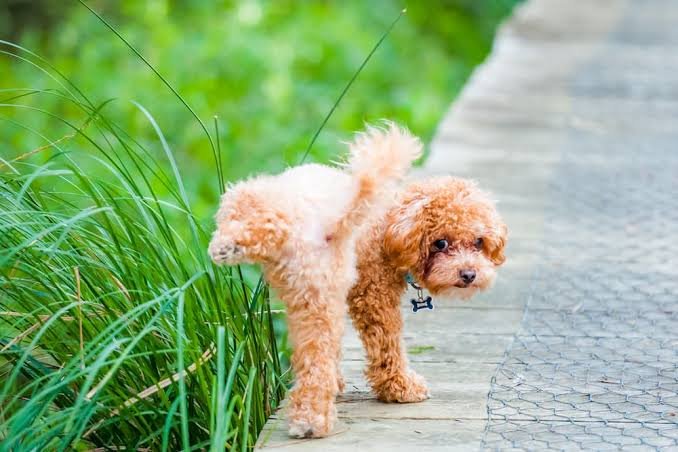
Why does my dog’s pee smell so bad? If you’ve caught a sudden, sharp, or ammonia-like odor coming from your dog’s urine, it’s a signal worth paying attention to rather than ignoring. A healthy dog’s urine has a mild smell that fades quickly and doesn’t linger in the air.
When that smell turns strong, sour, or overwhelming, it usually points to something specific, ranging from simple dehydration to a urinary tract infection or a more serious underlying condition.
Quick Answer: Top Causes of Smelly Dog Urine
Before going in depth, here’s a fast overview. Most cases fall into one of four categories.
| Category | Common Cause | Needs a Vet? |
|---|---|---|
| Infection | Urinary tract infection (UTI) | Yes |
| Infection | Bladder stones | Yes |
| Medical | Kidney disease | Yes |
| Medical | Diabetes mellitus | Yes |
| Hydration | Dehydration or concentrated urine | Sometimes |
| Diet | Recent food change or high-protein diet | No |
| Confusion | Anal gland leakage mistaken for urine smell | Sometimes |
If the smell is sudden, strong, and paired with other symptoms, treat it as a reason to book a vet visit rather than wait it out.
Urinary Tract Infection (UTI): The Most Common Cause
A UTI is the single most common reason behind foul-smelling dog urine, and it’s usually the first thing a vet will check for.
How a UTI Causes Odor
UTIs happen when bacteria travel up the urethra and into the bladder, where they multiply and irritate the bladder lining.
As bacteria break down compounds in the urine, they release a strong, unpleasant smell that’s often described as sharp or foul.
Signs Your Dog May Have a UTI
Along with the odor, watch for frequent urination, straining, cloudy or bloody urine, and a stronger urge to pee even with little output.
Some dogs also lick their genital area more often or seem uncomfortable and restless when trying to urinate.
Why UTIs Need Veterinary Treatment
Left untreated, a UTI can spread to the kidneys and become a much more serious and painful condition.
Most UTIs are treated with a course of antibiotics after a vet confirms the diagnosis with a simple urine test.
Bladder Stones
Bladder stones sometimes develop alongside or instead of a UTI, and they carry their own set of complications.
Stones can irritate the bladder lining, leading to inflammation, blood in the urine, and a stronger odor similar to what’s seen with infections.
If your dog strains to urinate, produces only small amounts, or seems to be in pain, bladder stones should be on the list of possibilities your vet checks.
Kidney Disease
Kidney disease shares many symptoms with a UTI, which is why diagnosing the two often follows a similar process.
How Kidney Disease Affects Urine Smell
When kidneys aren’t filtering waste properly, urine can become more concentrated or carry a stronger ammonia-like smell than usual.
Increased thirst and urination often accompany kidney issues, since the body tries to flush out toxins it can no longer filter efficiently.
Diagnosing Kidney Disease
Your vet will likely recommend a urinalysis along with bloodwork to check kidney function markers and rule out other causes.
Additional imaging, like an ultrasound, and a prescription diet may follow depending on how advanced the condition is.
Diabetes Mellitus
Diabetes is another medical condition that can change how a dog’s urine smells and behaves.
Dogs with unmanaged diabetes may have sweet-smelling urine due to excess sugar, or in advanced cases, a stronger, more chemical odor from ketones.
Increased thirst, frequent urination, weight loss despite a normal appetite, and lethargy often appear alongside the smell change.
Dehydration and Concentrated Urine
Not every case involves infection. Sometimes the explanation is simpler.
When a dog isn’t drinking enough water, urine becomes more concentrated, which intensifies its natural odor without any infection being present.
This is especially common in hot weather, after exercise, or if a dog has been reluctant to drink for any reason.
How to Tell if Dehydration Is the Cause
Concentrated urine from dehydration is usually darker yellow and stronger-smelling but doesn’t come with straining, blood, or frequent urgency.
Simply increasing water access often resolves the smell within a day if dehydration is the sole cause.
Diet and Recent Food Changes
What your dog eats has a direct impact on how their urine smells.
High-protein diets, certain treats, and some vegetables like asparagus can all change urine odor without indicating any health problem.
A recent switch to a new food brand or formula is one of the most overlooked, harmless explanations for a sudden smell change.
Anal Gland Leakage Mistaken for Urine Smell
This is a surprisingly common source of confusion for dog owners trying to pinpoint a bad smell.
Anal glands are small sacs near a dog’s rectum that release a strong, fishy-smelling fluid, which owners sometimes mistake for unusually smelly urine.
If your dog is scooting across the floor or licking their rear frequently, anal gland issues, not urine, may be the real source of the odor.
Ammonia Smell Specifically: What It Usually Means
A strong ammonia smell deserves its own explanation since it’s one of the most commonly searched urine odor variations.
Ammonia odor most often points to concentrated urine from dehydration, though it can also signal kidney disease or a urinary tract infection depending on accompanying symptoms.
If the ammonia smell is paired with darker urine and increased thirst, dehydration is more likely; if paired with straining or blood, infection becomes the stronger possibility.
UTI vs. Kidney Disease vs. Dehydration: Quick Comparison
Because several causes share overlapping symptoms, this table can help you spot the difference before your vet visit.
| Sign | UTI | Kidney Disease | Dehydration |
|---|---|---|---|
| Straining to urinate | Common | Uncommon | No |
| Blood in urine | Common | Sometimes | No |
| Increased thirst | Uncommon | Common | Depends on cause |
| Cloudy urine | Common | Sometimes | No |
| Darker, concentrated urine | Sometimes | Sometimes | Common |
| Frequent small urinations | Common | Uncommon | No |
Overlap between these conditions is exactly why a vet visit and urine test matter more than guessing based on smell alone.
What Different Smells Might Indicate
The specific type of odor can offer helpful clues, though it should never replace a proper diagnosis.
| Smell Type | Possible Cause |
|---|---|
| Strong ammonia | Concentrated urine, dehydration, or kidney issues |
| Sweet or fruity | Diabetes with elevated blood sugar or ketones |
| Fishy | Anal gland leakage rather than urine itself |
| Musty or foul | Bacterial urinary tract infection |
| Garlicky or sulfur-like | Some infections or certain dietary factors |
If you notice a sweet smell alongside increased thirst and weight loss, mention diabetes specifically when you call your vet.
Does Age Affect Urine Smell?
Age plays a meaningful role in how likely certain causes are.
Puppies are more prone to simple dietary or hydration-related odor changes, while senior dogs face a higher risk of kidney disease, diabetes, and chronic UTIs.
Any senior dog with a sudden, strong urine odor change should be seen by a vet sooner rather than later, since underlying conditions become more common with age.
Male vs. Female Dogs: Does It Matter?
Anatomy can influence how urine odor is perceived and how infections develop.
Female dogs tend to have a higher rate of UTIs due to a shorter urethra, which makes it easier for bacteria to travel up into the bladder.
Male dogs, especially unneutered ones, can develop prostate issues that also affect urine smell and should be considered if other causes are ruled out.
How to Get to the Bottom of the Smell
Once you’ve noticed the odor, these steps help you figure out the cause and address it properly.
Step 1: Check for Other Symptoms
Note any straining, frequency changes, blood, increased thirst, or appetite changes alongside the smell, since these details help narrow down the cause quickly.
Write down when the smell started and whether anything else changed recently, like diet or activity level.
Step 2: Rule Out Dehydration First
Make sure your dog has constant access to fresh water and monitor whether the smell improves over the next day or two.
If the smell persists despite good hydration, move on to considering infection or medical causes.
Step 3: Schedule a Vet Visit for a Urinalysis
A simple urine test can quickly confirm or rule out infection, blood, glucose, and concentration issues.
This is the fastest, most reliable way to know exactly what’s causing the smell rather than guessing.
Step 4: Follow Through With Treatment
If a UTI is confirmed, complete the full course of prescribed antibiotics even if symptoms improve early, since stopping too soon can lead to recurrence.
For kidney disease or diabetes, ongoing management through diet and medication will likely be needed long-term.
Step 5: Monitor for Anal Gland Issues Separately
If scooting or excessive licking is present, ask your vet to check and express the anal glands during the same visit.
This simple step often resolves a smell that owners had mistakenly attributed to urine.
Diagnostic Tests Your Vet May Use
Knowing what to expect makes the vet visit feel less uncertain.
| Test | What It Detects |
|---|---|
| Urinalysis | Infection, blood, glucose, concentration level |
| Urine culture | Specific bacteria causing infection |
| Bloodwork | Kidney function, blood sugar, overall health markers |
| Ultrasound or X-ray | Bladder stones, kidney structure |
| Blood pressure check | Hypertension linked to kidney disease |
Most cases are diagnosed within a single visit once test results come back, allowing treatment to start quickly, and many owners are relieved to find out the cause is something manageable like diet or mild dehydration rather than a serious illness.
When to See a Vet Immediately
Some signs mean you shouldn’t wait for a routine appointment.
Seek care right away if your dog is straining to urinate with little or no output, since this can signal a blockage, particularly in male dogs, and is considered an emergency.
Also seek prompt care for visible blood in urine, sudden lethargy, vomiting, or a noticeable drop in appetite alongside the smell change, since these combined signs point to a more serious issue.
Prevention Checklist
Once the current cause is addressed, these habits help reduce the chance of recurring odor issues.
| Habit | Why It Helps |
|---|---|
| Keep fresh water available at all times | Prevents concentrated, strong-smelling urine |
| Feed a consistent, balanced diet | Reduces diet-driven odor swings |
| Schedule annual vet checkups | Catches kidney or urinary issues early |
| Let your dog urinate frequently | Reduces bacteria buildup in the bladder |
| Keep the genital area clean | Lowers bacterial infection risk |
| Watch for scooting or licking | Flags anal gland issues early |
Consistency in hydration, diet, and vet checkups does more to prevent future odor problems than any single fix after the fact, and building these habits into your normal routine makes them far easier to maintain long-term.
Pregnancy and Hormonal Changes
Female dogs going through hormonal shifts, including heat cycles or pregnancy, can experience temporary changes in urine smell.
Hormonal fluctuations can slightly alter urine composition, and pregnant dogs may also urinate more frequently as their bladder capacity decreases.
If the smell change coincides with a heat cycle or known pregnancy and no other symptoms appear, it’s usually not a cause for concern, but mention it at the next checkup.
Medications and Supplements
Certain medications and supplements can also be behind an unexpected change in urine odor.
Some antibiotics, vitamin supplements, and prescription medications alter how compounds are processed and excreted, which can shift urine smell temporarily.
If your dog recently started a new medication and the smell change lines up with that timing, it’s worth mentioning to your prescribing vet rather than assuming infection.
Breed and Size Considerations
While breed alone doesn’t directly cause smelly urine, some breeds are more prone to conditions that do.
Small breeds like Yorkshire Terriers and Shih Tzus have a higher predisposition to bladder stones, while larger and giant breeds face a higher lifetime risk of kidney-related issues as they age.
Breeds prone to obesity also carry a higher risk of diabetes, which can indirectly affect urine smell through elevated blood sugar.
Indoor Accidents vs. Normal Odor
It’s worth distinguishing between noticing a bad smell during a normal outdoor pee versus finding a lingering, strong smell from an indoor accident.
Indoor accidents naturally seem to smell stronger simply because the urine sits on a surface and isn’t diluted by soil or grass outside.
If your dog is having indoor accidents alongside a strong smell, this combination is more likely to point toward a UTI or house-training regression tied to a medical cause rather than pure odor alone.
Common Myths About Smelly Dog Urine
Misinformation about this topic can lead owners to overlook real causes or delay a vet visit.
| Myth | Reality |
|---|---|
| All dog urine smells bad naturally | Healthy urine has only a mild, quickly fading smell |
| A strong smell always means infection | Diet and dehydration are equally common causes |
| Home remedies can cure a UTI | UTIs need antibiotics; home care alone won’t clear infection |
| Only unneutered males get urinary issues | Females are actually more prone to UTIs due to anatomy |
| Smell alone can diagnose the cause | A urinalysis is needed to confirm the actual cause |
Relying on these myths can delay proper treatment, especially for infections that worsen the longer they go unaddressed.
Cleaning Up Smelly Urine Accidents at Home
Since strong-smelling accidents often happen indoors, quick and thorough cleanup matters for both odor control and hygiene.
Blot up fresh urine immediately with a clean cloth rather than rubbing, which can push it deeper into carpet fibers.
Use an enzymatic cleaner specifically designed for pet urine, since regular household cleaners don’t fully break down the odor-causing compounds and can leave a residual smell that draws your dog back to the same spot.
What to Expect at the Vet Visit
Understanding the process ahead of time can make the appointment feel less stressful for both you and your dog.
Your vet will typically start by asking about symptom history, diet, water intake, and any recent changes at home before moving to a physical exam.
A urine sample is usually collected either by you at home in a clean container or by your vet using a small procedure called cystocentesis for a sterile sample.
Depending on the urinalysis results, your vet may recommend bloodwork, imaging, or a short course of treatment while waiting on culture results for more detailed bacterial identification.
| Visit Step | What Happens |
|---|---|
| History and symptom review | Vet asks about diet, water intake, and recent changes |
| Physical exam | Checks hydration, abdomen, and general health |
| Urine sample collection | Tested for infection, blood, glucose, concentration |
| Follow-up testing | Bloodwork or imaging if needed based on results |
Most straightforward cases, like a first-time UTI or mild dehydration, are resolved with a single visit and a short treatment course.
Frequently Asked Questions (FAQs)
Why does my dog’s pee suddenly smell like ammonia?
A sudden ammonia smell usually points to concentrated urine from dehydration, though kidney disease or a UTI can also be responsible.
Can diet alone cause smelly dog urine?
Yes, high-protein food, certain treats, and vegetables like asparagus can change urine odor without indicating any health problem.
Is smelly urine always a UTI?
No, it can also stem from dehydration, diet, kidney disease, diabetes, or anal gland leakage mistaken for urine smell.
How is a dog UTI diagnosed?
A simple urinalysis, sometimes paired with a urine culture, confirms a UTI and identifies the specific bacteria involved.
Can bladder stones cause bad-smelling urine?
Yes, bladder stones can irritate the bladder lining and cause inflammation, leading to odor changes similar to a UTI.
Does dehydration really make urine smell worse?
Yes, less water intake concentrates urine, intensifying its natural smell even without any underlying infection.
Why does my dog’s pee smell sweet?
A sweet or fruity urine smell can indicate elevated blood sugar and should be checked for diabetes promptly.
Are female dogs more prone to UTIs?
Yes, female dogs have a shorter urethra, which makes it easier for bacteria to reach the bladder and cause infection.
Can anal gland problems be mistaken for smelly urine?
Yes, anal gland fluid has a strong fishy smell that owners often confuse with unusually smelly urine.
When should I be worried about my dog’s urine smell?
Worry if the smell is sudden, strong, and paired with straining, blood, increased thirst, or appetite changes, since these combined signs need veterinary attention.
Conclusion
So, why does your dog’s pee smell so bad? In most cases, it comes down to one of a handful of causes: a urinary tract infection, dehydration, diet, kidney disease, diabetes, or even anal gland leakage mistaken for urine odor.
The specific smell, whether ammonia-like, sweet, or foul, can offer helpful clues, but a proper urinalysis from your vet remains the most reliable way to know exactly what’s happening. Start by checking your dog’s water intake and watching for other symptoms like straining, blood, or increased thirst, since these details help your vet narrow things down quickly.
If the smell is sudden, strong, or paired with other changes, don’t wait to schedule a visit, especially for senior dogs or those showing signs of discomfort. With the right diagnosis and treatment, most cases of smelly dog urine are fully manageable and resolve within days to a few weeks.


