



Why does my dog snore every single night — and should you be worried? You are not alone in asking this.
Millions of dog owners hear that familiar rumble coming from their sleeping pup and wonder if it is normal, funny, or a red flag.
The truth is, dog snoring has many causes, ranging from harmless sleep positions to serious health conditions.
What Is Dog Snoring and Why Does It Happen?

Snoring in dogs occurs when airflow through the nose, mouth, or throat becomes restricted. As air pushes through narrowed passages, the soft tissues vibrate and produce that classic snoring sound.
The medical term for this low-pitched snoring noise is stertor. It can range from completely harmless to a sign of a life-threatening obstruction, depending on the cause.
Not every snoring dog has a problem. But not every snoring dog is fine either. Understanding the difference is what this guide is all about.
The 10 Most Common Reasons Your Dog Snores
1. Breed Anatomy — The Biggest Culprit
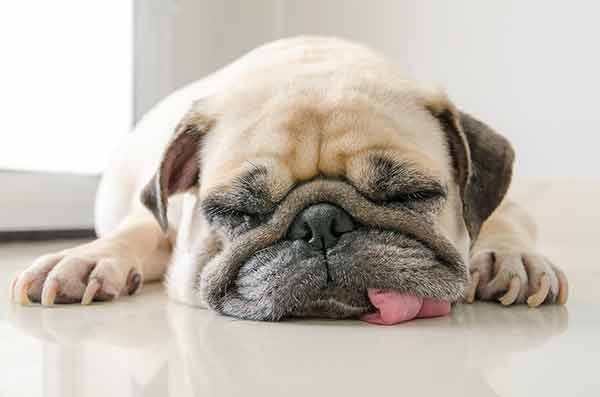
Brachycephalic dog breeds are the number-one reason dogs snore. These are dogs with short, flat faces — also called “pushed-in” faces. Their skull structure physically narrows the nasal passages and airways.
Common brachycephalic breeds include:
| Breed | Snoring Risk |
|---|---|
| French Bulldog | Very High |
| English Bulldog | Very High |
| Pug | Very High |
| Boston Terrier | High |
| Shih Tzu | High |
| Pekingese | High |
| Boxer | Moderate–High |
| Cavalier King Charles Spaniel | Moderate–High |
These dogs often have an elongated soft palate that partially blocks the windpipe, stenotic nares (narrow nostrils), and abnormal tissue inside the larynx. All of these combine to create near-constant snoring.
If you own one of these breeds, snoring is expected. But loud, gasping, or constant snoring still warrants a vet check.
2. Sleep Position
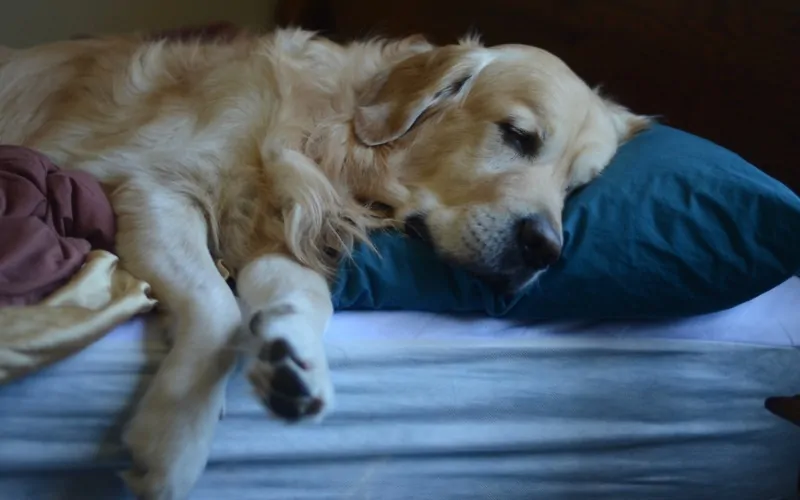
This is one of the most common and least worrying reasons a dog snores. When a dog sleeps on its back, the tongue falls toward the back of the throat, partially blocking the airway.
This causes snoring the same way it does in humans. The moment your dog rolls over, the snoring usually stops completely.
If your dog only snores in one position, sleep position is almost certainly the cause. Try gently nudging them onto their side to confirm.
3. Obesity and Weight Gain
Excess body fat does not just sit around the belly. It also accumulates around the neck and throat, putting direct pressure on the airway. This narrows the passage for air and leads to snoring during sleep.
Overweight dogs that snore often show other breathing difficulties during exercise or hot weather. Weight loss through diet and regular activity can significantly reduce or even eliminate snoring caused by obesity.
Ask your vet for a body condition score assessment if you suspect weight is a factor.
4. Allergies
Dogs react to many of the same allergens as humans — pollen, dust mites, mold spores, and smoke. When a dog has an allergic reaction, the nasal passages become inflamed and swollen, restricting airflow.
Allergy-related snoring often follows a seasonal pattern. If your dog snores more in spring or fall when pollen counts are high, allergies may be the trigger.
Other allergy signs to watch for include itchy skin, watery eyes, sneezing, and paw licking. Your vet can recommend antihistamines or other treatments to manage the inflammation.
5. Upper Respiratory Infection
Just like a human cold causes snoring, a dog cold or respiratory infection can do the same. Congestion in the nasal passages makes it much harder for air to flow freely.
Upper respiratory infections in dogs are often caused by viruses like canine parainfluenza or bacteria like Bordetella (kennel cough). Snoring from an infection is usually temporary and clears up once the illness resolves.
Watch for other symptoms such as nasal discharge, coughing, lethargy, or reduced appetite alongside the snoring.
6. Foreign Objects in the Airway
If your dog suddenly starts snoring without any previous history of it, a foreign object in the nasal passage or airway is a serious possibility. Grass seeds, small pieces of debris, or even insects can become lodged and partially block airflow.
Signs that a foreign body may be involved include pawing at the nose, reverse sneezing, head shaking, or nasal discharge from one nostril only.
Do not attempt to remove a foreign object yourself. This requires veterinary attention, often with sedation.
7. Dental Problems and Tooth Abscess
A tooth abscess is a bacterial infection at the root of a tooth. Because the roots of some upper teeth sit close to the nasal cavity, an abscess can cause swelling that affects the airway and triggers snoring.
Dogs with dental abscesses often have bad breath, swollen facial tissue, reluctance to eat, or pawing at the mouth. Regular dental cleanings and check-ups can prevent this from developing.
Treating the abscess and associated infection with antibiotics typically resolves the snoring.
8. Hypothyroidism
The thyroid gland regulates metabolism, and when it underperforms, the condition is called hypothyroidism. One of the lesser-known effects is weight gain and tissue changes that can lead to snoring.
Other signs of hypothyroidism in dogs include:
- Dull or thinning coat
- Flaky skin
- Lethargy and low energy
- Cold intolerance
- Ear infections
- Unexplained weight gain
A simple blood test at the vet can diagnose hypothyroidism. It is managed with daily oral medication that most dogs tolerate well.
9. Fungal Infections — Aspergillosis
Aspergillosis is a fungal infection caused by inhaling mold spores from soil, hay, or decaying plant matter. The fungus enters through the nasal lining and causes significant inflammation, nasal discharge, and snoring.
This is not as common as other causes but worth knowing about, especially for dogs that spend a lot of time outdoors or in rural environments. Treatment involves antifungal medication prescribed by a vet.
Signs include a bloody or mucus nasal discharge, visible swelling around the nose, and sneezing alongside the snoring.
10. Tumors and Growths
Tumors or polyps growing in the nasal passage, throat, or airways can physically obstruct airflow and produce snoring. This is more common in older dogs and is one of the more serious causes.
Sudden onset of snoring in a previously quiet older dog — especially when paired with nasal discharge, facial swelling, or unexplained weight loss — should prompt a prompt veterinary evaluation.
Diagnosis usually involves X-rays, CT scans, or endoscopy. Treatment depends on the type and location of the growth.
Dog Snoring vs. Normal Breathing — How to Tell the Difference
Not all loud breathing is snoring, and not all snoring is harmless. This table can help you identify what you are hearing.
| Sound | Likely Cause | Action Needed |
|---|---|---|
| Soft rumble during sleep | Normal sleep snoring | Monitor only |
| Snoring only on back | Sleep position | Change position |
| Snoring + nasal discharge | Infection or foreign body | See a vet |
| Snoring while awake | Airway obstruction | See a vet promptly |
| Gasping or choking sounds | Severe obstruction | Emergency vet |
| Honking cough + snoring | Tracheal collapse | See a vet |
| Snoring + blue gums | Respiratory emergency | Emergency vet immediately |
When to See a Vet About Dog Snoring
Most dog snoring is benign, but certain signs should never be ignored. Contact your veterinarian if you notice any of the following.
See your vet soon if:
- Your dog suddenly starts snoring and has never done it before
- The snoring is getting progressively louder over days or weeks
- Snoring is happening while your dog is awake, not just sleeping
- You notice nasal discharge from one or both nostrils
- Your dog is coughing, sneezing, or seems congested
- There is visible facial swelling or bad breath
- Your dog seems less active or reluctant to exercise
Seek emergency care immediately if:
- Your dog’s gums look bluish or grey
- Your dog is struggling to breathe and showing visible distress
- Your dog is making gasping, choking, or gagging sounds
- Your dog collapses or faints
Sudden-onset snoring paired with any of these emergency signs is a potential airway crisis and cannot wait.
Brachycephalic Airway Obstruction Syndrome (BAOS)
Brachycephalic breeds face a specific cluster of breathing problems grouped under the name Brachycephalic Airway Obstruction Syndrome, or BAOS. It involves multiple anatomical issues occurring together.
What BAOS Includes
- Stenotic nares — nostrils that are too narrow to allow proper airflow
- Elongated soft palate — the tissue at the back of the mouth extends too far, blocking the airway entrance
- Hypoplastic trachea — the windpipe is narrower than normal
- Everted laryngeal saccules — small pouches in the throat turn outward and block airflow
Each of these issues compounds the others. A Pug with all four has a much harder time breathing than a Bulldog with only one.
Over time, chronic airway strain from BAOS can lead to tracheal collapse, laryngeal collapse, heat intolerance, and even fainting. Surgical correction of the soft palate and nostrils is often recommended before these secondary changes develop.
How Vets Diagnose the Cause of Dog Snoring
Your vet will start with a detailed physical examination, including listening to your dog’s breathing, examining the mouth and throat, and checking overall body condition.
Based on what they find, they may recommend:
Diagnostic tests commonly used:
- Blood panel — checks for hypothyroidism, infection markers
- X-rays (radiographs) — identifies tracheal collapse, masses, foreign objects
- CT scan — detailed imaging of nasal passages and skull structure
- Rhinoscopy or endoscopy — a small camera passed into the nose or throat
- Culture and sensitivity — identifies bacterial or fungal infections
Getting a thorough diagnosis is essential before starting any treatment, since snoring from allergies is treated very differently from snoring caused by a soft palate issue.
Treatment Options for Dog Snoring
Treatment depends entirely on the underlying cause. Here is an overview of the most common approaches.
Lifestyle and Environmental Changes
These are the first steps for mild or position-related snoring.
- Encourage side sleeping by providing a round or bolstered dog bed
- Elevate your dog’s head slightly while sleeping to keep the airway open
- Use an air purifier to remove dust, pollen, and smoke from the home
- Keep the sleeping area smoke-free and away from strong chemical smells
- A humidifier can help keep nasal passages moist and reduce congestion
Weight Management
For dogs snoring due to obesity, a structured weight-loss plan makes a significant difference. Work with your vet to calculate a daily calorie target and increase daily activity gradually.
Even losing 10 to 15 percent of body weight can reduce snoring noticeably in overweight dogs.
Allergy Management
- Wipe your dog down with a damp cloth after outdoor walks to remove allergens
- Wash bedding frequently in hot water
- Ask your vet about antihistamines safe for dogs
- Air purifiers and HEPA filters reduce airborne allergens in the home
- Prescription allergy medication or immunotherapy may be needed for severe cases
Medications
Depending on the cause, your vet may prescribe:
- Antibiotics for bacterial infections or tooth abscesses
- Antifungal medications for Aspergillosis
- Thyroid hormone replacement for hypothyroidism
- Anti-inflammatory drugs to reduce airway swelling from allergies
Surgical Options
Surgery is recommended when anatomical issues are causing serious breathing difficulty. Common procedures include:
- Soft palate resection — shortening the elongated soft palate to clear the airway
- Nares widening (rhinoplasty) — opening up narrow nostrils for better airflow
- Laryngeal sacculectomy — removing everted tissue that obstructs the larynx
- Tumor or polyp removal — clearing growths from the nasal passage or throat
- Foreign body removal — done under anesthesia in a vet clinic
These surgeries can dramatically improve a dog’s breathing and quality of life, and vets often recommend them early before secondary damage occurs.
Dog Snoring by Age — What Is Normal?
Snoring can look different depending on how old your dog is.
Puppies
Puppies occasionally snore during deep sleep, especially in certain positions. Persistent loud snoring in puppies — particularly in flat-faced breeds — may indicate anatomical issues worth evaluating early. Early surgical correction often has better outcomes.
Adult Dogs
Most adult dogs that snore have either a breed-related predisposition, a weight issue, or an allergy. Sudden new snoring in an adult dog that has never snored before always warrants investigation.
Senior Dogs
Older dogs frequently develop increased snoring due to reduced muscle tone in the throat, age-related weight changes, or conditions like laryngeal paralysis. Senior dogs should have regular wellness exams so any changes in breathing patterns are caught early.
Home Remedies to Reduce Dog Snoring
These practical tips can make a real difference for dogs with mild snoring.
Adjust their sleeping position. Gently roll your dog onto their side if you notice they snore on their back. A bolstered or donut-style bed naturally encourages side sleeping.
Elevate the head. A small pillow under their head keeps the airway slightly extended and reduces airway collapse during deep sleep.
Clean the air. An air purifier with a HEPA filter removes dust, mold, pet dander, and pollen that can irritate the nasal passages.
Add moisture. A humidifier near your dog’s sleeping area prevents the nasal passages from drying out, especially in winter with central heating running.
Clean bedding regularly. Washing dog bedding weekly removes allergens, mites, and debris that accumulate over time and irritate breathing.
Keep a healthy weight. Regular meals in measured portions combined with consistent daily exercise will prevent fat accumulation around the throat.
Go smoke-free. Secondhand smoke is a significant irritant for dogs. Even scented candles and air fresheners can irritate sensitive airways.
Can Dogs Have Sleep Apnea?
Yes, though it is rare. Canine sleep apnea occurs when breathing temporarily stops during sleep. It is most common in obese dogs and brachycephalic breeds.
Signs of sleep apnea in dogs include:
- Snoring followed by a sudden pause in breathing
- Waking up abruptly and gasping
- Daytime drowsiness or irritability
- Restless, fragmented sleep
If you suspect sleep apnea, this should be evaluated by a vet. It is not something that resolves on its own and can pose real health risks over time.
Does Dog Snoring Affect Their Sleep Quality?
Yes, it can. Snoring caused by an actual airway obstruction means your dog is working harder to breathe during rest. This reduces sleep quality, leads to daytime fatigue, and can make your dog less playful or alert.
Dogs with BAOS in particular often never reach the deep, restorative stages of sleep because they keep waking up from breathing difficulty. This is one of the core reasons vets recommend treating the underlying cause rather than simply accepting the snoring.
Quick Reference — Causes and Solutions at a Glance
| Cause | Key Symptom | Main Solution |
|---|---|---|
| Breed anatomy (BAOS) | Snoring since puppyhood | Weight management, possible surgery |
| Sleep position | Only snores on back | Encourage side sleeping |
| Obesity | Overweight, breathes heavy | Diet, exercise, weight loss |
| Allergies | Seasonal, itchy skin | Allergen reduction, antihistamines |
| Upper respiratory infection | Nasal discharge, cough | Vet treatment, rest |
| Foreign body | Sudden onset, one-nostril discharge | Emergency vet visit |
| Tooth abscess | Bad breath, facial swelling | Dental treatment, antibiotics |
| Hypothyroidism | Weight gain, dull coat | Thyroid medication |
| Aspergillosis | Bloody discharge, sneezing | Antifungal medication |
| Tumor or polyp | Older dog, progressive worsening | Imaging, possible surgery |
Frequently Asked Questions (FAQs)
Why does my dog snore so loud?
Loud snoring usually means a significant airway narrowing from breed anatomy, obesity, or an obstruction. Brachycephalic breeds and overweight dogs are most prone to loud snoring.
Is it normal for dogs to snore every night?
It is normal for flat-faced breeds. For other breeds, nightly snoring warrants a vet visit to rule out an underlying health issue.
Can I give my dog anything for snoring?
Never give human sleep aids or decongestants to dogs. Speak to your vet about safe antihistamines or other treatments based on the confirmed cause.
Does dog snoring mean they are in pain?
Not always. Most snoring is not painful. However, snoring caused by a tooth abscess, tumor, or severe airway obstruction can cause discomfort — a vet evaluation will clarify this.
Why did my dog suddenly start snoring?
Sudden-onset snoring often signals a new problem such as a foreign object, infection, abscess, or growth. A dog that was never a snorer before should be seen by a vet promptly.
Do female dogs snore less than male dogs?
There is no significant difference based on sex. Breed, weight, and health condition are far more influential factors than sex when it comes to dog snoring.
Can puppies grow out of snoring?
Puppies that snore due to sleep position often do. Puppies that snore due to brachycephalic anatomy typically will not, and may benefit from early surgical evaluation.
Does cold weather make dog snoring worse?
Cold, dry air can dry out nasal passages and worsen congestion, which may increase snoring. A humidifier in your home can help during winter months.
Can snoring damage my dog’s health over time?
Yes, if the underlying cause goes untreated. Chronic airway strain from BAOS can cause secondary damage to the larynx and trachea over time, making breathing progressively harder.
Should I record my dog snoring for the vet?
Absolutely yes. A short video of your dog snoring helps your vet hear the sound, assess the severity, and determine whether further testing is needed.
Conclusion
Why does my dog snore is one of the most common questions dog owners ask — and the answer is rarely simple.
Snoring in dogs can be completely harmless, like a Pug doing what Pugs do, or it can be an early sign of something that needs prompt attention.
The key is knowing what is normal for your specific dog and staying alert to any changes.
If your dog has always been a snorer and is otherwise healthy, active, and happy, monitoring is usually all that is needed.
But if the snoring started suddenly, is getting louder, or comes with other symptoms like nasal discharge, coughing, or labored breathing, a vet visit is the right call.
Use the tips in this guide to make your dog more comfortable, adjust their environment, and manage any triggers you can control at home. And when in doubt, trust your instincts — you know your dog better than anyone.
A quick call or visit to your veterinarian is always the safest way to make sure that adorable snore is nothing more than your dog sleeping deeply and dreaming big.


