


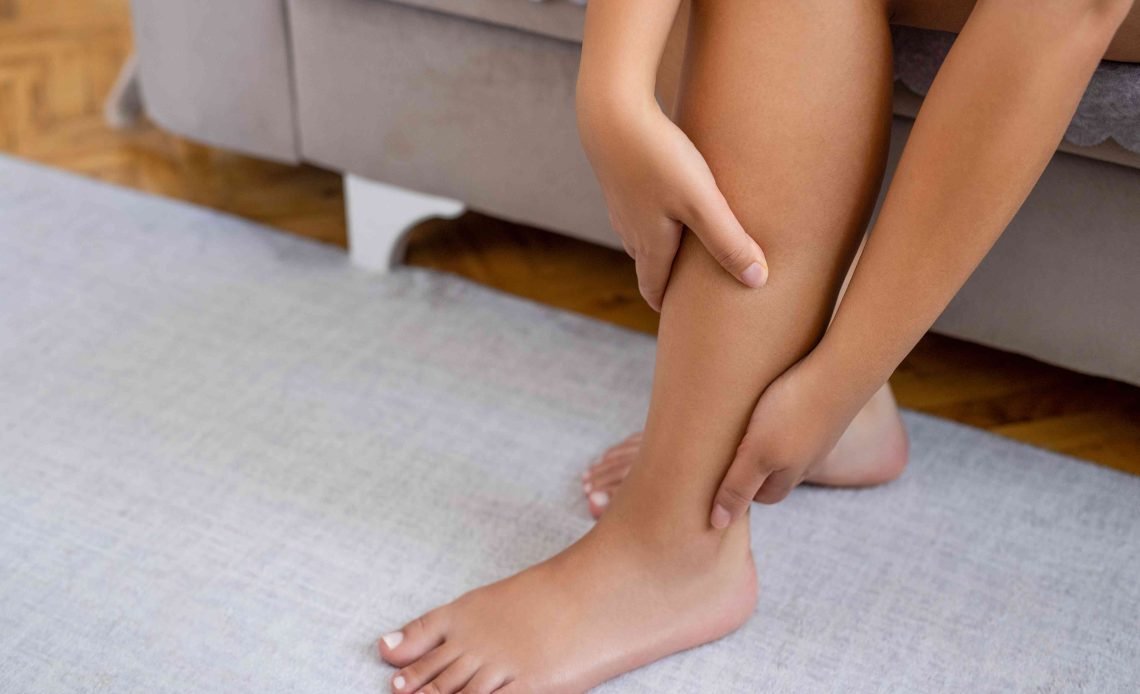
Why do my ankles swell in hot weather? This is one of the most commonly searched health questions every summer.
If you’ve noticed your ankles puffing up on a warm day, you’re absolutely not alone.
Millions of people experience this seasonal swelling, medically known as heat edema or peripheral oedema. It can range from mildly uncomfortable to genuinely painful.
What Is Heat Edema? The Medical Explanation
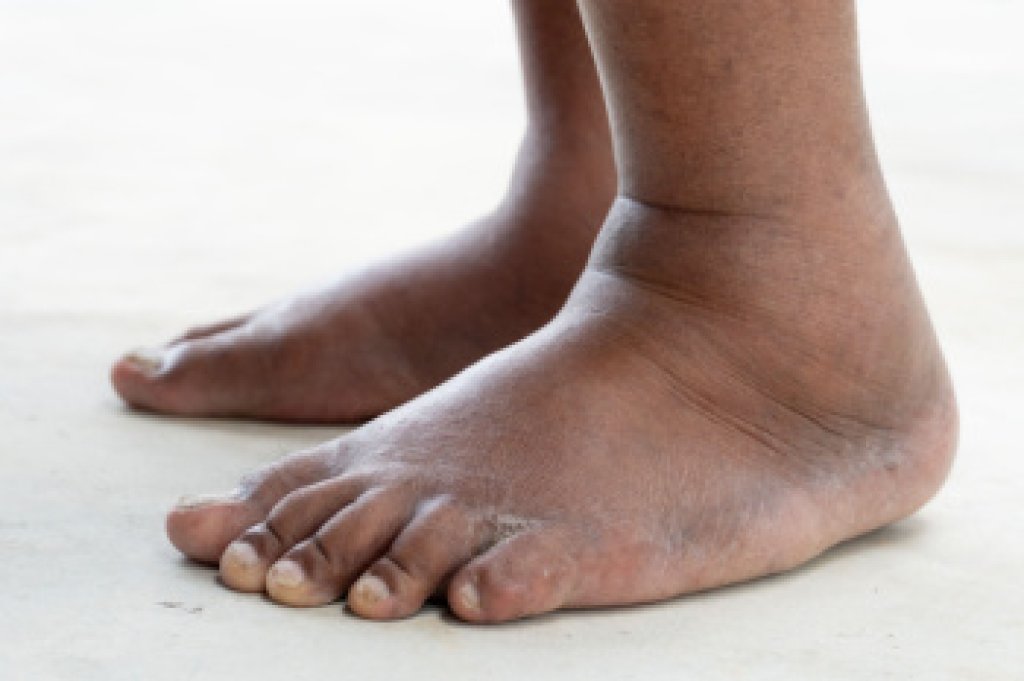
Heat edema is the medical term for swelling in the feet, ankles, and lower legs caused by high temperatures. It is classified as a form of peripheral oedema, meaning excess fluid accumulates in the body’s outer tissues rather than around the organs.
It is not a disease on its own. It is your body’s natural response to heat stress. The swelling results from fluid leaking out of tiny blood vessels (capillaries) into the surrounding soft tissue.
The skin over the swollen area often looks shiny, stretched, or tight. Pressing your finger into the swollen area and leaving a dent that stays for several seconds is a classic sign, called “pitting oedema.”
Why Does Heat Cause Your Ankles to Swell? The Science Behind It
Vasodilation: Your Body’s Cooling System
When your body temperature rises, your blood vessels automatically expand. This process is called vasodilation. It is your body’s primary cooling mechanism, bringing warm blood closer to the skin surface so heat can escape into the air.
This expansion is useful for temperature regulation, but it has a side effect. Wider blood vessels have weaker walls under pressure, making it easier for fluid to leak out into surrounding tissue.
Gravity Pulls Everything Downward
Your ankles and feet sit at the lowest point of your body. Gravity constantly pulls fluid downward throughout the day. In normal temperatures, your leg muscles, vein valves, and lymphatic system work together to push fluid back upward toward the heart.
In hot weather, this return system becomes less efficient. Blood pools in the lower legs, pressure builds inside the veins, and fluid leaks into tissues faster than it can be drained.
Poor Lymphatic Return in the Heat
The lymphatic system acts as the body’s drainage network. It collects excess fluid from tissues and returns it to the bloodstream. Heat slows down lymphatic function, especially when you are sitting or standing still for long periods.
The result is a gradual build-up of fluid in your ankles and feet as the day progresses.
Key Causes of Ankle Swelling in Hot Weather
| Cause | How It Leads to Swelling | Who Is Most Affected |
|---|---|---|
| Vasodilation from heat | Fluid leaks from expanded vessels | Everyone in hot weather |
| Prolonged sitting or standing | Gravity pools blood in lower legs | Office workers, travelers |
| Chronic Venous Insufficiency (CVI) | Faulty vein valves let blood pool | Older adults, varicose vein sufferers |
| High salt diet | Body retains more water | Anyone eating processed food |
| Dehydration | Body holds onto fluid as a survival response | People not drinking enough water |
| Medications (e.g. amlodipine, NSAIDs) | Alter vessel permeability or cause sodium retention | People on blood pressure or pain medication |
| Pregnancy | Increased blood volume and pressure on pelvic veins | Pregnant women |
| Obesity | Excess weight increases venous pressure | Overweight individuals |
| Kidney, heart, or liver conditions | Systemic fluid retention | People with underlying conditions |
How Prolonged Sitting and Standing Makes It Worse
If you stand or sit in one position for several hours in hot weather, the calf muscle pump stops working. This muscle pump is critical because it squeezes the deep leg veins every time you take a step, pushing blood back up to the heart.
Without that movement, blood and fluid stagnate at the bottom of your legs. Long flights, road trips, desk jobs, and standing at events are all common triggers of ankle swelling in warm months.
Even a short 5-minute walk every hour can significantly reduce swelling in these situations.
Chronic Venous Insufficiency and Hot Weather
Chronic venous insufficiency (CVI) is a condition where the one-way valves inside the leg veins stop working properly. Blood flows backward and pools in the lower legs instead of returning to the heart.
In cool weather, CVI may cause mild swelling or heaviness. In hot weather, vasodilation on top of faulty valves creates a double effect. Fluid pools far more aggressively, leading to significant and sometimes painful swelling that does not go away overnight.
Signs of CVI beyond swelling include varicose veins, a feeling of heaviness or aching in the legs, skin discolouration around the ankles, and itching. If you suspect CVI, a vein specialist can assess you with a non-invasive ultrasound.
Medications That Can Cause Ankle Swelling in Heat
Many common medications make ankle swelling worse in hot weather. The heat amplifies their fluid-retaining side effects.
Calcium Channel Blockers (CCBs)
Drugs like amlodipine and nifedipine are widely prescribed for high blood pressure. They work by relaxing blood vessels, but this also widens capillaries and causes fluid to leak into surrounding tissue. This type of swelling often does not respond well to diuretics.
NSAIDs (Non-Steroidal Anti-Inflammatory Drugs)
Ibuprofen, naproxen, and similar painkillers reduce prostaglandins in the kidneys, causing sodium and water retention. In hot weather, this extra retained fluid tends to collect in the ankles.
Corticosteroids
Steroids like prednisone cause the body to retain salt and water. Combined with heat-induced vasodilation, this can cause significant lower limb swelling.
Hormonal Therapies
Oestrogen-containing contraceptives and hormone replacement therapy (HRT) are known to contribute to fluid retention, particularly in the lower extremities.
If you are on any of these medications and notice worsening ankle swelling in summer, speak with your doctor. An alternative treatment or dose adjustment may help.
Who Is Most at Risk of Ankle Swelling in Summer?
Some people are far more likely to experience significant ankle swelling in hot weather than others.
Older Adults
Vein valves weaken with age, lymphatic function declines, and circulation becomes less efficient. Older adults are more prone to both heat edema and chronic oedema.
Pregnant Women
Pregnancy increases blood volume by up to 50% and places pressure on the pelvic veins, slowing blood return from the legs. Heat makes this dramatically worse in the third trimester.
People With Varicose Veins
Varicose veins are a visible sign of venous insufficiency. The same faulty valves that cause bulging veins also allow fluid to pool in the ankles when temperatures rise.
Those With a High Salt Diet
Sodium causes the body to retain water. A diet high in processed foods, takeaways, or salty snacks directly increases the amount of fluid your body holds onto, worsening swelling in the heat.
Overweight or Obese Individuals
Excess body weight puts greater mechanical pressure on the leg veins, reducing their ability to return blood upward. This pressure is worsened during hot weather when vessels are already dilated.
Warning Signs: When Is Ankle Swelling Serious?
Most ankle swelling in summer is benign and resolves with rest, elevation, and hydration. However, certain signs mean you should see a doctor promptly.
See a Doctor If You Notice:
- Swelling in only one ankle or leg (could indicate deep vein thrombosis/DVT)
- Redness, warmth, or pain in the swollen area
- Sudden swelling with no obvious heat-related cause
- Shortness of breath alongside swelling (possible heart failure)
- Swelling that does not improve after a night of rest and elevation
- Skin that is hard, discoloured, or breaking down
- Swelling after recent surgery, especially hip or knee replacement
Deep vein thrombosis is a blood clot in the deep leg veins. It is a medical emergency. Unlike heat edema, DVT typically causes one-sided swelling, pain, and warmth that does not improve with rest.
10 Proven Ways to Reduce Ankle Swelling in Hot Weather
Elevate Your Feet Above Heart Level
Raising your legs above the level of your heart immediately reduces pressure in the leg veins and allows gravity to drain fluid back toward the heart. Do this for 20–30 minutes in the evening. Even resting your feet on a footstool while sitting helps throughout the day.
Stay Well Hydrated
Drinking 8–10 glasses of water per day is essential in hot weather. When you are dehydrated, the body activates fluid-retention mechanisms as a survival response, making swelling worse. Adequate hydration keeps blood volume stable and supports lymphatic drainage.
Wear Compression Stockings
Graduated compression socks apply gentle pressure from the ankle upward, supporting the veins and helping blood return to the heart. They are particularly effective for people with CVI, varicose veins, or those who stand or sit for long periods. Wear them before swelling starts, not after.
Reduce Salt Intake
Salt causes water retention throughout the body. Cutting down on processed foods, salty snacks, restaurant meals, and added table salt reduces the fluid your body holds onto. Try to keep sodium intake below 2,300mg per day, or lower if advised by your doctor.
Take Regular Movement Breaks
Walk for at least 5 minutes every hour if you are sitting or standing. This activates the calf muscle pump and keeps circulation moving. Even simple ankle rotations and foot flexes while seated help push blood upward.
Cool Your Environment
Stay in air-conditioned spaces when possible during peak heat. Cooling the external temperature reduces the degree of vasodilation your body undergoes, directly reducing the amount of fluid leakage into ankle tissues.
Foot and Ankle Massage
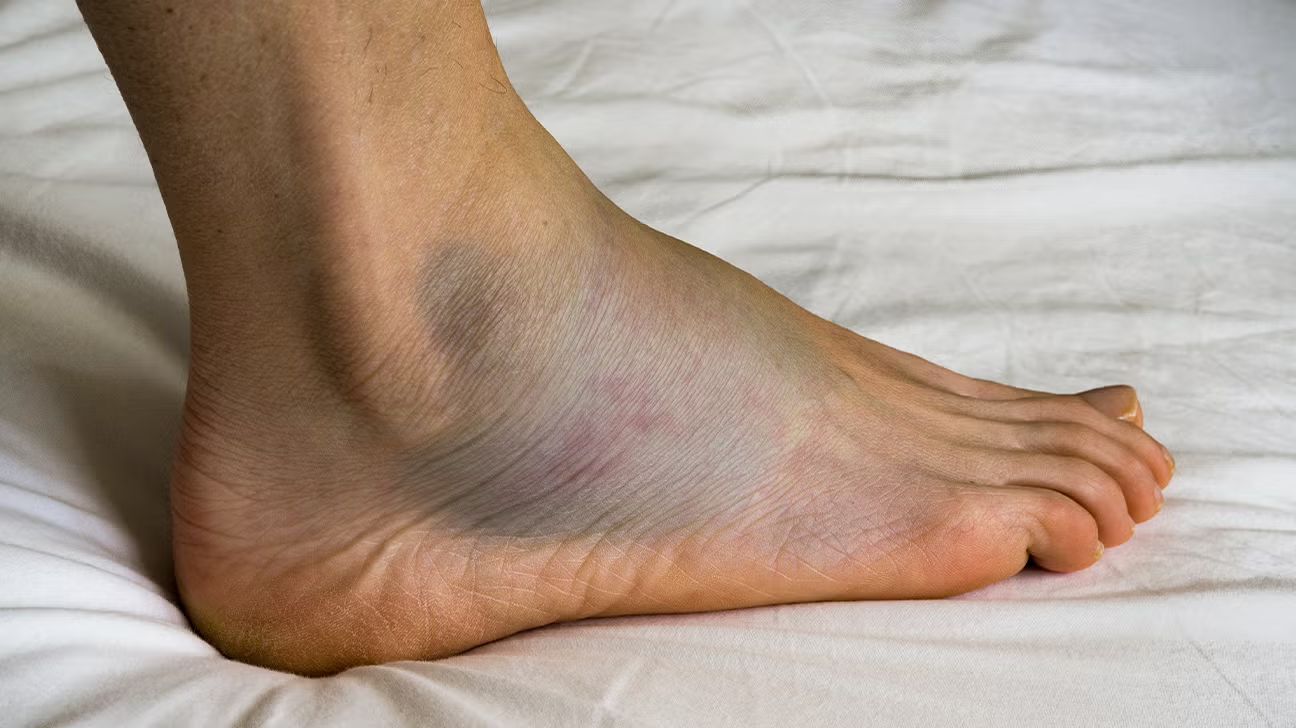
Massaging from the feet upward toward the knees helps physically move pooled fluid toward the lymphatic drainage points. Use firm, upward strokes. This is especially useful in the evening when daily swelling is at its peak.
Apply a Cold Compress
A cold pack or a damp cold towel applied to swollen ankles causes blood vessels to constrict, reduces local inflammation, and provides immediate relief. Apply for 15–20 minutes at a time, with a cloth between the ice and skin.
Choose the Right Footwear
Tight shoes and socks restrict circulation and worsen swelling. Choose wide, soft shoes with a low heel. Avoid sandal straps that cut into swollen tissue. Loose-fitting socks or those specifically designed for oedema are also helpful.
Epsom Salt Foot Soak
Soaking swollen feet in warm water mixed with Epsom salts for 15–20 minutes can relieve discomfort. The magnesium in Epsom salts may help reduce inflammation and is absorbed through the skin. This is a soothing home remedy, particularly useful at the end of a hot day.
Foods That Help Reduce Ankle Swelling
What you eat directly impacts fluid retention. Certain foods actively support circulation and lymphatic drainage.
| Foods That Help | Why They Help |
|---|---|
| Cucumber | High water content, natural diuretic effect |
| Watermelon | Hydrating, contains potassium to balance sodium |
| Leafy greens (spinach, kale) | Rich in magnesium, anti-inflammatory |
| Bananas | High potassium, helps balance fluid levels |
| Ginger | Anti-inflammatory, improves circulation |
| Asparagus | Natural diuretic, supports kidney function |
| Berries | Antioxidants reduce vascular inflammation |
| Avocado | High potassium, healthy fats support circulation |
| Foods to Avoid | Why They Worsen Swelling |
|---|---|
| Processed meats | Very high sodium content |
| Canned soups | Excessive salt |
| Salty snacks (crisps, pretzels) | Cause water retention |
| Alcohol | Dehydrating, worsens fluid imbalance |
| Refined carbohydrates | Cause insulin spikes and fluid retention |
Ankle Swelling in Hot Weather vs. Other Causes: How to Tell the Difference
It is important to distinguish between normal summer swelling and swelling caused by an underlying medical condition.
Heat edema typically appears gradually over the course of a day in warm weather. It affects both ankles equally, reduces after rest and elevation overnight, and is not accompanied by pain, redness, or breathlessness.
Venous insufficiency swelling is also bilateral but is usually present year-round, worsening in heat. It is often accompanied by varicose veins, skin changes, and a heavy feeling in the legs.
DVT (deep vein thrombosis) causes sudden, one-sided swelling with pain and warmth. This is a medical emergency and requires immediate evaluation.
Heart failure oedema causes swelling that does not improve with elevation, is accompanied by shortness of breath, and worsens progressively. This requires urgent medical attention.
Kidney or liver disease causes generalised swelling, not just in the ankles. Other symptoms such as fatigue, abdominal bloating, and changes in urine output may be present.
What Does Ankle Swelling Feel Like? Key Symptoms to Know
- Ankles and feet look visibly larger than usual, especially by evening
- Skin feels tight, puffy, or shiny
- Shoes feel tighter than in the morning
- A finger pressed into the skin leaves a dent (pitting oedema)
- Legs feel heavy, achy, or stiff
- Walking or standing feels more uncomfortable than usual
- Socks or sandal straps leave deep indentation marks on the skin
The Role of Hydration in Preventing Summer Ankle Swelling
It seems counterintuitive, but drinking more water actually reduces ankle swelling. When the body is dehydrated, it triggers hormones like aldosterone and ADH (antidiuretic hormone) that tell the kidneys to hold onto water and sodium. This causes widespread fluid retention, which gravitates to the lowest point of the body.
Drinking adequate water keeps the kidneys functioning well, suppresses these retention hormones, supports lymphatic drainage, and maintains the blood volume needed for efficient circulation.
Aim for at least 8 glasses of water per day in warm weather. Increase this if you are sweating heavily, exercising, or spending time outdoors.
Can Exercise Help With Ankle Swelling in Hot Weather?
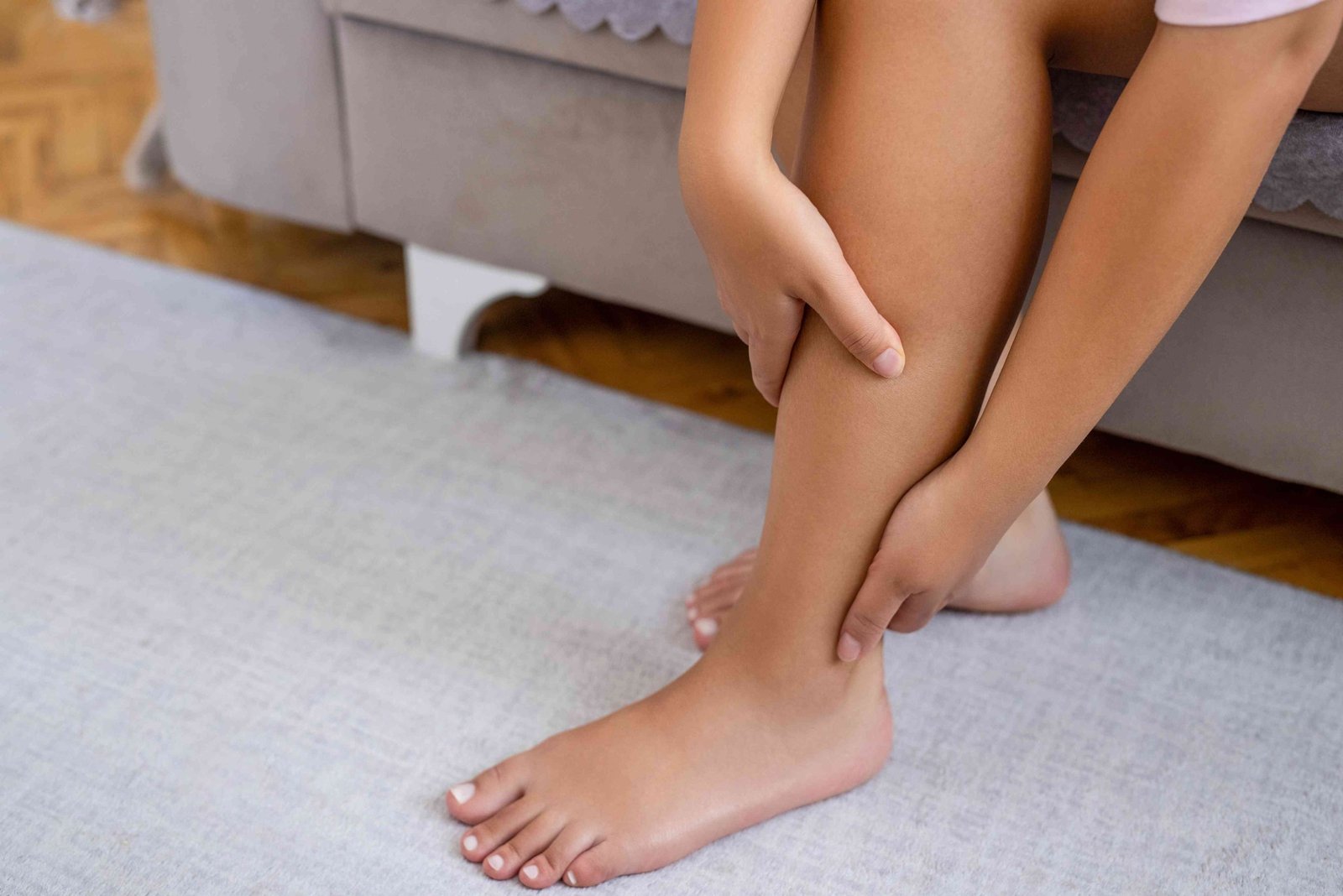
Yes, but the type of exercise matters. Intense exercise in extreme heat can temporarily worsen swelling because heat production increases vasodilation. However, moderate, low-impact exercise is one of the best long-term treatments for heat-related ankle swelling.
Best exercises for reducing ankle swelling:
- Walking (even short distances)
- Swimming or water aerobics (the water pressure helps compress leg tissue)
- Cycling on a flat surface
- Ankle rotations and foot pumps while seated
- Gentle yoga or stretching
Avoid standing still in the heat for prolonged periods. Movement, even light movement, is far better for circulation than sitting or standing stationary.
When to See a Doctor About Swollen Ankles
Most summer ankle swelling is harmless and resolves with simple self-care measures. However, it is worth booking a GP appointment if:
- The swelling is new and you have not experienced it before
- It is persistent and does not improve after elevation and rest
- Only one ankle is swollen
- You are also experiencing breathlessness, fatigue, or chest discomfort
- You are on blood pressure medication and the swelling has worsened
- The skin is changing colour, hardening, or breaking down
- You are pregnant and the swelling is sudden and severe
Your doctor may order blood tests, urine tests, an ECG, or an ultrasound to rule out underlying causes. Early investigation prevents small problems from becoming serious ones.
Frequently Asked Questions (FAQs)
Why do my ankles swell specifically in hot weather?
Heat causes your blood vessels to widen (vasodilation), which allows fluid to leak into surrounding tissues. Gravity pulls this fluid to your ankles, causing visible swelling that is typically worse by evening.
Is it normal for ankles to swell in summer?
Yes, mild bilateral ankle swelling in hot weather is very common and usually harmless. It becomes a concern if it is one-sided, painful, or does not improve with rest and elevation.
How do I get rid of swollen ankles fast in hot weather?
Elevate your feet above heart level, apply a cold compress, drink water, and take a short walk. These four steps together provide the fastest relief for heat-related ankle swelling.
Can dehydration cause ankles to swell in the heat?
Yes. When dehydrated, the body retains sodium and water as a survival response, which can worsen swelling. Drinking 8–10 glasses of water daily in hot weather actually reduces fluid retention.
Do compression socks help with ankle swelling in summer?
Yes. Graduated compression socks support the vein walls and help push blood back up toward the heart, reducing fluid pooling. Wear them before the swelling starts for best results.
Can my blood pressure medication cause ankle swelling in hot weather?
Yes. Calcium channel blockers like amlodipine commonly cause ankle swelling, which may worsen in the heat. Speak to your doctor if you suspect your medication is contributing; do not stop it without medical advice.
How long does ankle swelling from heat last?
Heat edema typically reduces overnight with rest and elevation. If swelling persists for more than 24–48 hours despite self-care measures, you should consult a doctor.
Should I be worried if only one ankle is swollen?
Yes. One-sided swelling is more concerning than bilateral swelling and can indicate deep vein thrombosis (DVT), an injury, or a localized infection. Seek medical evaluation promptly if only one ankle is swollen.
Does pregnancy make ankle swelling in heat worse?
Significantly. Pregnancy increases blood volume and places pressure on the pelvic veins, already predisposing to ankle swelling. Hot weather dramatically amplifies this, particularly in the third trimester. Sudden severe swelling in pregnancy should always be assessed urgently.
What foods reduce ankle swelling in hot weather?
Potassium-rich foods like bananas, avocado, and watermelon help balance sodium levels and reduce fluid retention. Anti-inflammatory foods like ginger, leafy greens, and berries also support circulation and reduce swelling.
Conclusion
Why do my ankles swell in hot weather? The answer lies in the way heat affects your blood vessels, circulation, and the body’s fluid balance.
Vasodilation causes capillaries to leak fluid, gravity pulls it downward, and the result is puffy, uncomfortable ankles by the end of a warm day.
For most people, this is a harmless and temporary condition managed easily with hydration, elevation, compression, and movement.
However, swelling that is one-sided, persistent, painful, or accompanied by breathlessness needs medical attention.
Underlying conditions like chronic venous insufficiency, deep vein thrombosis, heart disease, or medication side effects can all cause or worsen ankle swelling in summer.
Taking simple preventive steps early in the season, such as wearing compression socks, staying hydrated, reducing salt intake, and moving regularly, can make a significant difference to your comfort and leg health throughout summer 2026.
When in doubt, always consult your doctor for a proper assessment and personalised advice.


