


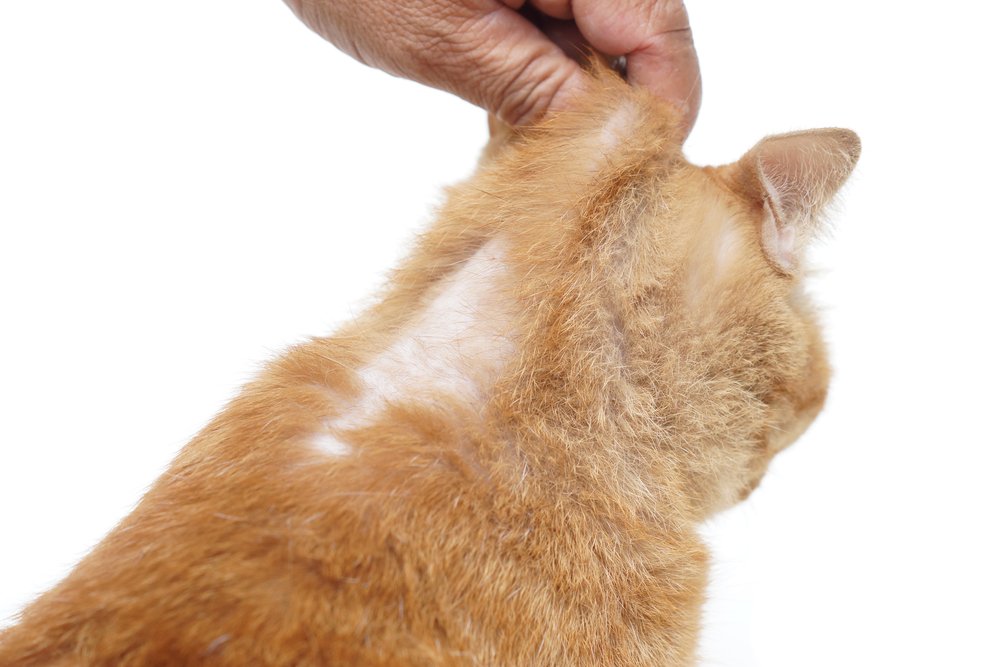
Why does my cat have a bald spot is one of the most common questions cat owners ask their vets — and the answer is rarely straightforward.
Bald spots in cats, medically called feline alopecia, can range from completely harmless to signs of a serious underlying condition.
The causes include parasites, fungal infections, allergies, stress, hormonal disorders, and more. Some bald spots appear overnight; others develop gradually over weeks.
Why Does My Cat Have a Bald Spot
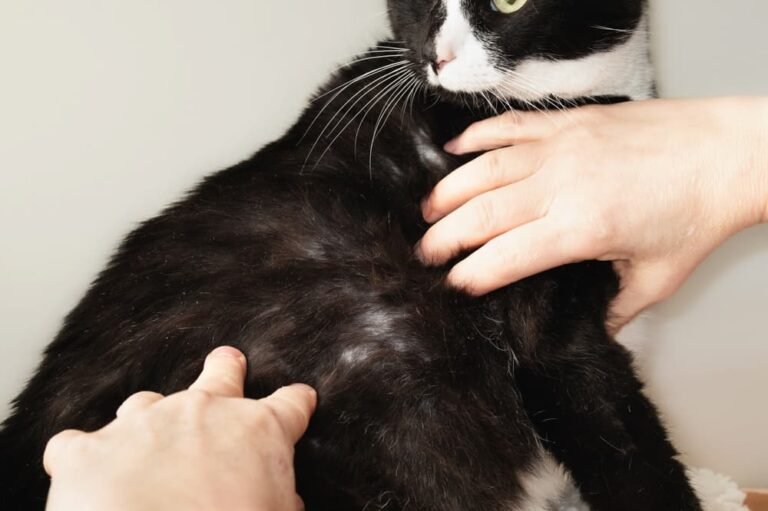
Alopecia is the medical term for hair loss in cats.
It refers to the partial or complete absence of fur in areas where hair should normally grow. Alopecia can appear as a single bald patch, multiple spots scattered across the body, or a generally thin and patchy coat.
Cat hair loss is not a diagnosis itself — it is a symptom. The bald spot is your cat’s body signaling that something else is going on, whether it is a skin infection, a parasite, a hormonal imbalance, or an emotional response to stress.
According to the Merck Veterinary Manual, alopecia can be either congenital (present at birth) or acquired. Congenital alopecia is inherited. Acquired alopecia develops in a cat that previously had a normal coat, and it is far more common.
How Cat Hair Loss Happens: Two Main Pathways
Understanding how bald spots form helps narrow down the cause quickly.
Pathway 1 — Hair falls out on its own: A disease directly damages the hair follicle or hair shaft, causing fur to fall out without any scratching or grooming. Hormonal disorders, fungal infections like ringworm, and certain skin diseases work this way.
Pathway 2 — The cat removes the hair itself: The cat licks, chews, bites, or scratches an area so frequently that the fur is worn away. This is called self-inflicted or overgrooming-related alopecia. It is actually the more common pathway and is driven by itching, pain, anxiety, or compulsive behavior.
In both cases, the end result looks similar — bare skin where fur used to be. The difference is critical for treatment, which is why vets look for broken hair shafts and secondary skin changes to determine which pathway is responsible.
Cause 1: Fleas and Flea Allergy Dermatitis
Fleas are one of the most common causes of bald spots in cats.
A flea infestation causes intense itching across the whole body, driving cats to scratch and bite their skin constantly. Over time, this self-trauma removes fur and creates bald patches — most commonly at the base of the tail, the lower back, and the belly.
Many cats develop a condition called flea allergy dermatitis (FAD), where they are not just bothered by fleas — they are allergic to flea saliva. A single flea bite can trigger an intense allergic reaction lasting days. Even one or two fleas can cause widespread hair loss in a FAD-positive cat.
Signs that fleas may be behind your cat’s bald spot:
- Intense scratching, especially around the tail base and lower back
- Small dark specks (“flea dirt”) in the fur — looks like ground pepper
- Visible fleas or flea eggs
- Red, inflamed skin under the bald area
- Miliary dermatitis — small crusty scabs scattered across the back
Treatment requires eliminating fleas from both the cat and the home environment. Year-round flea prevention is the most effective long-term strategy, especially for cats that go outdoors or live with other pets.
Cause 2: Ringworm (Fungal Infection)
Despite the name, ringworm is not a worm at all — it is a fungal infection caused by dermatophytes.
Ringworm is one of the most recognizable causes of bald spots in cats, particularly in kittens. The classic sign is a circular, scaly, crusted patch of hair loss — often on the face, ears, legs, or tail. The affected skin may look red and inflamed, and the hairs surrounding the bald area are often broken rather than completely missing.
Ringworm is highly contagious. It spreads between cats, from cats to dogs, and from cats to humans. Fungal spores can survive on surfaces, bedding, and furniture for up to two years — making environmental decontamination a critical part of treatment.
Key features of ringworm bald spots:
| Feature | Description |
|---|---|
| Shape | Roughly circular or irregular |
| Location | Face, ears, paws, tail — common |
| Skin texture | Dry, scaly, crusted |
| Itching | Often mild or absent |
| Hair condition | Broken hairs at edge of lesion |
| Contagious | Yes — to other pets and humans |
Vets diagnose ringworm using a Wood’s lamp (a UV light that causes some ringworm strains to glow green), fungal culture, or microscopic examination of hair samples. Treatment involves topical antifungal creams, medicated baths, or oral antifungal medications in more severe cases.
Cause 3: Allergies
Allergies are a leading cause of chronic bald spots in cats — and they are frequently underdiagnosed.
Allergic reactions cause intense, persistent itching. Cats respond by licking, scratching, and chewing the itchy areas until the fur is gone. There are three main types of allergies in cats that cause bald spots:
Environmental allergies (atopy): Reactions to pollen, dust mites, mold spores, or household chemicals. Symptoms appear seasonally or year-round depending on the trigger.
Food allergies: Reactions to specific proteins in the diet — most commonly chicken, fish, beef, or dairy. Food allergy-related bald spots often appear around the head, neck, and face. Symptoms do not follow a seasonal pattern.
Contact allergies: Reactions to materials the cat touches — laundry detergents, cleaning products, certain fabrics, or plastic food bowls. Bald spots from contact allergies tend to appear where the cat’s skin directly contacts the trigger (chin, belly, paws).
Diagnosing allergies requires elimination trials for food allergens or allergy testing for environmental triggers. Treatment includes antihistamines, steroids, or targeted immunotherapy depending on the specific allergen.
Cause 4: Stress and Psychogenic Alopecia
Cats are highly sensitive to environmental and emotional stress — and they often express that stress by overgrooming.
When a cat encounters a stressor — a new pet, a house move, a new baby, changes in routine, or the loss of a companion — it may begin grooming excessively as a self-soothing behavior. Over time, this overgrooming strips fur from the areas the cat can most easily reach: the belly, inner thighs, lower abdomen, and lower back.
This condition is called psychogenic alopecia. The hair loss is self-inflicted, but it is not done out of aggression — it is a coping mechanism.
The key diagnostic clue: the bald patches appear only in areas the cat can reach with its tongue. The skin underneath is typically smooth and undamaged with no secondary redness or crusting — which distinguishes psychogenic alopecia from parasite-driven or infection-driven hair loss.
Cats spend 5–25% of their waking hours grooming normally. When grooming takes over most of their daily activity and begins causing fur loss, it has crossed into compulsive territory.
Common stress triggers for psychogenic alopecia:
- Introduction of a new pet or person
- House move or renovation
- Change in owner’s schedule
- Loss of a companion animal
- Outdoor access changes
- Conflict with other cats in the household
Treatment focuses on identifying and reducing the stressor, providing environmental enrichment, and in some cases, using anti-anxiety medications prescribed by a vet.
Cause 5: Mites and Mange
Mites are microscopic parasites that burrow into or live on the skin, causing intense irritation and bald spots.
The most common mite-related conditions in cats:
Notoedric mange (feline scabies): Caused by Notoedres cati mites. Creates severe itching and crusty, thickened skin with bald patches, typically starting around the face, ears, and neck before spreading.
Demodex (demodicosis): Caused by Demodex cati or Demodex gatoi mites living in hair follicles. Demodex gatoi is contagious between cats. Bald spots may appear on the head, neck, and eyelids.
Cheyletiellosis (walking dandruff): Caused by Cheyletiella mites. Creates flaky, scaly skin with mild hair loss. The large mites may be visible to the naked eye, moving through the dandruff — hence the name.
Mites are diagnosed through skin scraping and microscopic examination. Treatment includes antiparasitic medications — either topical, oral, or injectable — prescribed by a vet.
Cause 6: Bacterial Skin Infections
Bacterial infections of the skin can directly damage hair follicles, causing bald spots without the cat needing to scratch.
Bacterial skin infections in cats, called pyoderma, often develop as secondary complications of another condition — for example, a wound from scratching, a bite wound from another cat, or a skin fold that stays moist and warm. The infection damages the surrounding tissue and hair follicles, leading to localized hair loss.
Signs of a bacterial infection causing a bald spot:
- Redness, warmth, and swelling around the bald area
- Crusty or oozing skin lesions
- Pus or discharge
- Unpleasant odor from the skin
- The cat guards or flinches when the area is touched
Bacterial skin infections require antibiotic treatment prescribed by a veterinarian. The bald area should be kept clean. Fur typically regrows after the infection resolves, unless the hair follicles were severely damaged.
Cause 7: Hormonal Imbalances
Hormonal disorders can cause bald spots by disrupting the normal hair growth cycle.
Hormones regulate when hair grows, rests, and sheds. When those hormones are out of balance, hair follicles may stop producing new fur — leading to thinning or complete bald patches.
Hyperthyroidism: An overactive thyroid gland is one of the most common hormonal conditions in senior cats. While alopecia is not the primary symptom, some hyperthyroid cats develop a poor, dull coat or thinning fur — sometimes from overgrooming driven by the restlessness and anxiety that hyperthyroidism causes.
Cushing’s disease (hyperadrenocorticism): An overproduction of cortisol causes a range of symptoms including skin fragility, pot-belly appearance, and hair loss. Cushing’s disease is rare in cats but does occur.
Post-pregnancy hormonal changes: Female cats may experience significant coat thinning after giving birth or while nursing kittens due to hormonal fluctuations and the nutritional demands of lactation.
Hormonal alopecia tends to be symmetrical — bald spots appearing in matching locations on both sides of the body. Diagnosis requires blood tests and thyroid function panels.
Cause 8: Poor Nutrition and Dietary Deficiencies
What your cat eats directly affects the quality and quantity of their coat.
A diet lacking in protein, essential fatty acids, zinc, biotin, or vitamin A can cause fur to become dull, brittle, and prone to falling out. Severe nutritional deficiencies can create actual bald patches as the body prioritizes essential organ functions over coat maintenance.
Cats are obligate carnivores and require high-quality animal protein as the foundation of their diet. Low-quality commercial foods, all-vegetable diets, or homemade diets not formulated by a veterinary nutritionist can leave cats deficient in the nutrients needed for a healthy coat.
Signs nutrition may be causing your cat’s bald spot:
- Coat is dull, dry, or unusually rough overall — not just in the bald area
- Cat appears thin or underweight
- Flaky, scaly skin
- Low energy levels
- Slow coat regrowth after the diet is improved
Switching to a complete, balanced, high-protein commercial diet formulated for cats is the first step. In some cases, a vet may recommend omega-3 fatty acid supplements to support skin and coat health.
Cause 9: Eosinophilic Granuloma Complex
Eosinophilic granuloma complex (EGC) is a group of inflammatory skin conditions unique to cats.
EGC causes raised, red, sometimes ulcerated lesions on the skin that can lead to bald spots. The most common forms include:
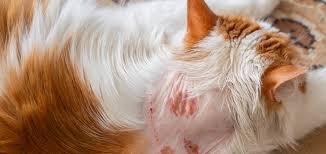
Eosinophilic plaque: Flat or raised, red, moist, and intensely itchy lesions — typically on the belly or inner thighs. Intense licking causes significant hair loss around the plaque.
Indolent ulcer (rodent ulcer): A painless ulceration on the upper lip — usually not itchy, but the lesion itself causes local fur loss.
Eosinophilic granuloma: Linear or nodular lesions, often appearing on the thighs or chin. Can cause localized bald spots.
EGC is often triggered by allergies — to fleas, food, or environmental allergens. Treatment addresses the underlying trigger alongside anti-inflammatory medications like corticosteroids to resolve the lesions.
Cause 10: Over-Grooming Caused by Pain
Cats will lick or chew an area of their body that is causing physical pain.
This is different from psychogenic alopecia triggered by emotional stress. A cat with joint pain, a wound, a urinary tract infection, or internal discomfort may fixate on a specific area — constantly licking it in an attempt to soothe the pain. Over time, that repetitive licking strips the fur away.
Common examples: a cat with hip or knee arthritis may create a bald spot directly over the joint. A cat with a UTI may create a bald spot on the lower belly or around the genital area from constant licking.
If your cat is focused on one very specific spot and the bald area is tender, warm, or swollen, pain should be suspected. A veterinary exam that includes palpation of the area and potentially X-rays or bloodwork will help identify what is hurting.
Cause 11: Ringworm in Kittens vs Adult Cats
Ringworm behaves differently depending on the age and immune status of the cat.
Kittens have less developed immune systems and are far more likely to develop ringworm than healthy adult cats. In kittens, ringworm can spread rapidly across the body, creating multiple bald patches within a short time.
Adult cats in good health often develop limited, localized ringworm lesions. Immunocompromised cats — those with FeLV (feline leukemia virus), FIV (feline immunodeficiency virus), or on long-term steroids — may develop widespread, hard-to-treat ringworm.
This is why rescue kittens and newly adopted cats should always be examined for ringworm before being introduced to a household with other pets or people.
Cause 12: Environmental and Chemical Irritants
Cats can develop bald spots from contact with household chemicals, cleaning products, or materials.
When a cat lies repeatedly on freshly cleaned surfaces — floors cleaned with strong detergents, laundry-treated bedding, or chemically treated carpets — the skin in contact areas can become irritated. This contact dermatitis causes inflammation, itching, and eventually bald spots.
Common chemical irritants:
- Strong floor cleaning agents
- Fabric softener residue on bedding
- Flea sprays applied incorrectly
- Essential oil diffusers (many are toxic to cats)
- Plastic food or water bowls (causing chin acne and hair loss around the chin)
Identifying and removing the chemical source is the first step. In many cases, the skin and fur recover fully once exposure stops.
Where Bald Spots Appear: What the Location Tells You
The location of a bald spot on your cat’s body is one of the most useful diagnostic clues.
| Location of Bald Spot | Most Likely Causes |
|---|---|
| Base of tail, lower back | Fleas, flea allergy dermatitis |
| Face, ears, paws | Ringworm, mites, contact allergy |
| Belly, inner thighs | Psychogenic alopecia, eosinophilic plaque, allergies |
| Neck, head | Food allergy, ringworm, mites |
| Symmetrical on both sides | Hormonal imbalance |
| Over a joint | Pain-induced overgrooming, arthritis |
| Chin | Contact allergy (plastic bowls), feline acne |
| Randomly distributed | Fleas, ringworm, bacterial infection |
This table is a guide, not a definitive diagnosis. Multiple causes can produce bald spots in the same location. A veterinary exam is always needed to confirm the cause.
How to Tell If Your Cat Is Overgrooming
Overgrooming is not always obvious. Many cats groom in private and the bald spot appears seemingly out of nowhere.
Signs your cat is overgrooming:
- Bald patches in areas the cat can reach with its tongue
- Smooth skin under the bald area with no redness or crusting
- You find loose hair on furniture and floors more than usual
- You catch your cat licking the same spot repeatedly
- Increased hairballs — a result of swallowing more fur
- The bald area shifts or expands over time
If you suspect overgrooming, a video camera or pet monitoring system can help catch the behavior in action. Showing your vet a video of the grooming behavior can also help them distinguish between compulsive grooming and normal coat maintenance.
How Vets Diagnose the Cause of Cat Bald Spots
A vet visit is almost always necessary to identify what is causing your cat’s bald spot. Do not rely on guesswork — many causes look identical from the outside.
Diagnostic tools vets use:
Physical examination: The vet will examine the bald area closely — checking skin texture, hair shaft condition, presence of broken hairs, scaling, redness, and lesions.
Flea comb: Run through the fur to check for live fleas or flea dirt.
Wood’s lamp: A UV light used in a dark room. Some ringworm strains cause infected hairs to glow bright apple-green under the lamp.
Skin scraping: A small sample of skin cells is collected and examined under a microscope for mites and other parasites.
Fungal culture: Hair and skin samples are cultured in a lab to detect ringworm (dermatophyte) growth. This is the most accurate method but takes up to three weeks for results.
Bloodwork and thyroid panel: Used to detect hormonal disorders including hyperthyroidism and Cushing’s disease.
Elimination diet trial: A strict hypoallergenic diet (novel protein or hydrolyzed protein) fed for 8–12 weeks to diagnose food allergies.
Skin biopsy: A small tissue sample taken and sent to a pathologist — used for complex cases including suspected immune-mediated disease or cancer.
Treatment Options for Cat Bald Spots
Treatment is always tailored to the cause. There is no single cure for feline alopecia.
| Cause | Treatment Approach |
|---|---|
| Fleas / FAD | Flea treatment for cat and home, year-round prevention |
| Ringworm | Topical antifungal cream, medicated baths, oral antifungals |
| Food allergy | Elimination diet, novel protein diet long-term |
| Environmental allergy | Antihistamines, steroids, Apoquel, allergen immunotherapy |
| Stress / psychogenic alopecia | Environmental enrichment, reduce stressors, anti-anxiety medication |
| Mites | Antiparasitic medication (topical, oral, or injectable) |
| Bacterial infection | Antibiotic course, wound cleaning |
| Hormonal imbalance | Medication, dietary change, or surgery depending on condition |
| Nutritional deficiency | High-quality diet, omega-3 supplements |
| Eosinophilic granuloma complex | Corticosteroids, address underlying allergen |
| Pain-induced licking | Treat underlying pain source — analgesics, joint support |
| Contact irritant | Remove the irritant, treat skin inflammation |
Will My Cat’s Fur Grow Back?
This is one of the most common follow-up questions — and the answer is usually yes, but it takes time.
Once the underlying cause is identified and treated, fur typically begins regrowing within four to eight weeks. Full coat regrowth can take two to six months depending on the severity of the hair loss and the cat’s age.
Exceptions: if a bacterial infection, severe trauma, or surgery has damaged the hair follicles permanently, the skin may scar and the fur may not return in that specific area. This is why early treatment matters — the longer a cause goes untreated, the greater the risk of follicle damage.
Kittens generally experience faster hair regrowth than older cats. Senior cats with hormonal conditions may need ongoing management rather than expecting a complete cure.
When to See a Vet About a Cat Bald Spot
Some bald spots can be monitored briefly at home. Others need a vet visit right away.
See a vet promptly if:
- The bald area is growing rapidly
- The skin underneath is red, raw, crusted, oozing, or smells
- Your cat is in visible discomfort — guarding the area or crying when touched
- You see circular, scaly lesions (ringworm is contagious to humans)
- The bald spot appeared suddenly on a previously healthy cat
- Multiple pets or family members are also showing skin issues (possible ringworm)
- Your cat has stopped eating, is losing weight, or seems generally unwell
- The bald spot has been present for more than two weeks without improvement
Do not wait if:
- There are open sores, ulcers, or bleeding skin
- Your cat’s behavior has dramatically changed alongside the hair loss
- You are immunocompromised — ringworm spreads easily to people with weakened immune systems
Preventing Cat Bald Spots
Not all bald spots can be prevented, but many can be significantly reduced with consistent care.
Use year-round flea prevention. Even indoor cats can get fleas from visitors, clothing, or other pets. Monthly flea prevention eliminates the most common cause of cat bald spots.
Feed a high-quality, complete diet. A nutritionally balanced diet with high-quality animal protein supports healthy hair follicles and a strong immune system. Consult your vet before changing your cat’s diet.
Schedule annual vet checkups. Regular blood panels and physical exams catch hormonal disorders, infections, and parasites early — before they cause significant coat damage.
Reduce environmental stress. Provide your cat with a stable routine, multiple safe hiding spaces, vertical territory (cat trees), and consistent feeding times. Reducing stress reduces overgrooming.
Clean with cat-safe products. Avoid harsh chemical cleaners near your cat’s sleeping and eating areas. Rinse surfaces thoroughly after cleaning and allow them to dry fully before allowing your cat access.
Introduce new pets gradually. Slow, structured introductions reduce inter-cat conflict and the stress-related overgrooming that follows sudden territorial changes.
Summary: Quick Reference — Cat Bald Spot Causes
| Cause | Bald Spot Type | Itchy? | Contagious? |
|---|---|---|---|
| Fleas / FAD | Patchy, tail base/belly | Yes | No |
| Ringworm | Circular, scaly | Mild/no | Yes |
| Allergies | Widespread or localized | Yes | No |
| Psychogenic alopecia | Smooth skin, belly/thighs | No | No |
| Mites | Patchy, face/ears/neck | Yes | Some species |
| Bacterial infection | Crusty, oozing | Yes | No |
| Hormonal imbalance | Symmetrical | No | No |
| Poor nutrition | Diffuse thinning | No | No |
| EGC | Raised red lesions | Yes | No |
| Pain-induced licking | Localized to one spot | Possible | No |
Frequently Asked Questions (FAQs)
Why does my cat have a bald spot on their belly?
Belly bald spots are most commonly caused by psychogenic alopecia (stress-related overgrooming) or allergies. Smooth skin with no redness suggests overgrooming. Red, itchy skin points to allergies or fleas.
Is ringworm the cause of my cat’s bald spot?
Ringworm creates circular, scaly, crusted bald patches — often on the face, ears, or paws. It is highly contagious to humans and other pets. See a vet immediately for a Wood’s lamp exam or fungal culture to confirm.
Can stress cause bald spots in cats?
Yes. Stress triggers compulsive overgrooming, called psychogenic alopecia. It typically creates smooth bald patches on the belly, inner thighs, and lower back — areas the cat can easily reach with its tongue.
Will my cat’s bald spot grow back?
In most cases, yes. Once the underlying cause is treated, fur begins regrowing within four to eight weeks. Full regrowth may take two to six months. Severe follicle damage from infection or scarring may prevent full regrowth.
How do I know if fleas are causing my cat’s bald spot?
Look for small dark specks (flea dirt) in the fur, intense scratching around the tail base, and red, irritated skin. Even one or two fleas can cause significant hair loss in cats with flea allergy dermatitis.
Can a cat’s diet cause a bald spot?
Yes. Deficiencies in protein, essential fatty acids, zinc, or biotin cause poor coat quality and can lead to hair loss. Switching to a high-quality, nutritionally complete cat food often improves coat condition significantly.
What does a hormonal bald spot look like in cats?
Hormonal bald spots tend to be symmetrical — appearing in matching locations on both sides of the body. The skin is usually smooth and undamaged. They are often caused by hyperthyroidism, Cushing’s disease, or post-pregnancy hormone changes.
Should I take my cat to the vet for a bald spot?
Yes, especially if the bald spot is growing, the skin underneath is red or crusty, your cat is uncomfortable, or multiple pets or family members have skin issues. A vet diagnosis is needed to rule out ringworm, parasites, and infections.
Can I treat my cat’s bald spot at home?
Limited home care — like flea prevention products and diet improvement — may help in minor cases. However, most causes of bald spots (ringworm, mites, bacterial infections, hormonal disorders) require prescription medication and a proper diagnosis.
How long does it take for a cat’s fur to grow back after treatment?
Fur typically begins returning four to eight weeks after the underlying cause is successfully treated. Full coat regrowth usually takes two to six months. Senior cats and cats with severe follicle damage may experience slower or partial regrowth.
Conclusion
Why does my cat have a bald spot is a question with many possible answers — and the right treatment depends entirely on identifying the correct cause.
Fleas and flea allergy dermatitis are the most common culprits, followed by ringworm, allergies, stress-related overgrooming, mites, bacterial infections, and hormonal disorders.
The location, texture, and appearance of the bald spot all provide important diagnostic clues.
While some bald spots resolve quickly once the cause is addressed, others require ongoing veterinary management.
Never ignore a bald spot that is growing, has red or crusted skin underneath, or is accompanied by behavioral changes.
Early diagnosis protects your cat’s skin, prevents the spread of contagious conditions like ringworm, and gives the best chance of full coat regrowth.
When in doubt, always consult your vet — your cat’s coat health is a window into their overall wellbeing.


