


Why Does My Burps Smell Like Rotten Eggs , you are dealing with sulfur burps caused by hydrogen sulfide gas in your digestive system.
This is more common than you think and usually harmless. But sometimes it signals something deeper going on in your gut.
What Are Sulfur Burps?
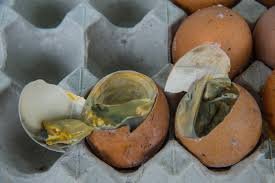
Sulfur burps are burps that carry a foul, rotten egg odor. They happen when hydrogen sulfide (H2S) gas builds up in your digestive tract and gets released through your mouth.
Normal burps release odorless gases like oxygen and carbon dioxide. Sulfur burps are different because they contain hydrogen sulfide, a smelly byproduct of digestion.
Your body produces gas between 13 to 21 times a day through burps and flatulence. When that gas picks up sulfur, the smell becomes very noticeable.
Why Do My Burps Smell Like Rotten Eggs?
The direct answer: hydrogen sulfide gas. When bacteria in your mouth and gut break down sulfur-containing foods or deal with digestive imbalances, they produce H2S gas.
That gas travels upward through your esophagus and comes out as a sulfur burp. The rotten egg smell is the signature sign of this gas.
It is completely normal in small amounts. It only becomes a concern when it happens frequently or comes with other symptoms.
The Science Behind the Rotten Egg Smell
Certain bacteria in your gut are called sulfate-reducing bacteria. Their job is to break down sulfur compounds in food.
When they do this, hydrogen sulfide is released as a byproduct. This gas smells exactly like rotten eggs even in tiny amounts.
The smell is so strong because your nose can detect hydrogen sulfide at very low concentrations, which is why even a small amount in a burp is noticeable.
Main Causes of Burps That Smell Like Rotten Eggs
There are many reasons your burps smell like sulfur. Below are the most common causes organized clearly.
High-Sulfur Foods
The number one cause of sulfur burps is eating foods high in sulfur. When you digest these, gut bacteria produce extra hydrogen sulfide.
Common high-sulfur foods include eggs, garlic, onions, broccoli, cabbage, cauliflower, Brussels sprouts, red meat, and dairy products. Even beer contains sulfur compounds that can trigger smelly burps.
Eating large portions of these foods in one sitting almost always leads to sulfur burps within a few hours.
| High-Sulfur Foods | Why They Cause Sulfur Burps |
|---|---|
| Eggs | Very high in sulfur protein (cysteine, methionine) |
| Garlic and Onions | Contain allicin and sulfur compounds |
| Broccoli and Cauliflower | Cruciferous vegetables release H2S during digestion |
| Red Meat | Rich in sulfur-containing amino acids |
| Dairy Products | Lactose and proteins trigger H2S in sensitive people |
| Beer and Wine | Fermentation produces sulfur compounds |
| Cabbage and Brussels Sprouts | Glucosinolates break down into sulfur gas |
Swallowing Excess Air
When you eat too fast, chew gum, drink carbonated drinks, or smoke, you swallow more air than normal. That air gets trapped in your digestive tract.
As it moves through the gut, it mixes with sulfur gases already present. The result is a burp that smells like rotten eggs even if your diet is otherwise clean.
Eating slowly and avoiding carbonated beverages is a simple first step to reducing this.
H. Pylori Bacterial Infection
 cobacter pylori (H. pylori) is a very common stomach bacteria that infects more than half of the world’s population. Many people carry it without symptoms.
When it does cause symptoms, frequent sulfur burps are one of them, along with bloating, heartburn, nausea, and stomach pain. H. pylori disrupts the stomach lining and creates an environment where more H2S is produced.
A doctor can test for H. pylori with a breath test, blood test, or stool test. It is treatable with antibiotics.
GERD (Acid Reflux)
Gastroesophageal reflux disease (GERD) is a condition where stomach acid regularly flows back up into the esophagus. Stomach acid can carry sulfur compounds with it.
When that acid rises and escapes as a burp, it brings the rotten egg smell along. People with GERD often notice the sulfur smell is worse after eating trigger foods or lying down.
Managing GERD with dietary changes and medication usually reduces sulfur burps significantly.
Irritable Bowel Syndrome (IBS)
IBS is a chronic digestive condition that affects how your gut moves food and gas. People with IBS often have an altered gut microbiome with more sulfate-reducing bacteria.
This means more H2S is produced than in a healthy gut, leading to frequent sulfur burps, bloating, and flatulence. IBS-related sulfur burps tend to be recurring and happen even without eating specific trigger foods.
Managing IBS through a low-FODMAP diet and stress management can help control sulfur burps.
SIBO (Small Intestinal Bacterial Overgrowth)
SIBO happens when too many bacteria grow in the small intestine. Normally, the small intestine has far fewer bacteria than the large intestine.
With SIBO, those extra bacteria break down food earlier than they should, producing large amounts of hydrogen sulfide gas. The result is very frequent and strong sulfur burps, often accompanied by bloating and diarrhea.
SIBO requires a specific breath test for diagnosis and is typically treated with targeted antibiotics.
Giardia Infection
Giardia is a parasitic infection of the digestive tract. It is commonly picked up from contaminated water or food.
One of the most distinctive symptoms of Giardia infection is extremely foul-smelling, egg-like burps. Other symptoms include watery diarrhea, stomach cramps, and nausea.
If you have been traveling or drinking untreated water and your burps suddenly smell very strongly of rotten eggs, see a doctor. Giardia is treatable with specific antiparasitic medications.
Medications That Cause Sulfur Burps
Some prescription medications are known to cause sulfur burps as a side effect. This includes Ozempic (semaglutide) and Wegovy, which are widely used for diabetes and weight loss.
These drugs slow down stomach emptying, which gives bacteria more time to produce H2S gas. Antibiotics can also disrupt the gut microbiome temporarily, sometimes increasing sulfur burp production.
If you started a new medication and then developed sulfur burps, speak to your prescribing doctor about alternatives or management strategies.
| Medication Type | How It Causes Sulfur Burps |
|---|---|
| Ozempic / Wegovy (semaglutide) | Slows gastric emptying, more bacterial fermentation time |
| Antibiotics | Disrupts gut microbiome balance |
| Some diabetes medications | Alters gut bacteria activity |
| NSAIDs (long-term use) | Can irritate stomach lining like H. pylori |
Food Intolerances and Celiac Disease

People with lactose intolerance cannot properly digest dairy. When undigested lactose reaches the colon, gut bacteria ferment it and produce hydrogen sulfide gas.
Similarly, people with celiac disease or gluten sensitivity experience gut inflammation that alters their microbiome and increases H2S production. Both conditions can cause sulfur burps even from foods that would not affect someone without the intolerance.
Removing the trigger food usually resolves the sulfur burps within a few days.
Inflammatory Bowel Disease (IBD)
Crohn’s disease and ulcerative colitis are both forms of IBD that cause ongoing inflammation in the digestive tract. This inflammation changes the balance of bacteria in the gut.
Higher concentrations of sulfate-reducing bacteria thrive in inflamed gut environments. People with IBD are significantly more likely to experience frequent and severe sulfur burps than people with healthy guts.
Gastroparesis
Gastroparesis is a condition where the stomach empties too slowly. Food stays in the stomach far longer than it should.
The longer food sits, the more time bacteria have to ferment it and produce hydrogen sulfide. This leads to persistent sulfur burps, nausea, bloating, and a feeling of fullness after eating very little.
Gastroparesis is often linked to diabetes and requires medical diagnosis and treatment.
How Long Do Sulfur Burps Last?
| Cause | Typical Duration |
|---|---|
| High-sulfur food | A few hours to 1 day |
| Eating too fast or air swallowing | Minutes to a few hours |
| Mild digestive upset | 1 to 2 days |
| Bacterial infection (H. pylori) | Weeks to months without treatment |
| Giardia infection | Weeks without treatment |
| GERD or IBS | Recurring, managed with treatment |
| Medication side effect | Ongoing while taking medication |
Food-triggered sulfur burps usually resolve within hours once the food is digested. Infection-related burps last weeks or longer without treatment.
Symptoms That Come With Sulfur Burps
Sulfur burps alone are often harmless. But when they come with other symptoms, it is a sign of something bigger.
Watch out for bloating, abdominal pain or cramping, diarrhea, nausea and vomiting, fever, unexplained weight loss, and heartburn. These accompanying symptoms help doctors figure out the root cause.
If sulfur burps happen more than three times a week consistently, see a doctor. That frequency points toward an underlying condition rather than just diet.
Home Remedies to Get Rid of Sulfur Burps Fast
Most sulfur burps can be managed at home with simple remedies. These work best when the cause is dietary or mild digestive upset.
Drink Plenty of Water
Water helps flush sulfur compounds through your digestive system faster. Drinking warm water with lemon can also help stimulate digestion and reduce gas buildup.
Aim for at least 8 glasses of water per day, especially after eating sulfur-rich foods.
Ginger Tea
Ginger is one of the most well-researched natural digestive aids. It has anti-inflammatory properties and actively reduces gas production in the gut.
Brew fresh ginger tea by simmering a few slices in hot water for 5 minutes. Drink it after meals for the best results.
Peppermint Tea
Peppermint relaxes the muscles of the digestive tract and helps gas move through more efficiently. It reduces bloating and lowers the amount of gas that escapes as a sulfur burp.
Peppermint tea or peppermint oil capsules (enteric-coated) are both effective options.
Green Tea
Green tea supports overall gut health and aids in removing toxins from the digestive system. Drinking a cup of green tea after meals can help reduce the frequency of sulfur burps over time.
Apple Cider Vinegar
Mixing 1 to 2 tablespoons of apple cider vinegar in warm water before meals can help balance stomach acid levels. A properly acidic stomach environment is less favorable for H2S-producing bacteria.
Always dilute apple cider vinegar. Never drink it straight as it can damage tooth enamel and esophageal tissue.
Baking Soda Water
Dissolving half a teaspoon of baking soda in a cup of water can help neutralize excess stomach acid. This can give quick temporary relief from sulfur burps related to acid reflux or GERD.
Use this sparingly. Overuse of baking soda can cause gastrointestinal disturbances.
Manuka Honey
Manuka honey has antibacterial properties that can help control harmful bacteria in the gut. A teaspoon of Manuka honey may help coat the stomach lining and reduce irritation that contributes to sulfur burps.
It can also help fight H. pylori bacteria to a mild degree, though it does not replace medical treatment.
Probiotics
Probiotics introduce beneficial bacteria into the gut that compete against H2S-producing bacteria. Eating probiotic-rich foods like yogurt, kefir, kimchi, and sauerkraut can help restore gut microbiome balance.
Probiotic supplements are also available. Choose a multi-strain product with at least 10 billion CFU for best results.
Activated Charcoal
Activated charcoal tablets can absorb excess gas in the digestive tract and reduce unpleasant odors. They are available over-the-counter in most pharmacies.
Do not take activated charcoal at the same time as medications as it can reduce their absorption.
Walk After Eating
A gentle 10 to 15 minute walk after meals helps stimulate digestive motility. When food moves through your digestive tract at the right speed, bacteria have less time to produce excess hydrogen sulfide.
This is especially helpful for people with slow digestion or gastroparesis.
| Home Remedy | Best For | How to Use |
|---|---|---|
| Ginger Tea | Gas and bloating | Brew and drink after meals |
| Peppermint Tea | Relaxing gut muscles | 1 cup after meals |
| Apple Cider Vinegar | Balancing stomach acid | 1-2 tbsp in water before meals |
| Baking Soda Water | Acid reflux related burps | 1/2 tsp in water, occasional use |
| Probiotics | Gut microbiome imbalance | Daily with food |
| Activated Charcoal | Absorbing gas fast | Per label instructions |
| Green Tea | Overall gut health | 1-2 cups daily |
| Manuka Honey | Bacterial overgrowth | 1 tsp before meals |
Foods to Avoid to Prevent Sulfur Burps
Avoiding high-sulfur foods is the fastest way to prevent sulfur burps from recurring. You do not have to eliminate them completely, but reducing portion sizes makes a big difference.
Limit eggs, garlic, onions, red meat, cruciferous vegetables, dairy, alcohol, and processed foods high in sulfur preservatives. Keep a food diary for one week and note which foods consistently trigger your sulfur burps.
Foods That Help Reduce Sulfur Burps
Some foods actively support better digestion and reduce hydrogen sulfide production. Focus on adding more of these into your daily diet.
Fennel seeds aid digestion and reduce gas. Chamomile tea calms the stomach lining. Turmeric has anti-inflammatory properties that support gut health. Caraway seeds have a long history of soothing digestive gas. Bananas and plain rice are easy on the stomach and low in sulfur.
When to See a Doctor
Occasional sulfur burps are nothing to worry about. But certain situations call for medical attention.
See a doctor if your burps smell like rotten eggs more than three times a week, you also have diarrhea, fever, or vomiting, you have unexplained weight loss, your sulfur burps have lasted more than two weeks, or you recently traveled and started getting them suddenly.
These signs point toward infections like H. pylori or Giardia, or conditions like GERD, IBS, SIBO, or IBD that need proper diagnosis and treatment.
Medical Treatments for Sulfur Burps
When home remedies do not work, doctors have several treatment options depending on the underlying cause.
For H. pylori, a course of antibiotics combined with acid-reducing medication is the standard treatment. For GERD, proton pump inhibitors (PPIs) reduce acid production and help heal the esophagus. For IBS, a combination of dietary changes, fiber supplements, and sometimes low-dose antidepressants helps manage symptoms.
For SIBO, targeted antibiotics like rifaximin specifically treat bacterial overgrowth in the small intestine. For Giardia, antiparasitic drugs like metronidazole or tinidazole clear the infection quickly.
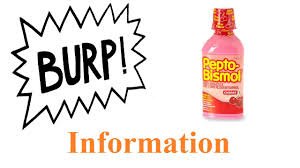
Bismuth subsalicylate (Pepto-Bismol) is an over-the-counter option that neutralizes hydrogen sulfide gas directly in the gut. It is one of the fastest ways to get short-term relief from sulfur burps.
Sulfur Burps in Children
Children can get sulfur burps for the same reasons as adults. Common causes include eating sulfur-rich foods, swallowing air, and occasional stomach bugs.
If a child has persistent sulfur burps with stomach pain or diarrhea, see a pediatrician. Giardia is more common in children who drink from streams or lakes, or who attend daycare.
Sulfur Burps During Pregnancy
Hormonal changes during pregnancy slow down digestion, which gives bacteria more time to produce hydrogen sulfide. This makes sulfur burps relatively common in pregnant women.
Eating smaller meals, avoiding high-sulfur trigger foods, and staying hydrated are the safest remedies during pregnancy. Always speak to your OB before trying any supplement or OTC medication.
Sulfur Burps and Ozempic or Wegovy
If you are taking semaglutide (Ozempic or Wegovy), sulfur burps are a known side effect. These medications slow gastric emptying significantly.
Food stays in the stomach longer, which increases bacterial fermentation and H2S production. Managing this involves eating smaller meals, avoiding high-sulfur foods, staying hydrated, and eating slowly.
Most people find the sulfur burps improve over time as their body adjusts to the medication.
Prevention Tips for Sulfur Burps
Preventing sulfur burps is mostly about lifestyle and diet habits. Small consistent changes make a big long-term difference.
Eat slowly and chew food thoroughly. Avoid eating too close to bedtime. Reduce high-sulfur foods especially in large quantities. Stay well hydrated throughout the day. Take probiotics regularly to maintain gut microbiome balance. Exercise moderately to keep digestion moving. Limit alcohol, especially beer.
Quick Reference: Sulfur Burp Causes and Solutions
| Cause | Key Symptoms | Solution |
|---|---|---|
| High-sulfur foods | Burps after eating specific foods | Reduce intake, food diary |
| Air swallowing | Frequent burps, no bad smell normally | Eat slower, no gum or soda |
| H. pylori infection | Bloating, heartburn, nausea | Antibiotic treatment from doctor |
| GERD | Heartburn, acid taste, chest discomfort | PPIs, dietary changes |
| IBS | Recurring burps, bloating, diarrhea | Low-FODMAP diet, stress management |
| SIBO | Severe bloating, frequent sulfur burps | Rifaximin antibiotics |
| Giardia | Sudden onset, watery diarrhea, travel history | Antiparasitic medication |
| Medication side effect | Started after new prescription | Speak to prescribing doctor |
| Lactose intolerance | Burps after dairy | Remove dairy, lactase supplements |
Frequently Asked Questions (FAQs)
Why do my burps smell like rotten eggs suddenly?
A sudden onset is usually triggered by something you recently ate that is high in sulfur, or the beginning of a stomach infection like H. pylori or Giardia.
Are sulfur burps a sign of something serious?
Most sulfur burps are harmless and diet-related. They become a concern if they happen more than three times a week or come with pain, fever, or diarrhea.
Can sulfur burps be a sign of H. pylori infection?
Yes. H. pylori is one of the most common causes of recurring sulfur burps, alongside bloating, heartburn, and nausea. A doctor can test and treat it easily.
How do I get rid of sulfur burps fast?
Drink ginger or peppermint tea, take bismuth subsalicylate (Pepto-Bismol), walk after eating, and avoid high-sulfur foods. Most mild cases resolve within hours.
What foods cause sulfur burps?
Eggs, garlic, onions, broccoli, cauliflower, Brussels sprouts, red meat, dairy products, and beer are the top culprits due to their high sulfur content.
Do sulfur burps go away on their own?
Yes, if diet is the cause, they usually resolve within a few hours to a day. Infection-related sulfur burps need treatment and will not go away on their own.
Can stress cause sulfur burps?
Yes. Stress affects gut motility and microbiome balance, which can increase H2S production and lead to sulfur burps, especially in people with IBS.
Why do Ozempic and Wegovy cause sulfur burps?
These medications slow stomach emptying, giving gut bacteria more time to ferment food and produce hydrogen sulfide gas. Dietary adjustments usually help manage this.
Can probiotics help with sulfur burps?
Yes. Probiotics restore beneficial bacteria in the gut that compete against H2S-producing bacteria, reducing the frequency and intensity of sulfur burps over time.
When should I see a doctor for sulfur burps?
See a doctor if sulfur burps persist more than two weeks, occur more than three times a week, or come with fever, unexplained weight loss, or severe diarrhea.
Conclusion
Burps that smell like rotten eggs are almost always caused by hydrogen sulfide gas produced during digestion.
The causes range from simple dietary choices like eating eggs, garlic, and cruciferous vegetables to more complex conditions like H. pylori infection, GERD, IBS, SIBO, or Giardia.
In most cases, sulfur burps are temporary and resolve with basic dietary changes, hydration, and natural remedies like ginger tea or probiotics.
However, if your sulfur burps are frequent, persistent, or accompanied by other symptoms, it is important to see a doctor for proper diagnosis and treatment.
Understanding the root cause is the most effective path to lasting relief.
Take control of your gut health, identify your triggers, and use this guide to make informed decisions about your digestive wellbeing in 2026.


