

Why Do Wasps Sting for No Reason? Getting stung out of nowhere feels random, but it almost never is. Wasps sting for no reason so rarely that entomologists call it a myth more than a fact.
Why Do Wasps Sting for No Reason?
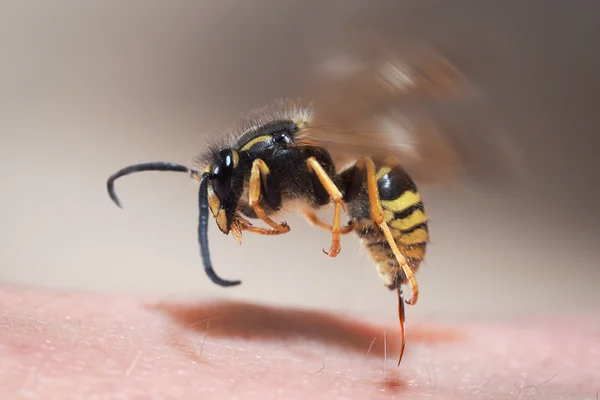

Wasps do not sting without a cause. Every sting is tied to a trigger — defense, food competition, vibration, scent, or sudden movement — even when that trigger isn’t obvious to you.
Most “random” stings happen because a person unknowingly got close to a nest or startled a wasp searching for food.
Why Wasps Sting: The Real Reasons Explained
Wasps rely on their stinger for survival, not aggression for its own sake. Understanding their triggers makes stings feel far less mysterious.
Defending the Nest
A wasp’s top priority is protecting its colony. Getting within a few feet of a hidden nest — in a wall, shrub, or eave — can be read as a threat.
Worker wasps release alarm pheromones when disturbed, which can call in nestmates to sting as well.
Protecting Food Sources
Wasps hunt for sugar and protein, especially near picnics, trash cans, and sweet drinks. If you reach toward food a wasp has claimed, it may sting defensively.
This is one of the most common causes of stings that feel unprovoked.
Reacting to Sudden Movement or Vibration
Swatting, flapping your arms, or loud vibrations near a wasp can register as an attack. The wasp’s response is instinctive, not personal.
Standing still or walking away calmly is safer than swinging at it.
Late-Summer Aggression
Wasp colonies peak and then decline in late summer and early fall. Food becomes scarce and colonies grow disorganized, pushing hungry, irritable wasps into closer contact with people.
This seasonal shift explains why sting reports spike from August through October.
Scent, Color, and Sweat
Strong perfumes, bright floral clothing, and sweat can all attract wasps or make them more reactive. None of these guarantee a sting, but they raise the odds of an encounter.
Open food, uncovered soda cans, and overripe fruit have the same effect.
Do Wasps Really Sting Without Any Reason?
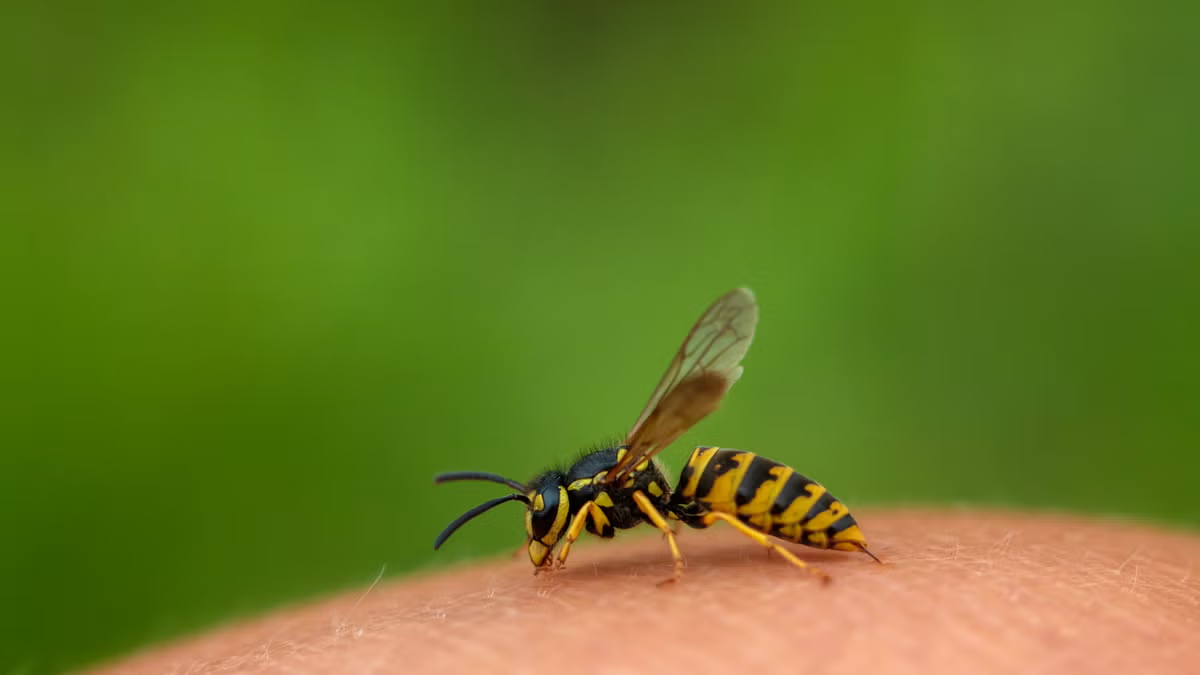

No credible research supports truly unprovoked stinging. What looks random to a person is almost always a defensive or resource-driven response from the wasp’s point of view.
The confusion usually comes from not noticing the trigger — a nearby nest, a hand near their food, or a fast movement seconds earlier.
Wasps vs Bees: Sting Behavior Compared
| Trait | Wasps | Bees |
|---|---|---|
| Stinger type | Smooth, reusable | Barbed, single-use |
| Can sting multiple times | Yes | No (dies after stinging) |
| Main sting trigger | Defense, food, disturbance | Defense of hive |
| Peak aggression season | Late summer to fall | Spring to early summer |
| Diet | Sugars and other insects | Nectar and pollen |
What Happens When a Wasp Stings You
Wasp venom typically causes sharp, immediate pain, redness, and swelling that fades within a few hours. A small percentage of people experience stronger allergic reactions.
Because wasps don’t lose their stinger, a single wasp can sting several times in one encounter, unlike a honeybee.
How to Avoid Getting Stung
Most stings are preventable once you understand what draws wasps in.
Prevention Tips
- Cover food and drinks when eating outdoors.
- Avoid swatting; walk away slowly instead.
- Check eaves, sheds, and shrubs for nests before yard work.
- Skip strong perfumes and floral-print clothing near gardens.
- Keep trash cans sealed, especially in late summer.
What to Do If You Get Stung
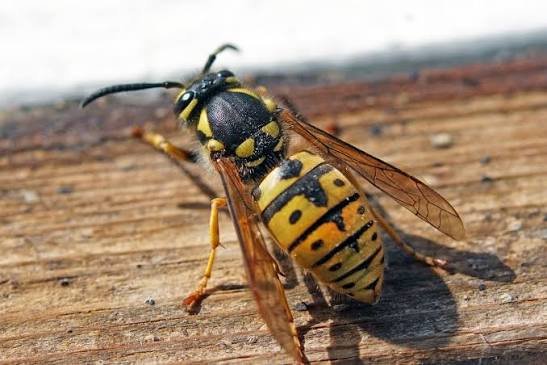

Wash the area with soap and water, then apply a cold compress to reduce swelling. Over-the-counter antihistamines or pain relievers can ease discomfort for most people.
Avoid scratching the site, since this can increase irritation and swelling.
When to Seek Medical Help
Seek emergency care immediately if you notice difficulty breathing, swelling of the face or throat, dizziness, or hives spreading beyond the sting site. These can be signs of anaphylaxis, which requires urgent treatment.
Multiple stings at once, especially for children or people with known allergies, also warrant a medical evaluation.
Also Read:
- From Hair Care Idea To Business: How Bo International Supports Startup Brands
- Portable Space Heaters vs Fan Heaters: Pros and Cons
- How Care Patterns Help During Steps to Report Suspected Nursing Home Abuse
- How Insurance Responses Can Affect a Houston, TX Auto Accident Claim
- The Investigation Steps a Premises Liability Lawyer May Take After an Injury
- Does Being a Loan Guarantor Affect Your CIBIL Score
- Do You Need Legal Help After a Truck Accident? Here’s What to Know
- Employee Rights and Legal Remedies in Whistleblower Retaliation Cases
- Download Gayatri Mantra Best Ringtone Mp3/M4R
- Grand Theft Auto: San Andreas – Theme Song Download
- Download Mission Impossible – Original Theme Song
- Randy Orton – Voices WWE Theme Song Download
- 430+ Trendy Roblox Username Ideas for Boys & Girls
- 1000+ Trendy Instagram Usernames Ideas for Girls
- Letflix Review – Features, How It Works and Safe to Use?
- Lorde – Liability (Instrumental)
- The LOX – Ignorant (Instrumental)
- Dae Dae – Spend It (Instrumental)
- Mac Miller – Diablo (Instrumental)
- Little Mix – Pretend It’s Ok (Instrumental)
- David Guetta – Lovers On The Sun (Instrumental)
- Why Is My Tongue Itchy? Common Causes & Treatments
- Why Are MRIs So Expensive? The Real Cost Explained
- Why Does My Gum Hurt When I Touch It? Causes & Relief
- Why Do My Feet Burn at Night? 9 Possible Causes

Frequently Asked Questions (FAQs)
Do wasps really sting for no reason?
No. Every sting is tied to a trigger like nest defense, food competition, or sudden movement, even if the cause isn’t obvious to you.
Why do wasps seem more aggressive in late summer?
Colonies decline in late summer, food becomes scarce, and wasps grow more desperate and disorganized, increasing contact with people.
Can a wasp sting you more than once?
Yes. Unlike bees, a wasp’s stinger is smooth and reusable, so it can sting multiple times in one encounter.
What attracts wasps to humans?
Sweet drinks, uncovered food, sweat, bright floral clothing, and strong perfumes can all draw wasps closer.
Does swatting at a wasp make it more likely to sting?
Yes. Sudden movement is read as a threat and often triggers a defensive sting.
How long does wasp sting pain usually last?
Pain and swelling typically peak within an hour and fade within a few hours for most people.
Are wasp stings dangerous?
For most people, no. But those with allergies can experience serious reactions, including anaphylaxis, which needs emergency care.
How can you tell a wasp sting from a bee sting?
A wasp sting rarely leaves a stinger behind, while a bee often leaves its barbed stinger in the skin.
What should you do immediately after a wasp sting?
Wash the area with soap and water, then apply a cold compress to reduce pain and swelling.
When should you see a doctor for a wasp sting?
Seek help if you notice facial swelling, trouble breathing, dizziness, or hives spreading beyond the sting site.
Do wasps attack in groups?
Yes, especially near a nest. Alarm pheromones can call in other workers to help defend the colony.
Why did a wasp sting me when I wasn’t near a nest?
You may have gotten close to food it was guarding, moved suddenly, or startled it without realizing it.
Are certain colors more likely to attract wasps?
Bright floral patterns and dark colors can draw more attention from wasps than plain, light-colored clothing.
Can wasps sting through clothing?
Yes, especially thin fabrics. Thicker clothing offers more protection but isn’t guaranteed.
Do wasps sting people who stay still?
Rarely. Staying calm and still is far safer than swatting or running, which can trigger a defensive response.
Is it true wasps get more aggressive on hot days?
Warmer temperatures increase wasp activity overall, which can raise the chances of an encounter, though heat itself isn’t the direct trigger.
Can one sting cause an allergic reaction even if past stings didn’t?
Yes. Allergic sensitivity can develop over time, so a past mild reaction doesn’t guarantee future stings will be mild too.
Do wasps serve any useful purpose?
Yes. Many wasp species prey on garden pests and help control insect populations naturally.
Conclusion
Wasps sting for no reason far less often than it feels in the moment. Behind almost every sting is a defensive trigger — a threatened nest, guarded food, sudden movement, or the stress of late-summer colony decline.
Knowing these triggers won’t eliminate every risk, but it makes wasp behavior predictable enough to avoid most stings. When in doubt, stay calm, move slowly, and give wasps space rather than swatting at them.