


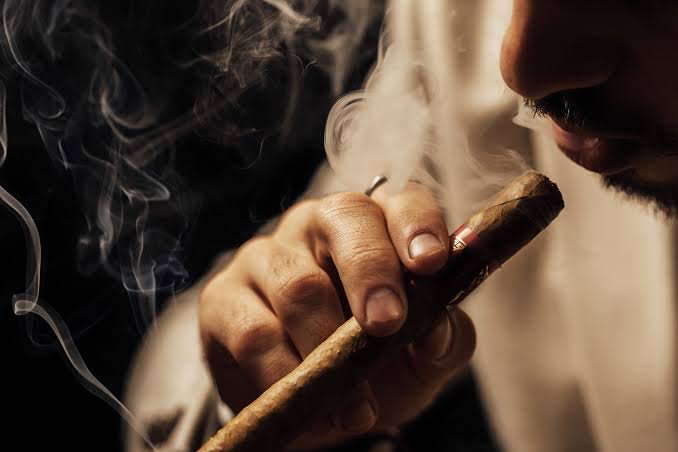
Why do people smoke cigars is one of the most searched questions about tobacco culture today. Unlike cigarettes, cigars carry a different identity — they are tied to celebration, ritual, luxury, and lifestyle.
People smoke cigars for reasons that go far beyond nicotine. From the slow, meditative act of lighting one up after a long day to the social bonding that happens inside a cigar lounge, every puff tells a story.
The History Behind Why People Smoke Cigars
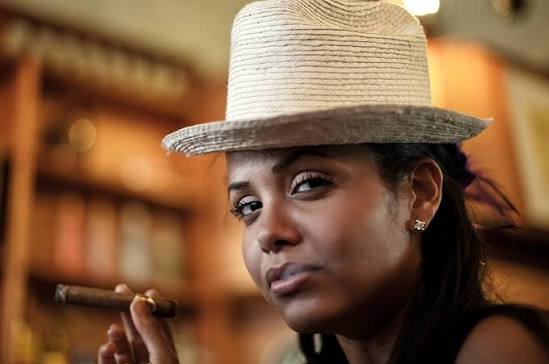
Cigar smoking has roots stretching back hundreds of years. Indigenous peoples of the Americas were among the first to cultivate and consume tobacco, using it in rituals and ceremonies. European explorers brought the practice back to Europe, where it quickly became associated with the aristocratic elite and upper class.
By the 19th century, cigars had become a symbol of sophistication. Famous figures like Winston Churchill, Mark Twain, Fidel Castro, and John F. Kennedy became synonymous with cigar culture. Their public association with premium cigars made the habit deeply linked to power, intellect, and influence.
The U.S. cigar market has carried this legacy forward. It was valued at approximately $22 billion in 2022 and is projected to grow by 4% annually through 2026, reflecting an ongoing and expanding global interest.
Why Do People Smoke Cigars — The Core Reasons
Understanding the full picture means looking at each reason individually. People do not all smoke cigars for the same motivation. Some seek calm, others seek connection, and many seek cultural identity.
| Reason | Description |
|---|---|
| Relaxation | Slowing down, reducing stress, and entering a meditative state |
| Status and Prestige | Signaling wealth, power, and social sophistication |
| Celebration | Marking life milestones like births, weddings, and promotions |
| Social Bonding | Building camaraderie in cigar lounges, events, and clubs |
| Flavor and Taste | Exploring complex flavor profiles like wine or coffee tasting |
| Ritual and Tradition | The deliberate, ceremonial act of cutting, lighting, and smoking |
| Luxury and Craftsmanship | Appreciating hand-rolled artisan tobacco |
| Cultural Identity | Connecting with Cuban, Latin American, or regional tobacco heritage |
| Nostalgia | Linking to memories of family, celebrations, or past moments |
| Stress Relief | Using the ritual as a coping tool during difficult times |
Why Do People Smoke Cigars for Relaxation
Relaxation is the single most cited reason why people smoke cigars. The act itself is slow and intentional. A cigar cannot be rushed — it takes anywhere from 30 minutes to over two hours to smoke, depending on its size.
This built-in patience forces the smoker to slow down. In a world that rewards speed and productivity, lighting a cigar is a deliberate act of deceleration. The mind shifts away from tasks and toward the present moment.
The ritual that precedes the actual smoking also contributes to relaxation. Inspecting the cigar, smelling it, selecting the right cutter, making the cut, toasting the foot with a flame — all of these steps create a meditative sequence that calms the nervous system before the first puff is even taken.
The Meditative Quality of Cigar Smoking
Many cigar enthusiasts describe the experience as comparable to meditation or yoga. The focus required to draw smoke correctly, keep the burn even, and appreciate the evolving flavor notes demands full present-moment awareness.
This mindfulness effect is not accidental. When you are focused on a cigar, you are not scrolling a phone, checking emails, or replaying work stress. The cigar becomes an anchor to the present.
Smoking in calm environments — a patio, a backyard, near a firepit, or inside a quiet lounge — deepens the relaxation effect. The combination of aroma, setting, and ritual creates what many describe as a “mini vacation for the senses.”
Cigars as Stress Relief After a Long Day
After a stressful day, many people reach for a cigar the way others might reach for a glass of wine or a long bath. The slow burn of a premium cigar creates a reliable wind-down ritual that the brain begins to associate with the end of stress.
This association builds over time. Every time you light up in a calm moment, the brain registers the connection between the ritual and the feeling of relief. The cigar becomes a psychological trigger for relaxation — an earned reward.
Cigars are also often paired with a glass of whiskey, scotch, rum, or coffee. These pairings amplify the sensory pleasure, making the entire experience feel indulgent and restorative.
Why Do People Smoke Cigars as a Status Symbol
Cigars have been a status symbol for centuries. During the 19th and early 20th centuries, powerful businessmen, politicians, and celebrities defined cigar smoking as the habit of the elite. The smoking room evolved into the boardroom, where deals were made and power was displayed over a lit cigar.
The expensive nature of premium cigars made them naturally exclusive. High-quality hand-rolled cigars from regions like Cuba, Nicaragua, and the Dominican Republic require months or years of tobacco aging, expert blending, and skilled rolling. This craftsmanship carries a price tag that signals both affluence and discernment.
Famous Cigar Smokers Who Built the Status Image
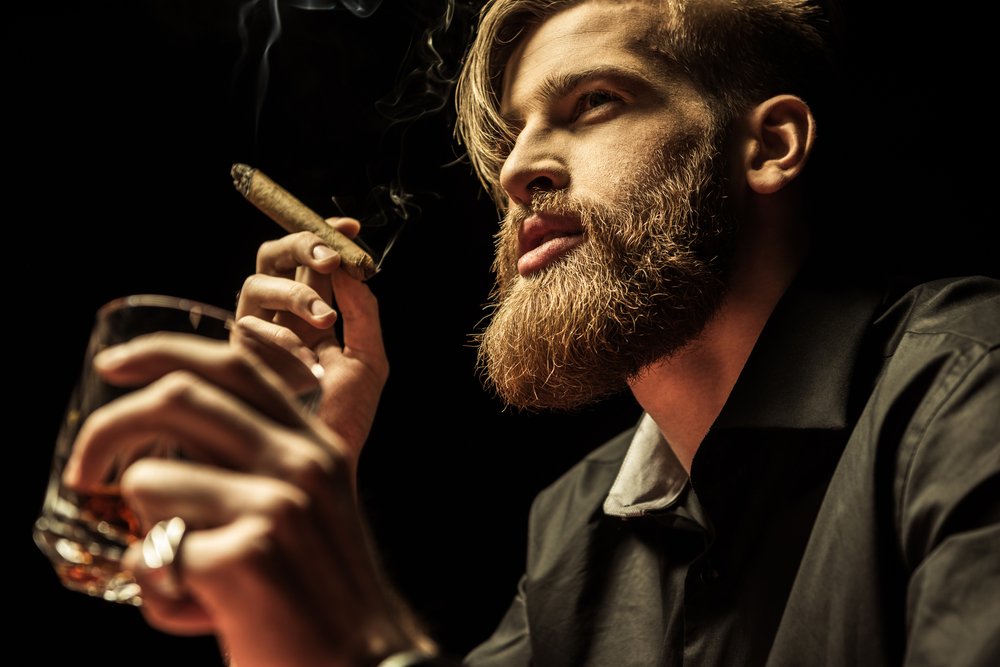
Figures like Winston Churchill, who smoked up to ten cigars a day, made the cigar a symbol of defiance, strength, and authority. John F. Kennedy famously ordered 1,200 Cuban cigars before signing the embargo against Cuba in 1962 — not wanting to lose access to his favorite H. Upmanns. Fidel Castro became globally associated with Cuban cigars, using them as political symbolism.
In film and television, cigars continue to appear in the hands of powerful characters. From Scarface to Goodfellas to The Godfather, the cigar is shorthand for authority and control. This media representation reinforces the status association in the minds of audiences worldwide.
Premium Cigar Brands That Signal Status
| Brand | Origin | Known For |
|---|---|---|
| Cohiba | Cuba | National pride, exclusivity, limited runs |
| Montecristo | Cuba | Heritage, smooth complexity |
| Davidoff | Dominican Republic | Luxury branding, refined taste |
| Padrón | Nicaragua | Bold flavors, anniversary editions |
| Arturo Fuente | Dominican Republic | Rare blends, collector editions |
| AJ Fernandez | Nicaragua | Bold, modern luxury |
Owning and smoking a Cohiba or a Davidoff is not just about tobacco — it communicates taste, financial success, and membership in a discerning lifestyle community.
Are Cigars Still a Status Symbol in 2026?
The answer is yes, but the nature of that status has evolved. In earlier decades, simply smoking any cigar signaled wealth. Today, cigar enthusiasts look closely at what specific cigar you are smoking, where it is from, and how rare or exclusive it is.
Limited edition releases, anniversary series, and single-country-origin blends now define status within the cigar community. Knowing the difference between a Connecticut wrapper and a Habano, or understanding why a Nicaraguan puro differs from a Honduran blend, signals true sophistication.
The cigar community has also become more inclusive since the “Cigar Boom” of the mid-1990s. While premium cigars still carry prestige, people from all income levels now participate in cigar culture — attending lounge events, building humidor collections, and joining online communities.
Why Do People Smoke Cigars to Celebrate
Celebration is deeply woven into cigar culture. Across virtually every culture where cigars exist, they mark significant life events.
Handing out cigars to announce the birth of a child is one of the oldest Western traditions. Lighting a victory cigar after a business deal is closed, a sports championship is won, or a personal goal is reached is a globally recognized ritual. Weddings, graduations, retirements, and promotions all become natural occasions for cigars.
This celebratory association creates a powerful emotional memory loop. Because cigars are only brought out during joyful, meaningful moments, every subsequent cigar carries a trace of those memories. The smell and taste become emotionally loaded — connected to the best moments of one’s life.
Why Do People Smoke Cigars for Social Bonding
Cigar smoking is rarely a solitary act. People who smoke cigars overwhelmingly prefer to do so in the company of others. The cigar lounge — a dedicated social space built around tobacco — exists precisely because of this communal dimension.
Inside a cigar lounge, barriers dissolve. Lawyers, tradespeople, executives, retirees, and students sit side by side. The shared experience of a lit cigar becomes the social equalizer. Conversations flow more naturally. Stories are shared. Friendships are formed.
There is even a specific term for this phenomenon in cigar culture — “herf.” A herf is any gathering of cigar smokers, from two friends on a patio to dozens of enthusiasts at a formal cigar event. The word has no exact origin but has become universally understood shorthand for “let’s get together and smoke.”
Cigars in Business and Networking
Historically, the cigar was a tool of business communication. Sharing a cigar in a private club or after a dinner meeting created an atmosphere of trust and mutual respect. The leisurely pace of cigar smoking gave conversations room to breathe, ideas time to develop, and relationships time to form.
This tradition continues in 2026. Cigar-friendly business dinners, charity events with cigar bars, and corporate golf outings with cigar stations all reflect the ongoing role of the cigar in professional networking.
Why Do People Smoke Cigars for the Flavor Experience
Cigar smoking is a complex sensory experience that many enthusiasts compare to wine or craft coffee tasting. A single premium cigar can move through multiple distinct flavor profiles during its burn — from the first third to the final third.
Common flavor notes found in cigars include: earth and leather, cedar and wood, coffee and cocoa, cream and nuts, pepper and spice, dried fruit and sweetness. These notes come from the tobacco’s origin, the soil it was grown in, the way it was fermented and aged, and the skill of the master blender.
Cigar Wrapper Types and What They Taste Like
| Wrapper Type | Flavor Profile | Strength Level |
|---|---|---|
| Connecticut | Creamy, smooth, mild | Mild |
| Cameroon | Sweet, earthy, cedar | Mild-Medium |
| Corojo | Spicy, complex, bold | Medium-Full |
| Maduro | Sweet, dark chocolate, coffee | Medium-Full |
| Habano | Pepper, leather, earthy | Full |
| Candela | Grassy, fresh, light | Mild |
Unlike cigarettes, where the smoke is inhaled deeply into the lungs, cigar smoke is tasted in the mouth and on the palate. The flavors are savored, not rushed. This is why cigar aficionados consider the experience fundamentally different from cigarette smoking.
Why Do People Smoke Cigars — The Ritual Factor
One of the most underappreciated reasons why people smoke cigars is the ritual itself. Every cigar session involves a series of deliberate steps that together form a meaningful ceremony.
Selecting the right cigar for the occasion or mood is the first step. This involves choosing a size, wrapper type, strength level, and brand. Next comes the inspection — rolling the cigar between the fingers, checking the draw, smelling the foot and body. Then comes cutting the cap with the right tool, followed by toasting the foot with a quality lighter or match, and finally the first puff.
This sequence turns the simple act of smoking into a craft. It requires knowledge, attention, and patience. For many people, mastering the ritual is itself a source of pride and satisfaction.
Why Do People Smoke Cigars — Craftsmanship and Artisan Appeal
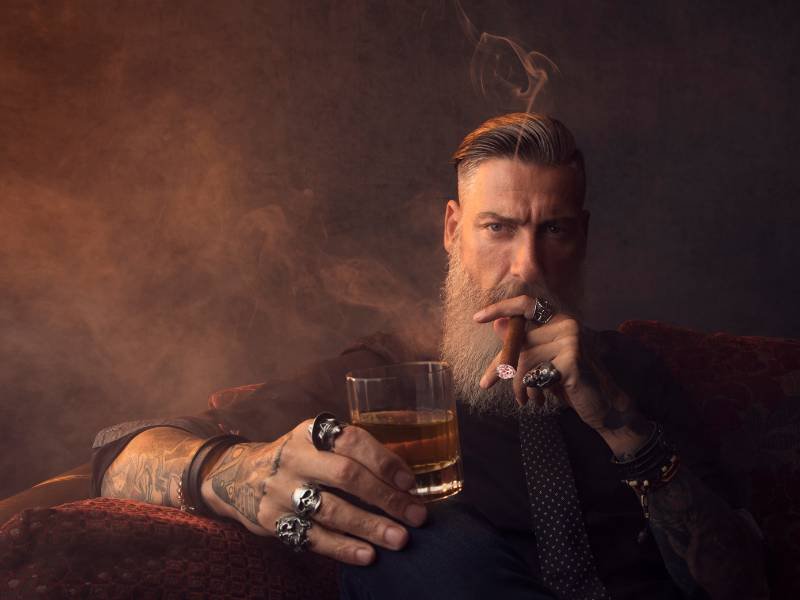
Premium cigars are among the most labor-intensive consumer products in the world. A single hand-rolled cigar passes through dozens of expert hands before it reaches the smoker.
Master blenders spend years developing flavor profiles. Skilled torcedores (cigar rollers) undergo years of apprenticeship before they can roll a cigar to professional standards. Premium tobacco leaves are aged for months or even years in carefully controlled environments before blending. Growing tobacco from seed to harvestable leaf involves deep agricultural science and regional expertise.
This level of craftsmanship gives each premium cigar a story. Knowing that the cigar in your hand is the product of expert human skill, not automated machinery, adds a dimension of appreciation that elevates the entire experience.
Why Do People Smoke Cigars — Cultural and Geographical Identity
Cigars are tied to specific regions of the world in ways that create deep cultural identity. Cuban cigars carry the national pride of an entire country. Nicaragua has become the dominant new-world cigar powerhouse. The Dominican Republic, Honduras, and Ecuador each have unique tobacco characters that define their regional identity.
For smokers of Cuban descent, lighting a Cuban cigar is an act of cultural connection. For enthusiasts who have traveled to tobacco-growing regions, a specific cigar recalls a specific place and experience. The geography of tobacco becomes part of the story of every smoke.
Why Do People Smoke Cigars — Nicotine and Chemistry
While cigar smokers rarely cite nicotine as a primary motivation, it plays a background role in the appeal. Cigars contain nicotine — often in higher amounts than cigarettes. However, because cigar smoke is typically not inhaled into the lungs, the rate of nicotine absorption is slower and different from cigarette smoking.
The slower nicotine delivery from cigar smoking creates a mild, relaxed feeling rather than the sharp buzz associated with cigarette inhalation. Many smokers experience a sense of calm and mild euphoria during a cigar session, which contributes to the overall relaxation effect.
It is important to note that cigars still carry health risks. Even without deep inhalation, the oral cavity, throat, and lungs are exposed to carcinogens from tobacco smoke. People who smoke cigars regularly face increased risks for oral, throat, and lung conditions, and for heart disease.
Who Smokes Cigars — Demographics in 2026
Understanding who smokes cigars helps explain why the habit persists and evolves.
| Demographic | Data |
|---|---|
| Most common age group | 25 to 44 years old (approx. 13% of this group, per CDC 2021) |
| Gender | Men make up approximately 85% of cigar consumers |
| Income | Higher income brackets dominate premium cigar consumption |
| Market growth | US cigar market growing at 4% annually through 2026 |
| Trending group | Young adults increasingly seeing cigars as a lifestyle choice |
The female cigar smoker segment is also growing. Premium cigar brands have expanded their marketing to include women, and cigar lounges increasingly attract mixed-gender clientele. The cigar community of 2026 is more diverse in age, gender, and income than at any previous point in history.
Why Do People Smoke Cigars — Nostalgia and Legacy
For many people, the first cigar they remember is one smoked by their father, grandfather, or uncle at a family event. The scent of a cigar carries powerful emotional memory. Decades later, lighting up a similar cigar can return a person immediately to that childhood memory — a backyard barbecue, a holiday gathering, a fishing trip.
This nostalgic dimension gives cigars an emotional weight that few other consumer products carry. A cigar is not just tobacco — it is a time machine. It is a connection to people and moments that may no longer exist in the present but remain vivid in sensory memory.
Cigar Pairings That Enhance the Experience
One reason why people keep smoking cigars is the discovery of how well they pair with other beverages. The right pairing amplifies both the drink and the cigar, creating a combined flavor experience that neither could achieve alone.
| Cigar Type | Best Pairing |
|---|---|
| Mild Connecticut | Coffee, light rum, Champagne |
| Medium Corojo | Bourbon, aged rum, craft beer |
| Full Maduro | Scotch whiskey, dark rum, espresso |
| Medium-Full Habano | Rye whiskey, añejo tequila, red wine |
| Flavored cigar | Sweet dessert wine, port, cognac |
Pairing culture has become a sophisticated pursuit within the cigar community. Dedicated events featuring multi-course dinners with matched cigars and spirits are increasingly common in 2026.
Cigar Lounges — The Social Heartbeat of Cigar Culture
The cigar lounge is the physical home of everything that makes cigar smoking culturally significant. Inside a lounge, you find the full spectrum of cigar life — the social bonding, the flavor education, the relaxation, and the community.
Good cigar lounges maintain precise humidity and temperature conditions to keep cigars in perfect smoking condition. They often stock walk-in humidors with hundreds or thousands of selections. Knowledgeable staff guide newcomers and aficionados alike. Regular events, tastings, and manufacturer visits make lounges educational as well as social spaces.
For someone asking why do people smoke cigars, the answer often comes most clearly when you spend time inside a well-run cigar lounge. The atmosphere itself provides the answer — people are relaxed, connected, engaged, and genuinely happy to be there.
The Psychology Behind Cigar Smoking
Psychologists who have studied cigar culture identify several consistent psychological drivers. The desire for mindfulness and present-moment focus. The need for a controllable ritual in an unpredictable world. The appeal of belonging to a community with shared knowledge and values. The pleasure of mastery — the satisfaction of knowing how to select, cut, light, and smoke a cigar correctly.
Each cigar session is also a form of self-permission. It says “I deserve this moment.” In high-performance careers and busy family lives, finding permission to slow down and do something purely for pleasure is itself psychologically significant.
The deliberate act of choosing a premium cigar over a cheaper one communicates self-worth. It says that you believe your time and your sensory experience are worth investing in.
Cigars vs Cigarettes — Why Do People Choose Cigars
Many people who smoke cigars are not and have never been cigarette smokers. The two habits attract different personalities and serve different purposes.
| Factor | Cigars | Cigarettes |
|---|---|---|
| Smoking duration | 30 minutes to 2 hours | 5 to 10 minutes |
| Primary motivation | Ritual, relaxation, pleasure | Nicotine habit, stress relief |
| Frequency | Occasional to moderate | Daily, often multiple times |
| Social context | Lounge, events, special occasions | Anywhere, routine |
| Flavor complexity | High — earthly, wood, spice, sweetness | Low |
| Status perception | Luxury, sophistication | None or negative |
| Inhalation | Generally not inhaled | Inhaled into lungs |
People who choose cigars over cigarettes typically value the experience over the nicotine. The cigar is the destination, not just a means to a chemical end.
Frequently Asked Questions (FAQs)
Why do people smoke cigars instead of cigarettes?
People smoke cigars for the ritual, flavor, and experience rather than for nicotine dependency. Cigars are savored slowly and are associated with celebration and sophistication rather than routine habit.
Is smoking a cigar relaxing?
Yes, cigar smoking is widely described as deeply relaxing. The slow ritual of cutting, lighting, and smoking forces the smoker to slow down and focus on the present moment, acting as a form of active mindfulness.
Do cigars make you feel good?
Many people report feeling calm, content, and mentally clearer during a cigar session. The combination of the ritual, mild nicotine absorption, sensory pleasure, and relaxed environment creates a positive emotional state.
Why are cigars considered a status symbol?
Cigars became a status symbol through their association with powerful political and cultural figures like Winston Churchill and John F. Kennedy. Their high cost, artisan craftsmanship, and exclusivity reinforced their connection to wealth and sophistication.
Why do people celebrate with cigars?
Cigars are used in celebrations because they mark a moment as special and memorable. The act of lighting a cigar signals that something significant has happened — a birth, a promotion, a marriage — and creates a shared moment of recognition.
Why do rich people smoke cigars?
Wealthy individuals often smoke premium cigars as a way to enjoy the finer things, network in exclusive circles, and signal refined taste. Rare and limited-edition cigars also function as collectible luxury goods with potential investment value.
Are cigars addictive?
Cigars contain nicotine and can lead to dependence, especially for daily smokers. Occasional cigar smokers may not develop the same level of physical addiction as cigarette smokers, but the ritual itself can become psychologically habit-forming.
What does a cigar taste like?
Premium cigars offer complex flavor profiles that can include notes of earth, leather, cedar, coffee, cocoa, black pepper, cream, and dried fruit. The flavors often evolve and change as the cigar burns from the first third to the final third.
Why do men smoke cigars more than women?
Historically, cigar smoking was associated with male social spaces like gentlemen’s clubs and boardrooms. Men still make up approximately 85% of cigar consumers, though the female market is growing as cigar culture becomes more inclusive.
Is it safe to smoke cigars occasionally?
Occasional cigar smoking carries lower health risks than daily smoking, but it is not risk-free. Even without deep inhalation, cigars expose the mouth and throat to carcinogens. Anyone with health concerns should consult a doctor before smoking.
Conclusion
Why do people smoke cigars comes down to a combination of factors that no single answer can fully capture. People smoke cigars for relaxation, because they slow the mind and create a meditative, present-focused state that modern life rarely offers. Some people smoke cigars for status, because decades of association with powerful and influential figures have made the premium cigar a universally recognized signal of success and sophistication. People smoke cigars to celebrate, to bond socially, to explore complex flavors, to appreciate artisan craftsmanship, and to connect with cultural traditions that stretch back centuries. In 2026, cigar culture continues to evolve, becoming more inclusive, more educated, and more experiential than ever. Whether you are a seasoned aficionado or someone curious about their first smoke, the world of cigars offers something that very few other experiences can — a genuine reason to slow down, be present, and savor the moment.


