



Why do my teeth hurt when I wake up is a question that millions of people ask every morning — and it deserves a real answer.
Waking up with tooth pain can range from a mild ache to intense throbbing that makes starting your day genuinely miserable.
The tricky part is that morning tooth pain can come from a wide range of causes, some of which have nothing to do with your teeth at all.
From nighttime teeth grinding to sinus pressure to sleeping position, each cause leaves its own signature.
Why Morning Is the Worst Time for Tooth Pain

Tooth pain often feels worse in the morning for several distinct reasons that have to do with body position and overnight physiology.
When you lie flat for hours, blood flow to your head increases slightly. This added circulation amplifies inflammation already present in any injured, infected, or irritated tooth or gum tissue. Pain that was manageable during the day becomes noticeably sharper the moment you wake up.
On top of that, the distractions of daytime — work, conversations, movement — naturally reduce pain perception. In the quiet stillness of early morning, there is nothing competing with the pain signal. Your brain registers it fully.
Why Do My Teeth Hurt When I Wake Up? 12 Common Causes
Here is a complete, detailed breakdown of every major cause of morning tooth pain — from the most common to the most serious.
1. Bruxism (Nighttime Teeth Grinding and Clenching)
Bruxism is by far the most common cause of waking up with sore or painful teeth. It is a condition where you grind or clench your teeth during sleep — often without ever being aware you are doing it.
Research estimates that around 8% of adults grind their teeth at night. The pressure generated during bruxism can exceed normal chewing force by many times, placing enormous stress on tooth enamel, jaw muscles, and the temporomandibular joint (TMJ).
You may not remember grinding, but the signs are unmistakable. Common morning symptoms include sore or aching teeth, jaw muscle soreness, headaches at the temples, ear pain, and noticeable wear on tooth enamel that your dentist can observe during a routine exam.
Over time, untreated bruxism causes enamel erosion, cracked teeth, increased tooth sensitivity, and full-blown TMJ disorder. A custom-fitted night guard is the primary treatment to stop the damage before it becomes irreversible.
2. TMJ Disorder (Temporomandibular Joint Dysfunction)
The temporomandibular joint (TMJ) is the hinge that connects your lower jaw to your skull, located just in front of each ear. TMJ disorder (also called TMD) causes pain and dysfunction in the joint and surrounding muscles that frequently radiates to the teeth.
If you wake up with stiffness, clicking, or popping when you open your mouth — along with tooth pain near the back of your jaw — TMD is a likely culprit. The jaw muscles and joint become strained and inflamed overnight, especially if you sleep in a poor position or clench unconsciously.
TMD can exist independently of bruxism, though the two conditions often occur together. Treatment includes night guards, jaw exercises, stress management, bite adjustment, and in some cases physical therapy.
3. Sinus Pressure and Sinusitis
The maxillary sinuses sit directly above the roots of your upper back teeth. When these sinuses become congested — due to a cold, allergies, infection, or seasonal changes — the pressure they create presses down on those tooth roots.
The result feels exactly like a toothache, usually a dull aching pain across multiple upper back teeth rather than one isolated tooth. It is often accompanied by nasal congestion, sinus headaches, facial pressure, and postnasal drip.
If your morning tooth pain affects your upper molars and comes with nasal symptoms, sinuses are the far more likely cause than the teeth themselves. Decongestants, saline rinses, and antihistamines typically bring relief within a few days.
4. Cavities and Untreated Tooth Decay
A cavity is a hole in the enamel of a tooth caused by bacterial acid erosion. Once a cavity reaches the dentin layer beneath the enamel, the tooth becomes sensitive to temperature, pressure, and sweet foods.
When a cavity is left untreated, bacteria continue to work their way deeper into the tooth toward the pulp — the nerve-rich inner tissue. At this stage, pain can become severe and may be worse in the morning due to increased blood pressure to the head during sleep.
Morning tooth pain from a cavity often presents as a throbbing ache localized to one specific tooth. It may be triggered or worsened by cold air, hot or cold drinks, or biting down. Only a dentist can treat a cavity — home remedies can temporarily ease the pain but cannot stop the progression.
5. Gum Disease (Gingivitis and Periodontitis)
Gum disease starts as gingivitis — inflammation of the gum tissue caused by bacterial plaque buildup along the gumline. Left untreated, it progresses to periodontitis, where the infection spreads to the bone supporting the teeth.
Morning is often when gum disease symptoms are most noticeable. Lying flat for hours allows blood to pool in the gums, making existing inflammation feel more intense. You may notice tender, swollen gums when you wake up, bleeding when you brush, and a general aching soreness across multiple teeth.
In advanced periodontitis, bone loss causes teeth to become loose and hypersensitive, and the pain can be significant. Early gum disease responds well to professional cleaning, improved oral hygiene, and antibacterial rinses.
6. Sleeping Position and Jaw Pressure
The way you sleep directly affects whether your teeth and jaw are under unnecessary pressure for hours at a time. Stomach sleepers and side sleepers are the most vulnerable.
Sleeping on your stomach forces your head to turn sharply to one side, placing the jaw in an awkward position that strains the TMJ and surrounding muscles all night. Sleeping on your side and pressing your face into the pillow applies direct physical pressure to the cheek, jaw, and teeth on that side.
Back sleeping is the position that places the least stress on the jaw and teeth during sleep. If morning tooth pain only affects one side, your sleeping position may be the most straightforward contributing factor.
7. Tooth Abscess (Dental Infection)
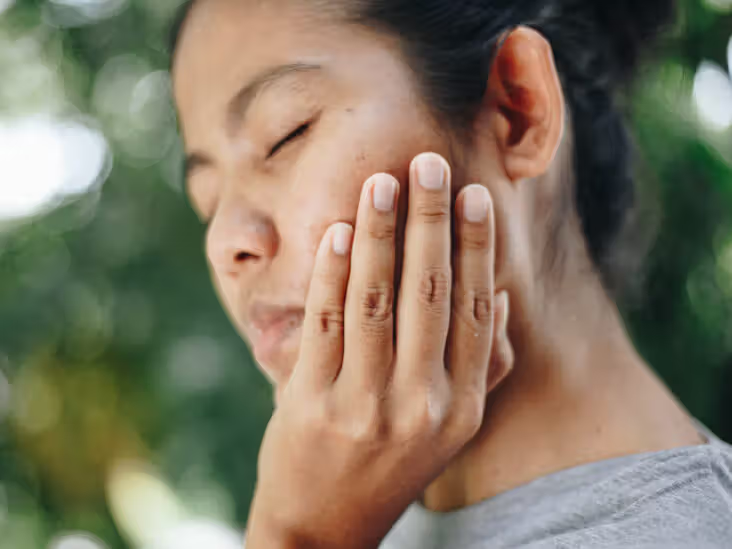
A tooth abscess is a pocket of pus caused by a bacterial infection that has reached the pulp of the tooth or the surrounding gum tissue. It is a serious dental emergency that does not resolve on its own.
Abscess pain is typically intense and throbbing, and it reliably worsens when lying down because the increased blood pressure to the head amplifies the pulsing sensation. Additional symptoms include swollen gums or face, sensitivity to temperature, a bad taste in the mouth, and sometimes fever.
If you suspect a tooth abscess, do not wait to see a dentist. An untreated abscess can spread the infection to surrounding teeth, jawbone, and in severe cases the throat or bloodstream. Salt water rinses, elevated head position, and OTC pain relievers can temporarily ease symptoms while you arrange emergency dental care.
8. Cracked or Fractured Tooth
A cracked tooth does not always cause constant, obvious pain. It can cause intermittent sharp pain when biting down in a specific way, or a dull ache that feels worse in the morning when the jaw has been slightly clenched during sleep.
Cracks are often invisible to the naked eye and even to standard dental X-rays. They are more common in people who grind their teeth, have had large fillings, or have recently experienced dental trauma. A dentist may use special dyes, lights, or bite tests to locate a crack that is causing pain.
Treatment ranges from bonding or a dental crown for minor cracks to root canal therapy or extraction for cracks that extend into the pulp. The sooner a crack is treated, the less invasive the treatment required.
9. Acid Reflux and GERD
Gastroesophageal reflux disease (GERD) allows stomach acid to travel up the esophagus and into the mouth, particularly when lying down during sleep. This acid exposure damages tooth enamel, increases sensitivity, and can cause a general soreness across multiple teeth.
Morning tooth sensitivity that affects several teeth — particularly on the inner surfaces — combined with a sour taste in the mouth, heartburn, or throat irritation on waking is a classic presentation of nighttime acid reflux.
Sleeping with the head elevated, avoiding large meals before bed, and managing GERD with medication can protect the teeth. Your dentist can also apply fluoride treatments to strengthen acid-eroded enamel.
10. Dry Mouth During Sleep
Saliva is a powerful natural protector of tooth enamel. It neutralizes acids, washes away bacteria, and keeps the oral tissues lubricated. When saliva production drops overnight — due to mouth breathing, snoring, sleep apnea, or medication side effects — the teeth lose this protection for hours.
Waking up with a dry, sticky mouth alongside tooth sensitivity or soreness is a classic dry mouth presentation. People who sleep with their mouths open due to nasal congestion or blocked airways are particularly vulnerable.
Staying well hydrated throughout the day, using a humidifier in the bedroom, and addressing the underlying cause of mouth breathing (such as treating allergies or sleep apnea) all help reduce dry-mouth-related morning tooth pain.
11. Impacted Wisdom Teeth
Impacted wisdom teeth are third molars that do not fully erupt through the gumline because there is insufficient space in the jaw. They can press against neighboring teeth and create persistent pressure and pain that is often worse in the morning.
Signs of impacted wisdom teeth include pain at the back of the mouth near the lower or upper molars, swollen and red gum tissue in that area, difficulty opening the mouth fully, and jaw stiffness. The pain typically wakes you up or is the first thing you notice in the morning.
A dental X-ray confirms whether wisdom teeth are impacted. Extraction is the standard and often the most effective treatment. Anti-inflammatories and salt water rinses can manage symptoms in the short term while you wait for your appointment.
12. Teeth Whitening Products

Whitening strips, gels, and overnight whitening trays increase tooth sensitivity by temporarily opening the enamel pores and exposing the dentin layer beneath. Overnight whitening products in particular cause significant morning sensitivity because the exposure time is much longer.
If you recently started whitening your teeth and wake up with sharp, electric-shock-like sensitivity — especially to cold air or cold water — the whitening treatment is the almost certain cause. Reducing whitening frequency, using a lower-concentration product, or switching to a sensitivity-specific whitening formula usually resolves the problem.
How to Identify Your Specific Cause
Comparing your symptoms against these key indicators can help you figure out where to start before your dental appointment.
| Morning Symptom Pattern | Most Likely Cause |
|---|---|
| Jaw soreness, headache, flattened enamel | Bruxism (teeth grinding) |
| Clicking or stiff jaw, pain near ear | TMJ disorder |
| Dull ache in multiple upper back teeth, nasal congestion | Sinus pressure / sinusitis |
| Throbbing pain in one tooth, hot/cold sensitivity | Cavity or tooth decay |
| Tender swollen gums, bleeding when brushing | Gum disease |
| One-sided pain matching your sleep side | Sleeping position pressure |
| Severe throbbing, swollen face, fever, bad taste | Tooth abscess (dental emergency) |
| Sharp pain when biting at a specific angle | Cracked or fractured tooth |
| Sensitivity on inner tooth surfaces, sour taste, heartburn | Acid reflux / GERD |
| Dry sticky mouth, general sensitivity | Dry mouth / mouth breathing |
| Pain at back of mouth, swollen gums near molars | Impacted wisdom teeth |
| Sharp electric sensitivity after whitening product use | Teeth whitening sensitivity |
Treatment Options for Morning Tooth Pain
Treatment depends entirely on the cause. Here is what each cause typically requires.
Night Guard for Bruxism and TMJ
A custom-fitted night guard (occlusal splint) is the cornerstone treatment for both bruxism and TMJ-related morning tooth pain. It creates a barrier between the upper and lower teeth that absorbs grinding and clenching forces.
Unlike over-the-counter mouth guards, a custom guard from your dentist is fabricated from precise impressions of your teeth. It distributes bite pressure evenly and positions the jaw to reduce muscle strain overnight. Research from Johns Hopkins confirms that night guards help prevent enamel erosion, tooth fractures, and worsening TMJ symptoms when properly fitted.
Dental Treatment for Cavities and Decay

Cavities require professional dental treatment — there is no home remedy that fills a cavity or stops bacterial progression into the tooth. Depending on the severity, treatment options include a composite filling, a dental inlay or onlay, a crown, or root canal therapy for deep decay reaching the pulp.
The sooner a cavity is treated, the simpler and less expensive the procedure. A small cavity treated early is a straightforward filling. A cavity left until bacteria reach the nerve requires a root canal and crown.
Antibiotics and Drainage for Tooth Abscess
A tooth abscess must be treated by a dentist and cannot be managed at home long-term. Professional treatment options include draining the abscess, root canal therapy to remove the infected pulp, or extraction of the infected tooth.
Antibiotics may be prescribed to control the spread of infection, but they do not eliminate the source of the abscess — dental intervention is required for that. In the interim before your appointment, a salt water rinse, cold compress, OTC pain relievers (ibuprofen is best for dental inflammation), and keeping your head elevated can provide temporary relief.
Periodontal Treatment for Gum Disease
Gingivitis can typically be reversed with professional dental cleaning (scaling and root planing) and improved daily oral hygiene. Periodontitis — advanced gum disease with bone loss — requires more intensive treatment including deep cleaning below the gumline, antibiotic therapy, and in some cases surgery.
At home, brushing twice daily, flossing every day, and using an antibacterial mouthwash are essential habits for managing and preventing gum disease. Electric toothbrushes are more effective than manual brushing at removing plaque at the gumline.
Decongestants and Allergy Medication for Sinus Pain
When sinus pressure is causing tooth pain, treating the sinus condition resolves the tooth symptoms. Over-the-counter decongestants, antihistamines, and saline nasal rinses reduce sinus congestion and relieve the pressure on the upper tooth roots.
If sinus infections are frequent or chronic, an ENT specialist can assess whether structural issues — such as a deviated septum or nasal polyps — are contributing to the problem and recommend appropriate treatment.
Home Remedies That Help With Morning Tooth Pain
While home remedies cannot treat the underlying cause, they can reduce pain and inflammation enough to make your morning manageable.
Ibuprofen (NSAIDs)
Ibuprofen is consistently the most effective OTC option for tooth pain because it addresses both pain and inflammation simultaneously. Take with food and follow package directions carefully.
It is more effective than acetaminophen specifically for dental pain because most dental pain involves tissue inflammation that NSAIDs directly counteract.
Salt Water Rinse
Mix one teaspoon of salt in a cup of warm water and rinse gently for 30 seconds. Spit and repeat up to three times.
Salt water reduces oral bacteria, draws fluid out of swollen gum tissue, and creates an unfavorable environment for bacterial growth. It is safe to use daily and appropriate for virtually every cause of morning tooth pain.
Cold Compress
Apply an ice pack or a bag of frozen peas wrapped in a cloth to the outside of the cheek for 15-minute intervals. Cold reduces swelling and temporarily numbs pain nerve endings.
This is particularly effective for abscess-related or trauma-related tooth pain. Never apply ice directly to the skin or the tooth itself.
Clove Oil (Eugenol)
Clove oil contains eugenol, a natural anesthetic and antimicrobial compound. Apply a small amount to a cotton ball and press gently against the painful tooth for temporary numbing.
It is one of the few natural remedies with genuine clinical evidence for dental pain relief. Use sparingly — undiluted clove oil can irritate gum tissue if overused.
Elevate Your Head While Sleeping
Sleeping with an extra pillow or a wedge pillow to keep your head elevated reduces the blood pooling to the head that amplifies dental pain overnight. This is a simple positional change that can make a noticeable difference in how your teeth feel when you wake up.
It is particularly helpful for abscess pain, GERD-related tooth sensitivity, and general toothache that worsens when lying flat.
Desensitizing Toothpaste
If your morning tooth pain is related to sensitivity rather than acute infection or injury, a toothpaste formulated for sensitive teeth can help. These products contain potassium nitrate or stannous fluoride that calm the nerve responses inside the dentin tubules.
Use consistently for at least two to four weeks to see meaningful improvement. Apply a small amount directly to sensitive teeth and leave it for one to two minutes before rinsing for enhanced effect.
When to See a Dentist Immediately
Not all morning tooth pain can wait for a routine appointment. Some symptoms demand urgent dental care.
See a Dentist as Soon as Possible If:
- Tooth pain is severe, throbbing, or waking you from sleep
- One side of your face or jaw is visibly swollen
- You have a fever alongside tooth pain
- You notice pus or a pimple-like bump on your gums
- A tooth feels loose or has visibly shifted
- Pain has lasted more than a week without any improvement
- You cannot fully open your mouth due to jaw stiffness
Go to an Emergency Room If:
- Facial swelling is spreading toward your eye or neck
- You are having difficulty swallowing or breathing
- You have a high fever with tooth pain and feel seriously unwell
These signs indicate the infection may have spread beyond the tooth and requires immediate medical intervention.
Prevention: How to Stop Waking Up With Tooth Pain
Long-term prevention focuses on addressing the root causes before they develop into chronic or damaging conditions.
Wear a Night Guard
If you grind your teeth or clench your jaw, a custom night guard is not optional — it is essential. It protects the enamel, reduces jaw muscle strain, and prevents the progressive damage that leads to cracked teeth, sensitivity, and TMJ disorder.
Your dentist can fit one in a single appointment. OTC versions offer some protection but are less effective and less comfortable than custom-made options.
Improve Your Sleep Position
Train yourself to sleep on your back. This removes jaw-alignment pressure, eliminates unilateral cheek pressure from side sleeping, and reduces the likelihood of mouth breathing. Body pillows placed on either side can help prevent rolling over during sleep.
If you find back sleeping impossible, a supportive pillow that keeps the neck in proper alignment reduces the jaw strain of side sleeping significantly.
Address Stress
Stress is the number one trigger for bruxism, jaw clenching, and TMD flare-ups. Managing daily stress through exercise, consistent sleep schedules, mindfulness practices, and — where appropriate — therapy directly reduces nocturnal grinding activity.
Many people notice a significant reduction in morning jaw and tooth pain during low-stress periods and a clear worsening during high-pressure weeks. Stress management is not optional — it is dental treatment.
Keep Up With Regular Dental Checkups
A dentist can spot early signs of bruxism, small cavities, early gum disease, and developing cracks long before they become painful. Catching these issues early means simpler, cheaper, and faster treatment.
Twice-yearly professional cleanings and checkups are the single most effective preventive strategy for nearly every cause of morning tooth pain listed in this guide.
Treat Acid Reflux and Sinus Issues
Managing GERD with dietary changes, medication, and positional sleeping protects tooth enamel from acid erosion over the long term. Treating seasonal allergies or chronic sinusitis proactively prevents the pressure that mimics tooth pain every allergy season.
Work with your physician to manage these systemic contributors — the dental benefits are a significant bonus to the overall health improvement.
Quick Reference: Causes, Symptoms, and Treatments
| Cause | Key Morning Symptom | Primary Treatment |
|---|---|---|
| Bruxism | Jaw soreness, headache, worn enamel | Custom night guard |
| TMJ disorder | Clicking jaw, ear pain, stiff jaw | Night guard, jaw therapy |
| Sinus pressure | Dull upper back tooth ache, congestion | Decongestants, saline rinse |
| Cavity | Throbbing in one tooth, cold sensitivity | Dental filling or crown |
| Gum disease | Tender bleeding gums, multiple tooth ache | Professional cleaning, hygiene |
| Sleeping position | One-sided jaw or tooth pain | Switch to back sleeping |
| Tooth abscess | Severe throbbing, swelling, fever | Emergency dental care |
| Cracked tooth | Sharp pain when biting specific spot | Crown or root canal |
| Acid reflux | Inner tooth sensitivity, sour taste | GERD management, fluoride |
| Dry mouth | Sticky mouth, general sensitivity | Hydration, treat root cause |
| Impacted wisdom teeth | Back molar area pain, swollen gums | Dental X-ray, extraction |
| Whitening sensitivity | Sharp sensitivity, recent whitening use | Reduce frequency, desensitizing toothpaste |
Frequently Asked Questions (FAQs)
H4: Why do my teeth hurt when I wake up but not during the day?
Lying flat overnight increases blood flow to the head, which amplifies any dental inflammation. Daytime distractions also reduce your pain perception, making the same level of pain feel worse in the quiet of early morning.
H4: Is waking up with tooth pain serious?
It depends on the cause. Bruxism or sinus pressure are common and manageable. Severe throbbing pain with swelling or fever signals a tooth abscess — a dental emergency that requires prompt professional treatment.
H4: Can grinding my teeth cause all my teeth to hurt in the morning?
Yes. Bruxism places enormous pressure across all teeth simultaneously, causing widespread soreness across the entire mouth rather than pain in just one spot. This is one of the clearest signs that grinding is the cause.
H4: How do I know if my morning tooth pain is from sinuses or a cavity?
Sinus pain typically affects multiple upper back teeth and comes with nasal congestion or facial pressure. Cavity pain is localized to one specific tooth and is triggered by temperature or biting. A dental exam and X-ray can confirm the difference definitively.
H4: Can sleeping position cause tooth pain?
Yes. Stomach and side sleeping place the jaw in awkward positions for hours, straining the TMJ and applying direct pressure to teeth on the lower side of the face. Switching to back sleeping often reduces or eliminates position-related morning tooth pain.
H4: What is the fastest home remedy for tooth pain in the morning?
Ibuprofen taken with food is the most effective OTC option for quick relief because it targets both pain and inflammation. A warm salt water rinse and a cold compress on the cheek can provide additional immediate comfort.
H4: Can acid reflux make your teeth hurt in the morning?
Yes. Stomach acid that reaches the mouth overnight erodes enamel and exposes the sensitive dentin layer beneath, causing widespread morning tooth sensitivity — especially on the inner surfaces of the teeth. Elevating the head during sleep helps reduce overnight acid exposure.
H4: Do I need a night guard if my teeth hurt every morning?
If your morning tooth pain comes with jaw soreness, headaches, or evidence of tooth wear, a custom night guard is very likely the right first step. See your dentist for a proper diagnosis — not all morning tooth pain is from grinding, and the wrong treatment will not help.
H4: How long does morning tooth pain from bruxism last?
Pain from a night of grinding typically eases within a few hours as the jaw muscles relax and inflammation subsides. If pain persists throughout the day or intensifies over time, the underlying damage is progressing and needs professional attention.
H4: When should I go to the emergency dentist for morning tooth pain?
Go immediately if you have severe throbbing pain, visible facial swelling, fever, pus on the gumline, or difficulty swallowing. These symptoms indicate a spreading infection that cannot wait for a routine appointment.
Conclusion
Why do my teeth hurt when I wake up is a question that deserves more than a vague answer — because the cause determines everything about how it gets fixed.
For most people, the culprit is bruxism, TMJ tension, or sinus pressure: three conditions that are very manageable once correctly identified.
For others, the cause is an untreated cavity, advancing gum disease, or a cracked tooth that has been quietly worsening for months.
The most important step is not to ignore the pattern. Occasional morning soreness after a stressful week is one thing.
Waking up with tooth pain every single morning is a signal that something needs attention.
Use the symptoms in this guide to identify your likely cause, try appropriate home remedies for temporary relief, and book a dental appointment to get a definitive answer.
A custom night guard, a professional dental cleaning, treating acid reflux, or simply adjusting your sleeping position can transform how your mornings feel.
The dentist who catches your bruxism or early cavity today saves you from a root canal or tooth extraction next year.
Morning tooth pain is common — but it is also very treatable when addressed early.


