


Why do my teeth feel sensitive? If a sip of cold water, a bite of ice cream, or even a breath of cool air sends a sharp jolt through your teeth, you are dealing with one of the most common dental complaints in the world.
Tooth sensitivity — formally called dentin hypersensitivity — affects an estimated one in eight adults.
The pain can range from a brief mild twinge to an intense, lingering ache that disrupts every meal.
The good news is that most cases have a clear cause and a real fix.
Understanding Tooth Sensitivity: The Anatomy Behind the Pain
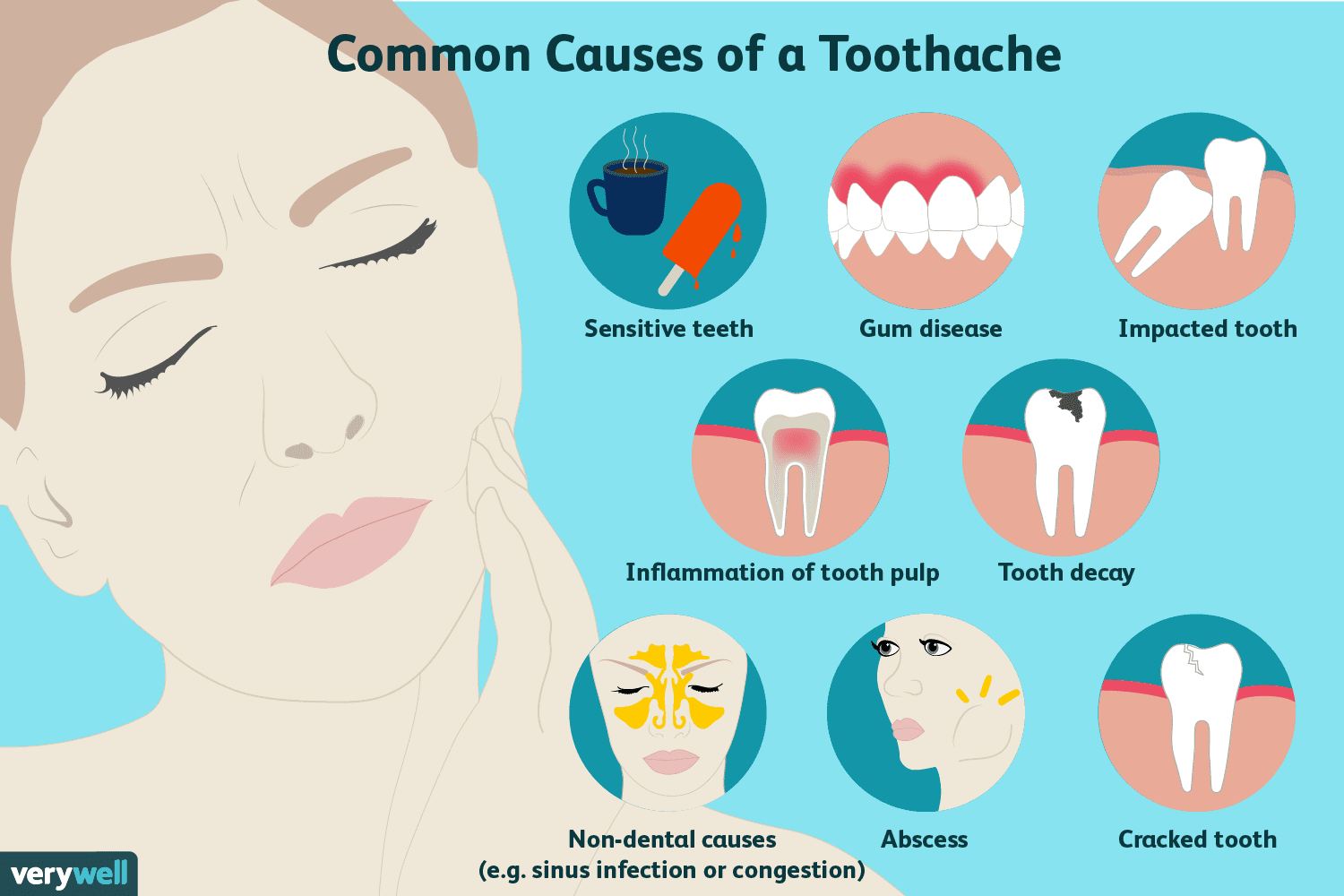
To understand why your teeth feel sensitive, it helps to know what is happening inside the tooth.
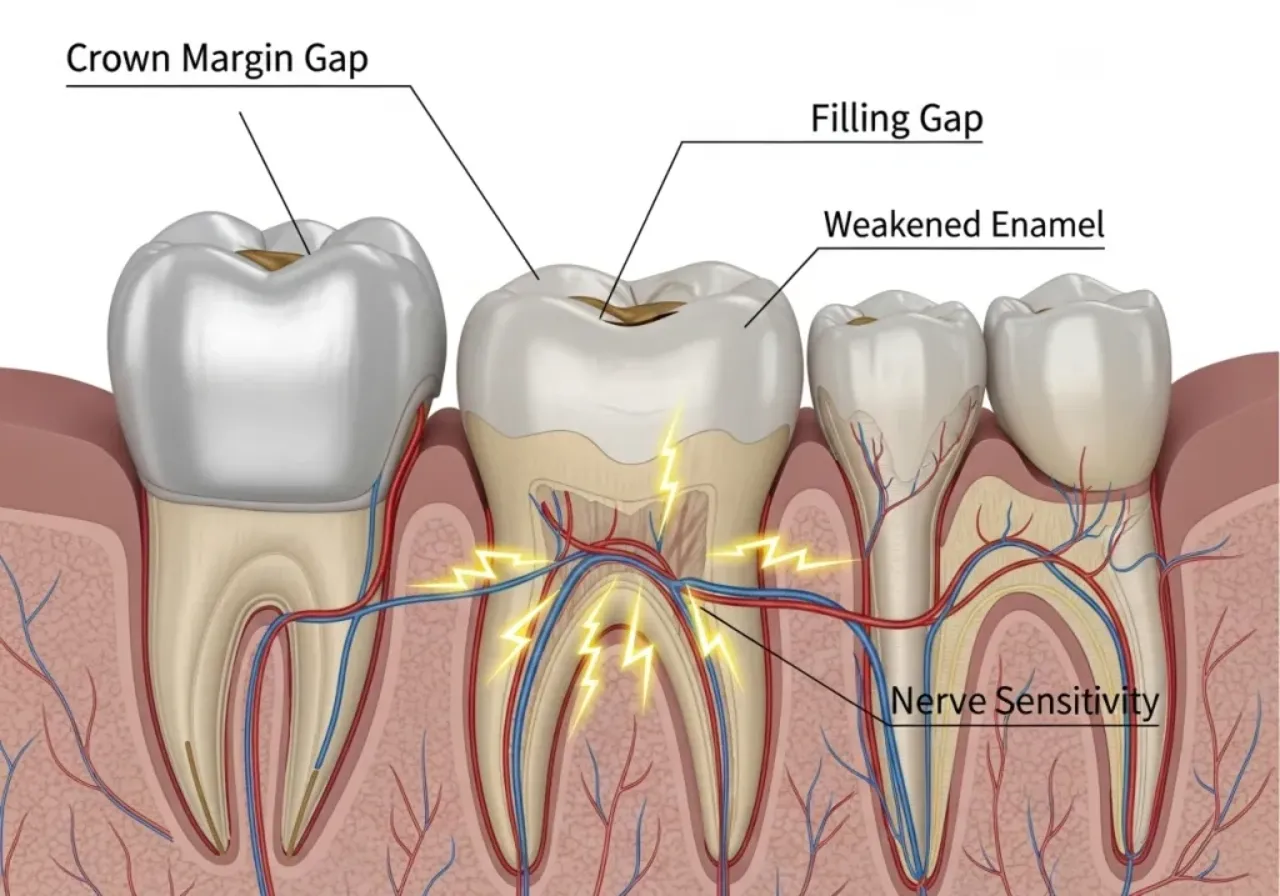
Every tooth has three layers. The outermost is enamel — the hardest substance in the human body — which covers the visible crown. Below the gum line, a thinner protective layer called cementum covers the tooth root. Beneath both of these sits dentin, a softer tissue filled with thousands of microscopic channels called dentinal tubules.
These tubules run directly to the nerve at the center of the tooth. When enamel or cementum wears away, the tubules are exposed. Heat, cold, sugar, acid, pressure, and even air can then travel through those channels and trigger the nerve — producing that sharp, sudden sensitivity pain.
The 10 Most Common Reasons Your Teeth Feel Sensitive
1. Enamel Erosion
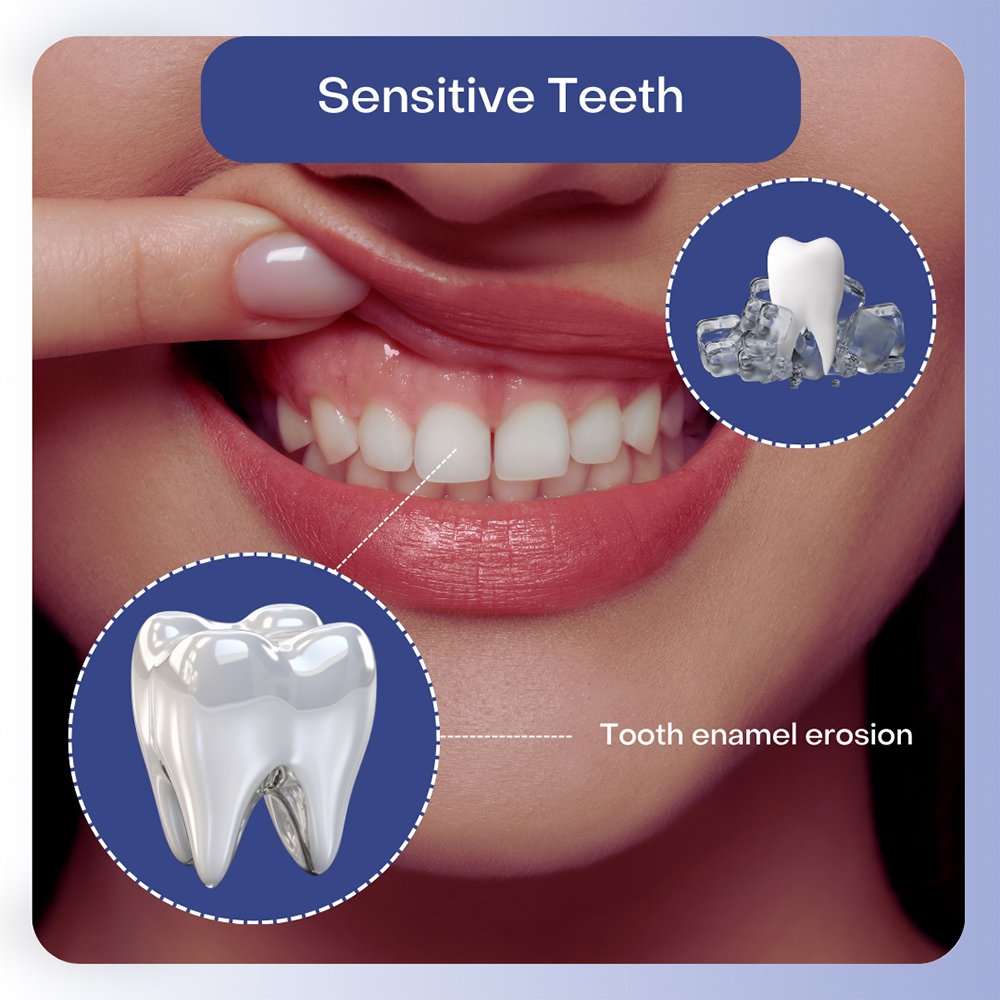
Enamel erosion is the leading structural cause of tooth sensitivity.Why does not grow back once it is lost. When it wears away — from acid, abrasive brushing, or grinding — the dentin layer underneath is left exposed to all outside stimuli.
Acidic foods and drinks are the most common dietary culprits. Sodas, citrus juices, wine, sparkling water, vinegar-based dressings, and sports drinks all have a low pH that gradually dissolves enamel over time.
Once enough enamel is gone, every temperature extreme and every sweet or sour bite hits the nerve directly. This is why sensitivity from enamel erosion tends to affect multiple teeth at once rather than a single tooth.
2. Gum Recession
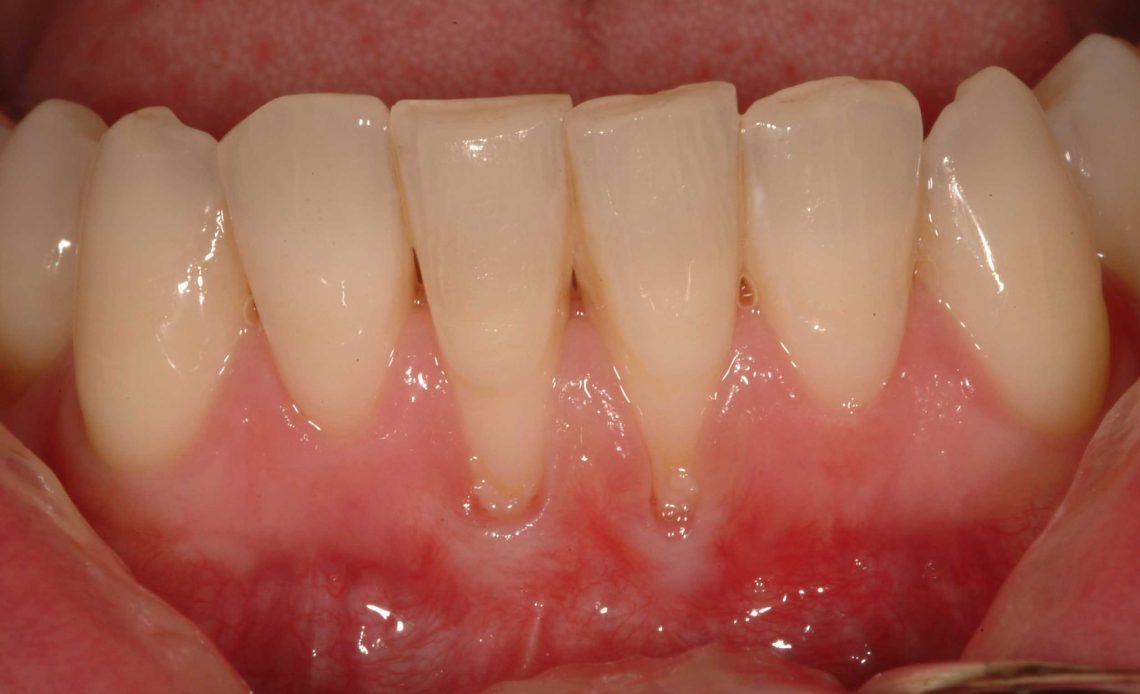
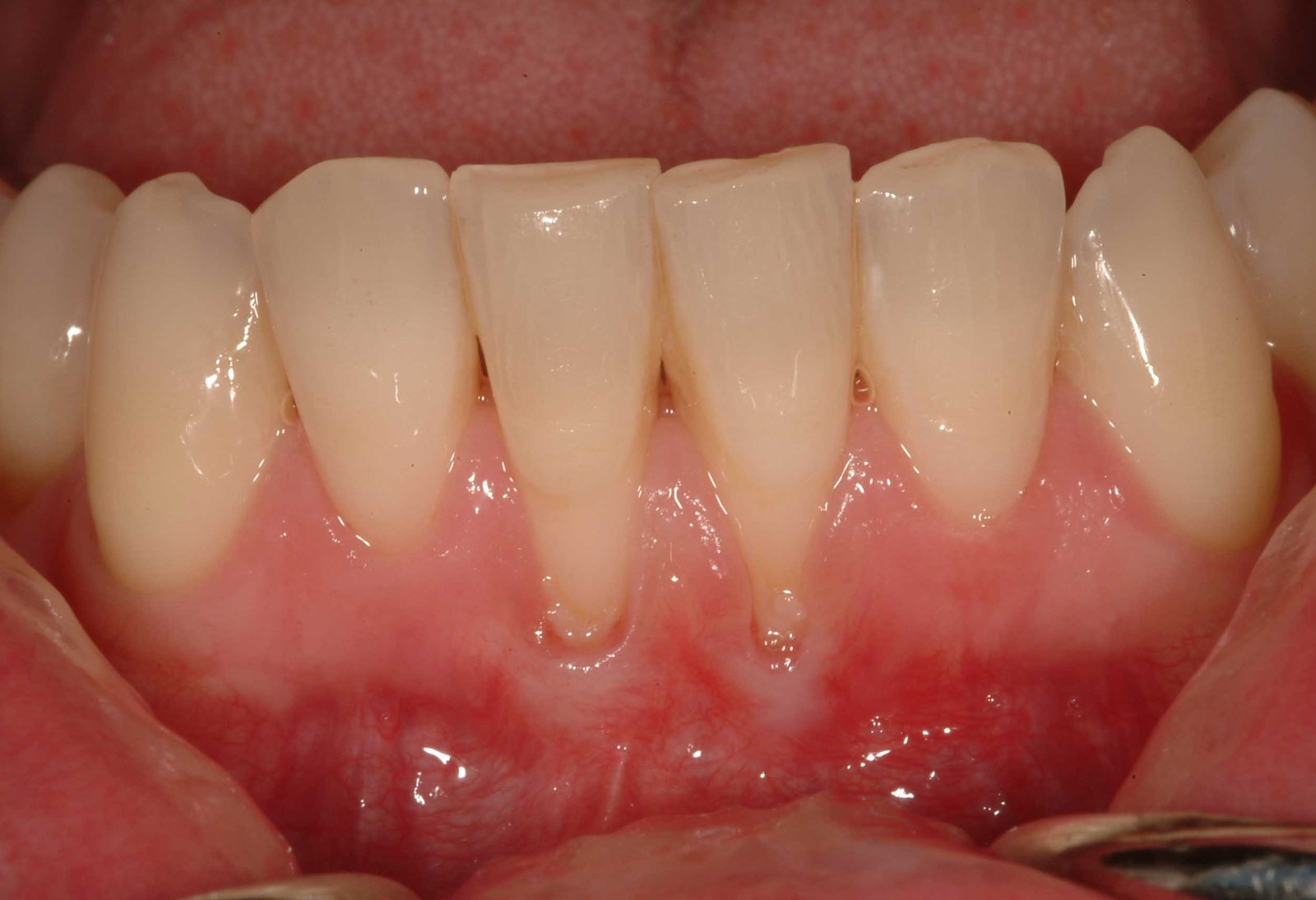
Receding gums expose the root surface of the teeth. The roots are covered by cementum, not enamel — and cementum is far thinner and less protective. Once the roots are exposed, they react intensely to cold, touch, and pressure.
Gum recession is caused by aggressive brushing technique, long-term gum disease (periodontitis), aging, hormonal changes during pregnancy, or genetics. It is often gradual and painless until the roots are significantly exposed.
Sensitivity from gum recession tends to be localized — you feel it in specific teeth rather than all of them at once.
3. Bruxism (Teeth Grinding and Jaw Clenching)
Bruxism means grinding or clenching the teeth. Most people who grind do so at night during sleep without realizing it. The forces generated during grinding can be three to ten times greater than normal chewing forces.
Over months and years, this constant mechanical pressure wears enamel down dramatically — especially on the biting surfaces of the back teeth. As enamel thins, dentin becomes exposed and teeth start to feel sensitive to temperature, pressure, and sweetness.
Signs of bruxism beyond sensitivity include jaw soreness in the morning, headaches at the temples, clicking jaw joints, flattened or worn tooth surfaces, and chipped enamel edges.
4. Cavities and Tooth Decay
A cavity is a hole in the tooth caused by bacteria converting sugar into acid, which dissolves enamel and dentin progressively. As the decay deepens and reaches the dentin layer, the tooth becomes increasingly sensitive.
Sensitivity from a cavity is usually localized to one tooth and worsens with sweet foods, cold drinks, and sometimes heat. Unlike generalized enamel erosion, a cavity tends to produce a sharp, focused pain rather than a widespread ache.
Left untreated, the decay reaches the pulp — the inner nerve chamber — and the sensitivity transitions into severe, constant pain requiring a root canal or extraction.
5. Cracked or Chipped Teeth
A crack or fracture in a tooth — even a hairline crack not visible to the eye — allows cold, heat, and pressure to bypass the enamel and reach the dentin and nerve directly. This produces a sharp, sudden sensitivity that often comes only with specific biting angles or temperatures.
Cracks are caused by trauma, biting down on hard objects, large old fillings that weaken the tooth structure, or bruxism. A cracked tooth does not heal on its own. It requires professional diagnosis and treatment — often a crown to hold the tooth together and prevent the crack from deepening toward the root.
6. Teeth Whitening Products
Both professional and over-the-counter whitening products — bleaching gels, whitening strips, and whitening toothpastes — can cause temporary sensitivity. The active bleaching agents (hydrogen peroxide or carbamide peroxide) penetrate enamel and temporarily irritate the nerve.
This whitening-related sensitivity is usually short-lived, peaking within 24 to 72 hours after treatment and resolving within one to two weeks. It tends to be widespread across the front teeth and is described as a shooting or throbbing ache rather than a pinpoint pain.
Overusing whitening products or using them on already-thinned enamel extends the sensitivity and can cause longer-term damage.
7. Overly Aggressive Brushing
Brushing too hard or using a medium or hard-bristled toothbrush physically scrubs away enamel and irritates the gum margin. Over time, aggressive brushing causes both enamel wear and gum recession — the two primary structural causes of sensitivity.
The gum line is often the first place damage appears. You may notice the gum pulling back slightly on specific teeth that receive the most brushing force. A notch at the gum line of the tooth — called an abfraction — is a classic sign of habitual overbrushing.
8. Acidic Mouthwash
Some over-the-counter mouthwashes contain acidic preservatives or alcohol that erode enamel and dry out the mouth over time. A dry mouth lowers the protective effect of saliva, which normally neutralizes acids and helps remineralize enamel.
If your sensitivity seemed to start or worsen after you added a daily mouthwash to your routine, the mouthwash may be a contributing factor. Switching to a neutral-pH, alcohol-free fluoride rinse resolves this quickly.
9. Recent Dental Procedures
Dental work — fillings, crowns, professional cleanings, orthodontic adjustments, and teeth whitening — commonly causes temporary post-procedure sensitivity. The tissue was disturbed, and the nerve needs time to settle down.
Sensitivity after fillings typically peaks in the first few days and fades within two to four weeks. If sensitivity after a filling is sharp, constant, or getting worse rather than better beyond four weeks, the bite may need adjustment or the filling may need review.
10. Gum Disease (Periodontitis)
Advanced gum disease destroys the bone and soft tissue that support the teeth. As bone recedes, the root surfaces become exposed — and those roots have no enamel protection. The result is significant, widespread temperature sensitivity that tends to affect multiple teeth simultaneously.
Plaque buildup along and below the gum line also releases acids that directly irritate the root surfaces. Sensitivity from gum disease does not resolve with home remedies alone. It requires professional scaling, root planing, and ongoing periodontal maintenance.
What Triggers Tooth Sensitivity
| Trigger | What It Stimulates |
|---|---|
| Cold drinks or ice cream | Rapid fluid movement in exposed dentinal tubules |
| Hot coffee or tea | Heat conducting through thin enamel to the nerve |
| Sweet foods and drinks | Osmotic change in dentinal tubule fluid |
| Acidic foods (citrus, soda) | Direct acid attack on exposed dentin |
| Cold air / breathing through the mouth | Temperature drop on exposed root or dentin |
| Brushing teeth | Mechanical pressure on exposed dentin |
| Biting or chewing | Pressure transmitted through cracked tooth or exposed root |
10 Home Remedies for Sensitive Teeth That Actually Work
Desensitizing Toothpaste — The Most Effective Starting Point
Desensitizing toothpaste is consistently the first recommendation from dentists for mild-to-moderate sensitivity. It works through two mechanisms depending on the active ingredient.
Toothpastes with potassium nitrate — found in brands like Sensodyne Pronamel and Colgate Sensitive — calm the nerve directly by blocking pain signal transmission. Toothpastes with stannous fluoride create a physical plug in the open dentinal tubules, blocking stimuli from reaching the nerve.
Use it consistently for at least two to four weeks before evaluating results. For faster relief, apply a small amount directly to the sensitive tooth with your fingertip and leave it on for several minutes before rinsing — or overnight without rinsing before bed.
Saltwater Rinse — Fast, Free, and Clinically Supported
A warm saltwater rinse is one of the most effective and immediate home remedies for sensitive teeth and inflamed gums. Mix half a teaspoon of plain table salt into a glass of warm water. Swish for 30 seconds, then spit.
Salt neutralizes mouth acidity, reduces bacterial load, reduces gum inflammation, and helps restore the natural pH balance of the oral environment. Doing this twice a day — morning and evening — provides consistent anti-inflammatory support.
This is especially useful after consuming acidic foods or drinks when enamel is temporarily softened.
Fluoride Mouthwash — Rebuilds Enamel Daily
Fluoride strengthens tooth enamel by promoting remineralization — a process where minerals are redeposited into the enamel surface to fill micro-damage before it becomes visible wear.
Use an alcohol-free fluoride mouthwash once daily, ideally at night after brushing. Avoid eating or drinking for 30 minutes after rinsing to allow the fluoride maximum contact time with the enamel surface.
This is especially valuable for people with early enamel erosion who want to slow or partially reverse the damage before it worsens.
Soft-Bristled Toothbrush and Gentle Technique
If you are brushing with a medium or hard-bristled toothbrush, switching to a soft one will immediately reduce the daily mechanical trauma to your enamel and gum line.
Proper brushing technique matters as much as toothbrush choice. Hold the brush at a 45-degree angle to the gum line. Use small, circular or gentle back-and-forth strokes. Never scrub. Apply just enough pressure that the bristles bend slightly — no more.
An electric toothbrush with a pressure sensor eliminates guesswork by alerting you when you are pressing too hard.
Green Tea Rinse — Anti-Inflammatory and Mineralizing
Unsweetened green tea brewed to a light or medium strength and used as a mouth rinse has mild anti-inflammatory and antimicrobial properties. It contains polyphenols that reduce gum inflammation and natural fluoride that supports enamel remineralization.
Brew a cup, allow it to cool to a comfortable temperature, swish for one minute, and spit. This works best as a supplemental rinse alongside saltwater or fluoride rinse — not as a replacement for them.
Oil Pulling — Supports Gum Health
Oil pulling involves swishing a tablespoon of coconut oil in the mouth for 10 to 20 minutes, then spitting it out. It does not directly desensitize teeth, but it does reduce harmful oral bacteria and reduce gum inflammation.
Since gum inflammation and gum disease are major contributors to the recession that causes root exposure and sensitivity, consistently reducing that inflammation over time can indirectly protect against worsening sensitivity.
Do not swallow the oil after pulling. Spit it into a bin rather than the sink to avoid plumbing buildup.
Dietary Modifications — Remove the Acid Sources
Reducing or eliminating the most acidic items from your diet removes a key driver of ongoing enamel erosion.
When consuming acidic drinks like soda, citrus juice, or wine, use a straw to minimize contact with tooth surfaces. Always rinse the mouth with plain water immediately after consuming acidic foods or drinks. Wait at least 30 minutes before brushing — brushing while enamel is softened by acid accelerates erosion significantly.
Increase calcium-rich foods in your diet — dairy products, leafy greens, almonds, and tofu — to support enamel strength from the inside out.
Clove Oil — Natural Temporary Numbing
Clove oil contains eugenol, a natural analgesic and antiseptic compound. Applying a small amount of diluted clove oil to the sensitive tooth with a cotton swab provides temporary numbing relief.
Dilute clove oil by mixing one drop with a few drops of a carrier oil such as olive or coconut oil before applying. Do not apply undiluted clove oil directly — it can irritate oral tissue at full strength.
This is best used as an emergency relief measure while waiting for an appointment or for desensitizing toothpaste to take effect over time.
Vitamin D and Calcium — Strengthen From Within
Tooth enamel and jawbone density depend on adequate calcium and vitamin D intake. Low levels of either can accelerate enamel thinning and make existing sensitivity worse over time.
Aim for at least 1,000 mg of calcium daily from food sources — milk, yogurt, cheese, kale, broccoli, fortified plant milks. Vitamin D is needed to absorb that calcium effectively — sunlight exposure and dietary sources like eggs, fatty fish, and fortified cereals help maintain adequate levels.
A blood test can confirm whether deficiency is contributing to your dental issues.
Night Guard for Bruxism-Related Sensitivity
If your sensitivity is worst in the morning and accompanied by jaw soreness or headaches, nighttime grinding is likely the cause. A custom-fitted night guard from your dentist is the most effective solution.
While over-the-counter boil-and-bite guards are available at pharmacies, a custom guard fits the exact contours of your teeth and distributes grinding forces more evenly without putting additional pressure on the jaw joint.
Consistent use of a night guard stops the mechanical enamel wear that drives sensitivity, and most people notice reduced morning sensitivity within several weeks.
Professional Treatment Options for Sensitive Teeth
Home remedies work well for mild-to-moderate sensitivity. More significant cases — especially those caused by gum recession, deep decay, or cracked teeth — need professional intervention.
Fluoride Varnish and Gel Applications
A dentist or hygienist can apply a concentrated fluoride varnish to sensitive tooth surfaces during a routine visit. This high-concentration treatment strengthens enamel and partially occludes dentinal tubules, providing longer-lasting protection than daily fluoride toothpaste alone.
The varnish hardens on contact with saliva, creating a temporary protective barrier. Multiple applications over several visits may be needed for significant sensitivity reduction.
Dental Bonding
For exposed root surfaces or areas of significant enamel loss, dental bonding applies a tooth-colored composite resin material directly over the sensitive area. This creates a physical barrier that blocks all external stimuli from reaching the dentin.
It is a simple, usually single-visit procedure that provides immediate and lasting relief. Bonding typically lasts five to ten years before needing replacement.
Dental Sealants
Sealants are thin protective coatings painted onto the surface of teeth, most often on the back molars. They seal the dentinal tubules from above and protect against further acid and temperature penetration. They are particularly useful for patients with early erosion patterns.
Gum Graft Surgery
When gum recession has exposed significant root surface and is the primary driver of sensitivity, a gum graft — also called a soft tissue graft — is the most definitive treatment. A small piece of tissue from the palate (or donor tissue) is placed over the exposed root and sutured into position.
Recovery typically takes two to three weeks. The procedure covers the exposed root, immediately reducing sensitivity and also protecting against further recession and bone loss.
Root Canal Therapy
Root canal therapy is reserved for cases where sensitivity is severe, constant, and has not responded to any other treatment — or where the nerve itself is damaged or infected. The procedure removes the nerve tissue from inside the tooth, eliminating sensitivity permanently.
While the name carries a daunting reputation, modern root canal procedures are performed under local anesthesia and are no more uncomfortable than a standard filling for most patients.
| Sensitivity Level | Recommended Approach |
|---|---|
| Mild (occasional twinge) | Desensitizing toothpaste, saltwater rinse, soft brush |
| Moderate (regular pain with triggers) | Desensitizing toothpaste + fluoride rinse + dietary changes |
| Significant (pain disrupts eating) | Dentist visit — consider fluoride varnish or bonding |
| Severe (constant or spontaneous pain) | Dentist visit urgently — possible root canal or gum graft |
| Post-whitening sensitivity | Pause whitening, use potassium nitrate toothpaste for 2 weeks |
Foods That Worsen Tooth Sensitivity vs. Foods That Help
| Foods and Drinks to Limit | Foods That Support Enamel |
|---|---|
| Soda and sparkling water | Milk, cheese, yogurt (calcium) |
| Citrus fruits and juices | Leafy greens (calcium and vitamin K) |
| Red and white wine | Almonds and sesame seeds (calcium) |
| Sports drinks and energy drinks | Eggs and fatty fish (vitamin D) |
| Vinegar-based foods (pickles, dressings) | Green tea (fluoride and polyphenols) |
| Coffee and black tea (when consumed in excess) | Plain water (neutralizes acid, hydrates) |
| Hard candies and sticky sweets | Crunchy vegetables (stimulate saliva) |
When to Stop Home Treatment and See a Dentist
Many cases of tooth sensitivity improve with consistent home care over two to four weeks. Stop home treatment alone and book a dental appointment if:
- Sensitivity is severe, sharp, and constant rather than triggered by specific stimuli
- Pain lingers for more than 30 seconds after the trigger is removed
- You feel pain spontaneously with no food or temperature trigger
- You notice swelling, a visible crack, or a dark spot on the tooth
- One specific tooth hurts far more than the others — this may indicate a cavity or cracked tooth
- Sensitivity appeared suddenly after a recent dental procedure and is getting worse
- Sensitivity has not improved after four weeks of consistent home care
Any sensitivity accompanied by fever, facial swelling, or a bad taste in the mouth needs same-day dental attention — these are signs of infection.
Prevention: Keeping Tooth Sensitivity From Returning
Once sensitivity is brought under control, consistent habits prevent it from coming back.
Use a soft-bristled toothbrush and replace it every three months. Brush twice daily with fluoride toothpaste using gentle technique. Floss daily to remove plaque at the gum line before it causes recession-inducing gum disease.
Rinse with water immediately after consuming acidic food or drinks. Wait 30 minutes before brushing. Reduce the frequency of acidic beverages rather than the quantity in a single sitting — frequency of acid exposure matters more than the amount.
Wear a night guard if you grind your teeth. The investment is small compared to the cost of enamel repair. Visit your dentist every six months for professional cleaning, oral examination, and early intervention on any signs of erosion, recession, or decay.
Frequently Asked Questions (FAQs)
Why do my teeth feel sensitive to cold but not hot?
Cold sensitivity is the most common pattern and usually means dentinal tubules are exposed from enamel erosion or gum recession. The rapid fluid movement triggered by cold stimulates the nerve faster than heat does in many people.
Can sensitive teeth be cured permanently?
Yes, depending on the cause. Treating the underlying problem — filling a cavity, placing a crown over a cracked tooth, doing a gum graft — resolves the sensitivity permanently. Generalized enamel erosion can be managed but not reversed since enamel does not regenerate.
How long does desensitizing toothpaste take to work?
Most people notice a meaningful reduction in sensitivity within two to four weeks of consistent twice-daily use. Applying it directly to the sensitive spot without rinsing for maximum contact speeds up the result.
Can teeth whitening cause permanent sensitivity?
No. Whitening-related sensitivity is almost always temporary and resolves within one to two weeks after stopping treatment. Using desensitizing toothpaste with potassium nitrate before and after whitening significantly reduces how severe the sensitivity is.
Is tooth sensitivity a sign of something serious?
It can be. Mild sensitivity from enamel wear or minor gum recession is common and manageable. But sudden severe sensitivity, pain that lingers after triggers are removed, or sensitivity in one specific tooth may signal a cavity, crack, or infection that needs professional evaluation.
Can stress cause my teeth to feel sensitive?
Yes — indirectly. Stress drives bruxism (nighttime grinding), which wears enamel down over time and exposes dentin. Managing stress reduces clenching behavior, and a night guard protects against grinding damage while stress is being addressed.
What is the fastest home remedy for sensitive teeth?
Applying desensitizing toothpaste directly to the sensitive tooth with a fingertip and leaving it in place for several minutes provides the quickest at-home relief. A warm saltwater rinse immediately afterward reduces gum inflammation and oral acidity.
Can vitamin deficiencies cause tooth sensitivity?
Yes. Low calcium weakens enamel structure, and low vitamin D impairs calcium absorption — together they accelerate enamel thinning. Low vitamin C weakens the gum tissue that protects tooth roots, contributing to recession. A balanced diet and targeted supplementation help support long-term enamel health.
Does mouthwash make sensitive teeth worse?
Some mouthwashes do. Those containing alcohol or acids irritate exposed dentin and dry out the mouth, reducing saliva’s protective effects. Switch to an alcohol-free, neutral-pH fluoride mouthwash specifically formulated for sensitive teeth to avoid this problem.
When should I see a dentist for sensitive teeth?
See a dentist if sensitivity is severe, constant, limited to one tooth, accompanied by visible damage, or has not improved after four weeks of home care. Also see a dentist urgently if sensitivity comes with swelling, fever, or a bad taste in the mouth — these are signs of infection.
Conclusion
Why do my teeth feel sensitive? In most cases the answer is clear — enamel has worn away, gums have receded, a cavity has developed, or grinding is happening at night.
Each of these causes exposes the dentin layer and its tubules to stimuli that the nerve then interprets as pain.
The good news is that tooth sensitivity is one of the most treatable dental conditions, and relief is available at every stage.
Start with the simplest home remedies — desensitizing toothpaste, saltwater rinses, a soft toothbrush, and dietary adjustments.
Give them four weeks to work before drawing conclusions. If sensitivity is severe, worsening, or limited to one tooth, a dentist visit should not be delayed.
Professional treatments from fluoride varnish to gum grafts address causes that home care cannot fix alone.
Sensitivity does not have to define your relationship with food, drinks, and daily life.
With the right approach, most people find lasting relief and protect their teeth from further damage going forward.


