


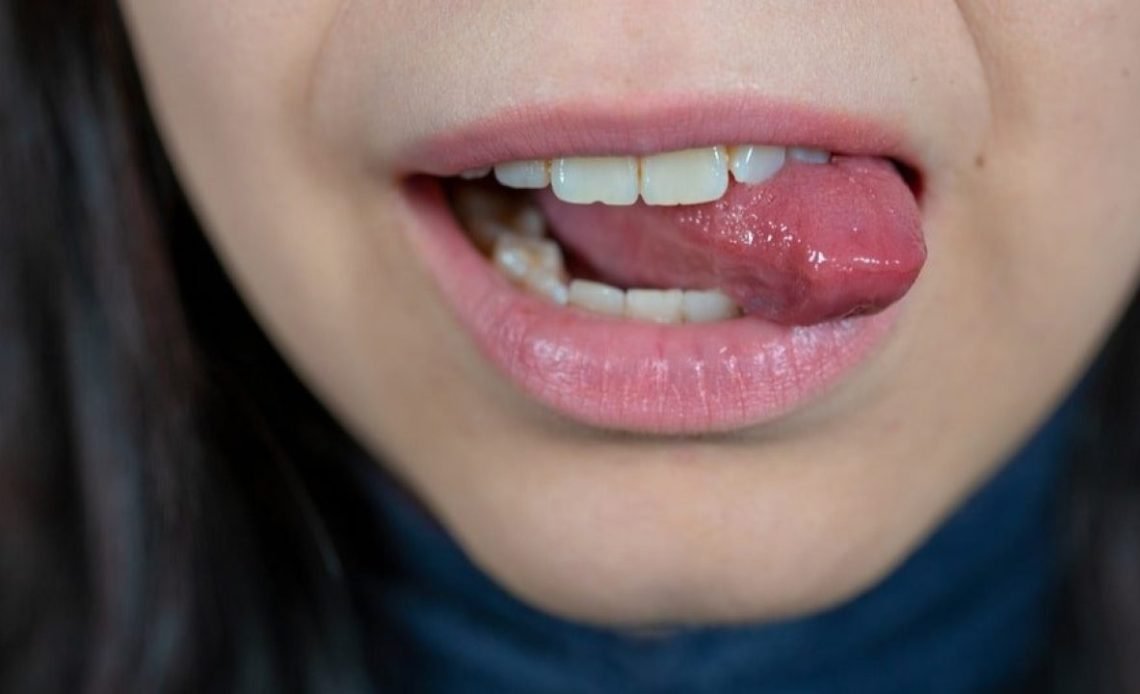
Why do I bite my tongue when I sleep? Waking up with a sore, swollen, or cut tongue is more common than most people realize — and it is almost never random.
Nighttime tongue biting, also called nocturnal tongue biting, happens because of specific underlying causes that range from teeth grinding and sleep apnea to neurological conditions and medication side effects.
The frustrating part is that it happens completely unconsciously, so you cannot simply will yourself to stop. Understanding exactly what is driving the behavior is the first step toward protecting your tongue and finally getting a full night of undisturbed sleep.
What Is Nocturnal Tongue Biting
Nocturnal tongue biting is the involuntary act of biting, clenching, or scraping your tongue while you are asleep. It is not the same as the occasional accidental bite that happens while eating — this is a pattern that repeats night after night.
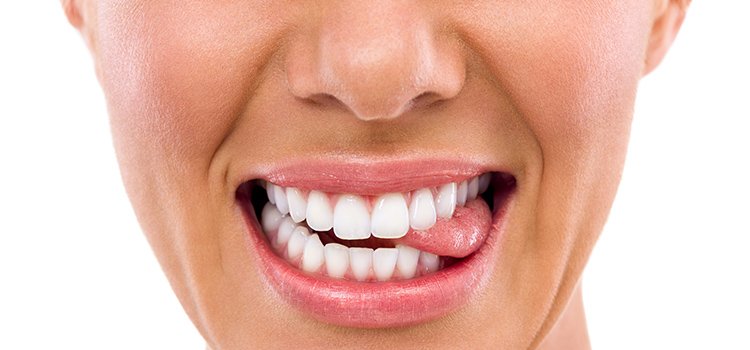
You may not even realize you are doing it until you wake up. The signs are usually obvious once you know what to look for: soreness, cuts, small ulcers, or noticeable swelling on the tongue surface. In more severe cases, there may be blood on the pillow or inside the mouth.
The medical community is clear on one point — when tongue biting happens regularly during sleep, an underlying cause is almost always responsible. It is a symptom, not a condition in itself.
Signs You Are Biting Your Tongue in Your Sleep
Because it happens while you are unconscious, recognizing the warning signs is important.
Common signs include waking up with tongue soreness or pain, visible cuts, lacerations, or small ulcers on the tongue surface, swelling or a bump on the bitten area, blood on the pillow or inside the mouth, scalloped edges along the sides of the tongue, jaw pain, headaches in the morning, and cheek biting occurring alongside tongue biting.
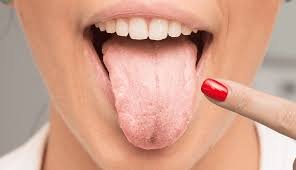
A scalloped tongue — where the tongue edges take on a wavy, indented appearance — is a particularly telling sign. It indicates repeated pressure and trauma from the teeth, often associated with chronic grinding or tongue thrusting.
Where on the Tongue You Bite Tells You Something
The location of the bites actually helps narrow down the likely cause.
| Bite Location | Most Likely Cause |
|---|---|
| Tip of the tongue | Teeth clenching or light grinding (bruxism) |
| Sides of the tongue | Bruxism, seizures, or malocclusion |
| Back of the tongue | Sleep apnea or nocturnal seizures |
| Multiple locations | Severe bruxism, REM behavior disorder, or seizures |
| Scalloped edges overall | Chronic grinding, tongue thrusting, or sleep apnea |
Cause 1: Bruxism — The Most Common Reason
If you are asking why do I bite my tongue when I sleep, bruxism is the answer in the majority of cases.
Bruxism is the involuntary grinding and clenching of teeth during sleep. According to NCBI StatPearls, sleep bruxism affects 15% to 40% of children and 8% to 10% of adults. It is one of the most common sleep-related movement disorders there is.
During bruxism episodes, the jaw grinds and thrusts with significant force. The tongue, positioned between or beside the teeth during sleep, gets caught and bitten as the jaw moves.
Doctors are not entirely certain what triggers bruxism, but research links it strongly to microarousals from sleep and activation of the autonomic nervous system. Stress, anxiety, and emotional changes are major contributors. The jaw essentially releases physical tension through grinding while the person is unconscious.
Signs that bruxism is your cause include morning jaw soreness, headaches, earaches, worn-down tooth enamel, and a sore or tender tongue when you wake up. Your dentist can often spot the signs of teeth grinding during a routine checkup by examining wear patterns on your enamel.
Cause 2: Sleep Apnea
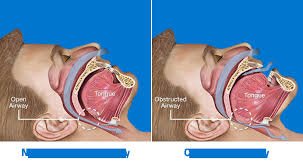
Sleep apnea is a disorder in which breathing repeatedly stops and starts throughout the night. It is closely linked to nighttime tongue biting in a specific way.
People with obstructive sleep apnea (OSA) often have larger tongues and relaxed oral muscles. As the airway partially collapses during sleep, the body triggers an arousal response — a sudden physical jolt to restart breathing. These abrupt arousal reactions involve jaw clenching and gasping that can catch the tongue between the teeth.
People with untreated sleep apnea are significantly more likely to report tongue biting. The connection runs deep because sleep apnea and bruxism frequently co-occur — when one is treated, the other often improves as well.
Dr. John Comisi, a dental expert at MUSC, has noted that when examining patients for nighttime tongue biting, one of the first things he looks for is a scalloped tongue, enlarged tongue size, wear patterns on teeth, and signs of airway obstruction. He states plainly: “The tongue biting itself is a side effect of what’s going on. It’s a symptom of an underlying potential problem.”
Other signs of sleep apnea include loud snoring, gasping for air during sleep, waking with headaches, daytime sleepiness, and difficulty concentrating.
Cause 3: Nocturnal Seizures
This is one of the most important causes to be aware of because it signals a serious neurological issue that needs medical attention.
During a nocturnal seizure, the brain experiences an uncontrolled burst of electrical activity that causes involuntary muscle contractions. The jaw clamps down with force, and the tongue — which cannot get out of the way quickly enough — takes the bite.
Epilepsy is the most common underlying condition causing nocturnal seizures. People with epilepsy lose control of their bodies during a seizure episode, and because it happens during sleep, many are unaware it has occurred until they wake up with tongue injuries.
Research published in the journal Seizure confirms that tongue biting in seizure patients tends to affect the tip and sides of the tongue, while the lateral (side) edges are particularly common bite locations.
Red flag signs that distinguish seizure-related tongue biting from bruxism include waking confused or disoriented, bladder loss during the night, muscle stiffness or soreness throughout the body, vivid or disturbing dreams, and unexplained injuries beyond just the tongue.
If you suspect nocturnal seizures, do not wait. A neurologist can conduct an EEG (electroencephalogram) and video polysomnography — a sleep study that monitors brain activity across different sleep stages — to identify what is happening.
Cause 4: Faciomandibular Myoclonus
This cause is less known but important — especially because it is frequently misdiagnosed.
Faciomandibular myoclonus (FMM), also called sleep-related faciomandibular myoclonus (SRFMM), involves sudden, involuntary, forceful contractions of the jaw and facial muscles during sleep. These spasms cause the jaw to snap shut and directly result in tongue biting.
A peer-reviewed study published in ScienceDirect (2020) found that SRFMM is a rare and under-recognized parasomnia. Of 17 analyzed patients, the condition was found to be more prevalent in males, with a mean age of 48.2 years. Critically, a majority of patients were initially misdiagnosed with epilepsy or sleep bruxism, which delayed correct treatment.
Most episodes occur during non-REM sleep. Unlike bruxism, which involves a grinding motion, FMM produces a sudden clamp-like jaw action.
This condition is more commonly seen in children but does occur in adults. If you or your child has been diagnosed with bruxism but night guards are not helping, FMM may be worth investigating with a specialist.
Cause 5: REM Sleep Behavior Disorder
During normal REM (Rapid Eye Movement) sleep — the stage where vivid dreaming occurs — the body is naturally paralyzed. This is a protective mechanism that prevents people from physically acting out their dreams.
In REM Sleep Behavior Disorder (RBD), this protective paralysis fails. The person physically acts out dream content with real body movements — kicking, punching, flailing, or in some cases biting — all while still asleep.
Because these movements can be sudden and violent, the tongue can be caught and bitten during active dream sequences. Researchers from Ubie Health and multiple sleep medicine journals have documented cases of isolated tongue biting as a presenting symptom of RBD, particularly in older adults.
RBD is associated with certain neurological conditions including Parkinson’s disease and other neurodegenerative disorders. If tongue biting is accompanied by vivid dreams, talking during sleep, or reports from a partner of physical movements at night, RBD should be evaluated by a sleep specialist.
Cause 6: Malocclusion and Misaligned Teeth
Not every cause of nighttime tongue biting is neurological. Sometimes the problem is structural.
Malocclusion refers to misalignment of the upper and lower teeth — the teeth do not come together correctly when the jaw closes. An overbite, underbite, crowded teeth, or crooked teeth can all force the tongue into a vulnerable position where it sits too close to the biting surfaces.
When the jaw moves naturally during sleep, a misaligned bite creates circumstances where the tongue can easily get caught between teeth it should never be touching.
Biting the sides of the tongue is especially common with malocclusion. Orthodontic treatment — braces or clear aligners — can correct the underlying alignment and significantly reduce or eliminate tongue biting in these cases.
Tongue thrusting, where the tongue presses forward against the teeth during sleep, is also related. This habit — which can be unconscious and lifelong — positions the tongue in exactly the wrong place repeatedly throughout the night.
Cause 7: Stress and Anxiety
Stress does not stay in your mind when you fall asleep. It follows you into the night and expresses itself physically.
High levels of stress and anxiety are among the most well-documented triggers of sleep bruxism. When the body is under psychological stress, muscle tension in the jaw increases. During sleep, particularly during lighter sleep stages and microarousals, that tension gets released through clenching and grinding.
Even without a formal bruxism diagnosis, a person going through a stressful period — work pressure, relationship difficulties, financial anxiety — may suddenly start biting their tongue at night when they never did before. This is the body converting unresolved emotional tension into physical action.
Managing stress through regular exercise, mindfulness practice, cognitive behavioral therapy (CBT), or simply improving sleep hygiene can directly reduce jaw tension and nighttime tongue biting.
Cause 8: Medications and Substances
Certain medications and substances directly interfere with muscle control during sleep, creating involuntary movements that lead to tongue biting.
Psychiatric and neurological medications — including some antidepressants, antipsychotics, and medications for anxiety — can have side effects that include involuntary muscle movements or altered sleep patterns. If tongue biting started shortly after beginning a new prescription, medication side effects are a real possibility worth discussing with your prescribing doctor.
Alcohol relaxes the muscles of the jaw and oral cavity, reducing the normal control mechanisms that keep the tongue in a safe position. Drinking before bed increases the risk of tongue biting.
MDMA (ecstasy) is known to cause severe bruxism and jaw clenching. Healthline notes it appears to intensify the desire to bite or chew, leading to significant injuries to the tongue, cheeks, and inside of the mouth.
Stimulants like caffeine and nicotine worsen bruxism by increasing overall muscle tension and disrupting the quality of sleep. Reducing or eliminating these before bed is a practical step for many people.
Cause 9: Rhythmic Movement Disorder
Rhythmic Movement Disorder (RMD) is a sleep-related condition involving repetitive, rhythmic body movements that occur while drowsy or asleep. Common expressions include head banging, body rocking, and repetitive jaw or facial movements.
The rhythmic jaw movements characteristic of RMD can repeatedly traumatize the tongue throughout the night. The condition is more common in children but occurs in adults too.
Unlike bruxism which involves a grinding pattern, RMD creates a rocking or repetitive rhythm. If nocturnal tongue biting is accompanied by body rocking or repetitive movements observed by a bed partner, RMD should be considered.
Cause 10: Lyme Disease and Neurological Infections
Less common but documented — certain infections affecting the central nervous system can cause the type of involuntary muscle movements and reflex disruptions that result in tongue biting.
Lyme disease, caused by the bacterium Borrelia burgdorferi, can affect the nervous system in ways that disrupt normal muscle control. Healthline documents tongue biting as a possible symptom of Lyme disease, alongside other neurological signs including abnormal sensitivities to heat and cold, fatigue, slurred speech, vision changes, and generalized pain and tingling.
If tongue biting appears alongside a broader cluster of unexplained neurological symptoms, an infectious disease evaluation may be appropriate.
All Causes at a Glance
| Cause | Key Mechanism | Who It Affects Most |
|---|---|---|
| Bruxism (teeth grinding) | Jaw grinding and clenching during sleep | Adults and children, stress-related |
| Sleep apnea | Arousal responses causing jaw clenching | Adults, especially overweight |
| Nocturnal seizures (epilepsy) | Uncontrolled electrical brain activity | Any age, needs neurological eval |
| Faciomandibular myoclonus | Sudden jaw muscle spasms | Males, mean age 48, often misdiagnosed |
| REM Sleep Behavior Disorder | Loss of REM paralysis, dream enactment | Older adults, neurological link |
| Malocclusion | Teeth misalignment traps tongue | Any age, structural issue |
| Stress and anxiety | Increases jaw muscle tension | Any age, especially during high stress |
| Medications/substances | Disrupts muscle control during sleep | Anyone on relevant prescriptions |
| Rhythmic Movement Disorder | Repetitive jaw movements | More common in children |
| Lyme disease | CNS disruption, reflex changes | Anyone with tick exposure history |
Complications of Untreated Tongue Biting in Sleep
If the underlying cause is not addressed, repeated tongue biting leads to real and escalating health problems.
Chronic pain and soreness make eating, speaking, and swallowing uncomfortable daily. The tongue is one of the most innervated structures in the body — injuries there are felt intensely.
Ulcers form when repeated trauma to the same area prevents healing. These painful sores can persist for weeks and create ongoing misery.
Infections develop when open cuts on the tongue allow bacteria to enter. The mouth contains hundreds of bacterial species, and tongue wounds that are repeatedly re-opened have elevated infection risk.
Scalloped tongue — the wavy indentation pattern along the tongue’s edges — can become a permanent feature if chronic pressure continues. In some cases, this affects tongue mobility over time.
Scar tissue formation from chronic trauma can permanently alter tongue texture and flexibility, potentially affecting speech and swallowing.
Sleep disruption is both a cause and a consequence. Pain from tongue biting can wake a person up, fragmenting sleep further and worsening daytime fatigue, mood, and concentration.
Treatment Options: How to Stop Biting Your Tongue in Sleep
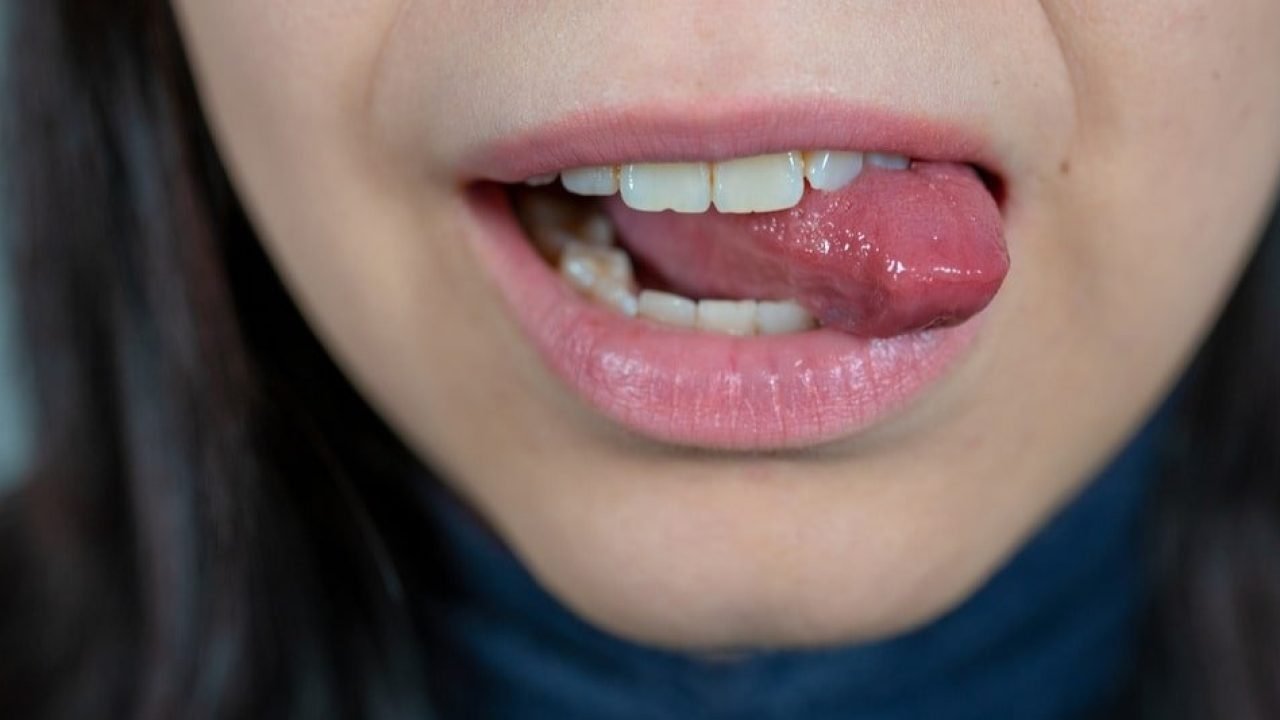
The right treatment depends entirely on the underlying cause. Here is what works for each scenario.
Night Guards and Dental Mouth Guards
A custom-fitted dental night guard is the most widely used protective solution for bruxism and malocclusion-related tongue biting. The guard creates a physical barrier between the upper and lower teeth, preventing the tongue from being caught during grinding or clenching episodes.
Custom guards from a dentist provide the best fit and longest protection. Over-the-counter boil-and-bite options are a more affordable alternative for mild cases, but they do not fit as precisely.
Night guards protect the tongue but do not treat the root cause of grinding. They are a management tool, not a cure.
CPAP for Sleep Apnea
If sleep apnea is the underlying cause, a CPAP (Continuous Positive Airway Pressure) machine is the gold-standard treatment. CPAP keeps the airway open throughout the night, eliminating the arousal responses that trigger jaw clenching.
A bonus: treating sleep apnea often resolves associated bruxism at the same time. When the body no longer needs to respond to airway collapse with arousal reactions, the jaw stops clenching.
Anti-Seizure Medications and Neurological Treatment
For nocturnal seizure-related tongue biting, anti-seizure medications prescribed by a neurologist are the appropriate treatment pathway.
A sleep study with EEG monitoring is typically required first to confirm the diagnosis and characterize the seizure activity. Once confirmed, medication can dramatically reduce or eliminate episodes.
Important note: dental oral devices should generally be avoided in patients with epilepsy, as the device can become a foreign object in the airway during a seizure. Discuss this carefully with both a neurologist and a dentist.
Stress Management
For stress-driven bruxism, addressing the emotional root is as important as any physical intervention.
Cognitive Behavioral Therapy (CBT) is strongly supported by research for reducing bruxism severity. Mindfulness meditation, progressive muscle relaxation, regular exercise, and improving sleep hygiene all reduce jaw tension and the frequency of nighttime grinding.
Creating a calming bedtime routine — no screens within an hour of sleep, avoiding caffeine and nicotine in the evening, consistent sleep and wake times — supports deeper, calmer sleep with less muscular tension.
Orthodontic Treatment for Malocclusion
When misaligned teeth are the structural cause, orthodontic treatment (braces or clear aligners) corrects the bite and eliminates the anatomical conditions that trap the tongue.
This is a longer-term solution requiring months or years, but it addresses the root cause directly rather than managing symptoms.
Medication Review
If tongue biting started after beginning a new medication, talk to your prescribing physician. There may be alternative medications with fewer muscle side effects, or dosage adjustments that reduce the problem. Never stop a prescription without medical guidance.
Sleep Position Changes
Sleeping on your stomach compresses the jaw and increases tongue biting risk. Switching to side or back sleeping removes that compression and reduces the likelihood of inadvertent jaw clenching.
Using a supportive pillow that keeps the head, neck, and jaw properly aligned also reduces muscle tension in the jaw during sleep.
When to See a Doctor
Most cases of mild tongue biting from bruxism can be managed with lifestyle changes and a night guard. But certain signs demand prompt medical attention.
See a doctor if tongue biting is frequent and severe, if there is heavy bleeding from tongue wounds, if you notice swelling that does not resolve, if you experience confusion or disorientation upon waking, if there is any loss of bladder control during the night, if you are experiencing vivid dream enactment or violent movements during sleep, or if bites are consistently appearing on the sides or back of the tongue (which is more strongly associated with seizures).
These red flags may indicate epilepsy, REM Sleep Behavior Disorder, or another neurological condition that requires proper diagnosis and treatment.
Quick-Reference Prevention Checklist
| Action | Best For |
|---|---|
| Custom dental night guard | Bruxism, mild malocclusion |
| CPAP therapy | Sleep apnea |
| Anti-seizure medication | Nocturnal epilepsy |
| Stress management and CBT | Stress-driven bruxism |
| Orthodontic treatment | Structural malocclusion |
| Medication review with doctor | Drug-induced muscle activity |
| Sleep on side or back | Reducing jaw compression |
| Reduce caffeine and alcohol | Lowering bruxism severity |
| Sleep study (polysomnography) | Diagnosing any sleep disorder |
| Neurology referral | If seizures or RBD suspected |
Frequently Asked Questions (FAQs)
Why do I bite my tongue when I sleep?
The most common causes are bruxism (teeth grinding), sleep apnea, and stress-driven jaw clenching. More serious causes include nocturnal seizures, REM sleep behavior disorder, and faciomandibular myoclonus — all of which require medical evaluation.
Is biting your tongue in sleep dangerous?
Occasional biting is usually not dangerous but is a sign something needs attention. Frequent biting causes ulcers, infections, scar tissue, and disrupted sleep — and may indicate a serious underlying condition like epilepsy or sleep apnea.
What does it mean if I bite the side of my tongue in sleep?
Biting the sides of the tongue is most commonly associated with bruxism, malocclusion, or nocturnal seizures. Side and lateral biting is one of the key indicators clinicians look for when evaluating seizure activity.
Can stress cause me to bite my tongue in my sleep?
Yes. Stress and anxiety significantly increase jaw muscle tension and trigger sleep bruxism. Many people start biting their tongue during high-stress periods even with no prior history of the problem.
Does a night guard stop tongue biting in sleep?
A night guard is very effective for bruxism-related tongue biting — it creates a barrier that prevents the tongue from being caught between grinding teeth. It does not treat sleep apnea, seizures, or REM behavior disorder, which need separate interventions.
How do I know if my tongue biting is caused by a seizure?
Seizure-related tongue biting tends to affect the sides and tip of the tongue and is accompanied by confusion on waking, possible bladder loss, body stiffness, and unexplained injuries. An EEG and sleep study with a neurologist can confirm or rule out seizures.
Can sleep apnea cause me to bite my tongue at night?
Yes. Sleep apnea causes the body to clench the jaw during arousal responses triggered by breathing pauses. Treating sleep apnea with CPAP therapy often resolves related tongue biting and associated bruxism simultaneously.
What is a scalloped tongue and does it mean I bite my tongue in sleep?
A scalloped tongue has wavy indentations along its edges caused by repeated pressure from the teeth. It strongly suggests chronic teeth grinding, tongue thrusting, or sleep apnea and is one of the primary physical signs dentists look for when investigating nocturnal tongue biting.
Can children bite their tongue in their sleep?
Yes. Faciomandibular myoclonus and rhythmic movement disorder are both more common in children than adults. Bruxism also affects 15–40% of children. If a child shows signs of repeated tongue biting, a pediatric dentist or sleep specialist should evaluate them.
What should I do if I keep waking up with a bitten tongue?
Start by booking a dental appointment to check for bruxism and malocclusion. If a night guard alone does not resolve the issue, pursue a sleep study to evaluate sleep apnea and other disorders. If neurological symptoms are present, see a neurologist promptly.
Conclusion
Why do I bite my tongue when I sleep? The answer is almost always an underlying condition — bruxism is the most common, sleep apnea is closely linked, and nocturnal seizures, REM behavior disorder, malocclusion, stress, and certain medications all play a role depending on the individual.
The bite location gives you clues, the timing gives you patterns, and the full picture tells you which professional to see first.
The good news is that every single cause has an effective treatment pathway. A custom night guard can protect your tongue from grinding. CPAP therapy resolves sleep apnea. Anti-seizure medications control epileptic episodes.
Stress management and orthodontic treatment address their respective root causes.
No one should have to wake up every morning with a sore, swollen, or bleeding tongue. The solution exists — the key is identifying which cause is yours and following through with the right care.
If you are unsure where to start, a dentist and a sleep specialist are your two best first steps.
Note: This article is for informational purposes only and does not substitute for professional medical or dental advice.
If you are experiencing frequent tongue biting during sleep, please consult a qualified healthcare provider for proper diagnosis and treatment.


