

Why Do Dogs Get Skin Tags? Finding a small, soft bump on your dog’s skin can be alarming the first time you notice it. In most cases, that bump is a harmless skin tag, and it is far more common than most owners realize.
Why Do Dogs Get Skin Tags?


Dogs get skin tags mainly from aging skin, chronic friction, genetics, and minor skin irritation. They are benign, non-contagious growths and are usually nothing to worry about.
Skin tags are not the same as warts, cysts, or tumors, even though they can look similar at a glance. A vet exam is the only reliable way to tell them apart.
What Is a Dog Skin Tag
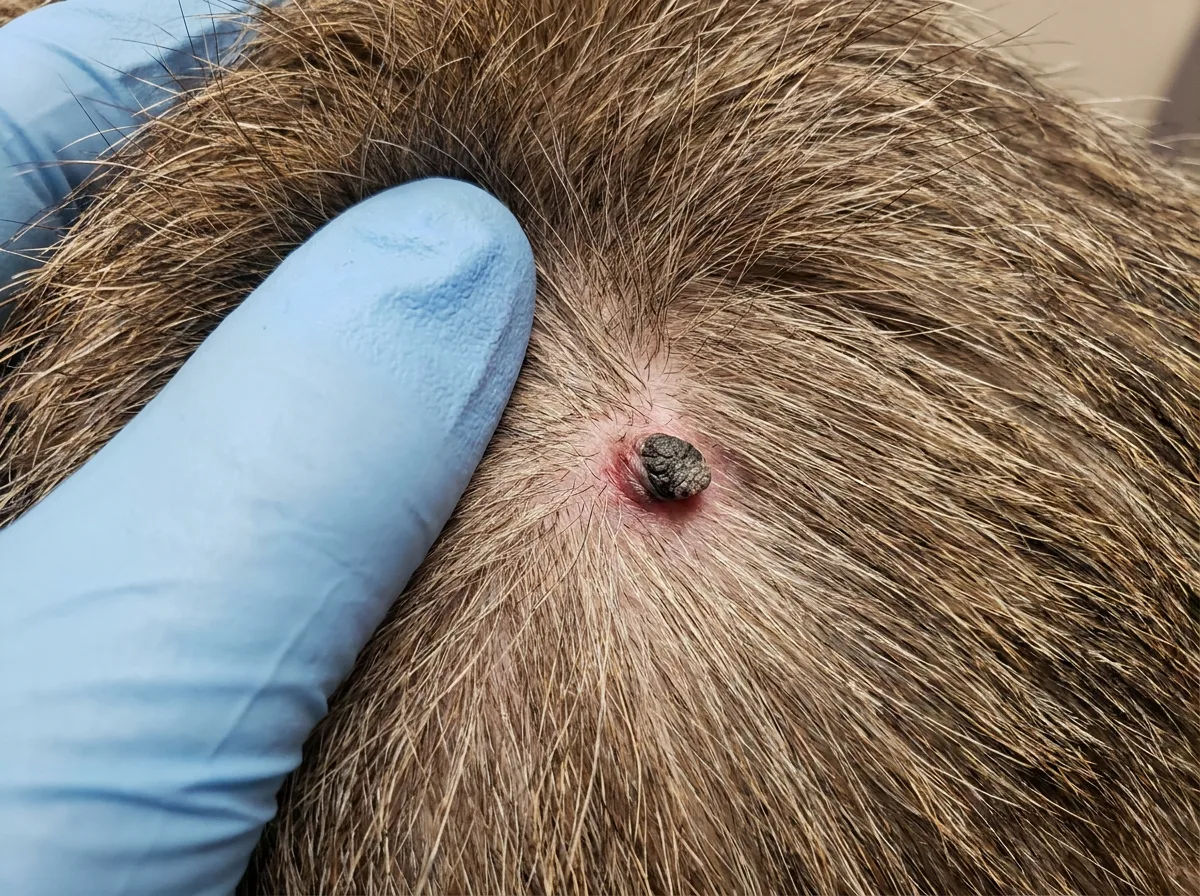
A skin tag, medically called an acrochordon, is a small, soft, flesh-colored growth attached to the skin by a thin stalk. It looks like a tiny flap of extra skin hanging off the body.
Skin tags are not painful under normal conditions and do not spread to other pets or people. Most dogs will have one or more at some point in their life without any other health issues.
Common Causes of Skin Tags in Dogs
There is no single cause behind every skin tag. Instead, several overlapping factors make some dogs more likely to develop them than others.
Aging and Skin Elasticity
As dogs get older, their skin naturally loses elasticity and becomes more fragile. This gradual change makes senior dogs far more prone to developing skin tags than puppies.
Friction and Chronic Irritation
Repeated rubbing from collars, harnesses, skin folds, or hard flooring is one of the most common triggers. Constant pressure on the same spot can cause the skin to thicken and form a tag over time.
Genetics and Breed Predisposition
Some breeds are simply wired to develop more skin tags than others. Boxers, English Bulldogs, Poodles, Cocker Spaniels, and other large or giant breeds tend to show them more frequently.
Hormonal Changes
Hormonal fluctuations can influence skin health and growth patterns in some dogs. This is especially true in dogs that already have underlying skin sensitivities.
Allergies and Excessive Licking
Ongoing allergies often lead to inflammation, licking, and scratching. That repeated irritation can eventually contribute to skin tag formation in the affected area.
Where Skin Tags Commonly Appear
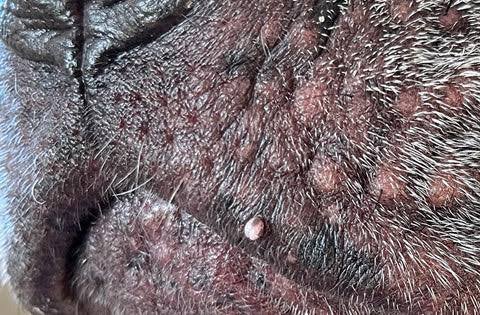

Skin tags can technically form anywhere, but certain spots show up far more often than others. Recognizing these common locations helps you know what to watch for.
- Neck and collar area
- Chest, elbows, and knees
- Armpits and groin folds
- Belly and areas that touch the floor when lying down
- Between the toes
- Around the eyes and mouth, though less common
Are Skin Tags Painful or Dangerous
Skin tags are almost always painless and pose no real health threat on their own. Most dogs never even notice they have one.
Problems can occur if a tag is repeatedly scratched, bitten, or caught on something. In those cases, it may bleed, get infected, or become uncomfortable for the dog.
Skin Tags vs Other Skin Growths
Owners often confuse skin tags with other bumps that look similar but behave very differently. This table breaks down the key differences.
| Growth Type | Texture | Attachment | Concern Level |
|---|---|---|---|
| Skin Tag | Soft, fleshy | Thin stalk | Low, usually benign |
| Wart (papilloma) | Rough, cauliflower-like | Fully attached | Low, but contagious |
| Cyst | Firm or soft, rounded | Broader base | Moderate, monitor closely |
| Tumor or Mass | Firm, irregular | Fully attached, may grow | High, needs veterinary evaluation |
When to See a Vet
Most skin tags never need medical attention. However, certain warning signs mean it’s time to schedule a veterinary visit.
- The growth changes shape, color, or size quickly
- It bleeds without an obvious cause
- It becomes red, swollen, or produces discharge
- Your dog constantly licks, bites, or scratches at it
- Multiple new growths appear at once
- The tag is near the eyes, mouth, or interferes with movement
Treatment and Removal Options
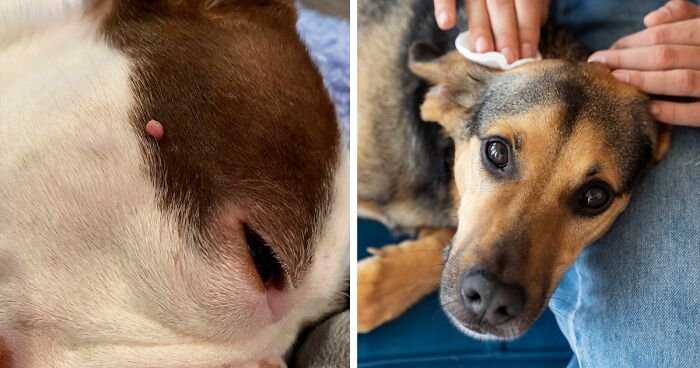

Treatment depends entirely on the size, location, and whether the skin tag is bothering your dog. Many tags are simply left alone and monitored.
| Method | How It Works | Best For |
|---|---|---|
| Monitoring only | No action, regular checks at home | Small, non-irritated tags |
| Surgical excision | Cutting the stalk under local or general anesthesia | Larger or bothersome tags |
| Cryotherapy | Freezing the tag with liquid nitrogen | Small, accessible tags |
| Electrocautery | Burning off the tag using heat | Tags removed during another procedure |
Prevention Tips for Dog Owners
Skin tags cannot always be prevented, but a few habits can lower the odds. Small changes to your dog’s routine make a real difference over time.
- Choose soft, supportive bedding to reduce pressure points
- Check collar and harness fit to avoid constant rubbing
- Keep up with regular grooming and skin checks
- Manage allergies promptly with your vet’s guidance
- Maintain a balanced diet to support healthy skin
Key Takeaways
- Skin tags are soft, benign growths caused by aging, friction, genetics, and skin irritation.
- They are not contagious and rarely cause pain unless irritated.
- Skin tags differ from warts, cysts, and tumors, though they can look alike.
- Most tags only need monitoring, not removal.
- See a vet if a growth changes quickly, bleeds, or bothers your dog.

Also Read:
- Why Did George Kill Lennie? Plot and Meaning Explained
- Kabir Bahia Age, Height, Religion, Girlfriend & Net Worth
- Ruks Khandagale Height in Feet, TV Shows, Biography & Net Worth
- Sohail Kathuria Biography, Age, Height & Net Worth
- Ashby Gentry Height, Biography, Age & Net Worth
- Navina Wadekar (Bawri) Biography, Age & Career
- Yashi Tank Age, Height, Sister Name & Net Worth
- Salim Karim Age, Mahira Khan Husband & Net Worth
- How to Choose the Best Online Medicine App in India
- How Stack-Up Symmetry Affects Warpage and Assembly Yield in 12-Layer PCBs
- From Hair Care Idea To Business: How Bo International Supports Startup Brands
- Portable Space Heaters vs Fan Heaters: Pros and Cons
- How Care Patterns Help During Steps to Report Suspected Nursing Home Abuse
- How Insurance Responses Can Affect a Houston, TX Auto Accident Claim
- The Investigation Steps a Premises Liability Lawyer May Take After an Injury
- Does Being a Loan Guarantor Affect Your CIBIL Score
- Do You Need Legal Help After a Truck Accident? Here’s What to Know
- Employee Rights and Legal Remedies in Whistleblower Retaliation Cases
- 430+ Trendy Roblox Username Ideas for Boys & Girls
- 1000+ Trendy Instagram Usernames Ideas for Girls
- Letflix Review: Features, How It Works and Is It Safe to Use?
- Download Gayatri Mantra Best Ringtone Mp3/M4R
Frequently Asked Questions (FAQs)
Why do dogs get skin tags?
Dogs get skin tags mainly from aging skin, chronic friction, genetics, and minor irritation. They are benign growths that rarely cause any problems.
Are skin tags on dogs common?
Yes. Skin tags are extremely common, especially in senior dogs and larger breeds with excess skin or skin folds.
Do skin tags hurt dogs?
Skin tags themselves are not painful. Discomfort only occurs if the tag is irritated, scratched, or accidentally injured.
Can skin tags on dogs turn into cancer?
Skin tags are benign and do not turn into cancer. However, some cancers can resemble skin tags, so a vet check is recommended for new growths.
Are dog skin tags contagious?
No. Skin tags are not contagious and will not spread to other pets or people in the household.
What is the difference between a skin tag and a wart on a dog?
Skin tags are soft and attached by a thin stalk, while warts are rougher, cauliflower-shaped, and fully attached to the skin. Warts are also caused by a contagious virus.
Which dog breeds get skin tags most often?
Boxers, English Bulldogs, Poodles, and Cocker Spaniels are commonly affected, along with other large and giant breeds.
Do older dogs get more skin tags?
Yes. Aging reduces skin elasticity, which makes middle-aged and senior dogs more likely to develop skin tags.
Can a collar cause skin tags on a dog’s neck?
Yes. Constant friction from a poorly fitted collar or harness is a common cause of skin tags in the neck area.
Should I remove my dog’s skin tag myself?
No. You should never try to cut, pull, or remove a skin tag at home, since this can cause bleeding, pain, or infection.
How do vets remove skin tags on dogs?
Vets typically use surgical excision, cryotherapy, or electrocautery, depending on the tag’s size and location.
Does skin tag removal require anesthesia?
It depends on the size and location. Many tags are removed under local anesthesia or during another procedure like a dental cleaning.
How much does it cost to remove a dog’s skin tag?
Cost varies by clinic, location, and whether removal happens during another procedure. Your vet can give an accurate estimate after an exam.
Can allergies cause skin tags in dogs?
Allergies can contribute indirectly by causing licking and scratching, which leads to chronic irritation and, over time, skin tag formation.
What does a dog skin tag look like?
It usually looks like a small, soft, flesh-colored flap of skin hanging by a thin stalk. Size and color can vary slightly between dogs.
Where do skin tags most commonly appear on dogs?
They are most common around the neck, chest, elbows, armpits, and belly, especially in areas prone to friction.
When should I worry about a skin tag on my dog?
Worry if the growth changes size or color quickly, bleeds, becomes swollen, or bothers your dog constantly. These signs call for a vet visit.
Can I prevent my dog from getting skin tags?
You cannot fully prevent them, but soft bedding, well-fitted gear, and good skin care can lower the risk.
Do skin tags grow back after removal?
No. Once properly removed, skin tags typically do not grow back in the same spot.
Conclusion
Understanding why do dogs get skin tags comes down to a simple mix of aging, friction, genetics, and everyday skin irritation. These growths are almost always harmless and rarely need treatment.
Keep an eye on any new bump, note changes in size or color, and let your vet confirm what you’re dealing with. That simple habit keeps your dog comfortable and gives you real peace of mind.