


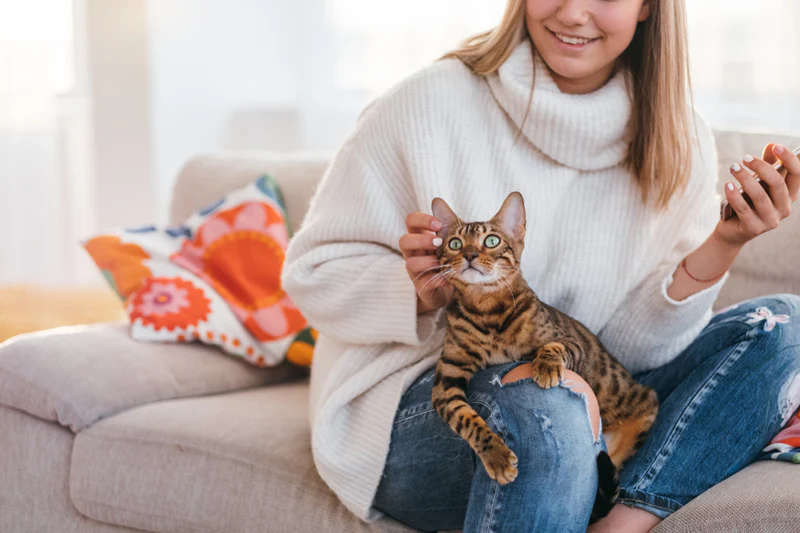
Why do cats lay on you is one of the most searched cat behavior questions online, and the answer goes much deeper than simple comfort.
Every time your cat curls up on your chest, drapes across your legs, or settles into your lap, they are communicating something deliberate and meaningful.
Cats sleep between 12 and 18 hours every single day, so their choice of sleeping spot is never accidental.
When a cat picks you over every warm blanket, cozy bed, and sunny windowsill in the house, that choice carries real weight.
Cats Are Intentional Sleepers
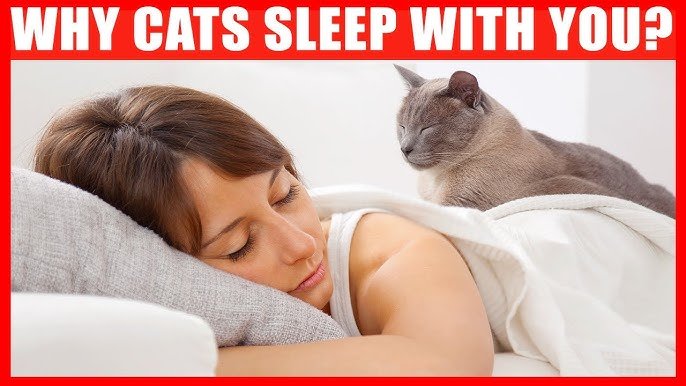
Cats sleep a lot, but they are never careless about where they sleep. In the wild, a resting cat is a vulnerable cat. Choosing the wrong sleeping spot could mean danger. That survival instinct never fully disappears, even in the most pampered indoor cat.
When your cat selects your body as their sleeping spot, they are making an active statement that they feel completely safe with you. That is not a small thing in the feline world.
Why Do Cats Lay on You? The Main Reasons
There is rarely just one reason. Most cats lay on their owners for a combination of physical, emotional, and instinctual reasons all working together.
Warmth and Body Heat
Cats have a naturally higher body temperature than humans, averaging around 101 to 102 degrees Fahrenheit. They are constantly drawn to heat sources to help maintain that temperature without burning extra energy.
Your body is a living, breathing heat source that stays consistently warm and never goes cold. That makes you far more appealing than a blanket or a heated pet bed. This behavior intensifies during colder seasons or for cats with short fur who lose warmth quickly.
Trust and Security
Cats are cautious animals at their core. Sleeping is the most vulnerable state they enter. When a cat chooses to sleep on or against you, they are signaling a level of trust that is genuinely significant in feline terms.
A cat that does not fully trust you will rest nearby but not directly on you. Direct physical contact means they feel completely secure. They are not worried about sudden movement, loud sounds, or unexpected threats because they trust that you will keep them safe.
Scent Marking and Territorial Instinct
Cats have scent glands located on their cheeks, paws, and flanks. When they lie on you, knead your lap, or rub their head against you before settling, they are actively transferring their scent onto you.
This is not about dominance in an aggressive sense. It is about belonging. By marking you with their scent, your cat is weaving you into their trusted inner circle. In multi-cat households, cats that have just laid on you may be reclaimed by another cat shortly after, essentially refreshing the shared group scent.
Bonding and Emotional Attachment
Research shows that cats develop attachment styles similar to those seen in dogs and even human infants. Securely attached cats seek proximity to their primary caregiver during stress and return to them for reassurance.
Laying on you is one of the most direct physical expressions of that attachment bond. It is how cats show affection when they are not vocalizing, head-bunting, or slow-blinking. Physical closeness equals love in feline language.
The Comfort of Your Heartbeat and Breathing
This reason is particularly tender. Cats that lay on your chest are often drawn to the rhythmic sound of your heartbeat and the gentle rise and fall of your breathing.
As kittens, they spent their earliest weeks pressed against their mother, lulled to sleep by exactly those sounds. That association never fully fades. When a cat lays on your chest as an adult, they are recreating that early sense of warmth, safety, and nurturing comfort.
Your Scent Is Familiar and Reassuring
Your natural body scent is one of the most powerful signals of safety for your cat. Your pillow, your clothes, and your skin all carry concentrated amounts of the scent your cat has come to associate with home and security.
This is why cats often gravitate to your most-worn clothing or your side of the bed. Your scent, deeply familiar after months or years of cohabitation, is genuinely calming to a cat at a neurological level.
Seeking Attention and Affection
Sometimes the reason is straightforward. Cats learn quickly that lying on you produces a reliable outcome: petting, soft talking, and focused attention. If your cat has been ignored all day or wants connection, climbing onto your lap is an effective strategy.
This does not make the behavior less genuine. It just means your cat is also very good at getting what they want.
Anxiety, Stress, or Need for Reassurance
A cat that suddenly starts lying on you much more than usual may be communicating stress or anxiety. Changes in environment, new pets, a new baby, or disruptions to routine can make a cat seek extra proximity and reassurance from their trusted person.
If the clinginess is new and paired with other behavioral changes like hiding, reduced appetite, or over-grooming, consider whether something in the environment has shifted.
What It Means When Your Cat Lays on Specific Body Parts
The spot your cat chooses to rest on tells you something specific about their emotional state and what they are seeking from you.
| Body Part | What It Likely Means |
|---|---|
| Chest | Deep bonding, drawn to heartbeat and warmth, highest trust |
| Lap | Warmth, affection, comfort, desire for petting |
| Stomach | Relaxed, seeking gentle heat, feels fully safe |
| Legs and feet | Affectionate but independent, easy escape route nearby |
| Head or pillow | Scent-seeking, strong bonding, avoids body movement |
| Between your legs | Nesting instinct, security, maximum warmth |
| Next to you (not on) | Bonded but prefers personal space, still trusts you fully |
Why Your Cat Lays on Your Chest
Your chest is one of the most emotionally significant spots a cat can choose. It combines warmth, the sound of your heartbeat, the rhythm of your breathing, and close proximity to your face.
Cats that regularly sleep on their owner’s chest tend to be among the most securely attached. The heartbeat in particular taps into their earliest memory of safety from nursing alongside their mother.
Why Your Cat Lays on Your Head or Pillow
Your head and scalp release the strongest concentration of your natural scent. For a cat that is highly bonded to you, this spot is irresistible. It is also the part of you that moves least during sleep, making it a stable resting platform.
Cats that sleep near your head are often the most scent-focused in their bonding. They want to be surrounded by you at your most concentrated.
Why Your Cat Lays on Your Legs and Feet
Sleeping on your legs or feet reflects affection combined with a preference for independence. Your lower half is warm, but it also offers the cat a natural exit route if they are startled or want to move.
Some cats also sleep at their owner’s feet as a form of guardianship, an instinct rooted in the idea of keeping watch over their person from the end of the sleeping area.
Why Your Cat Lays Between Your Legs
Between your legs is one of the most sheltered, enclosed spots a cat can find on a human body. The surrounding warmth, the sense of being nestled in a protected space, and the closeness to your body all combine to make this an especially popular choice.
Cats that nest between their owner’s legs often have strong nesting instincts and enjoy the feeling of being surrounded on multiple sides while still remaining close to you.
Cat Kneading: Why Cats Do It Before Lying on You
Many cats knead before settling down on your lap. This behavior, sometimes called making biscuits, originates in kittenhood when kittens knead their mother’s belly to stimulate milk flow.
When an adult cat kneads you before lying down, it is an involuntary expression of contentment and safety. It also actively transfers scent from the glands in their paws onto you, combining comfort behavior with territorial marking in one action.
A kneading cat is a happy, trusting cat. Take it as a compliment.
The Role of Purring When a Cat Lays on You
Purring while lying on you adds another dimension to the behavior. Cats purr in a frequency range of 25 to 150 Hertz, which research suggests has genuinely therapeutic properties including reduced stress and lowered blood pressure.
For the cat, purring while at rest is a self-soothing mechanism that reinforces their own sense of calm. For you, the vibration and sound of a purring cat on your chest or lap has measurable calming effects on the human nervous system too. The interaction genuinely benefits both of you.
Slow Blinking and Eye Contact While Lying on You
If your cat makes eye contact with you while resting on your body and gives you a slow, deliberate blink, that is considered one of the highest expressions of feline affection and trust.
Slow blinking is the cat equivalent of a kiss. It communicates that they are fully relaxed, not threatened, and emotionally connected to you. If you slow blink back, you are communicating the same feelings in a language your cat actually understands.
Why Some Cats Are More Likely to Lay on You Than Others
Not all cats are equally inclined toward lap-sitting and body contact. Several factors influence how much a cat gravitates toward lying on their owner.
| Factor | Effect on Behavior |
|---|---|
| Breed | Ragdolls, Siamese, Burmese, and Maine Coons are naturally more lap-oriented |
| Early socialization | Cats handled frequently as kittens are more comfortable with human contact |
| Personality | Some cats are naturally more social and affectionate than others |
| History | Rescue cats or previously fearful cats may take longer to lay on owners |
| Household temperature | Colder environments increase the likelihood of cats seeking body heat |
| Bond strength | The stronger the bond, the more likely the cat is to choose your body over other spots |
| Stress levels | Anxious cats may increase body contact or avoid it entirely depending on their coping style |
Breed Tendencies
Ragdolls are famously named for their tendency to go limp when picked up and regularly choose their owner’s lap and chest as preferred sleeping spots. Siamese cats are highly vocal and social and tend to stay physically close to their owners throughout the day.
Maine Coons are large, affectionate cats that enjoy proximity without always being demanding about it. Burmese cats are perhaps the most dog-like in their need for closeness and will often follow their owners and sleep pressed against them.
What If Your Cat Stopped Laying on You?
If a cat that previously enjoyed lying on you suddenly stops, it is worth paying attention. Cats change their behavior in response to changes in how they feel, both physically and emotionally.
Possible reasons include illness or physical discomfort that makes contact painful, stress from a new pet, person, or routine change, a temperature change that has made another spot more appealing, or a gradual shift in the bond due to less interaction.
If the change is sudden and accompanied by other symptoms like hiding, reduced eating, or lethargy, a veterinary check is worthwhile.
What If Your Cat Lays on You Too Much?
Most cat owners welcome this behavior, but very excessive clingy behavior, especially if it is new and uncharacteristic, can occasionally signal anxiety or even illness in the cat.
A cat that becomes unusually dependent and follows you constantly, cries when you leave, or seems unable to settle without physical contact may be experiencing separation anxiety. This is particularly common in cats that are left alone for long periods or have recently experienced a significant change.
Talk to your vet if the behavior feels compulsive or distressing to the cat rather than simply affectionate.
Benefits of Letting Your Cat Lay on You
The physical and emotional benefits of allowing this behavior flow in both directions. Research supports several genuine benefits for cat owners who allow their cats to sleep on or near them.
Reduced Stress and Lower Blood Pressure
Physical contact with a purring cat measurably reduces cortisol, the primary stress hormone. Studies have shown that cat owners have lower blood pressure on average than non-cat owners. The vibration and warmth of a resting cat on your body triggers the parasympathetic nervous system response that promotes calm.
Strengthens the Human-Cat Bond
Each time you allow your cat to rest on you without disturbing them, you are reinforcing the message that your presence is safe and positive. This consistency deepens trust over time and creates a more secure, affectionate relationship.
Better Sleep Quality
Some owners sleep more soundly with a cat nearby or on their legs. The warmth, the low-frequency vibration of purring, and the simple comfort of a trusted companion can reduce anxiety and promote deeper sleep for some people.
Emotional Support
The simple act of a warm, purring animal choosing to rest on you is emotionally reassuring. Cat ownership is associated with reduced rates of depression and loneliness. The physical act of a cat laying on you provides an uncomplicated form of comfort that many people find genuinely meaningful.
Things to Be Mindful Of
While this behavior is almost always positive, there are a few practical considerations worth keeping in mind.
Cat Allergies
If anyone in the household has cat allergies, frequent physical contact and sharing sleeping surfaces can worsen symptoms. Consider designated allergy-free zones and regular washing of bedding if allergies are a concern.
Sleep Disruption
Cats are not always considerate bedmates. Their crepuscular nature means they are naturally most active at dawn and dusk. A cat sleeping on your legs may cause disturbances during those active periods.
Hygiene
Outdoor cats can bring in external parasites, dirt, and environmental allergens. Keeping up with regular flea prevention and veterinary care reduces hygiene concerns associated with cats sleeping on you or in your bed.
How to Encourage Your Cat to Lay on You
If your cat is not naturally inclined toward lap-sitting but you want to encourage closer contact, there are gentle ways to build that comfort over time.
Stay calm and still when your cat approaches. Sudden movements or attempts to pick them up when they are investigating will drive them away. Let them come to you on their terms.
Use positive reinforcement. If your cat begins to settle on your lap, speak softly and offer gentle strokes. Avoid petting them in ways they dislike, such as touching the tail or belly before the trust is fully established.
Wear the same clothes during quiet, relaxed evenings so your cat associates your resting scent with safe, calm experiences. Your consistent scent in a calm setting becomes a signal that it is safe to settle.
How to Discourage It Kindly
Some owners prefer their cat not to sleep on them, particularly at night. Discouraging this behavior does not have to damage the bond.
Provide an appealing alternative directly beside your preferred sleeping spot. A heated cat bed, a soft blanket with your worn clothing inside, or a plush perch at the same height as your sleeping area gives your cat proximity to you without requiring them to be on your body.
Consistency matters. Gently redirecting your cat to their alternative spot every time they climb on you, paired with positive reinforcement when they use the alternative, creates a new habit without distress.
Reading Your Cat’s Broader Body Language
Understanding why cats lay on you becomes richer when you read it in the context of other behaviors happening at the same time.
Signs Your Cat Is Completely Content While Lying on You
A cat that is fully relaxed while resting on you will display several clear signals. Their muscles will feel soft and loose, not tense. Their eyes will be half-closed or fully closed. They may purr steadily. Their tail, if visible, will be still or gently curled.
These signs together confirm that this is genuine comfort behavior rather than stress-driven proximity seeking.
Signs Your Cat Might Be Anxious Even While Lying on You
An anxious cat lying on you may feel tense, have dilated pupils, hold their ears slightly flattened, or switch their tail. They may be using your body for reassurance rather than relaxed companionship.
In this case, the context matters more than the behavior itself. Look at what else is happening in the environment to understand what your cat might be responding to.
Does Your Cat Only Lay on One Person?
It is common for cats to have a clear primary attachment figure in a multi-person household. They typically gravitate to the person whose behavior patterns feel most predictable, whose scent is most familiar, or who provides the most calm and consistent interaction.
This does not mean the cat dislikes other household members. It simply reflects the depth of the primary bond. Other household members can strengthen their relationship by becoming more predictable in their interaction, allowing the cat to approach on its own terms, and using play and treat-based engagement.
Do Cats Know When You Are Sick or Upset?
Many cat owners report that their cats seek them out with increased intensity when they are unwell, distressed, or grieving. While cats do not understand illness the way humans do, they are highly attuned to changes in body temperature, breathing patterns, and emotional energy.
A feverish person runs slightly warmer, which may make them more physically appealing to a warmth-seeking cat. But beyond that, cats can detect subtle behavioral shifts, changes in movement, and altered scent profiles that may draw them closer during times of vulnerability.
Whether this constitutes empathy in the human sense is debated by animal behaviorists. What is clear is that the behavior is real and consistently observed.
Frequently Asked Questions (FAQs)
Why does my cat lay on my chest specifically?
Your chest combines warmth, the sound of your heartbeat, and your breathing rhythm. These sensations echo the comfort kittens feel while nursing, making it one of the most deeply bonded positions a cat can choose.
Do cats lay on the person they love most?
Yes. Cats typically choose the person they feel most secure with and most bonded to. If your cat consistently chooses your body over others in the household, that is a strong sign of primary attachment.
Why does my cat lay on me and purr?
Purring while resting on you is a dual signal of deep contentment and self-soothing. It confirms your cat feels completely safe and that the contact is genuinely positive for them.
Why does my cat lay on me at night but not during the day?
Cats are naturally more alert during the day. At night when you are still and calm, they feel safer settling into deep contact sleep. Your calm breathing and reduced movement during sleep make you a more appealing resting spot.
Is it okay to let my cat sleep on me?
Yes, for most people it is perfectly safe and mutually beneficial. It strengthens the bond, reduces stress for both parties, and is a natural feline behavior. People with cat allergies should take extra precautions.
Why does my cat knead me before lying down?
Kneading originates in kittenhood nursing behavior and is an involuntary expression of deep comfort and security. It also transfers scent from your cat’s paw glands onto you, reinforcing their bond with you.
Why did my cat stop laying on me?
Possible reasons include a physical discomfort or illness, stress from an environmental change, a temperature shift making another spot more appealing, or a reduction in quality interaction time. Monitor for other behavioral changes and consult a vet if concerned.
What does it mean when a cat lays on your stomach?
Your stomach is a warm, soft surface that rises and falls with your breathing. A cat resting there is seeking warmth and comfort and feels relaxed and safe enough to choose a more mobile surface.
Why does my cat only lay on one person in the house?
Cats form a primary attachment to the person they feel most predictably safe with. This is usually the person whose behavior is most consistent, whose scent is most familiar, and who provides the calmest interaction.
Can cats sense when you are sad and lay on you for comfort?
Cats detect changes in body temperature, breathing, and behavior that accompany emotional distress. Many cats seek their owners more during difficult times, though whether this is empathy or responsiveness to physical cues is still studied by animal behaviorists.
Conclusion
Why do cats lay on you comes down to a beautifully layered combination of warmth-seeking, trust, scent bonding, emotional attachment, and the deep instincts that cats have carried since long before they became domestic companions.
When your cat chooses your body over every other spot in the house, they are making a deliberate, meaningful statement about how they feel about you.
They feel safe. They feel warm. They feel at home. Understanding the reasons behind this behavior makes it more than just a cute habit. It becomes a window into how your cat actually experiences your relationship.
The more consistently calm, predictable, and responsive you are with your cat, the more they will seek that closeness with you.
Every time your cat settles onto your lap or curls up on your chest, it is a quiet but very clear way of saying you are their person.


