


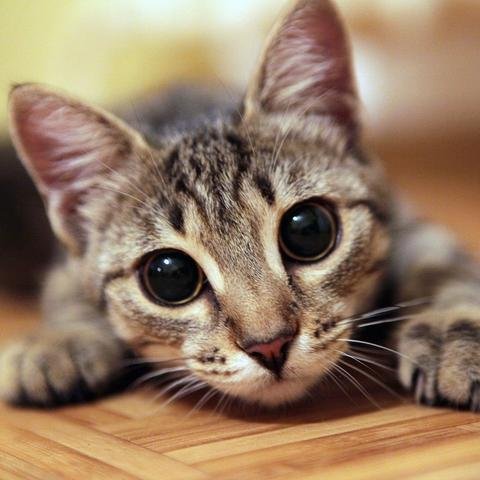
Why do cats eyes dilate is a question every cat owner finds themselves asking at some point. One minute your cat looks calm and relaxed, and the next their eyes have gone wide and dark like two black moons.
Sometimes it means they are excited. Sometimes it means they are scared. And sometimes it signals a health problem that needs immediate attention.
Understanding why your cat’s pupils expand is one of the most useful things you can know as an owner because the eyes reveal what your cat cannot say out loud.
How Do Cat Eyes Actually Work?
Before diving into the causes, it helps to understand the basic mechanics behind your cat’s eyes.
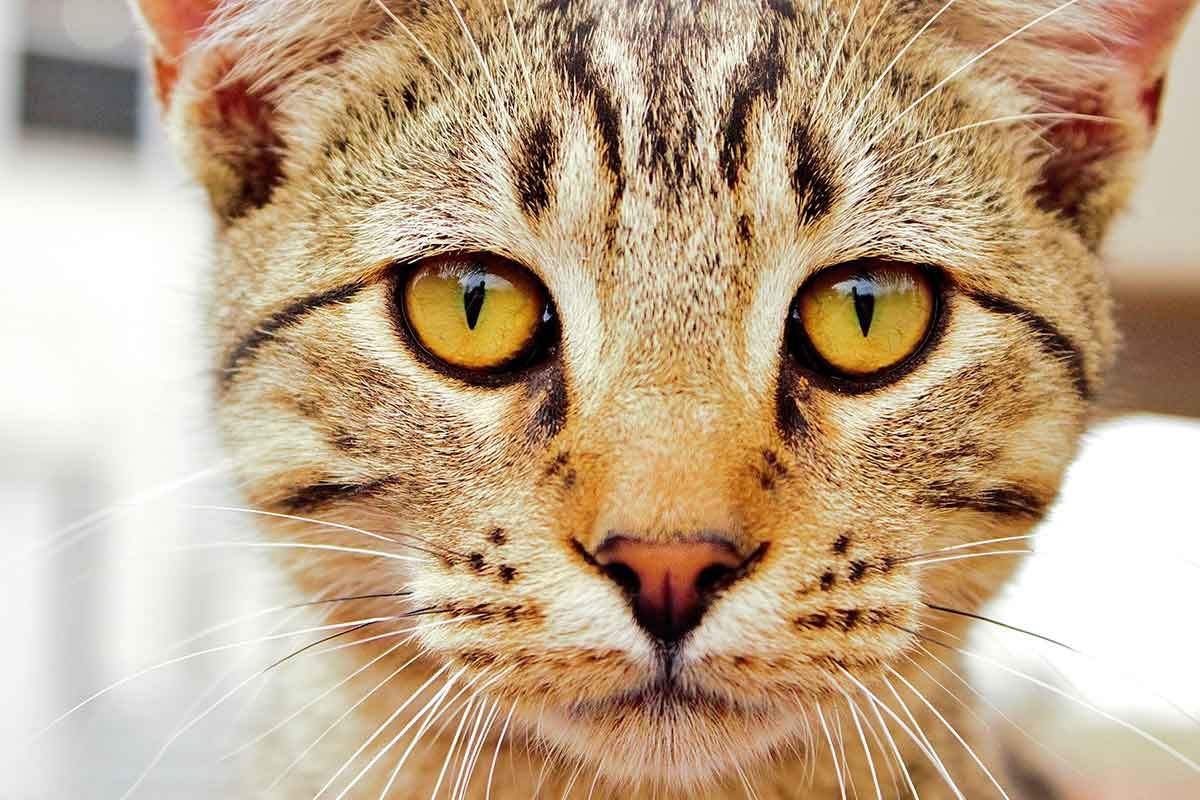
A cat’s eye has three visible parts from the outside. The sclera is the white area surrounding the eyeball. The iris is the colored ring, which can be gold, green, blue, copper, or hazel depending on the cat. The pupil is the black center that opens and closes to control how much light enters the eye.
In cats, the pupil is vertically slit-shaped rather than round like a human’s. This vertical slit shape is common among predators that hunt during low-light hours at dusk and dawn. It gives cats extremely precise control over how much light reaches their retinas.
The Remarkable Range of Cat Pupil Dilation
Cat pupils can dilate to an extraordinary degree. A cat’s pupils can expand up to 135 times their narrowed size, which is over 100 times more than human pupils can manage.
This wide range of dilation allows cats to function in near-total darkness as hunters and then quickly constrict to protect their sensitive retinas in bright sunlight. The speed and range of feline pupil change is one of the most impressive features of their visual system.
When a cat’s eyes are fully dilated, the pupil becomes almost perfectly round. The colored iris ring becomes thin and barely visible. When fully constricted, the pupil becomes a narrow vertical line.
Normal vs. Abnormal Dilation: The Key Distinction
Not all pupil dilation signals a problem. Understanding the difference between normal and abnormal dilation is the most important skill for any cat owner.
| Type of Dilation | Cause | Should It Worry You? |
|---|---|---|
| Dilation in dim or dark room | Normal light response | No |
| Brief dilation during play | Excitement and hunting instinct | No |
| Dilation when startled | Fear response | No |
| Dilation after catnip exposure | Stimulant effect | No |
| Dilation that does not respond to bright light | Possible medical cause | Yes |
| Dilation lasting hours without obvious trigger | Possible medical cause | Yes |
| One pupil dilated, one constricted | Anisocoria – urgent | Yes |
| Dilation with other symptoms like lethargy | Medical emergency | Yes |
Cause 1: Low Light and Darkness
The most common and entirely normal reason why cats eyes dilate is a simple response to low light.
When the environment gets darker, the iris muscles relax and the pupil expands. This allows more light to enter the eye, which helps your cat see far better in dim conditions than most other animals.
Why Cats Excel in Low Light
Cats have a reflective layer behind their retina called the tapetum lucidum. This structure reflects light back through the retina a second time, essentially doubling the available light. Combined with wide pupil dilation, cats can see clearly in light levels that are almost invisible to human eyes.
This is why your cat’s pupils look enormous at night or in a dimly lit room. It is their eye doing exactly what it was built to do.
What You Will Notice
In a well-lit room, your cat’s pupils should be narrow vertical slits. In a dim room or at night, they will expand into wide circles. This change is rapid and automatic.
If you move your cat from a dark room into bright light, the pupils should contract almost immediately. If they do not, that is a potential warning sign worth noting.
Cause 2: Excitement and Play
Cats eyes dilate reliably when a cat is in a state of excitement. This is your cat’s nervous system preparing their vision for high-speed tracking and hunting.
The Hunting Instinct Connection
Even domestic cats retain the full hunting drive of their wild ancestors. When a cat spots a toy moving across the floor, sees a bird through a window, or hears an interesting sound, the brain triggers a physical response throughout the body.
Pupils dilate to maximize the amount of visual information entering the eye. This improves depth perception and the ability to track fast-moving targets, which is exactly what a hunter needs.
What It Looks Like
An excited cat will have wide, round pupils, a focused forward gaze, and may be crouched low with the rear slightly raised in the classic pre-pounce position. The tail may twitch or flick. Ears will point forward and whiskers will spread wide.
This type of dilation is completely normal and resolves on its own once the excitement passes.
Cause 3: Fear and Anxiety
Fear is one of the strongest triggers for pupil dilation in cats. When a cat perceives a threat, the body floods with adrenaline and the fight-or-flight response activates immediately.
The Adrenaline Response
Adrenaline causes the iris muscles to relax, dilating the pupils wide. This is the body’s way of maximizing visual awareness in a dangerous situation. The cat needs to see everything around them as clearly as possible to decide whether to fight, flee, or freeze.
Cats in a fearful state will have extremely wide, almost fully round pupils combined with other unmistakable body language signals.
Reading Fear Through the Whole Body
A frightened cat does not just show it through the eyes. Look for flattened ears pressed back against the skull, a puffed-up tail, an arched back, hissing or growling, and a body that appears to be making itself smaller or backing away.
If your cat shows dilated pupils alongside any of these signs, the kindest response is to give them space, remove the source of the fear if possible, and wait for them to calm down before approaching.
Cause 4: Aggression and Overstimulation
Dilated pupils during an aggressive interaction can signal that your cat has reached their limit. This type of dilation is often a warning that the cat is about to act defensively.
When Petting Goes Too Far
Many cat owners have experienced what is sometimes called petting-induced aggression. Your cat is relaxed and purring, then suddenly bites or swipes. Just before this happens, the pupils often dilate rapidly.
This dilation is a sign of overstimulation. The cat’s nervous system has been stimulated to the point where it needs the interaction to stop.
Recognizing the Warning Signs
If your cat’s pupils suddenly dilate while you are petting them, take it as a signal to pause. Other warning signs include a twitching or lashing tail, skin rippling along the back, and ears rotating backward.
Stopping the interaction immediately at this point prevents most biting and scratching incidents.
Cause 5: Catnip Response
Catnip causes a distinct and temporary dilation of the pupils in cats that respond to it. Not all cats are affected as the sensitivity to catnip is genetic, but roughly 50 to 70 percent of cats show a strong response.
Why Catnip Causes Dilation
The compound in catnip that triggers this response is called nepetalactone. It binds to receptors in a cat’s nasal tissue and triggers a neurological response that resembles the reaction to feline sex pheromones.
The result is a behavioral state that includes rolling, rubbing, vocalizing, drooling, and yes, dilated pupils. The whole episode typically lasts between 5 and 15 minutes.
Is It Normal and Safe?
Yes. Catnip-induced pupil dilation is completely harmless and self-limiting. After the initial excitement wears off, the cat becomes temporarily immune to catnip for about 30 minutes before the sensitivity resets.
The dilation during this period is simply a reflection of the nervous system arousal caused by the plant compound.
Cause 6: Stress and Environmental Changes
Chronic stress or sudden environmental changes can cause persistent or frequent pupil dilation in cats. This is different from the brief dilation caused by a single fright.
Sources of Stress in Domestic Cats
Common stress triggers include moving to a new home, introducing a new pet or person to the household, changes in routine, loud noises from construction or fireworks, a dirty litter box, or perceived territorial threats from outdoor cats.
A stressed cat may show dilated pupils more frequently throughout the day alongside behaviors like hiding, decreased appetite, excessive grooming, or elimination outside the litter box.
What to Do About Stress-Related Dilation
Identifying and reducing the source of stress is the priority. Providing vertical spaces like cat trees, hiding spots, consistent feeding schedules, and enrichment through play can all reduce chronic stress.
Pheromone diffusers designed for cats have also shown some effectiveness in reducing anxiety-related behaviors.
Cause 7: Pain
A cat in significant physical pain will often show fully dilated pupils. Pain triggers the same adrenaline response as fear, flooding the body with stress hormones that expand the pupils.
Recognizing Pain Through the Eyes
If your cat has wide, dilated pupils but is not in an obviously exciting or frightening situation, consider whether they might be in pain. A cat in pain will often hide, refuse to eat, sit hunched with the back rounded, and may react aggressively if touched near the painful area.
Dilated pupils paired with these behaviors is a signal that your cat needs veterinary evaluation promptly.
Why Cats Hide Pain
Cats are instinctively wired to hide signs of weakness. In the wild, a visibly injured or sick cat becomes prey. This means cats will often mask pain effectively, making the eyes one of the few reliable external indicators that something is wrong physically.
Cause 8: Hypertension (High Blood Pressure)
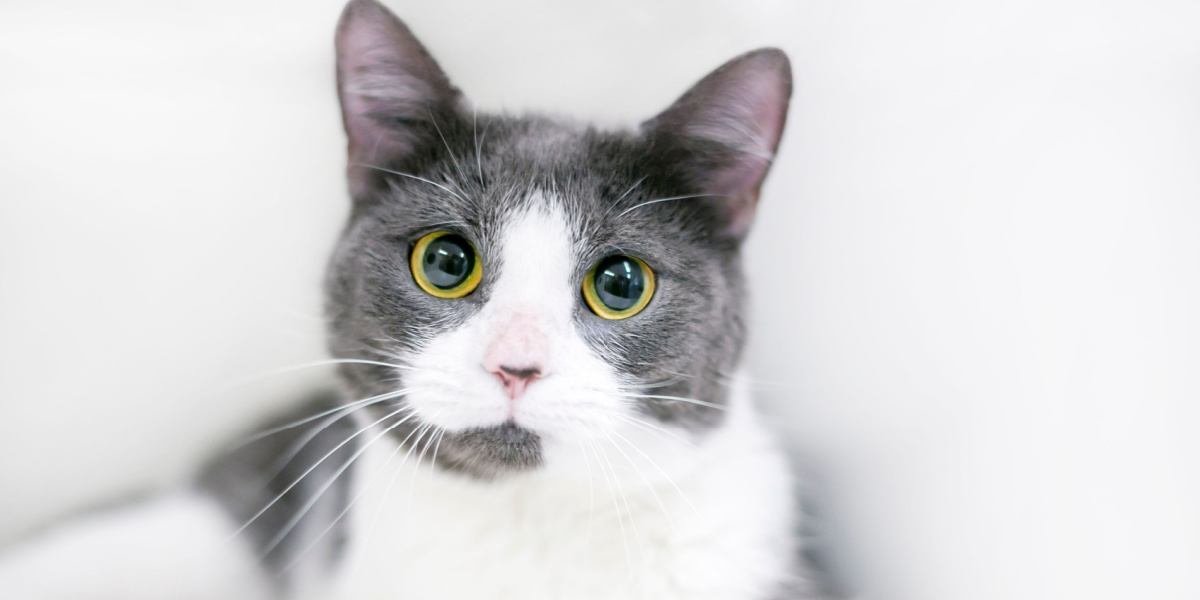
Feline hypertension is one of the most serious medical causes of persistently dilated pupils, particularly in older cats.
How Hypertension Affects the Eyes
High blood pressure damages the delicate blood vessels inside the eye. This can cause retinal detachment, bleeding inside the eye, swelling of the optic nerve, and vision loss. One of the first visible signs of hypertension is often sudden, persistent pupil dilation that does not respond normally to bright light.
Hypertension in cats is commonly secondary to other conditions including chronic kidney disease, hyperthyroidism, and heart disease. These are all very common conditions in older cats.
The Urgency of Treatment
If hypertension-related retinal detachment is caught within 24 to 48 hours, aggressive blood pressure medication can sometimes allow the retinas to reattach and vision to recover. If treatment is delayed, blindness is often permanent.
Any older cat showing sudden dilated pupils with no obvious emotional trigger should be seen by a vet on the same day.
Cause 9: Feline Glaucoma
Glaucoma in cats occurs when fluid cannot drain properly from inside the eye, causing intraocular pressure to build. This increased pressure affects the optic nerve and causes persistent pupil dilation in the affected eye.
Glaucoma Is Often Diagnosed Late
Unfortunately, the signs of early feline glaucoma are subtle. By the time a veterinarian diagnoses it, vision loss in the affected eye has usually already occurred and is typically permanent.
The most common cause of glaucoma in cats is chronic uveitis, which is inflammation inside the eye. Tumors inside the eye are another cause.
Signs of Feline Glaucoma
Look for a pupil that is consistently larger than the other, cloudiness or redness in the eye, a visible increase in the size of the eyeball, or a cat that seems sensitive to light or is blinking and squinting excessively.
Early intervention can slow further progression even when vision in the affected eye is lost.
Cause 10: Anisocoria — One Pupil Larger Than the Other
Anisocoria is the medical term for unequal pupil size, where one pupil is significantly larger or smaller than the other. This is never a normal finding in a cat.
Why Anisocoria Is Serious
The size of each pupil is controlled independently by the nervous system. When one pupil is a different size from the other, it means the nerve pathways controlling one eye are not working correctly.
Causes of anisocoria include glaucoma, uveitis, corneal ulcers, Horner’s syndrome, head trauma, brain tumors, strokes, retinal disease, and infections including FIV and feline leukemia virus.
PetMD classifies anisocoria as a medical emergency that requires prompt veterinary attention because the underlying causes can be rapidly progressive.
What to Do Immediately
If you notice one of your cat’s pupils is significantly different in size from the other and there is no recent, obvious physical injury to explain it, contact your vet the same day. Do not wait overnight.
Bring your cat to an emergency veterinary clinic if your regular vet is unavailable.
Cause 11: Toxic Poisoning
Certain toxins cause rapid, severe pupil dilation in cats as part of a neurological reaction. This is one of the most time-critical causes on this list.
Common Toxic Causes
Lily plants are among the most dangerous for cats and can cause severe kidney failure alongside neurological signs. Certain human medications, particularly antidepressants, stimulants, and decongestants, can cause dilated pupils in cats that ingest them. Some mushroom species and certain insecticides also produce this effect.
Signs of Toxic Poisoning
If your cat has suddenly dilated pupils alongside vomiting, drooling, tremors, disorientation, collapse, or extreme lethargy, suspect poisoning. This is a life-threatening emergency.
Call your veterinarian or an animal poison control hotline immediately. Do not wait to see if the symptoms improve.
Cause 12: Neurological Conditions and Head Trauma
Brain injuries, neurological disorders, and head trauma can all cause abnormal pupil dilation by disrupting the nerve pathways that control the iris muscles.
Dysautonomia
Dysautonomia is a neurological condition of unknown cause that directly triggers persistently dilated pupils. It also causes vomiting, decreased appetite, weight loss, a low heart rate, difficulty swallowing, respiratory symptoms, and a visible protrusion of the third eyelid.
This condition requires veterinary diagnosis and supportive care. Only a small number of affected cats make a full recovery.
Head Trauma
A cat that has been struck by a vehicle, fallen from a height, or suffered any significant head injury may show dilated pupils due to brain involvement. This is an emergency situation regardless of how the cat appears externally.
Cause 13: Medications and Substances
Certain medications prescribed for cats can cause pupil dilation as a known side effect.
Atropine, which is used to reduce intraocular pressure in cats with glaucoma, commonly causes pupil dilation and light sensitivity. Some antiparasitic medications and anesthetic agents also produce this effect.
If your cat has recently been given a new medication and you notice pupil dilation, check with your vet whether this is an expected side effect of the treatment.
What Cat Pupil Shapes Tell You: A Complete Guide
The shape and size of your cat’s pupils communicate a surprising amount of information when read alongside their body language.
| Pupil Shape | Emotional State | Body Language to Confirm |
|---|---|---|
| Wide, fully round | Fear, excitement, pain, darkness | Flat ears, puffed tail, crouched body |
| Narrow vertical slit | Calm, focused, content | Relaxed body, slow blink, upright posture |
| Narrow slit with forward stare | Predatory focus, mild arousal | Crouched low, tail tip twitching |
| Fully round with tense body | Defensive aggression or overstimulation | Hissing, arched back, puffed fur |
| One pupil round, one slit | Anisocoria – possible emergency | Any accompanying symptoms |
| Fully round, unresponsive to light | Medical emergency | Other neurological signs |
When to Call Your Vet About Dilated Cat Eyes
Most pupil dilation in cats is normal and temporary. However, the following situations require veterinary contact without delay.
The pupil does not respond to bright light by contracting. Dilation has persisted for several hours without an obvious emotional or environmental cause. One pupil is significantly larger than the other. The cat appears disoriented, is bumping into furniture, or shows other signs of vision loss. Dilation is accompanied by lethargy, vomiting, hiding, or refusal to eat. There has been any possibility of toxin exposure. The cat has suffered any kind of head injury.
A visit to the vet in any of these situations can make the difference between a treatable condition and permanent vision loss.
How Vets Diagnose the Cause of Abnormal Dilation
When you bring your cat to the vet for abnormal pupil dilation, expect a systematic diagnostic process.
The vet will begin with a full physical examination and medical history review. They will assess whether both pupils respond equally to light. An ophthalmoscope will be used to examine the inside of the eye, checking for retinal changes, hemorrhage, or detachment.
Blood pressure measurement is a standard part of the workup for any cat with unexplained pupil dilation, particularly older cats. Blood tests assess kidney function, thyroid hormone levels, and overall organ health.
If neurological involvement is suspected, the vet may recommend advanced imaging such as MRI or CT scanning.
Treatment Options for Medical Causes of Pupil Dilation
Treatment depends entirely on the underlying cause. There is no single treatment for dilated pupils because the dilation is always a symptom of something else.
| Condition | Treatment Approach |
|---|---|
| Hypertension | Oral antihypertensive medication, treat underlying disease |
| Glaucoma | Eye drops to reduce intraocular pressure, surgery in some cases |
| Uveitis | Anti-inflammatory medications, treat underlying infection |
| Toxic poisoning | Decontamination, supportive IV fluids, antidotes if available |
| Hyperthyroidism | Medication, radioactive iodine therapy, or surgery |
| Head trauma | Supportive care, monitoring, anti-swelling medication |
| Dysautonomia | Supportive care, no curative treatment available |
Frequently Asked Questions (FAQs)
FAQ 1: Why do cats eyes dilate suddenly?
Sudden dilation is usually caused by a quick emotional response such as excitement, fear, or surprise. If the dilation occurs with no obvious trigger and does not resolve within an hour or two, it warrants a vet visit.
FAQ 2: Is it normal for a cat’s eyes to be dilated at night?
Yes, completely normal. In low light or darkness, cats eyes dilate fully to maximize available light and improve their vision. The pupils should constrict again when bright light is introduced.
FAQ 3: Why are my cat’s eyes always dilated?
Persistently dilated pupils that do not respond to changes in light are a red flag. Common medical causes include hypertension, glaucoma, retinal disease, neurological conditions, or blindness. See a vet promptly.
FAQ 4: Why does my cat have one dilated pupil and one normal?
Unequal pupil sizes are called anisocoria and are never considered normal. It is a potential medical emergency and can be caused by glaucoma, head trauma, Horner’s syndrome, brain tumors, or strokes. Contact your vet the same day.
FAQ 5: Do cats eyes dilate when they are happy?
Not typically. Relaxed and content cats usually have narrow, slit-shaped pupils in normal light. Dilation is more associated with excitement, fear, or arousal rather than calm happiness.
FAQ 6: Why do cats eyes dilate when they see their owner?
This can be a sign of excitement or affectionate arousal at seeing a familiar person. It is generally a positive response, especially if accompanied by a slow blink, a raised tail, and a relaxed body posture.
FAQ 7: Can stress cause dilated pupils in cats?
Yes. Chronic stress keeps the body’s adrenaline system more frequently activated, which leads to more regular pupil dilation. Identifying and reducing stressors in the environment is the solution.
FAQ 8: Do cats eyes dilate when they are in pain?
Yes. Pain triggers the same adrenaline-based stress response as fear, causing the pupils to dilate. If your cat has wide pupils with no clear emotional reason and is also hiding, hunching, or refusing food, pain should be suspected.
FAQ 9: Why do cats eyes dilate after catnip?
Nepetalactone in catnip triggers a neurological arousal response in genetically sensitive cats. Pupil dilation is part of this temporary state of stimulation. It is completely harmless and lasts 5 to 15 minutes.
FAQ 10: When should I worry about my cat’s dilated pupils?
Worry if the dilation does not respond to bright light, lasts for hours without a clear cause, affects only one eye, or is accompanied by other symptoms such as disorientation, vision loss, vomiting, lethargy, or any possibility of toxic exposure.
Conclusion
Why do cats eyes dilate has a different answer depending on the context, and most of those answers are completely normal.
Low light, excitement during play, a burst of fear, catnip stimulation, and the startle response are all routine, healthy reasons why your cat’s pupils expand.
They reflect a finely tuned visual system built for precision hunting and environmental awareness.
The situations that require attention are those where dilation occurs without any obvious trigger, persists without responding to light changes, or affects only one eye.
Hypertension, glaucoma, anisocoria, toxic poisoning, and neurological conditions are all serious causes that can lead to permanent vision loss if not treated quickly.
Knowing the difference between normal and abnormal pupil dilation is one of the most valuable skills a cat owner can develop.
Watch the whole cat, not just the eyes, and when in doubt, call your vet.


