

Why Can’t Chinchillas Get Wet? If you own a chinchilla, you’ve probably heard one rule again and again: never let it get wet. It sounds strict, but there’s real science behind it.
Chinchillas have some of the densest fur of any mammal on Earth. That fur is amazing at keeping them warm, but it turns into a trap the moment it gets soaked.
Why Can’t Chinchillas Get Wet?
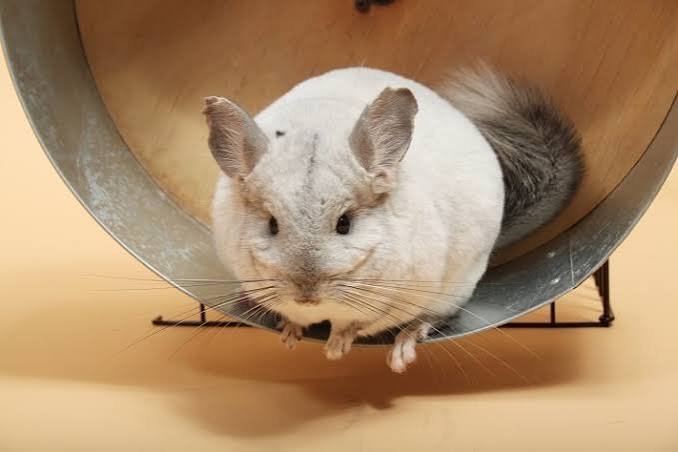

Chinchillas can’t get wet because their extremely dense fur traps moisture against the skin. This damp environment leads to fungal infections, skin irritation, and even hypothermia since wet fur can’t insulate properly.
Key Takeaways
- Chinchilla fur has 60–100 hairs per follicle, far denser than human hair.
- Wet fur traps moisture close to the skin for a long time.
- Trapped moisture causes fungal infections like ringworm.
- Wet fur also removes the insulating air layer, risking hypothermia.
- Dust baths, not water baths, are how chinchillas stay clean.
The Density of Chinchilla Fur
A single chinchilla hair follicle can grow 60 to 100 hairs at once. Humans usually grow just one to five hairs per follicle.
This ultra-dense coat is nature’s way of keeping chinchillas warm in the cold, dry Andes Mountains. But density has a downside once water gets involved.
Why Water Gets Trapped Inside the Coat
Because the hairs are packed so tightly, water can’t easily reach the surface to evaporate. It sinks in and settles close to the skin instead.
Even if the outer fur looks dry within an hour, the skin underneath may still be damp for much longer. This hidden moisture is the real danger.
Fungal Infections From Damp Skin
Damp, warm skin is the perfect breeding ground for fungus. Chinchillas are especially prone to ringworm, a fungal skin infection that spreads across the body.
Signs of fungal infection include patchy fur loss, flaky skin, and redness. Left untreated, it can spread to other pets or even to humans in the household.
Hypothermia Risk From Wet Fur
A chinchilla’s dry coat traps a layer of warm air close to the body. That trapped air is what actually keeps them warm, not the fur itself.
Once the fur is wet, that insulating air pocket disappears. Combined with slow drying time, this can quickly drop the chinchilla’s body temperature to dangerous levels.
Chinchillas Can’t Sweat or Pant Efficiently
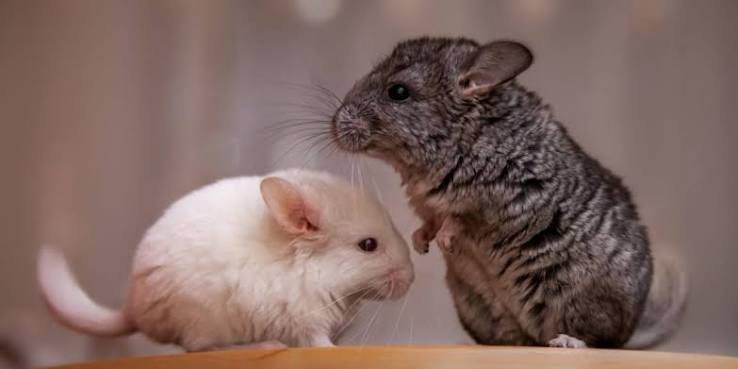

Unlike dogs, chinchillas can’t cool down by panting, and they don’t sweat the way humans do. Their large, thin ears do most of the work releasing body heat.
This means water baths don’t even offer a real cooling benefit. Their bodies simply aren’t built to use water for temperature regulation.
How Dust Baths Replace Water Baths
Dust baths mimic the fine volcanic ash chinchillas roll in in the wild. The dust absorbs excess oil and dirt without soaking into the skin.
| Feature | Water Bath | Dust Bath |
|---|---|---|
| Cleans fur | No, causes matting | Yes, removes oil and dirt |
| Dries quickly | No | Yes, no moisture involved |
| Infection risk | High | Very low |
| Natural behavior | No | Yes |
How Often Should Dust Baths Happen
Most experts recommend offering a dust bath two to three times per week for 10 to 15 minutes each session. Leaving dust in the cage permanently can dry out the skin or turn it into a litter box.
Use a chinchilla-specific dust, never sand, since sand is too coarse and can irritate the skin.
What Happens If a Chinchilla Gets a Little Wet
A few stray drops of water from a bottle won’t cause serious harm. The real danger comes from soaking, like a spilled water bowl or an accidental dunk.
If your chinchilla gets fully wet, dry it gently with a towel right away and keep it in a warm, draft-free space until completely dry.
Emergency Steps If Your Chinchilla Gets Soaked
- Towel-dry the fur gently, working from the skin outward.
- Move the chinchilla to a warm, draft-free room.
- Use a hair dryer on the coolest, lowest setting held far from the body if needed.
- Watch closely for shivering, lethargy, or labored breathing.
- Call an exotic vet immediately if any of those signs appear.
Signs of Skin or Fur Problems to Watch For
- Patchy or missing fur
- Flaky, red, or irritated skin
- A musty or sour smell from the coat
- Constant scratching or chewing at the fur
- Damp fur that never seems to fully dry
Best Practices for Chinchilla Owners
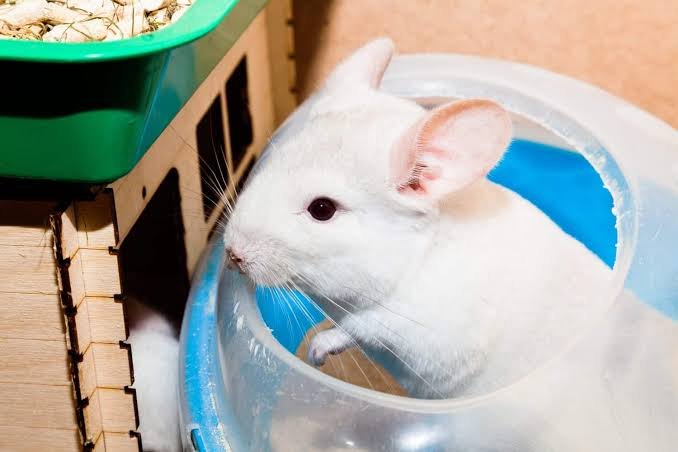
- Always use a water bottle instead of an open water bowl.
- Keep the enclosure in a dry, well-ventilated room.
- Offer dust baths on a consistent schedule, not daily.
- Dry any accidental spills on the chinchilla immediately.
- Contact an exotic vet at the first sign of fungal infection.
Mistakes to Avoid
- Never place a full water dish inside the enclosure.
- Don’t bathe a chinchilla in water “just to be safe” during hot weather.
- Avoid leaving the dust bath container in the cage all day.
- Don’t use human shampoo or regular sand as a substitute for chinchilla dust.

Also Read:
- How Stack-Up Symmetry Affects Warpage and Assembly Yield in 12-Layer PCBs
- From Hair Care Idea To Business: How Bo International Supports Startup Brands
- Portable Space Heaters vs Fan Heaters: Pros and Cons
- How Care Patterns Help During Steps to Report Suspected Nursing Home Abuse
- How Insurance Responses Can Affect a Houston, TX Auto Accident Claim
- The Investigation Steps a Premises Liability Lawyer May Take After an Injury
- Does Being a Loan Guarantor Affect Your CIBIL Score
- Do You Need Legal Help After a Truck Accident? Here’s What to Know
- What to Know Before Using a Currency Exchange Service in Hyderabad
- Corrosion-Resistant Flexible Couplings: The Quiet Upgrade That Prevents Expensive Failures
- Why Not an American Ark? Historical Context
- Letflix Review – Features, How It Works and Safe to Use?
- 430+ Trendy Roblox Username Ideas for Boys & Girls
- 1000+ Trendy Instagram Usernames Ideas for Girls (2024)
- Download Gayatri Mantra Best Ringtone Mp3/M4R
- Grand Theft Auto: San Andreas – Theme Song Download
- Download Mission Impossible – Original Theme Song
- Randy Orton – Voices WWE Theme Song Download
- Luke Bryan – Light It Up Karaoke Acoustic Piano
- Ace Hood – To Whom It May Concern (Instrumental)
- Lil Wayne – Plastic Bag (Instrumental)
- Gotye – Somebody That I Used To Know (Instrumental)
Frequently Asked Questions (FAQs)
Why can’t chinchillas get wet?
Their fur is so dense that water gets trapped against the skin instead of drying, which leads to fungal infections and can cause hypothermia.
What happens if a chinchilla accidentally gets wet?
A small splash is usually fine if dried right away. A full soaking needs immediate towel-drying and a warm, draft-free space to prevent illness.
Can chinchillas take water baths at all?
No, chinchillas should never take a water bath. Their fur cannot dry fast enough to prevent skin problems.
How do chinchillas stay clean without water?
They take dust baths using special volcanic dust, which absorbs oil and dirt without soaking into the skin.
How often should I give my chinchilla a dust bath?
Two to three times a week for about 10 to 15 minutes is the general recommendation.
What kind of dust should I use for a chinchilla bath?
Use dust made specifically for chinchillas, sold at pet stores. Never substitute sand, which is too abrasive.
Can I leave the dust bath in the cage all the time?
No, leaving it in constantly can dry out the skin or turn it into a litter box, so remove it after each session.
Why is chinchilla fur so dense?
Chinchillas evolved in the cold, dry Andes Mountains, where dense fur was essential for survival against harsh temperatures.
How many hairs grow from one chinchilla hair follicle?
Between 60 and 100 hairs can grow from a single follicle, compared to just one to five in humans.
What is fungal infection in chinchillas called?
The most common one is ringworm, a fungal skin infection that causes patchy fur loss and irritation.
What are the signs of a fungal infection on a chinchilla?
Look for missing patches of fur, flaky or red skin, and a musty smell coming from the coat.
Can chinchilla ringworm spread to humans?
Yes, ringworm is contagious and can spread from chinchillas to people or other household pets.
Do chinchillas sweat or pant like other animals?
No, chinchillas cannot sweat or pant efficiently. They rely mostly on their large ears to release body heat.
Why do chinchillas need a water bottle instead of a bowl?
An open water bowl can spill or let a chinchilla step into it, soaking the fur. A water bottle keeps drinking water contained safely.
Is it dangerous to bathe a chinchilla during hot weather?
Yes, even in heat, a water bath is risky because wet fur takes too long to dry and can still cause skin problems.
Can a hair dryer be used to dry a wet chinchilla?
Yes, but only on the lowest, coolest setting held a safe distance away to avoid burns or stress.
How long does chinchilla fur take to dry naturally?
It can take many hours because the dense coat traps moisture, which is exactly why accidental soaking is so risky.
What should I do if my chinchilla seems cold and wet?
Dry it gently, move it to a warm space, and contact an exotic vet right away if shivering or lethargy appears.
Are baby chinchillas more sensitive to getting wet?
Yes, kits have less body mass and can develop hypothermia faster than adult chinchillas.
Can getting wet actually kill a chinchilla?
In severe cases, yes. Prolonged wetness can lead to hypothermia or serious fungal infections that become life-threatening without treatment.
Where do chinchillas naturally live in the wild?
They come from the Andes Mountains in South America, a region known for its cold, dry, and rocky climate.
Do chinchillas like granite or cool surfaces?
Yes, many chinchillas enjoy lying on cool granite slabs to regulate their body temperature naturally.
Can I use baby powder as a substitute dust bath?
No, always use dust made specifically for chinchillas, since other powders can irritate their skin or lungs.
What vet should I contact if my chinchilla has a skin issue?
An exotic animal veterinarian is best equipped to diagnose and treat chinchilla-specific fungal or skin conditions.
Conclusion
Chinchillas can’t get wet because their incredibly dense fur traps moisture against the skin, leading to fungal infections and a real risk of hypothermia.
Dust baths give them everything a water bath would, without any of the danger. Stick to a water bottle, a regular dust bath routine, and quick action if an accident happens, and your chinchilla’s coat will stay healthy for years.