


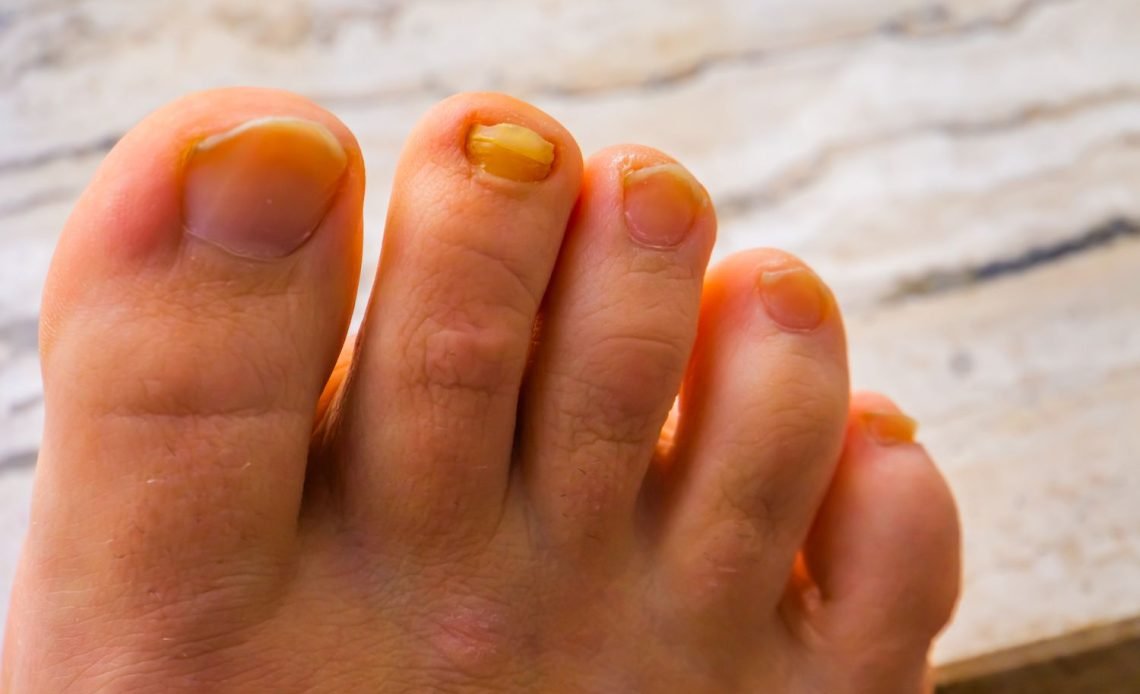
Why are my toenails yellow is a question most people ask the moment they notice a strange tint while trimming their nails or slipping on sandals.
Yellow toenails can look alarming, but in most cases the cause is simple and treatable.
Sometimes it’s just nail polish stains, and other times it points to a fungal infection or an underlying health condition.
By the end, you’ll know exactly why your toenails turned yellow and what steps to take next.
What Do Healthy Toenails Look Like?
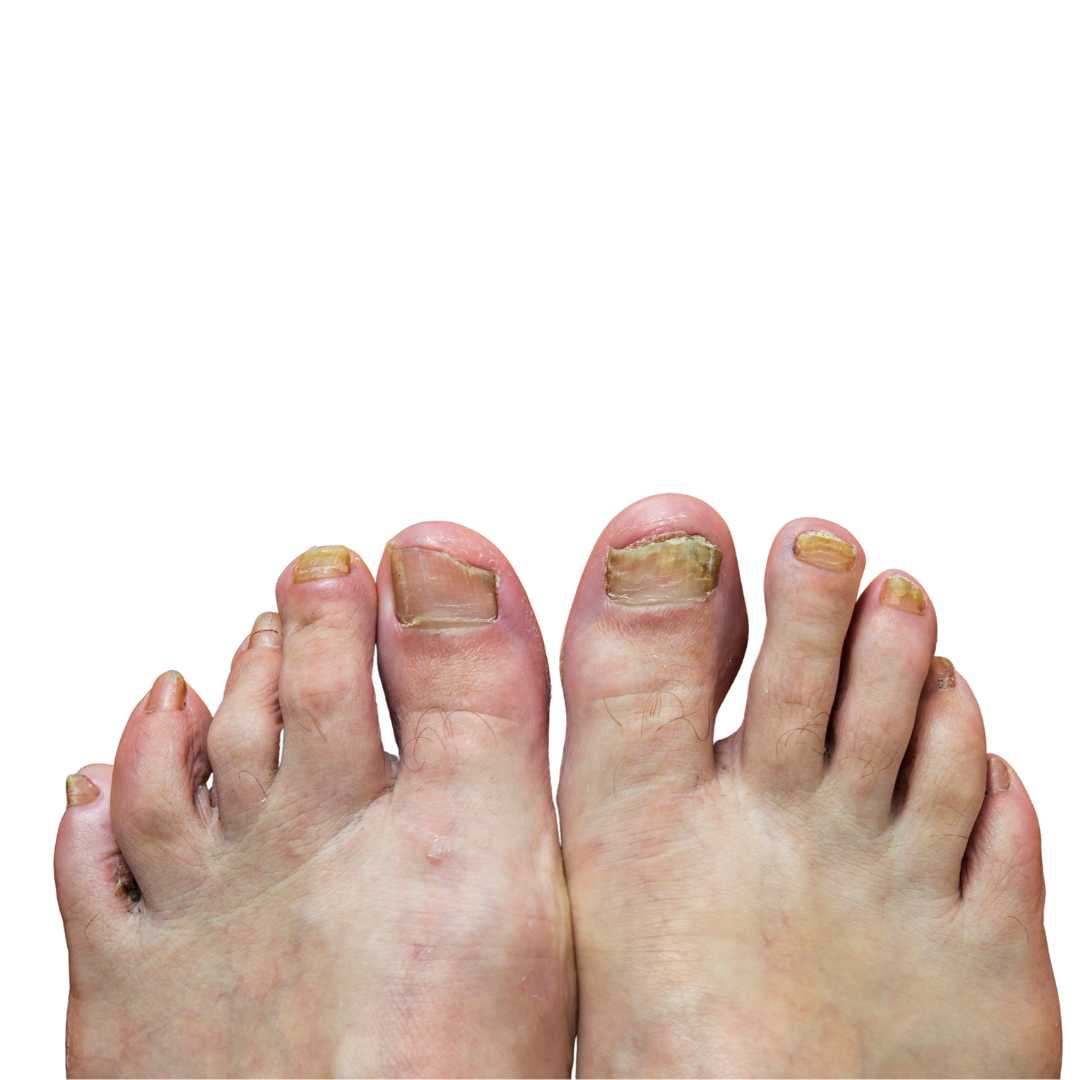
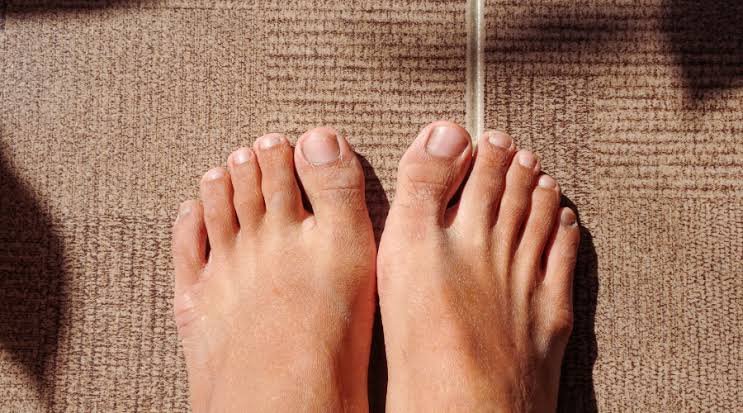
Healthy toenails are usually smooth, clear, and slightly pink underneath. They don’t have ridges, cracks, or unusual thickness.
When a nail turns yellow, brittle, or thick, it’s a sign that something has changed in the nail bed or nail plate. That change could be cosmetic or medical.
Understanding what “normal” looks like makes it easier to notice when your toenails are turning yellow for a reason worth investigating.
Common Causes of Yellow Toenails
There isn’t just one reason toenails turn yellow. The causes range from harmless cosmetic staining to infections that need treatment. Here are the most common ones.
1. Fungal Infection (Onychomycosis)
Fungal infection is the single most common cause of yellow toenails. It happens when fungi grow underneath the nail plate.
This condition, called onychomycosis, affects roughly one in ten people in the United States. It thrives in warm, damp environments like shoes, socks, and locker rooms.
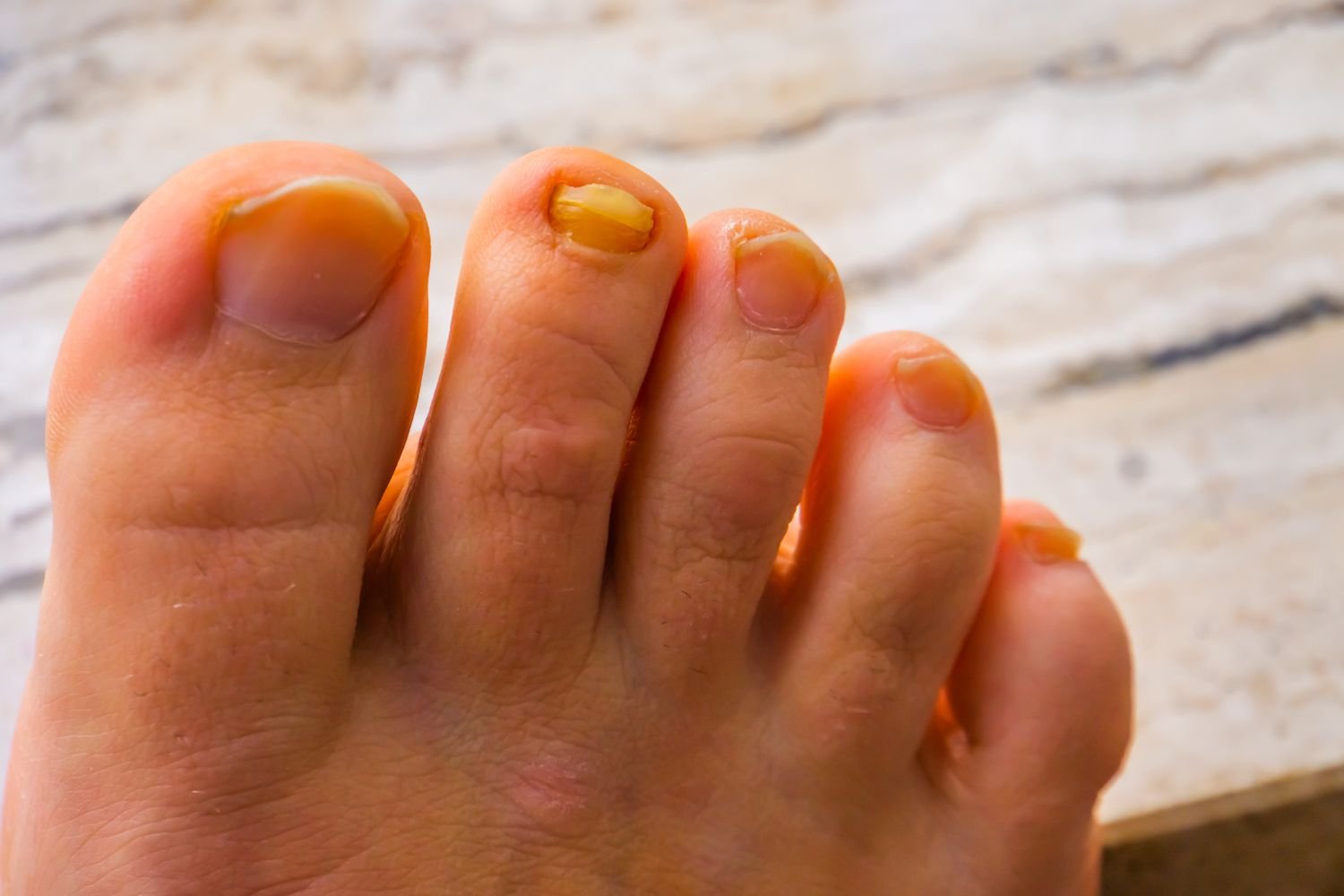
Over time, the nail may become thick, yellow, brittle, and even start to lift away from the nail bed.
2. Nail Polish Stains
Wearing dark nail polish, especially red, orange, or yellow shades, can leave a yellowish stain on the nail plate.
This is a completely cosmetic issue. It’s not harmful and typically fades as the nail grows out.
Giving your nails a break from polish and avoiding acetone-based removers can speed up the recovery process.
3. Aging
As people age, nail growth naturally slows down. Reduced blood flow can also affect the color and texture of toenails.
Older nails tend to become thicker, more brittle, and slightly more yellow compared to younger, healthier nails.
This is a natural process and not usually something to worry about unless paired with pain or other symptoms.
4. Diabetes
Diabetes can affect nail health in a few different ways. High blood sugar can weaken the immune system, making fungal infections more likely.
It can also affect collagen breakdown in nail tissue, which may lead to yellow discoloration over time.
People with diabetes should monitor their feet and nails closely, since infections can progress faster and cause complications.
5. Psoriasis
Nail psoriasis is an autoimmune condition that affects the skin in and around the nail bed.
It can cause pitting, thickening, and yellow-brown discoloration of the toenails.
A dermatologist can help determine if psoriasis is the underlying cause and recommend targeted treatment.
6. Yellow Nail Syndrome
Yellow nail syndrome is a rare condition where nails turn yellow, thicken, and grow more slowly than usual.
It’s often linked with respiratory issues and lymphedema, which is swelling caused by lymphatic system blockage.
This condition needs medical evaluation, especially if you notice breathing problems alongside the nail changes.
7. Nail Trauma or Injury
Repeated pressure or a sudden injury, like stubbing your toe, can damage the nail bed.
Even without visible bruising, the nail may respond by thickening or turning yellow as it grows out.
This is especially common in runners and people who wear tight-fitting shoes for long periods.
8. Poor Foot Hygiene
Dirty or improperly trimmed nails trap moisture, bacteria, and debris underneath the nail plate.
This creates the perfect environment for fungal or bacterial growth, which can lead to discoloration.
Regular cleaning and proper trimming go a long way in preventing this cause of yellow toenails.
9. Smoking and Certain Medications
While more commonly associated with fingernails, smoking can occasionally contribute to yellow-tinted toenails as well.
Certain medications, including some antibiotics and chemotherapy drugs, may also cause nail discoloration as a side effect.
If you started a new medication around the same time your nails changed color, mention it to your doctor.
10. Ingrown Toenails
Ingrown toenails happen when the edge of the nail grows into the surrounding skin.
This creates a pocket where bacteria can build up, sometimes leading to inflammation and discoloration.
Left untreated, an ingrown toenail can become infected and cause more serious nail changes.
Comparison Table: Common Causes at a Glance
| Cause | Typical Appearance | Needs Medical Treatment? |
|---|---|---|
| Fungal infection | Thick, yellow, brittle nail | Yes |
| Nail polish stains | Light yellow surface stain | No |
| Aging | Mild yellow tint, thickening | No |
| Diabetes | Yellow, slow-healing nails | Yes, monitor closely |
| Psoriasis | Pitted, yellow-brown nail | Yes |
| Yellow nail syndrome | Thick, slow-growing yellow nails | Yes |
| Trauma/injury | Yellow or dark discoloration | Sometimes |
| Poor hygiene | Yellow with debris buildup | Sometimes |
Stages of a Fungal Toenail Infection
Fungal infections don’t appear overnight. They usually progress through stages, and the yellow coloring gets more noticeable as the infection advances.
| Stage | What You’ll Notice |
|---|---|
| Early stage | Small white or yellow spots near the nail edge |
| Middle stage | Nail turns fully yellow, slightly thickened |
| Advanced stage | Nail becomes thick, crumbly, and may lift off the nail bed |
| Severe stage | Pain while walking, foul odor, possible nail loss |
Catching the infection in the early or middle stage makes treatment faster and far more effective than waiting until it becomes severe.
Risk Factors That Increase Your Chances of Yellow Toenails
Some people are more prone to developing yellow toenails than others. Knowing your risk factors can help you take preventive steps early.
- Wearing closed-toe shoes for long hours every day
- Frequent visits to gyms, pools, or shared showers
- Having diabetes or a weakened immune system
- Excessive sweating of the feet, known as hyperhidrosis
- A family history of nail fungus or psoriasis
- Increasing age, especially past 60 years old
If several of these apply to you, it’s worth paying extra attention to your foot hygiene and nail care routine.
Yellow Toenails vs Other Nail Color Changes
Toenails can change color for many reasons, and yellow isn’t the only shade to watch for. Here’s how it compares to other common discolorations.
| Nail Color | Possible Cause |
|---|---|
| Yellow | Fungal infection, aging, nail polish stains |
| White spots | Minor trauma or keratin buildup |
| Black or dark brown | Bruising, blood under the nail, or in rare cases melanoma |
| Green | Bacterial infection, often Pseudomonas |
| Blue or purple | Poor circulation or oxygen deprivation |
If your nail color doesn’t match typical yellow discoloration, it’s worth getting it checked separately, since the underlying cause can be very different.
Myths and Facts About Yellow Toenails
There’s a lot of misinformation floating around about yellow toenails. Clearing up a few common myths can help you make better care decisions.
Myth: Yellow toenails always mean poor hygiene. Fact: many cases come from genetics, aging, or medical conditions unrelated to cleanliness.
Myth: Nail polish never damages nails. Fact: frequent use without breaks can trap moisture and contribute to staining and weakening.
Myth: Home remedies always cure fungal infections. Fact: most home remedies only help mild cases and rarely eliminate deep or advanced infections alone.
Diet and Lifestyle Support for Nail Health
While diet alone won’t cure an infection, good nutrition supports stronger, healthier nail growth over time.
Foods rich in biotin, zinc, and protein, such as eggs, nuts, and leafy greens, help nails grow thicker and more resilient.
Staying hydrated and avoiding excessive alcohol or smoking also supports better circulation, which benefits nail health indirectly.
Combining a healthy diet with proper foot hygiene gives your nails the best chance to recover and stay yellow-free long term.
Symptoms That Often Come With Yellow Toenails
Yellow toenails rarely show up alone. Watching for these accompanying symptoms can help you understand the underlying cause.
- Thickening of the nail plate
- Brittleness or crumbling edges
- A foul odor coming from the nail
- Nail lifting away from the nail bed
- Pain or discomfort while walking
- Swelling around the toe
If you notice several of these symptoms together, it’s a stronger sign that the discoloration is caused by infection rather than cosmetic staining.
How Doctors Diagnose Yellow Toenails
A podiatrist or dermatologist can usually diagnose the cause of yellow toenails through a simple visual exam.
In some cases, they may take a small nail clipping or scraping to test for fungus under a microscope or in a lab culture.
This step, called a KOH test, helps confirm whether a fungal infection is truly the cause before starting treatment.
Blood tests may also be recommended if the doctor suspects an underlying condition like diabetes or psoriasis is involved.
Home Remedies for Yellow Toenails
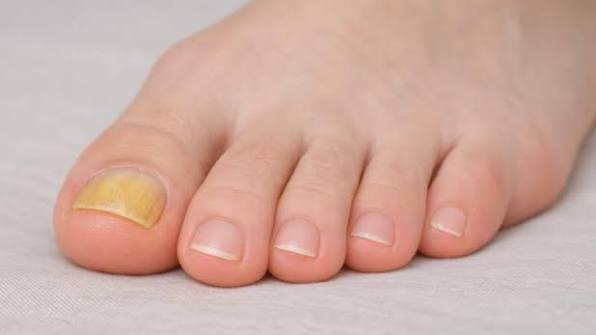
Mild cases of yellow toenails, especially from cosmetic staining, often improve with simple home care.
Vicks VapoRub
Some smaller studies suggest that Vicks VapoRub may help as a complementary treatment for mild fungal infections.
Results vary, and it works best alongside other antifungal treatments rather than as a standalone cure.
Tea Tree Oil
Tea tree oil has natural antifungal properties, though current research doesn’t strongly confirm its effectiveness against nail fungus.
It may offer mild improvement when applied consistently, but it shouldn’t replace medical treatment for stubborn infections.
Vinegar Soaks
Soaking your feet in a diluted vinegar solution, one part vinegar to four parts water, may help reduce yellow staining.
The mild acidity can also create a less hospitable environment for fungal growth over time.
Baking Soda Paste
A paste made from baking soda and water can be applied to help absorb moisture and reduce mild yellow staining.
This remedy works better for cosmetic discoloration than for active fungal infections.
Medical Treatments for Yellow Toenails
When home remedies aren’t enough, a doctor may recommend one of the following treatments depending on the cause.
Topical Antifungal Medication
Prescription treatments like ciclopirox solution are applied directly to the nail, similar to nail polish.
These work well for mild to moderate fungal infections that haven’t spread too deep into the nail.
Oral Antifungal Medication
For more stubborn infections, oral antifungal medication works from the inside to attack the fungus under the nail.
Treatment usually lasts several months since nails grow slowly, and cure rates typically range between 50 and 60 percent.
Laser Therapy
Laser therapy is a newer option that targets fungal infections directly without the side effects associated with oral medication.
It’s often used for people who haven’t responded well to topical or oral treatments.
Nail Trimming and Debridement
A podiatrist may trim or thin out thickened nail areas to relieve pressure and help topical treatments penetrate deeper.
This is especially useful for thick yellow toenails caused by repeated trauma or long-term fungal buildup.
Prevention Tips to Keep Toenails Healthy
Preventing yellow toenails is often easier than treating them once discoloration sets in.
- Wear moisture-wicking socks and change them daily
- Choose properly fitted shoes that allow your feet to breathe
- Avoid walking barefoot in public showers, pools, and locker rooms
- Trim toenails straight across and keep tools clean
- Give your nails regular breaks from dark nail polish
- Keep feet dry, especially between the toes, after showering
Following these simple habits reduces your risk of fungal infections and other causes of yellow toenail discoloration.
When to See a Doctor
Not every case of yellow toenails needs medical attention, but certain warning signs mean it’s time to schedule an appointment.
- The discoloration doesn’t improve after several weeks
- Nails become increasingly thick, brittle, or crumbly
- You notice pain, swelling, or discharge around the nail
- You have diabetes or a compromised immune system
- Yellow nails appear alongside breathing problems or leg swelling
Early diagnosis makes treatment more effective and helps prevent the infection or condition from spreading further.
Cost and Outlook for Treating Yellow Toenails
Treatment cost varies depending on the cause and how advanced the discoloration is when you seek help.
Over-the-counter antifungal creams are the cheapest option, while prescription oral medication and laser therapy cost more but often work faster.
Insurance may cover treatment if a doctor confirms a fungal infection or related medical condition is the cause.
The outlook is generally good. Most people see noticeable improvement within a few months of starting consistent, doctor-approved treatment.
Ignoring yellow toenails for too long, however, can allow infections to spread to other nails or worsen existing health conditions like diabetes complications.
How Long Until Toenails Return to Normal Color?
Toenails grow slowly, so recovery takes patience. A full toenail typically takes nine to twelve months to grow out completely.
Cosmetic staining from polish usually clears up in a few weeks as the stained part of the nail is trimmed away.
Fungal infections take much longer since the medication needs to work through several months of new nail growth.
Consistency with treatment, whether topical or oral, is the biggest factor in how quickly the yellow color fades.
Footwear and Sock Tips for Healthier Toenails
The shoes and socks you wear every day play a bigger role in toenail health than most people realize.
- Choose breathable shoe materials like leather or mesh over synthetic, non-breathable options
- Swap moisture-wicking socks daily, especially after workouts or long walks
- Avoid wearing the same pair of shoes two days in a row
- Use antifungal powder or spray inside shoes prone to moisture
- Replace old, worn-out shoes that no longer support proper airflow
Small changes to your footwear routine can significantly lower your risk of fungal infections and yellow toenail discoloration.
Frequently Asked Questions (FAQs)
Why are my toenails yellow all of a sudden?
Sudden yellowing is often caused by nail polish staining or minor trauma. A fungal infection can also appear gradually but seem sudden once noticed.
Can yellow toenails go away on their own?
Cosmetic staining from polish usually grows out on its own. Fungal infections typically need treatment to fully clear.
Is yellow toenail always a fungus?
No, yellow toenails can also result from aging, trauma, psoriasis, or nail polish stains, not just fungal infections.
How long does it take to cure yellow toenails?
Fungal nail treatment can take three to twelve months since nails grow slowly and need to fully regrow.
Does vinegar really help yellow toenails?
Vinegar soaks may mildly reduce staining and create an unfriendly environment for fungus, but they aren’t a guaranteed cure.
Why is only one of my toenails yellow?
A single yellow toenail is often linked to localized trauma, an ingrown nail, or an isolated fungal infection.
Can diabetes cause yellow toenails?
Yes, diabetes can weaken immunity and affect collagen, making yellow discoloration and infections more likely in the feet.
Are yellow toenails contagious?
If caused by fungus, yes, it can spread to other nails or people through shared shoes, socks, or damp surfaces.
Should I remove nail polish if my toenails are yellow?
Yes, removing polish lets you see the natural nail color and helps determine if the staining is cosmetic or medical.
What foods help prevent nail discoloration?
A balanced diet rich in biotin, protein, and vitamins supports healthy nail growth, though it won’t cure infections alone.
Conclusion
Yellow toenails can come from many different sources, ranging from harmless nail polish stains to fungal infections, aging, diabetes, or rarer conditions like yellow nail syndrome.
Most cases are manageable once you identify the actual cause behind the discoloration.
Simple home remedies like vinegar soaks or tea tree oil may help with mild cases, while stubborn infections usually need topical or oral antifungal medication prescribed by a doctor.
Paying attention to symptoms like thickening, pain, or odor can help you decide whether the issue is cosmetic or medical.
If your toenails stay yellow for weeks, become painful, or you have an underlying health condition like diabetes, it’s best to see a podiatrist or dermatologist for proper diagnosis and treatment before the issue progresses further.
Practicing good foot hygiene, choosing breathable footwear, and checking your nails regularly will help you catch changes early and keep your toenails looking healthy for the long run.


