

Catching your cat with huge, round pupils can be startling, especially if it happens out of nowhere. Most of the time, it’s a completely normal reaction to something in their environment.
If you’ve been wondering why are my cat’s eyes dilated, the answer usually comes down to lighting, emotion, or excitement. But in some cases, it can point to pain or an underlying health issue worth checking out.
Why Are My Cat’s Eyes Dilated?
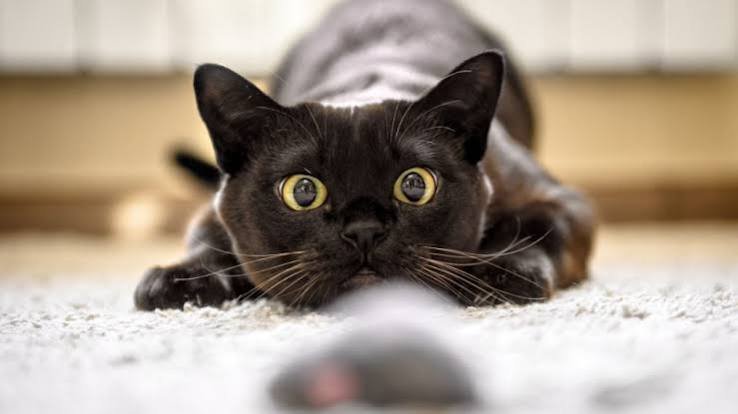

Cat pupils typically dilate due to low light, excitement, fear, or play, and should return to normal within minutes. Persistently dilated pupils, especially if only one eye is affected, can signal pain, high blood pressure, or a neurological issue that needs veterinary attention.
What Dilated Pupils Look Like
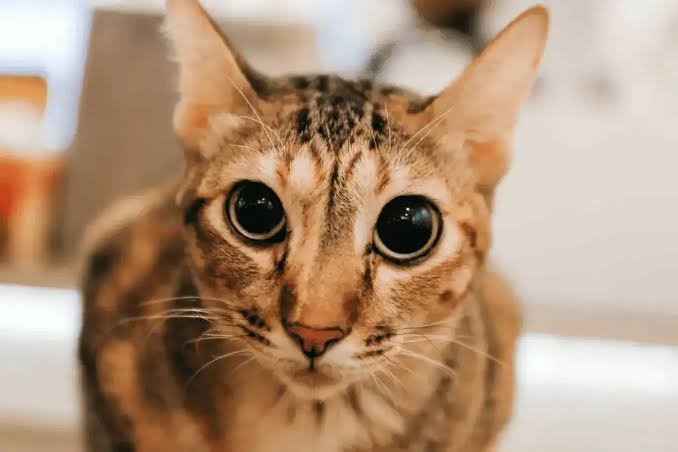
When a cat’s eyes are dilated, the pupil appears larger and rounder than its usual slit shape. The colored ring of the iris looks noticeably thinner than normal.
This happens because muscles in the iris relax, allowing more light to enter the eye. It’s a reflex your cat can’t consciously control.
Normal Reasons Cats’ Eyes Dilate
Low Light
The most common and completely normal cause of dilated pupils is dim lighting. In low light, a cat’s pupils widen to let in as much light as possible, helping them see more clearly.
This is especially noticeable at dawn, dusk, or in a dimly lit room.
Excitement
Cats often get big, round pupils right before playtime or feeding time. This reaction is tied to a small release of adrenaline as they anticipate something enjoyable.
You’ll often see this right as a toy comes out or dinner is being prepared.
Play and Hunting Instincts
When cats pounce, chase, or stalk toys, their pupils dilate as part of their natural hunting response. This lets in more light and sharpens their focus during the chase.
Kittens especially show this often, since they’re naturally more playful and curious.
Fear or Stress
Sudden dilation can also be a fear response, part of the fight-or-flight reaction. Loud noises, unfamiliar visitors, or a startling movement can trigger this.
This type of dilation usually fades once your cat feels safe and calm again.
Catnip Response
Many cats show dilated pupils while under the influence of catnip. This is a normal, harmless reaction tied to the herb’s effect on their senses.
Pupils typically return to normal once the catnip effect wears off.
When Dilated Pupils May Signal a Health Issue

Pain
Persistent dilation, even without an obvious trigger, can be a sign that your cat is in pain. This is part of the same fight-or-flight response, triggered internally by discomfort.
Watch for other pain signs like hiding, reduced appetite, or unusual aggression.
High Blood Pressure (Hypertension)
Feline hypertension often affects the eyes, sometimes causing pupils to stay dilated and fail to constrict in bright light. It can also lead to more serious issues like retinal detachment or vision loss.
This condition is frequently linked to underlying kidney disease or hyperthyroidism in cats.
Neurological Conditions
Conditions affecting the brain or nervous system, including trauma from an accident, can cause ongoing pupil dilation. This is often accompanied by changes in behavior or coordination.
Feline dysautonomia is one specific neurological condition linked to persistent dilation.
Toxin Exposure
Certain toxic plants, medications, or substances can cause a cat’s pupils to dilate abnormally. Some human medications are particularly dangerous if accidentally ingested by cats.
If poisoning is suspected, this is always an emergency situation.
Eye Disease
Conditions like glaucoma or retinal disease can affect pupil size, sometimes causing one eye to look different from the other. Iris atrophy, where the iris tissue thins over time, can also play a role.
Uneven pupil dilation between the two eyes is a particularly important sign to watch for.
Normal vs. Concerning Dilation

| Signal | Normal Dilation | Concerning Dilation |
|---|---|---|
| Duration | Fades within minutes | Persists for hours or longer |
| Trigger | Clear cause like low light or play | No obvious trigger |
| Both eyes | Usually affects both equally | May affect only one eye |
| Behavior | Cat seems otherwise normal | Hiding, appetite changes, lethargy |
| Light response | Pupils shrink in bright light | Pupils stay wide even in bright light |
Anisocoria: When Only One Eye Is Dilated
Anisocoria is the medical term for unevenly sized pupils. This means one eye looks noticeably more dilated than the other.
This asymmetry is considered more concerning than both pupils being dilated together, since it often points to a localized issue like eye disease, injury, or a neurological problem.
When to See a Vet
Occasional, brief dilation tied to an obvious cause rarely needs medical attention. Certain patterns, however, call for a veterinary visit.
- Pupils that stay dilated for hours without an obvious trigger
- Uneven pupil size between the two eyes
- Dilation paired with vomiting, appetite loss, or weight change
- Pupils that don’t shrink in bright light
- Signs of pain like hiding, aggression, or reduced activity
- Suspected exposure to a toxic plant, medication, or substance
If you suspect poisoning or notice sudden, severe symptoms, contact an emergency vet right away.
How to Observe Your Cat’s Eyes
Check Both Eyes Together
Compare both pupils side by side in the same lighting. This makes it easier to spot uneven dilation, which is an important warning sign.
Note the Timing
Track when the dilation happens and what your cat was doing beforehand. This helps determine whether it’s tied to a normal trigger like play or excitement.
Watch for Accompanying Symptoms
Look for other changes like appetite, energy level, or bathroom habits. These clues help a vet narrow down whether an underlying condition is involved.
Test the Light Response
In a well-lit room, healthy pupils should constrict noticeably. If they stay wide despite bright light, that’s worth mentioning to your vet.
Key Takeaways

- Dilated pupils are usually a normal response to low light, excitement, play, or fear.
- Persistent or unexplained dilation can signal pain, hypertension, or a neurological issue.
- Uneven dilation between the two eyes is a particularly important sign to monitor.
- Watching for other symptoms helps determine whether a vet visit is needed.
- When in doubt, especially with sudden changes, a veterinary check-up is the safest next step.
Also Read:
- From Hair Care Idea To Business: How Bo International Supports Startup Brands
- Portable Space Heaters vs Fan Heaters: Pros and Cons
- How Care Patterns Help During Steps to Report Suspected Nursing Home Abuse
- How Insurance Responses Can Affect a Houston, TX Auto Accident Claim
- Download Gayatri Mantra Best Ringtone Mp3/M4R
- Grand Theft Auto: San Andreas – Theme Song Download
- Download Mission Impossible – Original Theme Song
- Randy Orton – Voices WWE Theme Song Download
- 430+ Trendy Roblox Username Ideas for Boys & Girls
- 1000+ Trendy Instagram Usernames Ideas for Girls
- Letflix Review – Features, How It Works and Safe to Use?
- The Investigation Steps a Premises Liability Lawyer May Take After an Injury
- Does Being a Loan Guarantor Affect Your CIBIL Score
- Do You Need Legal Help After a Truck Accident? Here’s What to Know
- Employee Rights and Legal Remedies in Whistleblower Retaliation Cases
- Lorde – Liability (Instrumental)
- The LOX – Ignorant (Instrumental)
- Dae Dae – Spend It (Instrumental)
- Mac Miller – Diablo (Instrumental)
- How Peptides Are Changing the Science of Bodybuilding Research
- How Cashless Health Insurance Is Transforming Patient Experience
- Why Is My Tongue Itchy? Common Causes & Treatments
- Why Are MRIs So Expensive? The Real Cost Explained
- Why Does My Gum Hurt When I Touch It? Causes & Relief
- Why Do My Feet Burn at Night? 9 Possible Causes
Frequently Asked Questions (FAQs)
Why are my cat’s eyes dilated all the time?
Constantly dilated pupils can point to pain, hypertension, or a neurological condition. If dilation doesn’t fade or vary with lighting, a vet visit is a good idea.
Is it normal for cats’ eyes to dilate during play?
Yes, dilation during play or hunting behavior is completely normal. It’s part of your cat’s natural excitement and focus response.
Why is only one of my cat’s eyes dilated?
Uneven pupil size, called anisocoria, often points to a localized issue like eye disease, injury, or a neurological problem. This should be evaluated by a vet.
Can stress cause a cat’s eyes to dilate?
Yes, fear or stress triggers the same fight-or-flight response that causes pupil dilation. This usually fades once your cat feels calm again.
Do cats’ eyes dilate more at night?
Yes, low light naturally causes pupils to widen so cats can see better in dim conditions. This is one of the most common and normal reasons for dilation.
Can medication cause my cat’s pupils to stay dilated?
Yes, certain pain relief medications, anti-anxiety drugs, and eye drops can cause temporary pupil dilation. This is usually expected and resolves once the medication wears off.
Is dilated pupils a sign my cat is in pain?
It can be, especially if dilation persists without an obvious trigger. Watching for other pain signs, like hiding or reduced appetite, can help confirm this.
Why does my cat’s eyes dilate when I give them catnip?
Catnip has a known effect on cats that can include pupil dilation. This is a normal, temporary reaction that fades as the effect wears off.
Can high blood pressure cause dilated pupils in cats?
Yes, feline hypertension often affects the eyes and can cause pupils to stay dilated. This condition is frequently linked to kidney disease or hyperthyroidism.
Should I worry if my kitten’s eyes are often dilated?
Not necessarily, since kittens are naturally more playful and excitable, leading to frequent dilation. Persistent dilation without an obvious cause still warrants a vet check.
Can toxins cause a cat’s pupils to dilate?
Yes, exposure to certain toxic plants, medications, or substances can cause abnormal dilation. This should be treated as a potential emergency if poisoning is suspected.
Why do my cat’s pupils not shrink in bright light?
This can indicate an underlying issue like hypertension or a neurological condition. Healthy pupils should constrict noticeably in bright light.
Can a scary noise cause my cat’s eyes to dilate?
Yes, sudden loud noises can trigger a fear response, causing temporary pupil dilation. This should return to normal once your cat calms down.
Is dilated pupils in cats linked to vision loss?
In some cases, yes, especially with conditions like hypertension or retinal disease. Persistent dilation combined with vision changes should be evaluated promptly.
Why does my senior cat have constantly dilated pupils?
This is more common in older cats and can be linked to hypertension, kidney disease, or hyperthyroidism. A vet exam can help identify the underlying cause.
Can excitement at feeding time cause pupil dilation?
Yes, anticipation and excitement, like at mealtime, commonly triggers temporary dilation. This is a normal and harmless reaction.
How long should normal pupil dilation last?
Normal dilation from excitement, fear, or play typically fades within a few minutes. Dilation lasting hours without an obvious cause is worth monitoring.
Can a cat’s eyes dilate from a neurological condition?
Yes, certain neurological conditions, including trauma or dysautonomia, can cause ongoing dilation. This is often paired with behavior or coordination changes.
What does it mean if my cat’s pupils are dilated with no other symptoms?
This is often just a normal reaction to lighting, excitement, or environment. If it persists for hours or recurs frequently, monitoring for other symptoms is a good idea.
When should dilated pupils be treated as an emergency in cats?
Treat it as an emergency if dilation follows suspected poisoning, trauma, or comes with severe symptoms like seizures or collapse. Sudden uneven dilation also warrants prompt veterinary attention.
Conclusion
Dilated pupils are usually just your cat’s normal response to low light, excitement, play, or a passing fright. In most cases, their eyes return to normal within a few minutes.
Watch closely for dilation that lingers, affects only one eye, or comes with other symptoms like pain or appetite changes. Those patterns are worth a call to your vet to rule out anything more serious.