

Why are my brakes squealing with new brakes is one of the most common questions drivers ask right after a brake job. Hearing noise from brand new parts feels wrong, but in many cases it is completely normal.
Why Are My Brakes Squealing With New Brakes?
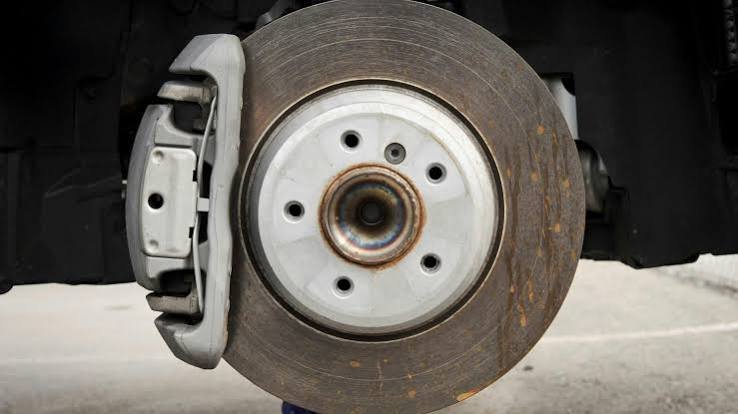

New brakes usually squeal because the pads and rotors are still bedding in. This break-in period lets a thin layer of pad material transfer evenly onto the rotor surface.
Bedding-in noise typically fades within the first 100 to 200 miles. Squealing that continues past that point often points to installation or hardware issues.
Do New Brakes Normally Squeak?
The Bedding-In Process Explained
New brake pads need a short adjustment period called bedding-in. During this time, a thin layer of friction material transfers from the pad onto the rotor.
Until that layer forms evenly, small vibrations can occur, which is what produces the squeal.
How Long Bedding-In Noise Should Last
Most bedding-in squeal clears up within the first few days of normal driving. Manufacturers commonly reference the first 100 to 200 miles as the typical window.
If squealing continues well beyond that mileage, it is worth having the brakes inspected rather than waiting it out.
Why New Brakes Squeal: The Normal Causes
Moisture and Overnight Surface Rust
Rain, humidity, or overnight condensation can leave a thin film of rust on the rotors. The first few brake applications scrape this rust off, which creates a brief squeak.
This type of noise almost always disappears after a handful of stops once the surface is clear.
Brake Pad Material
Different pad compounds behave differently. Organic and ceramic pads tend to run quieter, while semi-metallic pads are naturally more prone to noise.
If your shop installed semi-metallic pads, some ongoing noise may simply be part of how that material performs.
Dust and Road Debris
Small particles of dirt, sand, or brake dust can get trapped between the pad and rotor. This creates a light squeak that usually clears after driving through a car wash or a few hard stops.
Why New Brakes Squeal: The Warning Signs
Lack of Proper Lubrication
Brake hardware, including caliper pins and pad backing plates, needs high-temperature brake grease at the contact points. Skipping this step during installation is one of the most common causes of persistent squealing.
Improper Installation
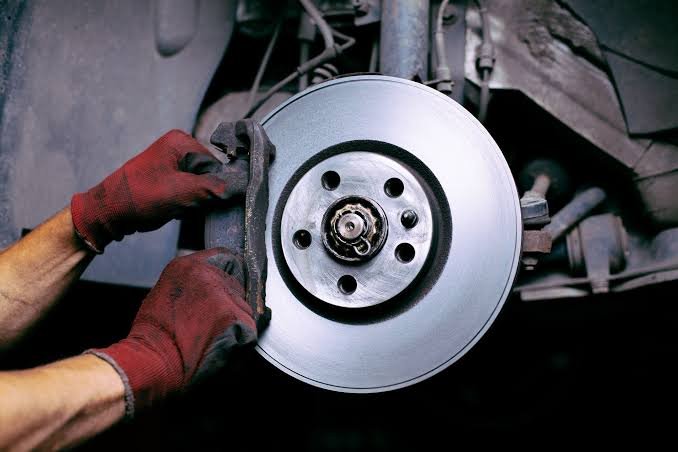

Pads that are not aligned correctly, or calipers that are not torqued to spec, can cause uneven contact with the rotor. This often produces a constant squeak rather than one that fades with driving.
Glazed Pads or Rotors
Braking hard before new pads have finished bedding in can overheat the surface. This creates a smooth, hardened glaze that reduces friction and causes ongoing squealing.
Rough or Unmated Rotor Surface
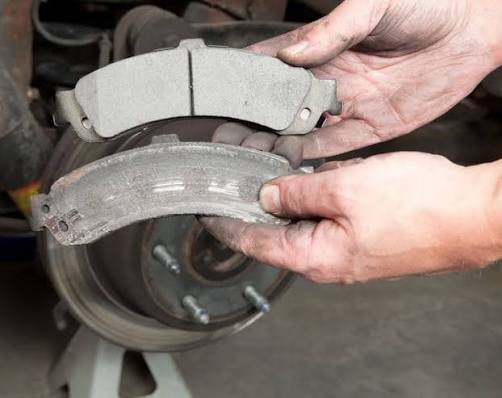
If new pads were installed on old rotors, the surfaces may take longer to mate properly. Rough spots on the rotor can cause squealing or even light grinding until things smooth out.
Comparing Normal vs Concerning Brake Noise
| Noise Type | Likely Cause | Should You Worry |
|---|---|---|
| Brief squeak after rain | Surface rust | No, clears in a few stops |
| Squeal for first 100-200 miles | Bedding-in process | No, this is expected |
| Constant squeal past 200 miles | Poor lubrication or installation | Yes, get it inspected |
| High-pitched squeal every stop | Wear indicator contacting rotor | Yes, pads may be thin |
| Grinding or metal-on-metal sound | Pads fully worn out | Yes, urgent inspection needed |
What Different Brake Sounds Actually Mean
- Squeaking is often harmless and tied to pad design or bedding-in.
- Squealing frequently signals a wear indicator or a lubrication issue.
- Scraping can mean a small stone or debris is stuck in the brake assembly.
- Grinding means the pads are worn through and metal is contacting the rotor.
How to Fix Squeaky New Brakes

Step 1: Complete a Proper Bedding-In Drive
Drive at moderate speed and brake gradually several times without coming to a complete stop. This helps the pad material transfer evenly across the rotor.
Step 2: Check for Surface Contaminants
Wash the wheels and rotors if you suspect dust, road grime, or rust is causing the noise. A quick wash often resolves light squeaking within a day or two.
Step 3: Have a Technician Inspect Lubrication and Fit
If squealing continues past 200 miles, ask your shop to check caliper lubrication, pad alignment, and torque specs. This is the most common fix for persistent new-brake noise.
Step 4: Ask About Rotor Resurfacing or Replacement
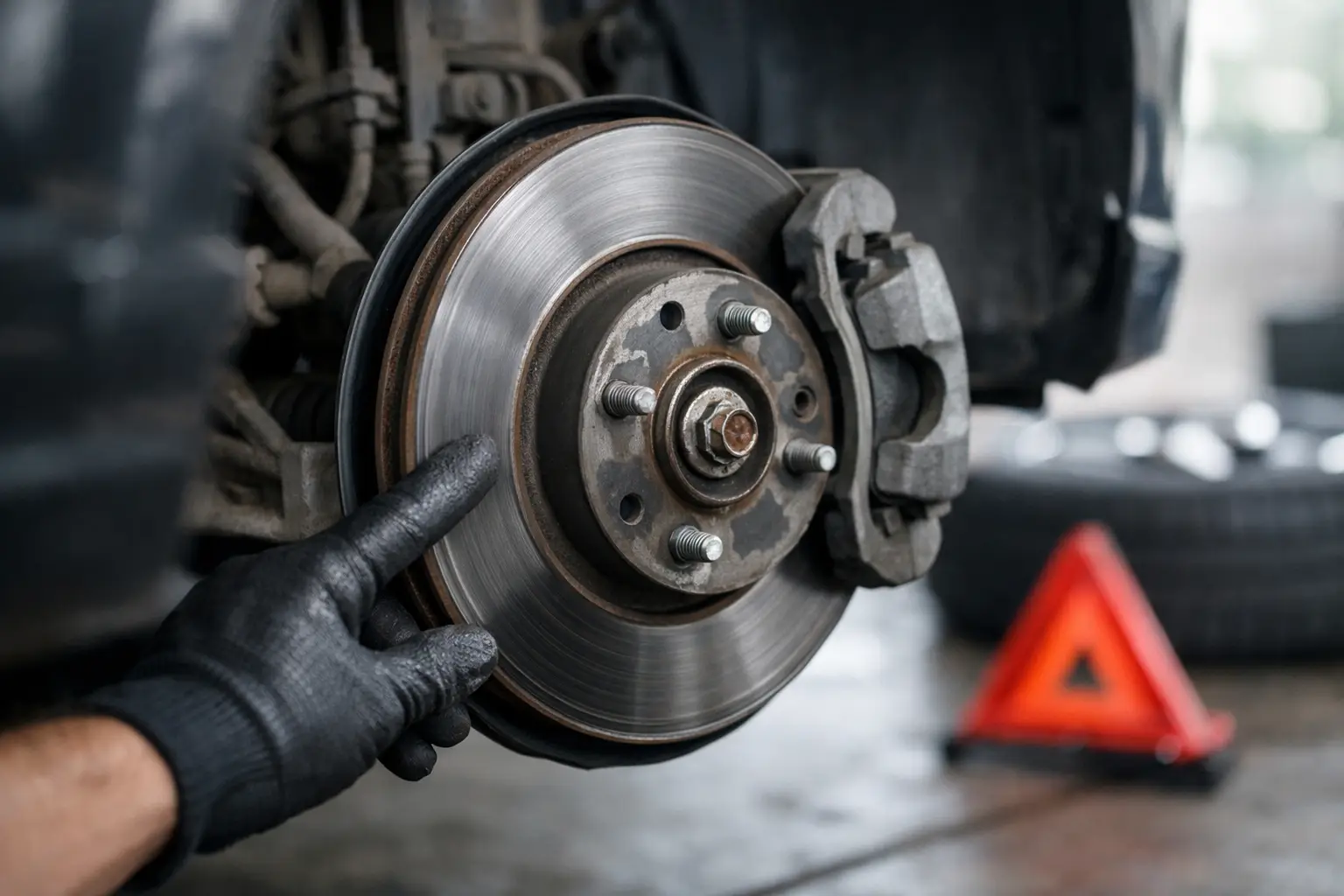
If new pads were paired with old, rough rotors, resurfacing or replacing the rotors can solve ongoing noise that bedding-in alone will not fix.
Key Takeaways
- Squealing right after a brake job is often normal bedding-in noise.
- Bedding-in noise should clear up within the first 100 to 200 miles.
- Moisture, rust, and road debris cause temporary noise that fades quickly.
- Poor lubrication and improper installation are common causes of lasting squeal.
- Persistent squealing past the break-in period should be inspected by a professional.

Also Read:
- From Hair Care Idea To Business: How Bo International Supports Startup Brands
- Portable Space Heaters vs Fan Heaters: Pros and Cons
- How Care Patterns Help During Steps to Report Suspected Nursing Home Abuse
- How Insurance Responses Can Affect a Houston, TX Auto Accident Claim
- The Investigation Steps a Premises Liability Lawyer May Take After an Injury
- Does Being a Loan Guarantor Affect Your CIBIL Score
- Do You Need Legal Help After a Truck Accident? Here’s What to Know
- Employee Rights and Legal Remedies in Whistleblower Retaliation Cases
- Download Gayatri Mantra Best Ringtone Mp3/M4R
- Grand Theft Auto: San Andreas Theme Song Download
- Download Mission Impossible Original Theme Song
- Randy Orton Voices WWE Theme Song Download
- 430+ Trendy Roblox Username Ideas for Boys & Girls
- 1000+ Trendy Instagram Usernames Ideas for Girls
- Letflix Review: Features, How It Works and Is It Safe to Use?
- Lorde – Liability (Instrumental)
- The LOX – Ignorant (Instrumental)
- Dae Dae – Spend It (Instrumental)
- Mac Miller – Diablo (Instrumental)
- Little Mix – Pretend It’s Ok (Instrumental)
- David Guetta – Lovers On The Sun (Instrumental)
- Where Learning Meets Potential: Exploring Strong Foundations for Young Minds
- How Classroom Collaboration Builds Skills Beyond Academics
- How Effective Math Tuition Helps Students Master Difficult Concepts
- Is Online MBA Worth It in 2026?
Frequently Asked Questions (FAQs)
Why are my brakes squealing with new brakes?
New brakes often squeal during the bedding-in process, when pad material transfers onto the rotor surface. This noise is usually normal and temporary.
How long should new brakes squeal before it’s a problem?
Bedding-in noise typically clears within the first 100 to 200 miles. Squealing beyond that should be checked by a technician.
Can moisture cause new brakes to squeal?
Yes. Overnight condensation or rain can leave light rust on the rotors, which causes brief squealing until it wears off.
Do ceramic brake pads squeal less than semi-metallic pads?
Generally yes. Ceramic and organic pads tend to run quieter, while semi-metallic pads are more prone to noise.
Is it safe to drive with squeaky new brakes?
In most cases yes, especially if the noise fits normal bedding-in patterns. Persistent or worsening noise should not be ignored.
Can improper installation cause brake squeal?
Yes. Misaligned pads or incorrectly torqued calipers can cause ongoing squealing that will not resolve on its own.
What does grinding instead of squealing mean?
Grinding usually means the pads are fully worn and metal is contacting the rotor, which needs urgent attention.
Why do my brakes squeal more in the morning?
Overnight moisture and light rust buildup are more common after sitting outside, which often causes noise on the first few stops.
Can I fix squealing new brakes myself?
A proper bedding-in drive and a wheel wash can resolve minor noise. Lubrication and installation issues need a professional technician.
Should I go back to the shop if new brakes keep squealing?
Yes, if the noise continues past the typical break-in period, returning to the shop for an inspection is the right move.
Conclusion
So why are my brakes squealing with new brakes? Most of the time, it comes down to a normal bedding-in period as the pads and rotors adjust to each other.
Moisture, road dust, and pad material can all add temporary noise that clears up within a few days of driving. Squealing that lasts well past 200 miles is a different story and usually points to a lubrication or installation issue.
If your new brakes are still squealing after the break-in window, do not ignore it. A quick inspection can catch a small fix before it turns into a bigger repair.