


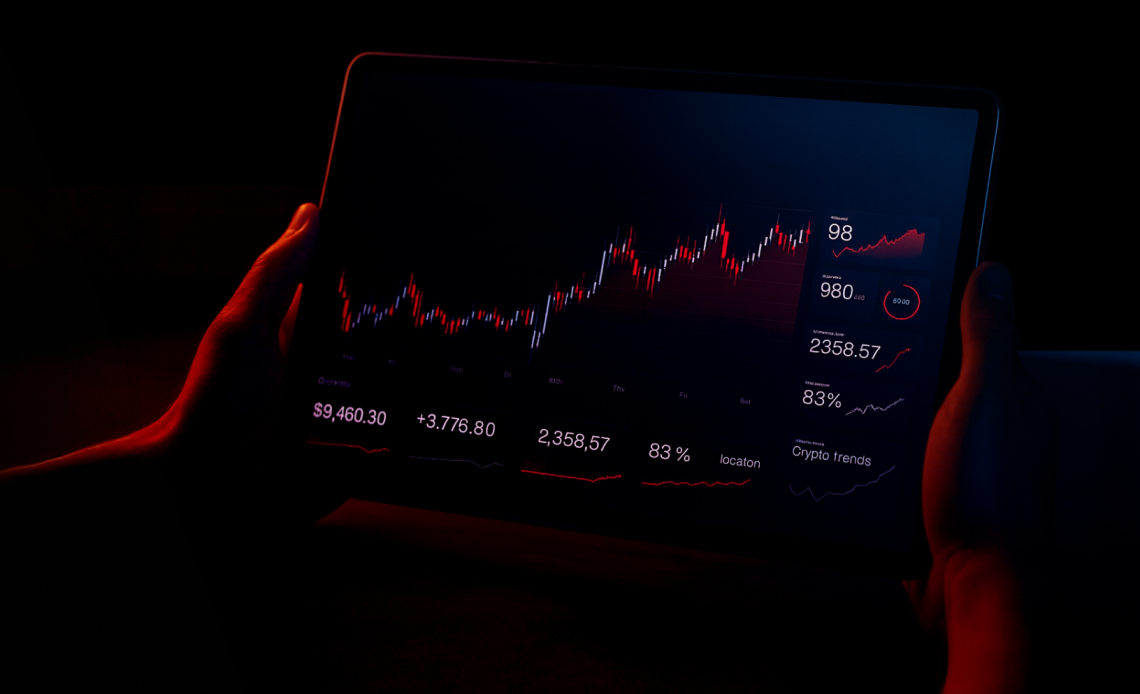
Most trading apps feel pretty straightforward.
You open the app, check a price, tap buy or sell, and that’s it. Done in seconds. Clean, fast, almost too easy.
But that simplicity is kind of… misleading.
Because underneath all of that, there’s a lot going on. Way more than most people think about. Systems talking to each other, data moving constantly, checks happening in the background. All of it just so that one tap works the way you expect.
And if any part of that slips, things get messy fast.
The Speed Problem No One Talks About
Trading platforms live or die by speed.
Even small delays matter. A second, or even less, can change the price of a trade. That’s not dramatic, it’s just how markets work.
So what happens behind the scenes?
Platforms invest heavily in infrastructure that can process huge amounts of data at once. Prices update constantly. Orders get routed instantly. Systems have to stay in sync across different exchanges.
It’s not just about being fast. It’s about being consistently fast, which is harder.
Because if it works most of the time but fails occasionally, users lose trust. And once that trust is gone, it’s tough to get back.
Data Is Moving Everywhere, All the Time
Here’s something that’s easy to overlook.
Every time you open a trading app, you’re looking at data that’s coming from multiple sources. Prices, charts, news, account balances, all updating at once.
That data has to be accurate. And current. At the same time.
Which sounds simple, but isn’t.
There are systems checking for errors, syncing updates, and making sure nothing falls out of place. If a price is off, even slightly, it can create confusion or worse, bad trades.
So there’s a constant effort to keep everything aligned.
Quiet work. But important.
Monitoring Isn’t Just for Security
A lot of people assume monitoring is only about stopping hacks or fraud.
That’s part of it, sure. But it goes deeper.
Platforms use tools like chat AI monitoring to watch how users interact with support systems, identify issues early, and improve responses over time. It’s not just about catching problems, it’s about understanding behavior.
Why are users asking certain questions? Where are they getting stuck?
That information feeds back into the system.
And slowly, the experience improves.
The Invisible Layer of Risk Management
Trading involves risk. That’s obvious.
What’s less obvious is how much of that risk is managed behind the scenes.
Platforms set limits. They monitor unusual activity. They check for patterns that might signal something off. Not in an intrusive way, just enough to keep things stable.
Because without that layer, things could spiral quickly.
Think about sudden spikes in trading activity. Or unusual orders. Systems need to react instantly, sometimes even before a human gets involved.
It’s not flashy work. But it keeps the whole thing from breaking.
Even Content and Visibility Play a Role
This part feels a little unexpected, but it matters.
Trading platforms don’t exist in isolation. They rely on visibility, education, and user growth. People need to find them, trust them, and understand how to use them.
That’s where things like how to rank in ChatGPT start to come into play. It sounds unrelated at first, but it’s really about discoverability. How platforms show up in conversations, search results, and AI-driven recommendations.
Because if people can’t find or understand a platform, they won’t use it.
And all that infrastructure behind the scenes won’t matter much.
When Everything Works, You Don’t Notice It
Here’s the interesting part.
When a trading platform runs well, you don’t think about any of this. You just use it. Prices load. Trades go through. Everything feels normal.
It’s only when something slows down or breaks that you start to notice the complexity underneath.
That lag. That delay. That moment where you wonder what’s happening.
Those are glimpses into the system.
Why It All Matters More Than It Seems
It’s easy to focus on features. Charts, tools, design.
But the real strength of a trading platform comes from what you don’t see. The systems holding everything together, keeping things stable, fast, and reliable.
Without that foundation, the surface experience falls apart.
And honestly, most users never think about it. They don’t need to.
But once you realize how much is happening behind a simple trade, it’s hard not to see these platforms a little differently.

