



Starting a commercial restoration project can feel like a maze, especially when your business is on the line. So, what should you expect when work begins on your building?
Overall, expect a structured, multi-step process built to carefully check damage, stop more issues, and bring your property back to its pre-loss condition, or better. You will work closely with restoration experts, plan the work, and often adjust schedules to keep your business running.
From the first inspection to the final walk-through, each step aims for safety, strong structure, and a quick return to normal. For example, handling facade restoration is common to keep the exterior looking good and staying strong against weather.
What Is a Commercial Restoration Project?
A commercial restoration project is a full effort to repair, clean, and rebuild a damaged commercial property. The damage might come from storms, fire, floods, accidents, or long-term wear and tear.
The main goal is to remove health and safety risks, get the building working again, and return it to its original or improved state. These jobs often have many steps and need skilled professionals.
Commercial buildings are major assets. They support businesses that help the economy and can bring strong returns. Over time, many issues can affect a property, leading to structural problems, safety risks, and extra costs.
A well-run restoration project protects that investment and helps keep the building safe and reliable for employees, customers, and everyone who uses it.
What Types of Commercial Properties Require Restoration?
Almost any commercial property may need restoration at some point, such as:
- Office buildings
- Retail stores and shopping centers
- Warehouses and distribution centers
- Industrial facilities and plants
- Schools and universities
- Hospitals and clinics
- Hotels and hospitality venues
Each type comes with its own challenges and may require special tools or methods. A retail shop may focus on keeping customer access open, while a warehouse may focus on large structural parts and equipment.
The “building envelope” includes the roof, walls, windows, doors, and water protection systems. This is a key part of any structure. Damage from water, air, or heat changes often means restoration is needed to keep the building strong and energy efficient. While the roof matters, projects often cover a wide range of exterior and interior issues.
What Triggers a Commercial Restoration Project?
Projects usually start after sudden events or slow wear over time. Common triggers include:
- Natural disasters: floods, fires, storms, earthquakes
- Accidents: burst pipes, electrical fires, vehicle impacts
- System failures: aging roofs, outdated wiring, failing HVAC
- Moisture and air leaks causing hidden damage
Besides sudden disasters, slow damage builds up over time. This can show up as structural issues, building envelope failures, or mold. Signs like sagging ceiling tiles, moisture stains, damaged windows, wet insulation, or cracked caulk and peeling paint point to needed restoration.
Regular upkeep helps, but sooner or later a full project may be needed to protect the property and the people inside.
What Are the Main Phases of a Commercial Restoration Project?
Most projects follow a clear set of steps. Details change by building and damage type, but the main stages usually include the following:
| Phase | Main Actions |
| Inspection | Walk-through, damage check, testing, documentation |
| Plan | Scope, timeline, budget, methods, risk review |
| Preparation | Secure site, safety setup, containment |
| Work | Mitigation, cleaning, repairs, reconstruction |
| Completion | Final cleaning, inspection, clearance |
Initial Inspection and Damage Assessment
The first step is a careful inspection and damage check. This step is important for seeing the full picture. Restoration pros walk the site to look for visible and hidden damage. They check fire, smoke, soot, and any water damage from firefighting or other sources.
For water issues, they use special tools like moisture meters and thermal cameras to find wet spots in walls, floors, and hidden spaces.
The team also reviews structural safety and any hazards, like weak floors, loose ceilings, or electrical risks. After a fire, the fire department must clear the site before entry. Complete records—photos, videos, and written reports—are gathered.
These records help the owner and are often required by insurance. For thorough fire and structural damage assessments, Nova Construction Services provides expert restoration services that ensure every issue is identified, documented, and resolved safely and efficiently.
Developing a Restoration Plan
After the damage review, the next step is to create a clear plan. This plan explains the repairs, timeline, and estimated costs. It helps everyone know what to expect and supports good decisions. It also helps owners explain timing to employees, customers, and others.
The plan lists methods for water removal and drying, smoke and soot cleaning, and structural repairs. It should also include a risk review to flag delays. Working with a trusted company that has broad skills-like general contracting and building envelope work-helps produce a thorough, workable plan.
Site Preparation and Safety Measures
Before the main work starts, the site must be prepared and strict safety steps put in place. The first step is to secure the building to stop more damage and keep people safe. This often means boarding up broken windows and doors, placing tarps on damaged roofs, and bracing weak areas.
Beyond that, crews set up barriers, clear signs for staff and customers if the business stays partly open, and move people or equipment if needed. The team will keep the work area contained and deal with hazards like live electrical lines or mold before work begins. Being proactive about safety matters most for protecting workers and anyone nearby.
Restoration, Repair, and Reconstruction
This is the main part of the job. Work depends on the type of damage. For water damage, crews pump out standing water, then dry the area with large dehumidifiers and air movers. They keep checking moisture to prevent mold and protect materials.
For fire and smoke, crews remove soot and smoke from walls, ceilings, ducts, and other surfaces using HEPA vacuums and pro-grade cleaners. Air cleaning is also key, using HEPA air scrubbers and hydroxyl generators to remove smoke odors and particles.
Items that cannot be saved are removed, then repairs begin-drywall, floors, wiring, and other building parts. In severe cases, full rebuilds may be needed. During all work, the team follows building codes and standards so the property is safe and up to code.
Final Cleanup and Project Completion
As work wraps up, crews do a full cleanup. They remove dust, debris, and leftover materials so the space is ready to use. This includes cleaning surfaces, ducts, and fixtures.
The job ends with a final inspection, often a walk-through with the owner. The company confirms the work meets industry standards and that the client is happy. This step also confirms that odors are gone, the structure is sound, and contents are back in place.
Final clearance papers confirm the space is safe and dry, which helps with insurance and any rules that apply. This full approach helps return the property to its pre-loss state and ready for business.
What Should Businesses Expect During the Restoration Process?
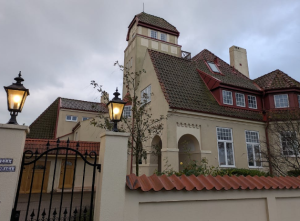
This period can be hard for any business. Beyond the repairs, daily operations and logistics need good management and clear expectations. Knowing what to expect helps you move through the process and reduce downtime.
Communication with Restoration Contractors and Stakeholders
Good communication is the foundation of a successful project. Expect clear and frequent updates from your restoration company about progress, problems, and any changes to the plan or timeline. They should share action plans that explain the scope, costs, payments, timing, and risks that might slow things down.
Also, keep your own stakeholders-employees, customers, tenants, and suppliers-in the loop. Share updates and schedules to cut confusion. In shared spaces like malls or office parks, the restoration team should coordinate with property managers and tenants to avoid conflicts. Proactive communication builds trust and keeps expectations realistic.
Project Timeline and Factors Affecting Duration
Timelines vary widely. A reliable timeline usually comes after a full on-site review. The length depends on the type and level of damage (water, fire, structural), the size and layout of the building, material and equipment availability, and even local weather.
A small fire with limited smoke might take a couple of weeks. A major flood or fire with heavy rebuild work can take months. In humid areas like Woodinville, drying can take longer. You should get a detailed schedule early and expect possible changes. Many companies also break work into stages so part of the business can stay open.
Potential Interruptions to Business Operations
Many businesses can keep operating in some form during restoration. If damage is limited and other areas are safe, part of the building may stay open or run during off-hours.
Still, be ready for changes like limited access, closed areas, or moving staff and equipment. If part of the space is cleared to use, you may need different entry points and clear signs.
You must get an “all clear” from the restoration team before letting people back in, especially after fire or flood events where mold or toxins may be present. Working closely with the team and adjusting your processes helps cut downtime and costs.
Maintaining Compliance with Building Codes and Standards
Following building codes and standards is required throughout the project. Restoration teams must meet these rules during repairs and rebuilds. This keeps the building safe, strong, and compliant. These codes can be hard to follow, especially on a large jobs.
An experienced team will know local, state, and federal rules and will follow them in structural repairs, electrical work, fire systems, and accessibility. Your chosen company should have the right licenses and certifications, which shows their focus on quality and compliance. Detailed records-damage reports, daily logs, and final clearance-also help show compliance for insurance and regulators.
How Are Common Types of Damage Addressed?
Commercial properties face many kinds of damage. Each type needs a specific approach with the right tools and methods. Knowing how common problems are handled helps you get ready for the process.
Handling Water and Flood Damage
Water damage is common. It can come from storms, hail, burst pipes, or a broken water main. The first 24 to 48 hours matter most to cut damage, prevent mold, and reduce costs. The longer water sits, the more it spreads into walls, insulation, wiring, and behind equipment.
The process starts with a fast response to review the damage and stabilize the area. Crews remove standing water with industrial pumps. Then they dry the space with large dehumidifiers and strong air movers that push dry air into tight areas. Moisture meters and thermal cameras find hidden wet spots, and hygrometers track humidity.
In some cases, wall injection systems dry cavities without major demo. This controlled drying is important to avoid mold and warped materials, especially in humid places.
Fire and Smoke Damage Restoration
Fires-whether from old wiring, wildfires, or nearby buildings-can cause heavy damage. Even after flames are out, smoke and soot can keep harming surfaces and contents. Water used to fight the fire often adds water damage.
Work begins after the fire department clears the site. Crews secure openings and tarp the roof. They review fire, smoke, and water damage, then start water removal and drying. Smoke and residue vary by what burned and are removed with HEPA vacuums, chemical sponges, and pro-grade cleaners.
Air cleaning uses HEPA scrubbers and hydroxyl generators to cut odors and particles. Salvageable items are sorted, cleaned, and deodorized; unsalvageable items are removed. Then structural repairs and rebuilds move forward.
Dealing with Mold Contamination
Mold often follows water damage if moisture stays high. Leaks or high humidity can also cause it. Mold can harm health and weaken materials if left alone. It needs a special cleanup plan to remove it and stop it from coming back.
Crews isolate the area to prevent spores from spreading. They use HEPA filters and antimicrobial treatments to remove mold safely. Items that are too damaged to clean are removed and discarded by strict rules. Thorough drying and dehumidifying remove the moisture mold needs. Testing after cleanup can confirm mold levels are back to normal.
Managing Structural and Electrical Repairs
Structural and electrical problems are among the most important issues to fix. Quakes, heavy storms, and fires can weaken the structure, while fires and floods can damage electrical systems badly.
Structural repairs start with engineers and specialists reviewing weak points, cracks, and other damage. Work may include reinforcing foundations, fixing walls and roofs, or rebuilding full sections. Following building codes is very important for long-term safety. Electrical repairs matter just as much-if power is out, business stops.
After a disaster, melted wires, damaged circuits, and breaker work may be issues. Owners should work with the restoration team and licensed electricians to restore power safely and quickly. Done right, this also helps prevent future electrical hazards.
Protecting People and Property Throughout Restoration
During a project, keeping people safe and protecting valuable items comes first. Careful steps help protect both during what can be a busy and stressful time.
Keeping Salvageable Items Safe
Right after a disaster, deciding what can be saved is a big concern. Cleanup can be emotionally hard, making it tough to judge items. A commercial restoration team is very helpful here.
They work with you to review machines, electronics, furniture, and other items to decide what to save and what to discard. This support can greatly lower the stress and help avoid tossing valuable items too soon.
Items that can be saved, especially those hit by fire or water, often go offsite to a cleaning facility. There, they may go through deodorizing chambers, ultrasonic cleaning, and special methods for textiles and electronics.
The aim is to dry, clean, and deodorize what matters most to you. Restoration companies communicate clearly about what can be restored and what cannot, offering a clear process for contents cleaning.
Keeping Staff and Occupants Safe and Healthy
The safety of staff, customers, and anyone on site is a top priority. After fires or floods, hidden dangers may include weak structures, live electrical risks, toxins from fire residue, or mold. The first step is to secure the site and make it safe to enter. Wait for an “all clear” from professionals before anyone goes back in.
During work, strict safety rules are used. Crews set up barriers, clear signs, and limit access as needed. They wear PPE and follow industry standards to protect themselves and stop the spread of contaminants.
Air quality is closely checked, especially after fires, to remove harmful particles. The main goal is to keep the work area safe for crews and to hand back a building that is safe and healthy for everyone.
How Insurance Claims Work in Commercial Restoration Projects
Handling insurance claims is an important, often complicated part of any commercial restoration project. Knowing the steps and what carriers need can speed recovery and help you get the coverage in your policy.
Documenting Damage for Insurance Purposes
Thorough and accurate documentation is one of the most important parts of the claims process. Expect every detail of the damage to be carefully recorded. This includes photos, videos, and detailed written reports of fire, smoke, water, and structural damage. These records act as clear proof of the loss and are required by most carriers.
Restoration companies create initial damage reports with photos and readings from moisture meters and other tools. They also keep daily logs showing progress, equipment used, and site conditions.
Good record-keeping helps show the true scope of damage, smooths the claim process, and reduces disputes. These records also help with rule compliance and leases by showing proper steps were followed.
Working with Adjusters and Insurance Providers
After documenting the loss, you will work with adjusters and your insurer. Most commercial policies cover damage from fire, water, and storms, but the claim process can be complicated. Having a knowledgeable restoration partner can be very helpful.
A trusted company will talk directly with your insurer, share needed documents, and explain the work. They help explain the scope, support the costs, and make sure the plan matches the policy. Clear communication between the contractor, the owner, and the insurer makes the process easier and can speed up approval. Choose a company with strong experience handling claims so you can get the best result from your coverage.
Frequently Asked Questions About Commercial Restoration Projects
Business owners who want a clear view of the process often ask the questions below. Here are direct answers to help explain what to expect.
How long does a typical commercial restoration project take?
It depends. Timelines vary by the type and level of damage, the size of the building, and the services needed. Smaller jobs can take weeks, while major rebuilds may take months. Material availability, special equipment, and weather can also change the schedule. Most companies share an estimated timeline early, but unplanned issues can still change the plan.
Can business operations continue during restoration?
Often, yes-at least in part. If damage is limited and other areas are safe, you may operate in sections or during off-hours. Many teams plan the work in stages to cut downtime. You must get an “all clear” from the restoration team before letting people in. Expect some limits on access, closed areas, or moving staff and equipment. Clear signs should guide customers and keep everyone safe.
What should be done immediately after a disaster?
Once fire or emergency crews say it is safe to enter, safety comes first. Do not go inside unless a pro says the structure is safe. Contact a commercial restoration company right away. They can board up openings, tarp the roof, and start mitigation to stop more damage. For water damage, acting within 24 to 48 hours is very important to reduce damage, prevent mold, and control costs. Fast action gets recovery started without delay.
Are restoration costs covered by insurance?
Most commercial property policies Fire Watch Guards Security cover restoration after fire, water, and storm events, but details vary by policy and cause of loss. Business owners should review their policy to see what is covered and any limits. Professional restoration companies are used to working with claims. They can document damage, provide detailed reports, and talk with adjusters so the claim reflects what the project needs. This teamwork helps the process move faster and can increase the coverage you receive.
Key Takeaways for a Successful Commercial Restoration Project
Handling a commercial restoration project well depends on being prepared, making informed choices, and teaming with the right partners. While the process can be hard, knowing what to expect makes it much easier and can lead to a better outcome.
Some of the most important points are about speed and action. The time right after a disaster is a short window for mitigation. Quick action can greatly cut damage and cost. Bring in a skilled, trusted commercial restoration company early.
You are protecting your business’s future, not just fixing parts of a building. Look for full services, proper licenses and certifications, and a solid history with strong client feedback. Their experience helps with damage reviews, a strong plan, and handling the many steps of rebuilding and code compliance.
Also, keep communication open with your restoration partner, your insurer, and everyone involved inside and outside your business. This keeps people aligned, manages expectations, and solves problems early. A restoration project is about rebuilding spaces and rebuilding confidence, keeping people safe, and getting your business running again. With the right approach, you can turn a hard time into a fresh start-ending with a property that is restored and possibly improved in safety and use.

