


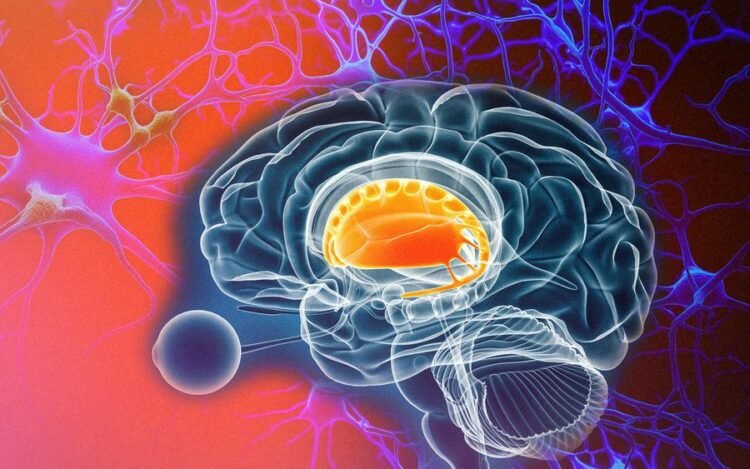
Interactive experiences can be found everywhere. Whether it is a fitness app that has promoted you when you reach a new level or a streaming service that suggests “just one more episode”, today’s digital products are built to keep people engaged. Although they are diverse in purpose, they are all based on the same psychological principles of human behavior, especially the reward system of the brain.
Some of these mechanisms could be more familiar to audiences who have seen gambling-related entertainment. But they’re more than just about HellSpin Polska and games of chance. Cognitive mechanisms of dopamine regulation of attention, motivation, and decision-making offer insights into the remarkable power of certain digital experiences. Dopamine is not a “pleasure chemical” but perhaps more accurately a messenger in the brain that motivates.
Understanding Interactive Experiences
An interactive experience is an environment in which the user is able to have an impact on the next step in the experience. Passive media are traditional TVs, while interactive media respond to choices made by the user. Feedback is provided for every click, swipe, tap, and decision, which helps keep them engaged.
This interaction is found in numerous ways:
- Mobile apps that pay for activity.
- Learning platforms that provide achievement badges.
- Endless scroll feeds on social media platforms
- Productivity apps that help monitor personal advancement.
These systems share a loop of feedback.These systems share a loop of feedback. People like to watch what they do, and the more the response is quick and significant the more engaged they will feel.
Human Brain Enjoys Interaction
In popular culture, the reward system is usually simplified, but neuroscience has another story to tell.Dopamine is not really a drug for happiness, but for anticipation. It enables the mind to assess if the action will result in a positive outcome. Dopamine activity comes into play when an unexpected event or something that may be rewarding, occurs, increasing the probability of doing anything similar.
Suppose you got a letter from a friend you hadn’t heard from. The delightful surprise is not only a delight, but it’s an educational process for your brain, to learn that there are sometimes pleasurable experiences to be found in checking notifications.
This process forms a “dopamine loop” that psychologists refer to
- Expectation
- Action
- Feedback
- Learning
Without variation in the consequences of actions, motivation would soon decrease. However, the brain is particularly sensitive to risk-rewarding events that have some uncertainty, but can yield rewards.
From Curiosity to Habit: The Psychology of Engagement
Human curiosity thrives on uncertainty.
If every action produced exactly the same predictable result, motivation would quickly decline. Instead, the brain responds especially well to variable rewards, where outcomes remain uncertain but potentially valuable.
Behavioral economists have long observed that uncertainty increases attention because the brain continually updates its expectations.
| Behavioral Principle | Effect on Users | Everyday Example |
| Variable rewards | Sustains curiosity | Opening a mystery reward in a game |
| Instant gratification | Reinforces quick actions | Receiving immediate likes on a post |
| Progress tracking | Encourages consistency | Daily learning streaks |
| Social validation | Strengthens motivation | Positive comments from peers |
| Novelty | Activates exploration | Personalized recommendations |
These mechanisms are not inherently good or bad. They simply reflect how human learning has evolved over thousands of years.
When repeated frequently, they contribute to recognizable behavioral patterns that shape daily digital habits.
Interactive Design in the Digital World
The ideas from the behavioural sciences are now being adopted into the modern digital product, not necessarily to manipulate the user, but to make an experience engaging and rewarding.
This is the essence of gamification.
Users don’t just accomplish things, they earn awards, unlock levels, keep streaks alive and enjoy milestones. Anything normal suddenly is more motivating.
Common engagement techniques include:
- Progress bars
- Achievement systems
- Personalized recommendations
- Daily challenges
- Visual celebrations
- Adaptive difficulty
- Surprise rewards
The features turn on motivation because they have clear goals and immediate feedback.
Believe it or not, the same psychological principles are present in educational websites, health apps, financial planning software and entertainment programs! The brain science is still largely the same in any industry
Dopamine motivation isn’t just for fun
Language-learning apps get recognition for consecutive days of practice, as a “warm glow” effect inspires commitment.Digital medals are given on fitness platforms for workouts completed in order to promote positive behaviors.Streaming services automatically suggest new content as reducing friction makes them more likely to continue seeking out more.Retail loyalty programs employ points systems that convert drab purchases into quantifiable advancement.
Some productivity tools at work also include achievement tracking, making large projects seem more attainable.While these systems are quite different in intent, they all appreciate that feedback is a powerful motivator when it is meaningful.
Interactive Entertainment and Reward Based Experiences
Interactive entertainment is a very clear example of behavioural science in action.
Users are constantly engaging with shifts in levels of uncertainty and some degree of reward in online competitions, puzzles, collecting digital items or exploring immersive virtual environments.
When communities talk about a real money casino, they are not just talking about the game itself; they are also talking about the things that make the game exciting, make it come and go, and hold the attention of the players. These talks demonstrate, from a behavioural standpoint, the influence of the design of the interface, the timing of feedback and the different results that influence engagement without needing to constantly reward the user with big rewards.
In the same vein, debates on a national casino are not just confined to the game itself but also to the broader experience of the users, their digital interactions, user responsibility, and how contemporary forms of entertainment foster engagement through well-designed interactions.
Neuroscience Meets User Experience Design
Many designers today work with psychologists, neuroscientists, behavioural economists and others to make products that are intuitive and not confusing.
Understanding cognitive biases can help in designing interfaces that are easier to understand .
Avoiding unnecessary complexity by recognizing attention limits.
Learning instant gratification is the reason that instant rewards are sometimes better than delayed rewards.
In the meantime, when developers know the patterns, they can create experiences that don’t frustrate the learner.
One of the most notable things is that successful products are more likely to differentiate between engagement and value these days. If you’re going to keep someone busy, it’s pretty easy to do. It’s much more difficult after that to make them feel good.

