


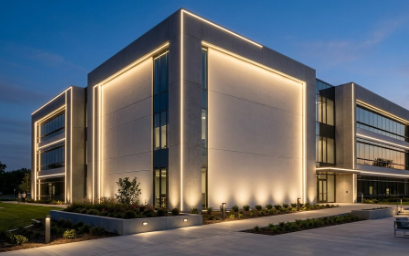
The success of a commercial space isn’t defined by architecture alone. Increasingly, it’s the lighting that shapes first impressions, influences how people interact with a property, and determines how a building performs after dark. As expectations for sustainability, smart buildings, and experience-driven design continue to grow, architectural lighting has become a strategic part of commercial development rather than simply a finishing touch.
Hotels, office buildings, retail centers, mixed-use destinations, and public spaces increasingly rely on lighting to strengthen brand identity, improve visitor experiences, enhance safety, and support long-term property value. As demand grows for durable, high-performance LED systems, manufacturers such as GCZICO, an engineering-grade outdoor lighting manufacturer, continue to support projects with lighting solutions designed for modern commercial environments.
Every Space Tells a Story, and Lighting Brings It to Life
Architecture defines a building’s form. Lighting defines how people experience it, especially after sunset. It highlights textures, creates depth, draws attention to key features, and naturally guides people through a space.
For architects and designers, lighting is no longer treated as a separate layer added at the end of a project. Instead, it is integrated into the overall design to emphasize materials, complement architectural lines, and create a cohesive visual identity.
Hospitality projects use layered lighting to create welcoming arrival experiences and comfortable outdoor spaces. Retail developments rely on lighting to highlight storefronts, showcase products, and encourage customers to explore. Office buildings balance professional aesthetics with employee comfort, while mixed-use developments use lighting to connect restaurants, plazas, offices, and entertainment venues into a unified destination.
Beyond aesthetics, lighting also improves visibility around entrances, walkways, parking areas, and public spaces, creating safer environments while making buildings more recognizable after dark. The result is a commercial environment that is both functional and memorable.
Great Lighting Creates Better Business Performance
Architectural lighting delivers measurable value beyond appearance. Well-designed commercial lighting improves customer perception, enhances property appeal, and creates inviting environments that encourage people to stay longer.
Hotels and restaurants use lighting to create atmosphere, retail spaces guide shoppers and emphasize featured displays, while offices support employee comfort and productivity. These design choices help strengthen tenant appeal, reinforce a property’s image, and improve the overall visitor experience.
Modern commercial LED lighting also reduces energy consumption, maintenance requirements, and replacement costs. Longer-lasting fixtures help lower lifecycle costs, making lighting a practical investment for developers and property owners focused on long-term value.
As every commercial project has different architectural goals, many developments also require customized lighting solutions. When selecting lighting systems, project teams often evaluate top architectural lighting manufacturers based on engineering support, product quality, customization capabilities, certification compliance, and long-term reliability. Manufacturers such as GCZICO are among those responding to these evolving project requirements with architectural lighting solutions designed for demanding commercial environments.
Sustainability adds further value. High-efficiency LED fixtures help reduce electricity consumption while supporting green building objectives and lowering operating costs throughout the life of a project.
What Today’s Commercial Developments Expect From Architectural Lighting
Today’s commercial projects expect architectural lighting to deliver far more than illumination. Designers and developers prioritize seamless integration, intelligent controls, flexibility, and dependable long-term performance.
Rather than being added at the end of construction, lighting is increasingly planned alongside the architecture itself. Linear lights, wall washers, flood lights, and inground fixtures work together to create architectural façade lighting that highlights building features, defines pathways, and strengthens a property’s visual identity.
Smart lighting systems automatically adjust brightness based on occupancy, daylight, or scheduled activities, improving energy efficiency while maintaining consistent lighting conditions. Flexible controls also allow commercial spaces to adapt throughout the day, supporting everything from business operations to evening events and seasonal displays.
Durability is equally important, particularly for outdoor architectural lighting. Fixtures must withstand rain, UV exposure, humidity, and changing temperatures while delivering reliable performance year after year. As commercial lighting standards continue to evolve, manufacturers across the industry, including GCZICO, continue to develop solutions that balance design flexibility with dependable outdoor performance.
Lighting Is Strongest When It’s Part of the Vision
The most successful commercial projects consider lighting from the earliest stages of design rather than as a finishing touch. When architects, designers, engineers, and lighting specialists collaborate early, they create spaces that are visually cohesive, energy efficient, and designed for long-term performance.
More than simply illuminating a building, architectural lighting shapes how people experience a place. As commercial architecture continues to evolve, thoughtfully planned lighting will remain one of the most effective tools for transforming buildings into destinations that people recognize, remember, and return to.

