


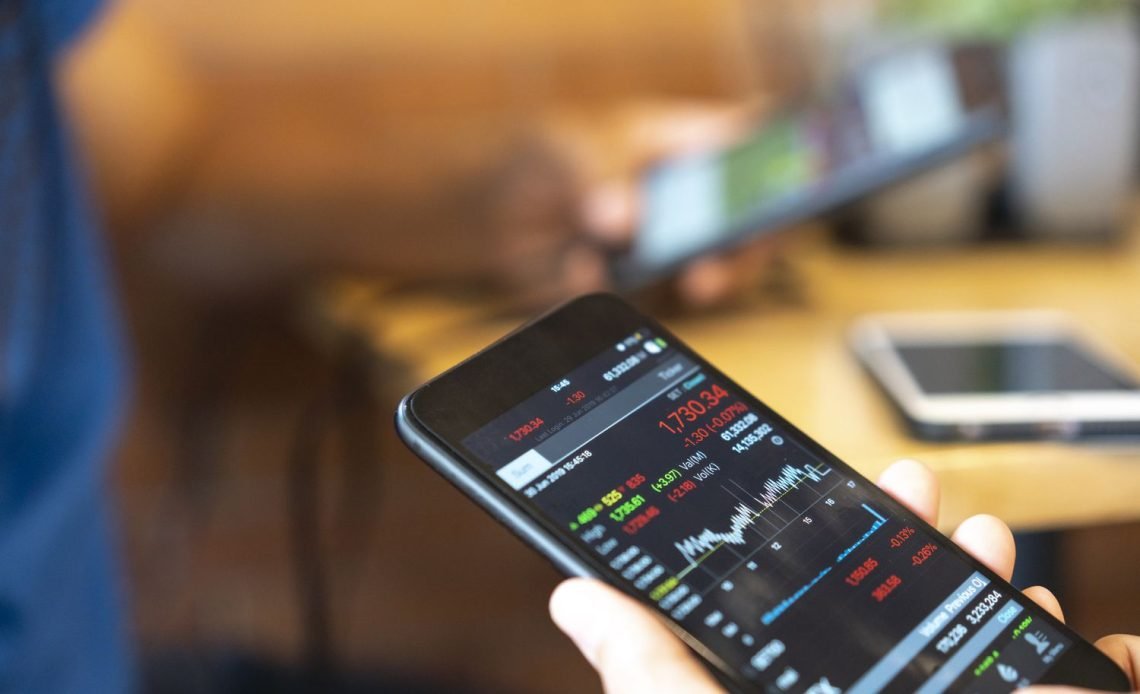
A lot of trading apps feel… kind of magical at first.
You open the app, buy a stock, maybe sell it later, and you don’t see a clear fee attached. No commission popping up like in the old days. It feels like you’re just moving money around without friction.
So naturally, the question comes up. How are these platforms making money?
Because they are. Definitely.
The thing is, the money isn’t always where you expect it to be. It’s not sitting right in front of you like a transaction fee. It’s built into the system in quieter ways.
Payment for Order Flow (Yeah, That One)
This is probably the most talked-about piece, and for good reason.
When you place a trade, the app often doesn’t send it directly to a public exchange. Instead, it routes that order to a market maker. That market maker executes the trade and, in return, pays the platform a small fee.
It’s called payment for order flow.
And honestly, it’s a bit controversial. Some people are fine with it. Others question how it affects pricing and execution quality.
But from a business perspective, it works. Platforms can offer “free” trades because they’re earning money on the backend.
You don’t see it, but it’s there.
The Spread Is Doing More Work Than You Think
Even beyond order flow, there’s something else happening.
The spread.
That’s the difference between the price someone is willing to buy a stock for and the price someone is willing to sell it for. It’s usually small, but it exists on every trade.
In some cases, platforms or their partners benefit from that spread. Not in a way that feels obvious to users, but enough to generate revenue at scale.
And when you think about how many trades happen every day… it adds up quickly.
Subscriptions and “Premium” Features
This one’s more straightforward.
Many trading apps offer a free version and then a paid tier. The paid version might include things like advanced data, research tools, faster execution, or access to margin trading.
Some people ignore it completely. Others pay for it without thinking too much about it.
Either way, it’s a steady revenue stream.
And it’s predictable, which platforms like.
Interest on Idle Cash
Here’s something people don’t always think about.
When you deposit money into a trading app but don’t invest it right away, that cash is just sitting there. From your perspective, it’s waiting. From the platform’s perspective, it’s an opportunity.
They can earn interest on that balance.
Sometimes they share a small portion of that interest with you. Sometimes not much. The difference between what they earn and what they pass along? That’s part of their revenue.
It’s subtle. But it’s consistent.
Margin Lending (Where Things Get Bigger)
When users borrow money to trade, that’s where things can scale up.
Margin trading allows people to invest more than they actually have by borrowing from the platform. And of course, borrowing comes with interest.
That interest can be significant, especially if users hold positions for longer periods.
So while not everyone uses margin, the ones who do can generate a lot of revenue for the platform.
It’s a different level compared to small transaction-based earnings.
The Quiet Role of Data and APIs
This part doesn’t get much attention, but it’s important.
Trading platforms sit on a huge amount of data. Market activity, user behavior, trends. That data can be valuable, especially when shared in structured ways.
That’s where API monetization models come into play. Some platforms provide access to their data or trading infrastructure through APIs, often charging for higher usage tiers or premium access.
Developers, institutions, even other businesses tap into these systems.
So the platform isn’t just serving individual users. It’s supporting an entire ecosystem.
And that ecosystem pays.
Why It’s All Layered Together
No single revenue stream carries everything.
It’s a mix.
A little from order flow. A little from spreads. Subscriptions. Interest. Margin. Data access. Each piece contributes something, and together they create a stable business.
That’s why the experience can feel “free” on the surface.
Because the costs are distributed in ways that aren’t always obvious.
So What Does That Mean for Users?
This is where it gets a bit more personal.
Understanding how platforms make money doesn’t mean you shouldn’t use them. It just means you’re a bit more aware of what’s happening behind the scenes.
You start asking different questions.
Am I getting good execution on trades?
Do I actually need the premium features I’m paying for?
What’s happening with the cash sitting in my account?
Stuff like that.
It doesn’t have to turn into overthinking. Just awareness.
Where It All Lands
Trading apps aren’t running on goodwill.
They’re businesses, built on multiple revenue streams that work together quietly in the background. And once you start noticing those layers, the whole system makes a bit more sense.
It’s still convenient. Still accessible. Still appealing.
Just… not quite as simple as it looks at first glance.

