


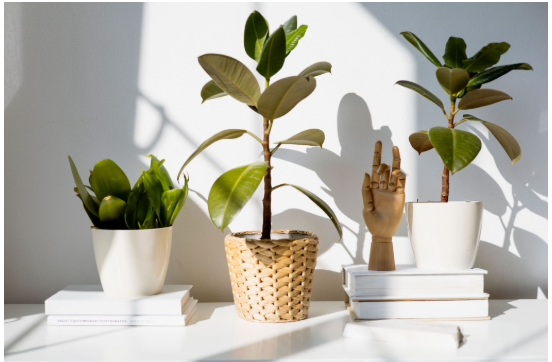
Ficus plants are a popular choice for living rooms because of their lush foliage, elegant shape and ability to fit into different interior styles. Beyond their decorative appeal, they are also commonly associated with bringing a natural element into the home, which makes them an interesting choice for people who follow Feng Shui principles.
Feng Shui focuses on creating balance and allowing energy, or chi, to move through a space. Plants can contribute to this feeling when they are placed thoughtfully and kept healthy. With the right position, planter and surrounding arrangement, a ficus can become both a decorative feature and part of a balanced living room.
Choose a Healthy Ficus Plant
In Feng Shui, the condition of a plant matters. A healthy, green plant is generally considered more suitable for creating a lively and positive atmosphere than one with damaged, yellowing or dead leaves. Before bringing a ficus into the living room, choose one with strong foliage and a healthy overall appearance. Different ficus varieties have different growth patterns, so consider the size of the room and the amount of space available. A larger ficus can work well as a statement plant, while a smaller variety can be placed on a stand or side table.
Place the Ficus Near a Window
Ficus plants generally benefit from bright, indirect light, making a well-lit area of the living room a practical location. From a Feng Shui perspective, placing a plant near a window can also help create a connection between the indoor and outdoor environment. A ficus positioned beside a bright window can soften the transition between the two spaces while adding greenery to the room. Avoid placing the plant where strong, direct sunlight could damage its leaves. A sheer curtain can help filter harsh light if necessary.
Keep Pathways Clear
One of the simplest ways to create a balanced living room is to avoid blocking natural pathways. A large ficus may look attractive beside a sofa or cabinet, but it should not interfere with movement around the room. Choose a corner where the plant has enough space to grow without becoming an obstacle. This also gives the foliage room to spread naturally and prevents the living room from feeling crowded. The plant should complement the furniture rather than compete with it.
Use the Ficus to Soften Empty Corners
An empty corner can sometimes make a living room feel incomplete. A ficus can fill this space while introducing natural texture and height. A tall ficus placed in an unused corner can create a visual connection between the floor and ceiling. This can be especially useful in rooms with low furniture, where a taller plant adds another layer to the overall arrangement. When choosing ficus plants, consider the mature size of the variety rather than only how it looks when you first bring it home.
Choose a Suitable Planter
The planter is also part of the overall arrangement. A simple planter in a natural or neutral tone can complement the green foliage without taking attention away from the plant. Materials such as ceramic, terracotta or natural-looking finishes can work well with a variety of living room styles. The colour can also be coordinated with existing furniture and décor. Avoid choosing a planter that is too small for the plant. A stable, appropriately sized container is important, particularly for taller ficus varieties.
Avoid Cluttering the Plant’s Surroundings
A ficus can become a strong decorative element on its own, so there is usually no need to surround it with too many other objects. Leaving some open space around the plant allows its shape and foliage to stand out. It can also help maintain a more organised appearance in the living room. If the ficus is placed beside a sofa, for example, you could keep the nearby side table and floor area relatively uncluttered. This gives the plant its own visual space.
Keep the Living Room Balanced
Feng Shui is often associated with balance, and this can also be considered when arranging plants. A very large ficus on one side of a small living room may make the space feel visually uneven. Consider the proportions of the room before deciding where to place it. If one side already contains several large pieces of furniture, a smaller ficus may be more appropriate there. In a larger room, a tall plant can help balance an open or sparsely furnished corner. The goal is to make the plant feel naturally integrated into the room rather than added as an afterthought.
Take Care of the Plant Regularly
Plant maintenance is an important part of keeping the space looking fresh. Remove dry or damaged leaves, wipe away dust and make sure the plant is receiving suitable light and water. A neglected plant can quickly lose its visual appeal and affect the overall appearance of the room. Regular care also helps the ficus maintain its shape and healthy foliage. Keep an eye on watering requirements as well, since ficus plants can be sensitive to both overwatering and inconsistent care.
Consider the Five Elements
Feng Shui traditionally works with five elements: wood, fire, earth, metal and water. Plants are naturally associated with the wood element, while other parts of the living room can represent the remaining elements through materials, colours and décor.
A ficus can therefore be paired with wooden furniture, earthy ceramic planters or other natural textures to create a cohesive setting. You do not need to introduce every element through the plant itself. Instead, consider how the plant fits into the room as a whole.
Let the Ficus Be Part of the Room, Not the Entire Room
A Feng Shui-inspired living room does not need to be filled with plants. One well-placed ficus can be enough to introduce greenery and create a natural focal point.
Think about the room’s existing layout, lighting, furniture and movement before deciding where to place it. A healthy ficus in a bright corner, beside a reading chair or near a window can add height and texture without overwhelming the space.
When cared for properly and positioned thoughtfully, a ficus can bring together the decorative and natural elements of a living room. The result is a space that feels organised, comfortable and connected to nature while fitting naturally into a Feng Shui-inspired approach.

