


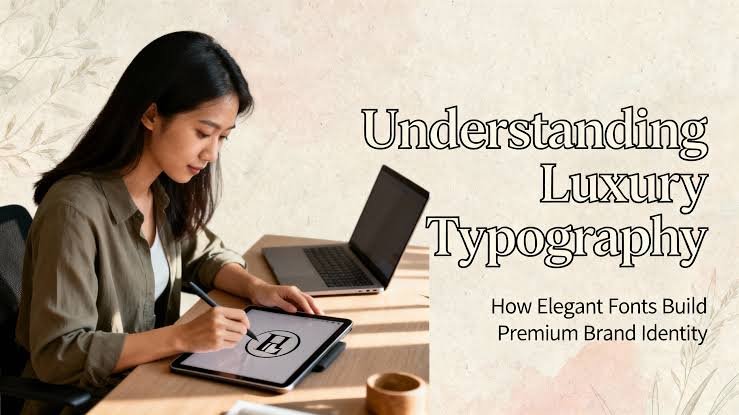
In the creator economy, sound and visuals are no longer separate parts of a brand. A musician, producer, podcaster, YouTuber, or digital creator may first attract attention through audio, but the audience often remembers them through a complete visual identity. Album covers, thumbnails, social media graphics, lyric videos, websites, posters, and merchandise all shape how people understand the creator before they even press play.
This is why typography matters more than many creators realize. A font is not just a design choice. It can communicate mood, genre, personality, and professionalism in a few seconds. A bold condensed typeface may feel energetic and aggressive. A soft rounded font may feel friendly and playful. A sharp futuristic style can make a project feel experimental or technology-driven. For music and entertainment brands, the right typography can help the audience understand the vibe immediately.
Many creators start with common font libraries because they are easy to access. That works for quick projects, but it can also make a brand feel generic. If several artists, channels, or businesses are using the same visual style, it becomes harder to stand out. Custom typography gives creators another way to build recognition. It can make a logo, title treatment, or campaign feel more personal, even when the rest of the design is simple.
The challenge is that custom font design has traditionally required specialist skills. Creating a font from scratch can involve sketching letterforms, building vector outlines, adjusting spacing, testing readability, exporting font files, and checking how the font behaves across different devices. For independent creators and small teams, that process can be too slow or expensive.
AI tools are beginning to change this workflow. Instead of starting from a blank page, a creator can begin with a direction: retro hip-hop poster, cinematic sci-fi title, soft indie pop lettering, luxury editorial style, or bold gaming-inspired display font. An AI font generator can help turn that visual idea into a font direction that can be explored, refined, and tested much faster than a traditional manual process.
This does not mean AI replaces design judgment. A generated font still needs to be reviewed carefully. Creators should check whether the letters are readable, whether the style fits the project, and whether the font works in real layouts. A font that looks exciting in one word may not work well in a full title, subtitle, or website header. The best results usually come from combining AI generation with human taste, editing, and practical testing.
One useful approach is to think of custom typography as part of the creative direction process. Before releasing a song, podcast, video series, or digital product, creators can test several visual identities. They can compare how different font styles feel next to cover artwork, background colors, photos, motion graphics, and social media layouts. This makes the design process more flexible. Instead of choosing from a small list of familiar fonts, creators can explore new directions that match the exact mood of their project.
For example, an electronic music producer might want a type style that feels futuristic but not too cold. A singer-songwriter might need a warmer handmade look. A gaming content creator may prefer something bold, energetic, and easy to read in thumbnails. A music blog or entertainment website may need a font style that works across headlines, banners, and promotional graphics. In each case, the font is doing more than displaying text. It is helping define the brand voice.
Another practical advantage is file export. Some tools only create styled text images, which can be useful for mockups but limited for real design systems. A more useful workflow allows creators to generate downloadable font files such as TTF or WOFF2. These formats can be used in design software, websites, landing pages, and brand materials. That makes the typography easier to reuse consistently across different platforms.
Tools like FontDance can be useful for this kind of workflow because they focus on generating custom fonts that creators can export and test in real projects. Instead of treating typography as a one-time image effect, the goal is to create a reusable design asset. That matters for creators who want their visuals to stay consistent across a website, a music release, a social campaign, and future brand materials.
There is also a growing need to turn existing visual inspiration into usable typography. A creator might have a logo sketch, a title style, a poster design, or an image reference that captures the right mood. In that case, an image to font tool can help bridge the gap between visual inspiration and practical font creation. It gives creators another way to move from a visual idea toward a font that can be tested and reused.
For music and entertainment projects, typography can influence how professional a release feels. A strong track with weak visuals may still struggle to get attention online, especially on platforms where users scroll quickly. Good typography helps a title look intentional. It can make cover art more memorable, thumbnails more clickable, and brand materials more coherent.
The key is not to generate fonts randomly. Creators should start with a clear purpose. What should the audience feel? Is the project bold, nostalgic, premium, playful, cinematic, rebellious, minimal, or experimental? Once the direction is clear, AI font generation becomes a faster way to explore possibilities. The final choice should still be based on fit, readability, and consistency.
As more creators build personal brands across music, video, social media, and digital products, custom typography will become a more accessible part of the creative toolkit. It gives independent creators a way to develop a visual identity that feels less generic and more connected to their own style. Used well, custom fonts can turn a simple design into something that feels recognizable, expressive, and ready for a larger audience.

