


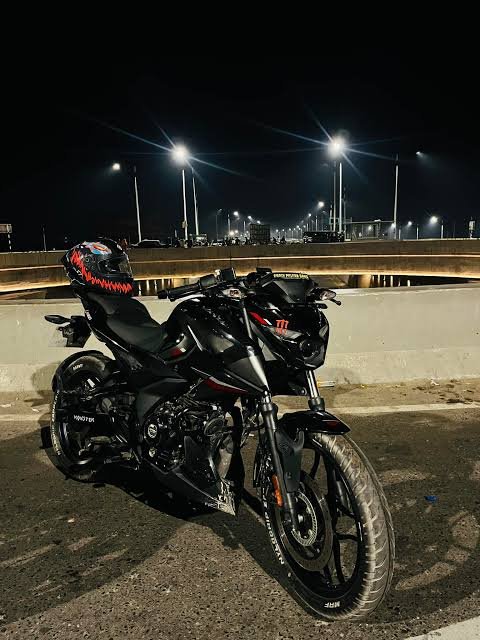
A Bajaj Pulsar is one of the most popular and trusted bikes in India. It can handle the daily grind, from crowded city roads to weekend runs. Hence, the engine oil plays an important role. From choosing the right viscosity and JASO classification to understanding the best engine oil for Pulsar 150, 220F, NS200 and N160, you must know what your Pulsar needs for smoother performance and a dependable riding experience.
Recommended Bajaj Pulsar Engine Oil
Different Bajaj Pulsar models may require specific engine oil grades and quantities. Check the owner’s manual before an oil change to know the correct viscosity, JASO classification and fill quantity to use.
For example, if the recommended Bajaj Pulsar 150 Engine Oil as per the owner’s manual is SAE 20W-50 API SN JASO MA2, make sure the engine oil you choose matches these specifications rather than selecting an oil based only on the bike’s name or engine size.
Similarly, if the manufacturer recommends SAE 20W-50 or 10W-50 API SN engine oil for Pulsar 220F, so choose the right one. Moreover, the required oil quantity may also vary between models, so always follow the manual when refilling.
Benefits of Using the Right Engine Oil for Bajaj Pulsar
For your Pulsar model, it is important to choose the specified engine oil and follow the oil change schedule to keep the bike running smoothly. Here are some key benefits:
- Reduce Engine Wear: The recommended oil creates a lubricating film between moving parts and helps reduce friction and wear as the engine runs.
- Smoother Gear Changes: Good lubrication helps the gearbox and clutch work properly, which can make gear shifts feel smoother and more predictable.
- Manages Engine Heat: Engine oil helps carry heat away from internal engine components and supports better heat management during busy commutes and extended rides.
- Clutch Performance: Using the correct JASO classification helps keep the oil compatible with the bike’s wet clutch, supporting smooth clutch engagement and operation.
- Mileage: When the engine is properly lubricated, it can operate with less unnecessary friction, which may support efficient fuel consumption.
- Reliability: Using the correct oil grade and changing it at the specified intervals helps maintain proper lubrication and can offer the best engine performance.
Synthetic vs Semi-Synthetic vs Mineral Oils for Bajaj Pulsar Bikes
Daily traffic, weekend highway rides and frequent long-distance journeys can place different demands on the engine. Here is a simple way to understand the common options:
Semi-Synthetic Engine Oil Will Suit You If
- It meets the manufacturer’s specifications.
- You use your Pulsar for daily commutes and occasional weekend rides.
- You want a balance between engine lubrication and cost.
- Most of your riding is in regular city and highway conditions.
Fully Synthetic Engine Oil Will Suit You If
- The oil meets the viscosity, API and JASO specifications recommended for your Pulsar.
- If you regularly take your Pulsar on longer highway journeys, this is the best engine oil for NS200.
- Your riding involves higher engine speeds or more demanding conditions.
- You spend a lot of time riding through heavy traffic.
- You want consistent lubrication during more demanding rides.
Mineral Engine Oil Will Suit You If
- The oil meets the specifications mentioned in your owner’s manual.
- You own an older Pulsar for which mineral oil is recommended.
- Your bike covers relatively fewer kilometres each year.
- You are looking for a straightforward and economical oil option.
Conclusion
A well-maintained Pulsar can make everyday rides feel effortless. Choose the best engine oil for NS200, NS260, 125, 150 and 220F based on engine and riding conditions. Since each model can have different requirements, always refer to the owner’s manual and choose an oil that meets the recommended viscosity, JASO classification and fill quantity.
For riders looking for a full-synthetic option, Castrol POWER1 offers a performance-focused formulation that can be considered for compatible Pulsar models. However, it is important to check the specific product specifications and your motorcycle’s manual before making a choice.

