


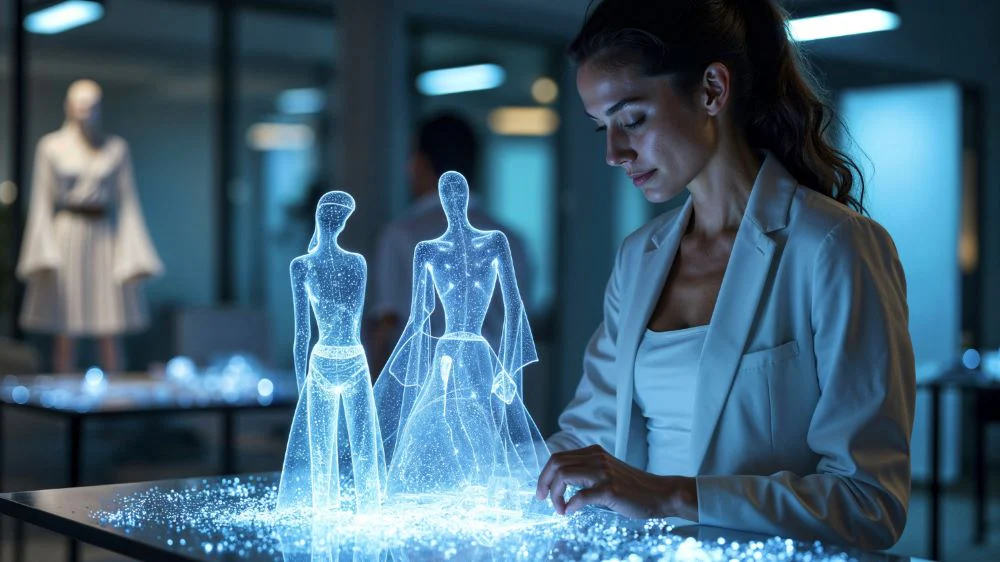
The world of fashion is no stranger to innovation, but the recent advancements in AI clothes changers are taking things to a whole new level. This cutting-edge technology allows users to digitally try on clothes, experiment with different styles, and visualize outfits — all without stepping foot in a store or trying anything on physically. In this post, we’ll explore the fascinating world of AI clothes changer, how they work, and how they are transforming the fashion industry.
What is an AI Clothes Changer?
An AI clothes changer is a tool that uses artificial intelligence and computer vision to digitally alter a person’s appearance by swapping or changing their clothes in photos or videos. Essentially, it allows users to try on outfits virtually, eliminating the need for physical fitting rooms. This technology works by scanning the user’s body shape and superimposing clothing onto the individual’s image with impressive accuracy.
By analyzing a person’s measurements, posture, and movements, the AI ensures that the virtual clothing fits well and appears natural, even adjusting the texture and lighting to match the original image. AI clothes changers are powered by advanced machine learning algorithms trained on vast datasets of fashion images, enabling them to create realistic and diverse wardrobe suggestions based on the user’s preferences.
How AI Clothes Changers Work
The process behind an AI clothes changer is quite sophisticated, involving multiple layers of technology working together to create a seamless experience for the user.
- Body Mapping and Detection: The AI first detects the body shape and key features (such as the shoulders, waist, and hips) in the image, creating a digital model of the person.
- Clothing Recognition and Adaptation: Once the body is mapped, the AI identifies and adapts the selected clothing item, ensuring it fits the user’s body. Whether it’s a pair of jeans or a dress, the AI makes sure the garment adjusts to the body’s dimensions and movements, creating a natural look.
- Texture and Lighting Adjustments: The AI changes the texture of the clothing material (fabric, leather, etc.) to make it look more realistic. It also adjusts the lighting, ensuring that shadows, highlights, and colors match the surrounding environment.
- Real-Time Visualization: The AI processes these changes in real-time, allowing users to see how different clothes look on them without waiting for a long rendering process. This creates an immersive, interactive experience that feels as close as possible to trying on clothes in person.
Applications of AI Clothes Changers
- Virtual Shopping: One of the most practical uses of AI clothes changers is in virtual shopping. Retailers like ASOS, Zara, and H&M are already experimenting with AI-powered virtual try-ons to help customers visualize how different items will look on their body. This helps reduce the uncertainty customers feel when buying clothes online, leading to higher conversion rates and fewer returns.
- Fashion Design: Designers can use AI clothes changers to experiment with different styles, fabrics, and patterns without having to physically create each garment. This saves time and resources in the design process while allowing for endless creative possibilities.
- Personal Styling: AI-powered personal stylists are becoming more popular, using clothes changers to recommend outfits based on a user’s body shape, preferences, and style. Whether for casual wear, professional attire, or special occasions, users can receive suggestions that align with their taste.
- Augmented Reality (AR) Shopping: In combination with AR, AI clothes changers can offer an immersive shopping experience. Shoppers can see how clothes will look on them in real-time using just their phone or augmented reality glasses, creating a highly interactive and personalized shopping experience.
The Future of AI Clothes Changers
As AI technology continues to advance, we can expect even more impressive developments in the world of virtual fashion. The next phase could involve even more detailed customization, such as offering tailored recommendations based on a user’s exact measurements or incorporating style influences from a curated mood board into the virtual fitting experience.
In addition to individual consumers, AI Image Generator could revolutionize the fashion industry by providing designers and brands with better ways to visualize collections before production. With the potential to integrate with online marketplaces, social media platforms, and AR shopping, AI clothes changers will likely become an essential tool for the fashion industry in the near future.
Conclusion
AI clothes changers are more than just a trendy tool they are shaping the future of the fashion industry. By providing a virtual try-on experience, reducing shopping friction, and enabling designers to experiment creatively, these tools are transforming the way we shop, design, and interact with fashion. As technology continues to improve, we can expect AI clothes changers to become even more personalized, immersive, and accurate, further enhancing the way we experience fashion.


