


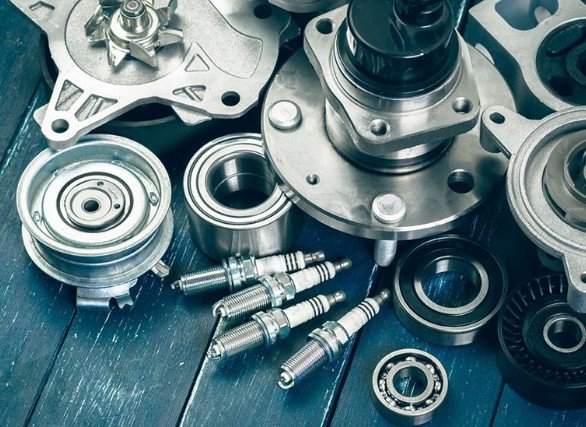
Replacing worn steering, suspension, braking, or drivetrain components can become expensive, particularly when several parts need attention at the same time. This is one reason drivers and DIY mechanics often compare original equipment components with aftermarket alternatives.
Detroit Axle is an automotive-parts retailer and distributor offering new aftermarket and OE-remanufactured replacement components. Its catalog covers commonly replaced parts such as wheel hub assemblies, CV axles, suspension components, brakes, shocks, struts, and steering parts. Before buying, however, shoppers should understand fitment, warranty conditions, installation requirements, returns, shipping, and customer feedback.
Quick Answer
The company sells a broad selection of new aftermarket and OE-remanufactured replacement parts, particularly for steering, suspension, brakes and drivetrain systems. Selected products carry lengthy warranties, and the company currently advertises free shipping within the continental 48 U.S. states. However, shoppers should verify exact vehicle fitment, understand return and warranty limitations, consider installation costs, and review recent independent customer feedback before ordering.
What Does the Company Sell?
The company specializes primarily in replacement automotive components rather than cosmetic accessories. Its major categories include:
- CV axle assemblies
- Wheel hubs and bearing assemblies
- Brake rotors and drums
- Control arms and ball joints
- Tie-rod ends and sway-bar links
- Shock absorbers and struts
- Rack-and-pinion assemblies
- Steering gearboxes
- Other steering and suspension components
Both new aftermarket and OE-remanufactured products are offered, depending on the component. This broad selection can be useful when several related parts on an older or higher-mileage vehicle require replacement.
New vs. Remanufactured Parts
A new aftermarket part is manufactured as a replacement component rather than being restored from a previously used OEM assembly. A remanufactured component begins with an existing part that undergoes rebuilding and replacement of applicable worn components before returning to service.
Neither option is automatically best for every repair. Vehicle age, expected remaining service life, price, warranty coverage, installation expense, and the importance of the component should all influence the decision.
Why Fitment Matters More Than Price
Price should never be the only consideration when buying replacement parts. Vehicles carrying the same model name can use different components depending on model year, engine, drivetrain, trim, production configuration, ABS equipment, and suspension package. The company’s own help information tells customers to check vehicle-fitment details and product specifications before purchasing.
Buyers should therefore compare the listing with their exact vehicle rather than assuming a visually similar component will fit. For complicated steering, suspension, or braking repairs, confirming the part number with a qualified technician can help prevent an expensive mistake.
Detroit Axle Warranty: What Buyers Should Know
Detroit Axle warranty coverage is one of the major considerations when comparing these products. Selected product categories receive lengthy published warranties, including lifetime coverage on certain remanufactured components and 10-year coverage on various new replacement parts. However, a headline warranty period should not be interpreted as unlimited protection. Warranty coverage contains eligibility requirements, exclusions, and claim procedures.
Labor expenses associated with removing or reinstalling a component can be especially important because the cost of repeating a labor-intensive repair may exceed the price of the replacement part itself. For certain remanufactured components, customers may also need to return the original core to activate applicable lifetime warranty coverage. Buyers should therefore read the official warranty policy applicable at the time of purchase and retain their proof of purchase.
Shipping and Delivery
Shipping is another useful consideration for U.S. customers. The company currently states that qualifying orders within the continental 48 U.S. states receive free shipping. Buyers outside the contiguous United States should confirm current availability, delivery options, and shipping charges directly before ordering.
Order-processing and delivery timing can vary depending on stock, destination, carrier conditions, and the specific product. Buyers can review the latest information through the official Help Center.
Returns and Exchanges
Return terms deserve particular attention when ordering vehicle-specific components. The current official policy generally provides a limited period for requesting refunds or exchanges, and returned merchandise may need to remain new, unused, and in acceptable condition. Certain returns can also involve restocking or shipping charges depending on the circumstances. Customers should review the official return policy before ordering because return conditions can change and may differ by transaction.
Is the Company Legitimate?
The business is an established automotive-parts retailer rather than an anonymous storefront. BBB records list the company as having operated since 2005. However, business legitimacy and customer satisfaction are separate questions. An established company can still receive complaints, negative reviews, or unresolved customer-service issues. Shoppers should therefore evaluate current policies, recent reviews, warranty terms, and fitment information before purchasing.
Customer Support and Independent Feedback
The company’s official Help Center lists customer-support options including telephone and live chat. Independent feedback presents a more complicated picture. As of September 2026, the Better Business Bureau lists the business as not BBB accredited and assigns it an F rating. BBB cites unanswered and unresolved complaints among the factors behind the rating. BBB also advises consumers to consider complaint patterns, company size, transaction volume, and business responses rather than relying solely on complaint totals. You can review the current BBB Business Profile.
Trustpilot provides a more mixed customer-review picture. Some reviewers praise pricing, ordering, fitment, and shipping, while others report problems involving incorrect products, deliveries, or customer service. Because review scores and totals change over time, recent individual experiences are usually more informative than treating a single aggregate rating as permanent. Current feedback can be checked through Trustpilot Customer Reviews.
Where Are the Parts Made?
Country of manufacture can vary by individual component. Buyers who specifically want U.S.-made products should not assume country of origin based on the company name alone. Instead, they should check the product listing, packaging, manufacturer information, or contact customer support for the particular component they are considering. This is especially important for shoppers whose purchasing decision depends on manufacturing origin.
Potential Advantages and Drawbacks
Potential advantages include a large replacement-parts catalog, competitive aftermarket positioning, vehicle-fitment tools, long warranties on selected products, and access to both new and remanufactured components.
Potential drawbacks include the need for careful fitment verification, possible return conditions and fees, mixed independent customer experiences, and the fact that replacing a warrantied component can still create additional labor expenses. These factors make product-by-product evaluation more useful than judging every component solely by its brand.
How to Compare It With Other Auto Parts Sellers
When comparing aftermarket sellers, buyers should look beyond price.
Useful comparison points include:
- Exact component manufacturer
- Vehicle compatibility
- Warranty length and exclusions
- Return period
- Shipping cost
- Customer-support options
- Labor exclusions
- Recent independent reviews
- Availability of technical information
No single retailer is automatically best for every repair. A seller offering a strong price on one component may be less attractive for another if warranty, fitment, or return conditions differ.
When Might OEM Parts Be Better?
Aftermarket parts can make financial sense for older vehicles, particularly when an OEM repair represents a significant portion of the vehicle’s value.
OEM components may nevertheless be preferable when exact factory specification is the priority, when dealership servicing or vehicle-warranty considerations matter, or when a highly labor-intensive repair makes minimizing the possibility of repeat installation especially important. The better option depends on the individual component, vehicle, repair cost, and owner’s priorities.
Safety and Installation Costs
Brakes, steering, suspension, wheel bearings, and drivetrain components directly affect vehicle operation. Installation should follow the vehicle manufacturer’s procedures and specified torque values. Owners without the necessary tools or experience should consider professional installation. When comparing prices, calculate the complete repair expense:
Part + shipping + installation + alignment or related service + potential future labor
This provides a more meaningful comparison than the purchase price alone.
Final Verdict
Detroit Axle may be worth considering for budget-conscious drivers, DIY mechanics, and owners maintaining older vehicles, particularly when the available component offers suitable fitment and warranty coverage.
However, no automotive-parts brand should be evaluated solely by price or warranty length. Exact compatibility, whether the part is new or remanufactured, return conditions, installation costs, recent independent feedback, and the importance of the repair should all influence the final decision.
The best purchase is ultimately not the cheapest component. It is the correctly matched part whose specifications, warranty, total installation cost, and expected service make sense for the particular vehicle.


