


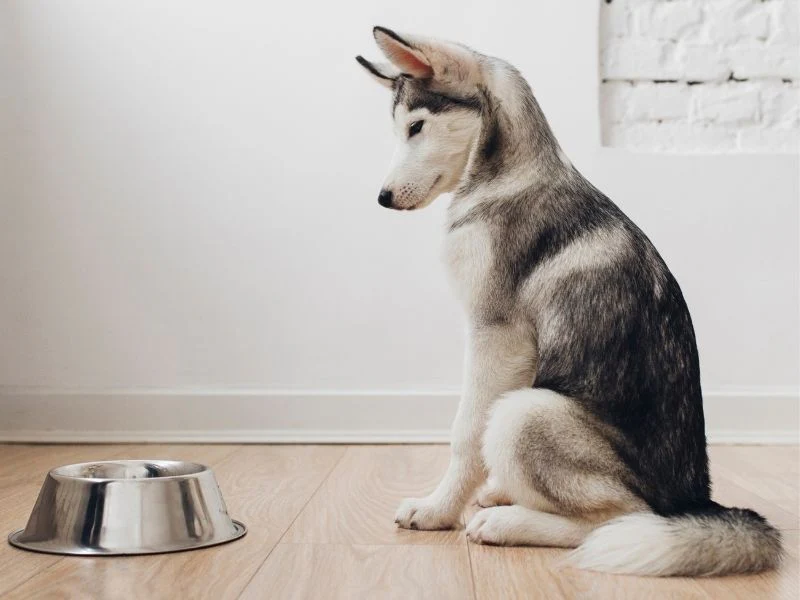
Why won’t my dog drink water? If you are asking this question, you are not alone. Thousands of dog owners notice a sudden drop in their dog’s water intake every day.
Hydration is not optional for dogs — it keeps their organs working, regulates body temperature, and supports every vital function.
Whether it has been a few hours or a full day, a dog refusing water is a signal that something needs your attention.
How Much Water Should a Dog Drink Per Day?
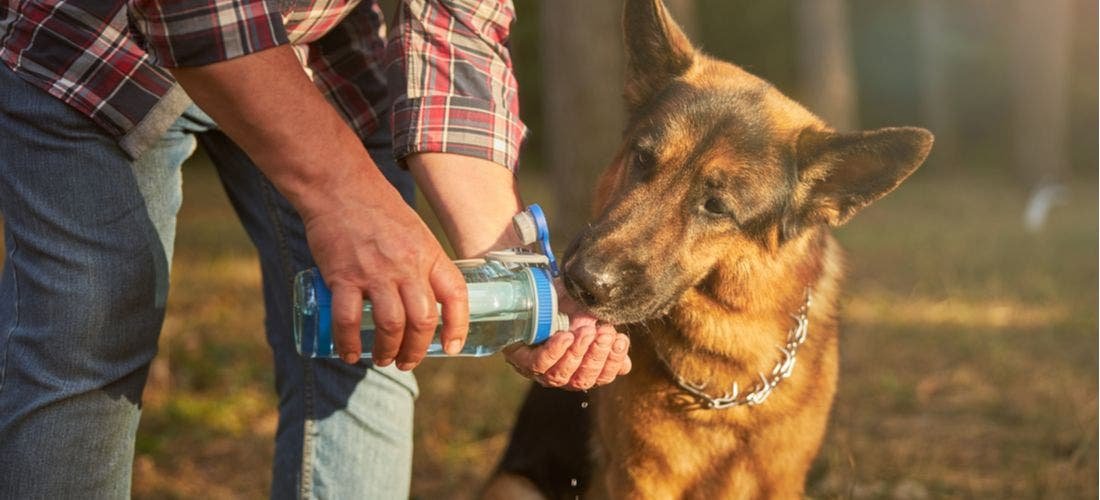
The standard guideline is one ounce of water per pound of body weight per day. A 50-pound dog should drink about 50 ounces (roughly 6 cups) daily.
This amount goes up after exercise, in hot weather, or when a dog eats dry kibble instead of wet food.
| Dog Weight | Daily Water Needs (Approx.) |
|---|---|
| 10 lbs | 10 oz (1.25 cups) |
| 25 lbs | 25 oz (3 cups) |
| 50 lbs | 50 oz (6 cups) |
| 75 lbs | 75 oz (9 cups) |
| 100 lbs | 100 oz (12.5 cups) |
Puppies and nursing mothers need even more water than the average adult dog.
Signs Your Dog Is Dehydrated
Spotting dehydration early can prevent a minor problem from turning into an emergency. Watch for these warning signs.
Physical Signs to Check Right Now
Dry or sticky gums — Healthy dog gums are moist and pink. Dry or tacky gums are one of the first signs of dehydration.
Skin elasticity test — Gently pinch the skin on the back of your dog’s neck and release. In a hydrated dog, skin snaps back immediately. If it returns slowly or stays tented, your dog is likely dehydrated.
Sunken eyes — Eyes that look dull or sunken into their sockets indicate significant fluid loss.
Behavioral Signs to Watch For
Lethargy — A dog that suddenly wants to lie around and has no interest in normal activities may be dehydrated.
Loss of appetite — Dehydration and loss of appetite often appear together because nausea accompanies fluid loss.
Dark yellow urine — Concentrated, dark urine is a clear sign that your dog is not getting enough water.
Excessive panting — Dogs regulate temperature through panting, which increases fluid loss. A dog that is panting heavily and not drinking is at serious risk.
| Severity Level | Symptoms | Action |
|---|---|---|
| Mild | Dry gums, slight lethargy | Encourage drinking, monitor closely |
| Moderate | Skin tenting, dark urine, low appetite | Offer broth or wet food, call vet |
| Severe | Sunken eyes, collapse, vomiting | Emergency vet visit immediately |
Top Reasons Why Your Dog Won’t Drink Water
1. Illness or Underlying Medical Condition
When a dog won’t drink water suddenly, illness is the most common medical culprit. Conditions like kidney disease, liver disease, and diabetes can all alter a dog’s thirst signals.
Parvo, distemper, and other viral infections can cause nausea that makes drinking uncomfortable. Dogs with pain anywhere in their body often reduce food and water intake.
2. Dental Pain or Oral Problems
A dog with a cracked tooth, gum disease, or an oral abscess may avoid the water bowl because drinking hurts. You might notice your dog approaching the bowl but backing away without drinking.
Check your dog’s mouth for swelling, redness, or broken teeth. Dental disease is extremely common in dogs over age three and is a frequently overlooked cause.
3. Anxiety and Stress
Dogs that experience anxiety — whether from a recent move, new pet, loud noises, or a change in routine — often stop eating and drinking. Stress disrupts normal behavioral patterns, including the urge to drink.
A dog that was startled near the water bowl may also develop a negative association with that specific spot or bowl.
4. Old Age
Senior dogs naturally experience a decline in thirst sensation. Older dogs may also have joint pain that makes walking to the water bowl uncomfortable, particularly if the bowl is in an inconvenient location.
If your senior dog is drinking less, it is worth having a full veterinary checkup to rule out conditions like kidney failure or Cushing’s disease.
5. Change in Environment or New Location
Dogs have an extremely sensitive sense of smell. Water that smells different — such as tap water in a new city, well water, or water from an unfamiliar bowl — can cause a dog to refuse it entirely.
If you have recently moved or are traveling, try bringing water from home or using a filtered water source until your dog adjusts.
6. Dirty or Stale Water Bowl
Dogs prefer fresh, clean water. A bowl that has not been washed in a few days can develop a slimy biofilm that most dogs find repulsive.
Wash your dog’s water bowl daily with soap and hot water. Stainless steel or ceramic bowls are easier to keep clean than plastic bowls, which can harbor bacteria in small scratches.
7. Bad-Tasting or Contaminated Water
If your tap water has a strong chlorine or mineral smell, your dog may reject it. Some dogs are very sensitive to taste and odor changes in their water supply.
Try offering filtered or bottled water briefly to see if your dog responds. If they drink readily from a different water source, the problem is with the water quality at home.
8. Medication Side Effects
Certain medications can reduce a dog’s appetite and thirst as a side effect. If your dog recently started a new medication and stopped drinking, that is important information for your vet.
Never stop prescribed medications on your own — contact your vet to discuss the side effects and possible alternatives.
9. Weather and Season Changes
Dogs drink less in cool weather because they are not panting or losing as many fluids as they do in summer. A drop in water intake during autumn or winter is often completely normal.
However, if your dog is drinking less than half of their usual daily amount regardless of season, that warrants attention.
10. Nausea or Digestive Upset
A dog that has eaten something that disagrees with their stomach — including spoiled food, garbage, or toxic plants — will often stop drinking first before vomiting or showing other symptoms.
Nausea is one of the earliest signs of poisoning. If you suspect your dog ate something toxic, treat the reduced water intake as an emergency signal and call your vet immediately.
Medical Conditions That Cause Dogs to Stop Drinking Water
Some diseases directly interfere with a dog’s ability to regulate thirst. These include:
| Condition | Effect on Water Intake | Other Symptoms |
|---|---|---|
| Kidney Disease | Reduces thirst signals | Weight loss, vomiting, lethargy |
| Cushing’s Disease | Can cause excessive OR reduced thirst | Pot belly, hair loss, skin changes |
| Diabetes | Can cause increased OR decreased intake | Frequent urination, weight loss |
| Parvo | Causes severe dehydration | Bloody diarrhea, vomiting, lethargy |
| Liver Disease | Nausea reduces intake | Jaundice, loss of appetite |
| Bladder Infection | Painful urination discourages drinking | Frequent urination, blood in urine |
| Addison’s Disease | Disrupts electrolyte balance | Weakness, vomiting, shaking |
If your dog is exhibiting any additional symptoms alongside reduced water intake, a vet appointment is not optional — it is urgent.
Puppy Won’t Drink Water? What You Need to Know
Puppies are more vulnerable to dehydration than adult dogs because their bodies contain more water by proportion and they cannot compensate as quickly.
A puppy that goes longer than 6 to 8 hours without drinking needs to be seen by a vet. Puppies can become critically dehydrated within 24 hours.
Common Reasons Puppies Stop Drinking
Weaning transition — Puppies switching from mother’s milk to water and solid food sometimes take a few days to start drinking water independently. This is normal within the first week of weaning but should resolve quickly.
Stress from a new home — A newly adopted puppy may not eat or drink for 12 to 24 hours due to the overwhelming change in environment. Offer water frequently and keep the environment calm.
Illness — Parvo is especially dangerous in puppies and causes rapid dehydration. If a puppy is vomiting, has diarrhea, or is extremely lethargic alongside not drinking water, this is an emergency.
How to Get Your Dog to Drink More Water
If your dog is mildly resistant to drinking but not showing emergency symptoms, try these proven strategies.
Clean the Bowl
Wash the water bowl thoroughly every single day. Replace water at least twice daily to keep it fresh. Dogs notice stale water and will often wait for a refill rather than drink from a bowl that has been sitting for hours.
Try a Different Bowl Material
Some dogs refuse plastic bowls due to odor or taste transfer. Switching to stainless steel or ceramic can make a noticeable difference.
Change the Bowl Location
If your dog seems hesitant to approach the water bowl, try moving it to a different location. This is especially useful if something startled your dog near the bowl recently.
Add Low-Sodium Chicken or Bone Broth
Adding a small amount of low-sodium chicken broth or bone broth to the water can entice a reluctant drinker. The smell and taste encourage hydration without adding excessive salt.
Offer Wet Food
If your dog eats dry kibble, switching temporarily to wet food or adding water to dry food increases their daily water intake significantly. Wet food is approximately 75% water.
Use a Pet Fountain
Many dogs prefer moving water. A pet water fountain provides constant circulation that keeps water fresh, oxygenated, and at a more appealing temperature. Studies and anecdotal reports from vets frequently note that fountain-resistant dogs start drinking more once a fountain is introduced.
Offer Ice Cubes
Some dogs enjoy chewing on ice cubes, especially in warm weather. This is an easy and fun way to add hydration, particularly for dogs who are bored with their bowl.
Flavor the Water with Dog-Safe Additions
A small splash of unsweetened watermelon juice, coconut water, or low-sodium beef broth can make water more appealing. Avoid anything with added sugar, xylitol, or artificial sweeteners — these are toxic to dogs.
When to Call a Vet
Not every case of a dog refusing water requires a trip to the emergency room. But some situations are genuinely urgent.
Call or Visit a Vet Immediately If:
- Your dog has not drunk any water in more than 24 hours
- Your dog is vomiting alongside not drinking
- You notice bloody diarrhea or blood in the urine
- Your dog is extremely lethargic or unresponsive
- Your dog’s gums are pale, white, blue, or bright red
- You suspect your dog ate something toxic or poisonous
- Your puppy has not drunk water in more than 6 to 8 hours
- Your dog is panting excessively and refusing water in hot weather
Monitor Closely At Home If:
- The reduction in drinking started within the past 12 hours
- There are no other symptoms present
- Weather has recently changed to cooler temperatures
- Your dog just moved to a new home or new water source
When in doubt, call your vet. A quick phone call describing the symptoms can help you determine whether an in-person visit is needed right away or if you can safely monitor for another few hours.
What the Vet Will Do
When you bring your dog in for not drinking water, expect the following:
Physical examination — The vet will check gum moisture, skin elasticity, heart rate, and temperature to assess the level of dehydration.
Blood work — A complete blood count and chemistry panel can identify kidney disease, liver problems, infections, and metabolic disorders.
Urinalysis — Checking the concentration of urine helps the vet understand how dehydrated the dog is and whether there is a urinary tract infection.
IV or subcutaneous fluids — If your dog is moderately to severely dehydrated, the vet will administer fluids either intravenously or under the skin to rehydrate them safely.
Imaging — An X-ray or ultrasound may be performed if a blockage, tumor, or abdominal issue is suspected.
Preventing Dehydration in Dogs Long-Term
A few simple daily habits dramatically reduce the risk of your dog becoming dehydrated.
Always have multiple water bowls available in different rooms. Place one bowl near where your dog sleeps and another near where they eat.
Clean bowls daily. Bacteria and biofilm build up faster than most owners realize, and dogs avoid contaminated water instinctively.
Take water with you on walks and hikes. Collapsible travel bowls are inexpensive, lightweight, and worth having in your bag on any outing longer than 20 minutes.
During summer, offer water before, during, and after any outdoor activity. Dogs can overheat and become severely dehydrated within minutes in extreme heat.
Watch for early dehydration signs after illness, vomiting, or diarrhea episodes. These cause rapid fluid loss and your dog may need encouragement or vet intervention to rehydrate properly.
Frequently Asked Questions (FAQs)
How long can a dog go without drinking water?
Most healthy adult dogs can survive up to 72 hours without water, but serious health problems begin within 24 hours. Always seek vet help if your dog has gone 24 hours without drinking.
Why is my dog not drinking water but eating food?
A dog eating but not drinking could indicate a dental issue, a dislike of the water source, or early-stage illness. Monitor closely and contact your vet if it persists beyond 24 hours.
Why won’t my puppy drink water?
Puppies may resist water during the weaning transition or after a move to a new home. If a puppy goes more than 6 to 8 hours without drinking, call your vet right away.
Can a dog get enough water from wet food alone?
Wet food is about 75% water and does contribute significantly to hydration, but most dogs still need access to fresh water in addition to a wet food diet.
Is it normal for dogs to drink less in winter?
Yes, dogs typically drink less in cooler weather because they lose less fluid through panting. However, they should still be drinking daily. Zero intake is never normal regardless of season.
My dog drinks from puddles but won’t drink from the bowl — why?
Puddle water often has outdoor scents and minerals that dogs find appealing. Try using a filtered water source or adding a small amount of broth to the bowl to make it more enticing.
What can I add to my dog’s water to encourage drinking?
Low-sodium chicken broth, bone broth, or a splash of unsweetened coconut water are safe additions. Avoid anything with xylitol, garlic, onion, or added sugar.
Could anxiety cause my dog to stop drinking water?
Yes. Stress and anxiety are well-documented causes of reduced food and water intake in dogs. A change in environment, new pets, or loud noises can all trigger this response.
When is a dog not drinking water a sign of an emergency?
It becomes an emergency when combined with vomiting, bloody diarrhea, lethargy, pale gums, collapse, or suspected poisoning. Any puppy not drinking for over 6 to 8 hours is also an emergency.
How do I do the dehydration skin test on my dog?
Gently pinch a small fold of skin at the back of the neck or between the shoulder blades and release. Healthy skin snaps back in under one second. Slow return or skin that stays tented signals dehydration.
Conclusion
If your dog won’t drink water, it is your body’s natural alarm going off — and it is right to listen. Most of the time the cause is something simple: a dirty bowl, unfamiliar water, seasonal temperature changes, or mild stress.
A quick fix like cleaning the bowl, switching water sources, or adding broth is all it takes. But in some cases — illness, dental pain, poisoning, or serious medical conditions — reduced water intake is your first and clearest warning sign.
The golden rule is simple: if your dog has not had any water in 24 hours, or if any other symptoms are present, call your vet.
Hydration is not negotiable for a healthy dog, and early action always leads to better outcomes. Keep the water bowl clean, keep it full, and keep watching your dog for the subtle signs that something might be off.


