

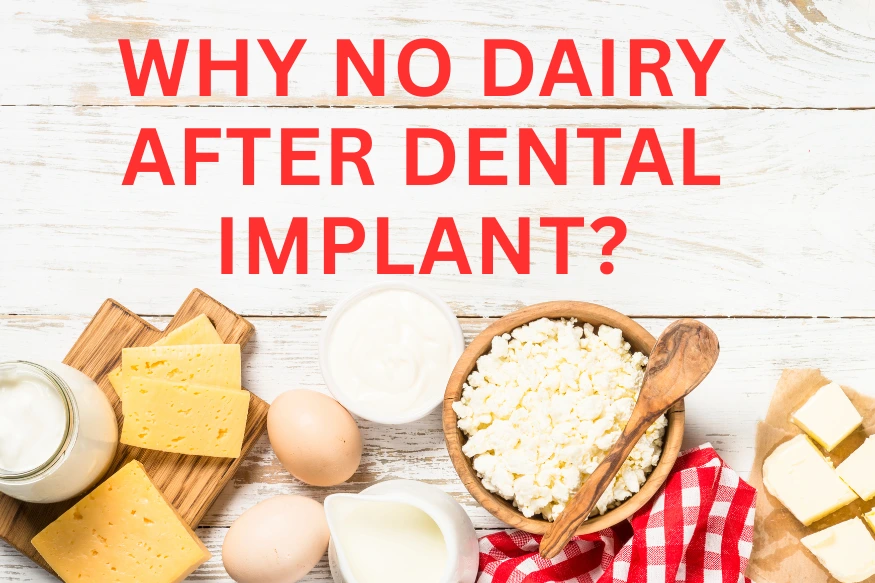
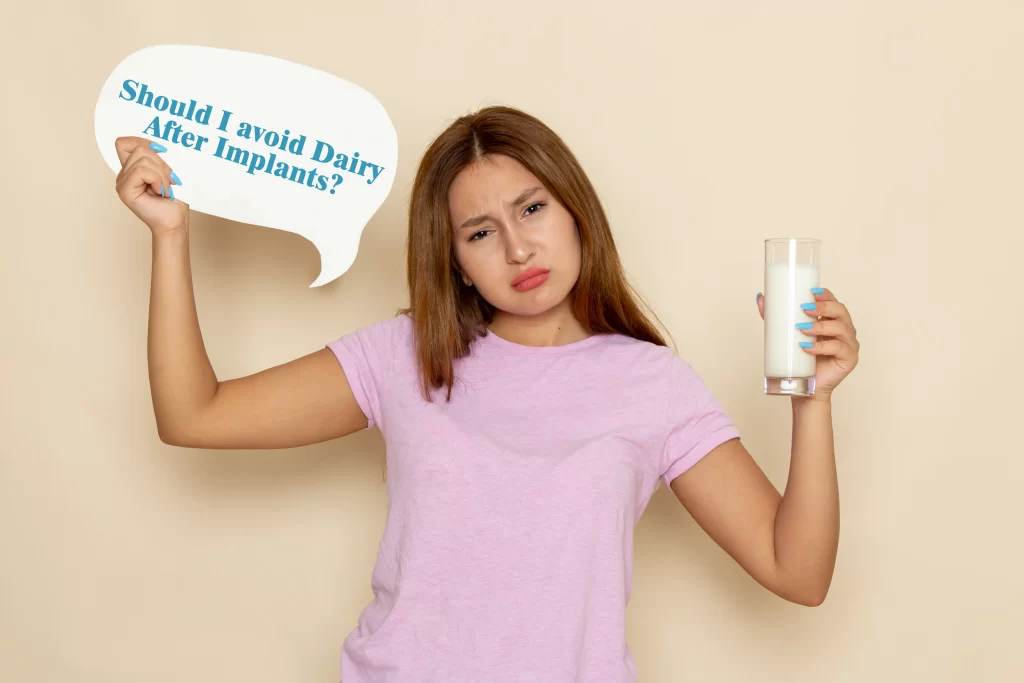
Why no dairy after dental implant surgery is one of the most common questions patients ask when they leave the clinic with a list of post-operative instructions.
Dairy seems harmless — soft, nutritious, even comforting. Yet dentists and oral surgeons consistently advise patients to avoid it for the first 24 to 72 hours after the procedure.
The reasons are more scientific than most people expect. From bacterial risks and antibiotic interference to mucus production and nausea after anesthesia, each reason has a direct impact on how well your implant heals.
What Happens Inside Your Mouth After Dental Implant Surgery
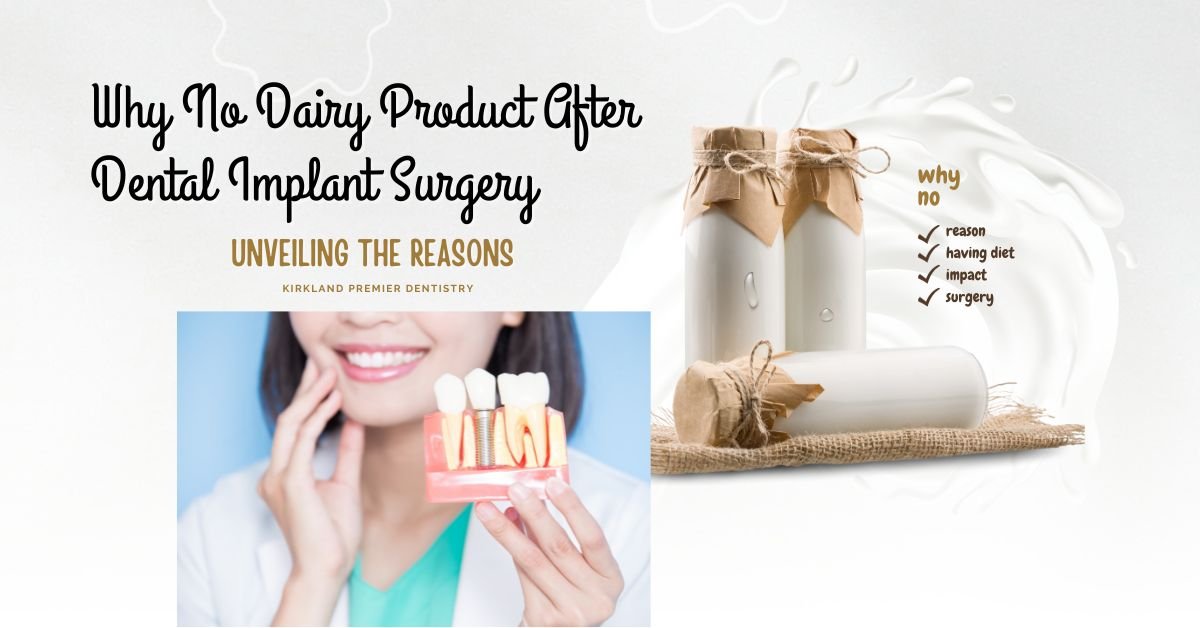
To understand the dairy restriction, you first need to understand what is happening in your mouth immediately after implant placement.
When a dental implant is surgically inserted into your jawbone, your body treats the site as a wound. A blood clot forms immediately at the surgical site, acting as a natural barrier and the biological foundation for new tissue growth.
This clot is fragile. Any disruption — physical pressure, temperature changes, bacterial activity, or food residue — can slow healing, cause infection, or lead to complications like implant failure.
The implant also needs to go through a process called osseointegration. This is where the titanium implant post gradually bonds with the jawbone over several months, creating the permanent foundation your artificial tooth rests on. Everything you eat during early recovery either supports or disrupts this process.
What Is Osseointegration and Why Does Diet Matter?
Osseointegration is the biological process where living bone cells grow around and fuse with the surface of the titanium implant post. It is what gives dental implants their remarkable long-term stability and is the single most important process in your entire recovery.
The first 24 to 72 hours after surgery are the most critical window for this process to begin properly. During this period, the implant site is at its most vulnerable to infection, inflammation, and disruption.
Diet directly influences the healing environment around the implant. Foods that promote bacterial growth, cause inflammation, interfere with medications, or disturb the surgical site all have the potential to compromise osseointegration.
This is the broader context in which the dairy restriction makes complete sense.
Why No Dairy After Dental Implant Surgery: The 6 Key Reasons
1. Dairy Can Trigger Nausea After Anesthesia
The most immediate and practical reason for the dairy restriction is its interaction with anesthesia and sedation medications. Most dental implant procedures involve some form of local anesthesia, conscious sedation, or general anesthesia.
Dairy products — particularly milk, ice cream, yogurt, and cheese — can feel heavy on the stomach when the body is still processing these medications. If nausea develops, the resulting vomiting can place significant stress and physical pressure directly on the fresh surgical site.
Vomiting after surgery risks disturbing the blood clot, introducing acid to the healing wound, and irritating inflamed gum tissue. It is one of the fastest routes to post-operative complications.
For this reason alone, most care teams want patients to begin with the simplest possible liquids and avoid foods that are likely to upset the stomach during the earliest hours of recovery.
2. Dairy Interferes With Antibiotic Absorption
After dental implant surgery, most oral surgeons and dentists prescribe a course of antibiotics to prevent infection. This is particularly important during the first few days when the implant site is most exposed and vulnerable.
Here is where dairy creates a direct chemical problem. Dairy products are known to interfere with the absorption of certain antibiotic classes — particularly tetracyclines such as doxycycline and some broad-spectrum antibiotics commonly prescribed after oral surgery.
The calcium in dairy binds to the antibiotic compound in the digestive tract, forming an insoluble complex that the body cannot absorb effectively. The result is that your medication may not reach the bloodstream in full concentrations, reducing its ability to prevent the infection it was prescribed to fight.
This antibiotic interaction is one of the most clinically significant reasons to avoid dairy immediately after implant surgery, and it is specifically tied to the window during which you are actively taking the prescribed medication.
3. Dairy Promotes Bacterial Growth Around the Implant
Dairy products contain lactose, a natural sugar. While most healthy adults digest lactose without issue in normal circumstances, the oral environment after surgery is not normal.
The bacteria naturally present in your mouth consume sugars like lactose and produce acid as a byproduct. In a healthy mouth, saliva neutralises this acid continuously. However, after surgery, the healing site is compromised and your ability to clean your mouth is intentionally restricted to avoid disturbing the implant.
This creates conditions where bacterial activity around the implant can escalate. Increased acid around the implant site irritates tender gum tissue, slows the healing process, and creates an environment far more hospitable to the kind of bacterial growth that leads to infection.
Dairy residue — particularly from thick products like yogurt, cheese, and milk — also tends to cling to the tissues around the implant site. This residue is harder to rinse away gently, especially during the early post-operative period when aggressive rinsing is discouraged.
4. Dairy Increases Mucus Production
One of the lesser-known but physiologically significant effects of dairy consumption is its ability to stimulate mucus production in some people. This happens because proteins in dairy can trigger the body to produce thicker, stickier mucus in the mouth and throat.
After oral surgery, increased mucus is genuinely problematic. Mucus around the surgical site can coat the healing wound, creating a sticky layer that traps food particles and, more critically, bacteria.
When bacteria become trapped in this mucus layer against a healing implant wound, they can form a biofilm — a structured, highly resistant community of microorganisms that is far more difficult for your immune system to combat than free-floating bacteria.
This biofilm formation is one of the most significant infection pathways after dental implant surgery, and dairy’s potential role in increasing mucus production makes it a meaningful risk factor, especially during the first 72 hours.
5. Dairy Can Cause or Worsen Inflammation
Dental implant recovery already involves a controlled inflammatory response — the body’s natural first step in the healing process. However, excessive or prolonged inflammation is harmful, causing pain, swelling, and slowed tissue repair.
For some patients, dairy products can contribute to a mild but measurable inflammatory response in oral tissues. The proteins and fats present in milk, cheese, and yogurt may slow the resolution of post-surgical inflammation in susceptible individuals.
Any dietary factor that prolongs the inflammatory phase of recovery translates directly into more discomfort, more swelling, and a longer overall healing time.
This is particularly relevant for patients with pre-existing conditions such as diabetes, immune disorders, or chronic inflammation, where the body’s healing response is already compromised.
6. Sticky Dairy Products Can Physically Disturb the Implant Site
Some dairy products — thick yogurt, cheese, cream, and ice cream in particular — have a sticky, adhesive quality that can physically cause problems at the surgical site.
Sticky foods can dislodge or disturb the blood clot that protects the healing wound. In the context of tooth extraction and dental surgery, a dislodged blood clot can lead to a condition called dry socket — an extremely painful exposure of the underlying bone that significantly delays healing.
Even without dislodging the clot entirely, sticky residue settling around the implant site is difficult to clear, provides an attachment surface for bacteria, and can physically irritate the inflamed gum tissue.
Thick dairy products have enough adhesive quality to pose this risk, particularly in the first 24 to 48 hours when the blood clot is at its most fragile.
How Long Should You Avoid Dairy After Dental Implant Surgery?
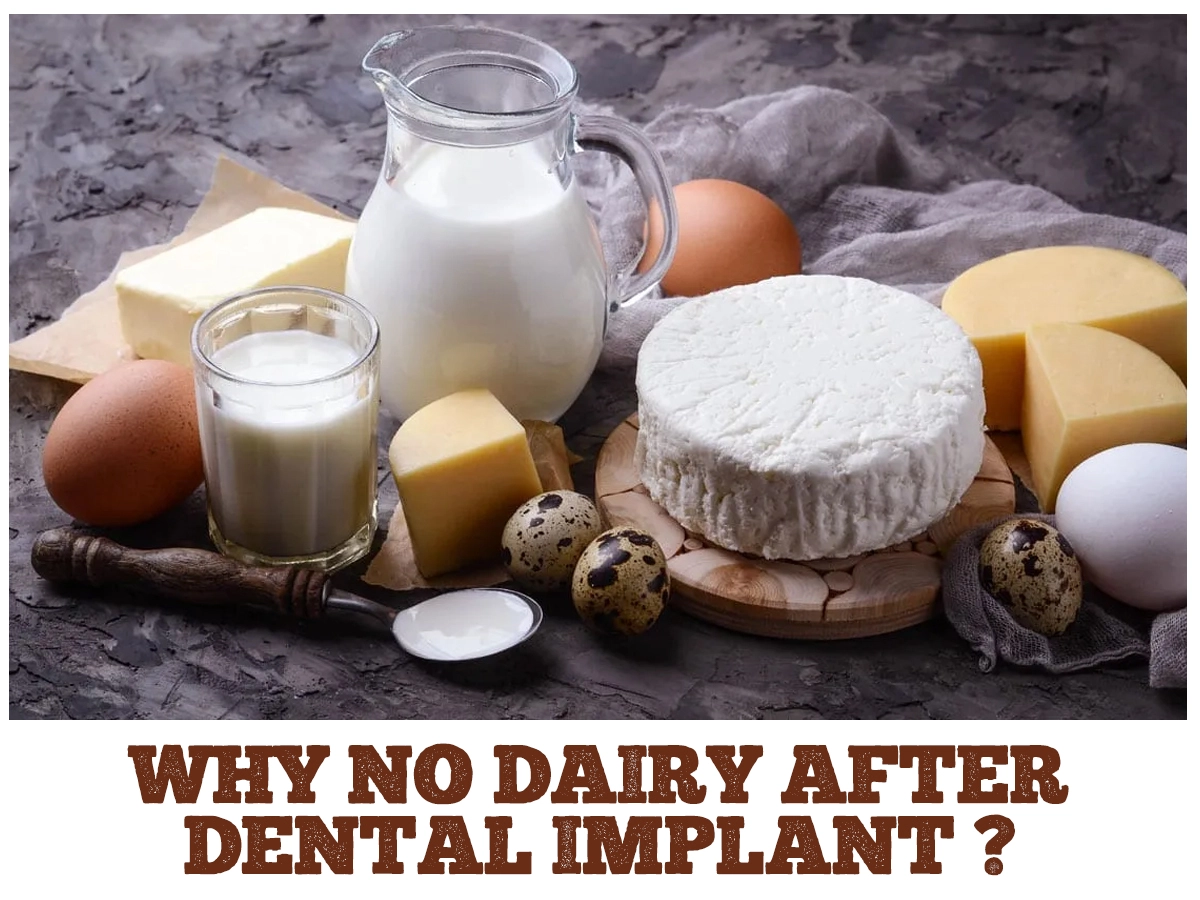
Most oral surgeons and implant dentists recommend avoiding dairy for a specific window of time. That window varies between practitioners and patient circumstances, but the most commonly cited ranges are:
| Restriction Period | Clinical Context |
|---|---|
| 24–48 hours | Minimum restriction; most common for straightforward single implant placements |
| 48–72 hours | Standard recommendation for most implant procedures with antibiotic prescription |
| Up to 1 week | Recommended for complex procedures, multiple implants, or bone grafting |
| As directed | Always defer to your specific dentist or oral surgeon’s post-operative instructions |
The first 72 hours are consistently identified across all major oral surgery guidelines as the most critical window for protecting the implant site. This is when the blood clot is most fragile, bacterial risk is highest, antibiotics are being most actively used, and osseointegration is just beginning.
After this window, most dairy products can be gradually reintroduced — starting with smooth, room-temperature options like plain yogurt rather than cold, thick, or sugary dairy products.
Always confirm the specific timeline with your dental team, as recovery instructions are not one-size-fits-all.
The Complete Dental Implant Recovery Diet Timeline
Understanding what to eat at each stage of recovery helps you plan your meals and avoid accidental setbacks.
| Recovery Stage | Timeframe | What to Eat | What to Avoid |
|---|---|---|---|
| Immediate post-op | First 24 hours | Cool water, ice chips, thin broths, apple juice | All solid food, dairy, hot drinks, straws |
| Early recovery | Days 1–3 | Pureed soups, mashed potatoes, scrambled eggs, smoothies (no straw) | Dairy, hot food, alcohol, smoking, straws |
| Initial soft diet | Days 3–7 | Soft fish, well-cooked pasta, oatmeal, avocado, bananas | Crunchy, spicy, sticky, hard, or chewy foods |
| Advancing soft diet | Weeks 1–4 | Soft meats, tofu, cooked vegetables, rice, soft bread | Raw vegetables, hard fruits, nuts, chips |
| Semi-normal diet | Weeks 4–8 | Most soft foods; gradually reintroduce firmer options | Chewing directly on implant site |
| Normal diet | 3–6 months (post-osseointegration) | Most foods after dentist confirms full integration | Nothing long-term; monitor as advised |
Note: Dairy can typically be reintroduced carefully from Day 3–5 onwards, beginning with plain, smooth, room-temperature yogurt, once the antibiotic window and immediate post-operative risk period have passed.
Foods to Eat Instead of Dairy During Early Recovery
Avoiding dairy for 48 to 72 hours does not mean giving up on nutrition, comfort, or even flavour. There are many excellent alternatives that provide the same nutrients — calcium, protein, and vitamins — without the risks associated with dairy during early healing.
Protein sources: Scrambled eggs, well-mashed beans, smooth hummus, soft tofu, pureed chicken, and protein-enriched smoothies all provide substantial protein for tissue repair without any of the dairy-related complications.
Calcium alternatives: Fortified almond milk, oat milk, and soy milk all provide calcium and vitamin D without lactose or the mucus-stimulating proteins found in cow’s milk. Leafy greens like spinach and kale — blended into smoothies — are also rich in calcium.
Comfortable soft foods: Mashed potatoes, smooth soups, ripe bananas, soft avocado, oatmeal made with water, pureed fruit, Jell-O, and pudding made without milk all offer gentle, easy-to-eat options.
Hydration: Room-temperature water is the single best post-operative beverage. Staying well hydrated promotes healing, keeps the mouth clean, and reduces the risk of dry socket. Avoid straws entirely — the suction can destabilise the blood clot.
What Can You Eat and Avoid: Quick Reference
| Safe Foods (First 72 Hours) | Foods to Avoid (First 72 Hours) |
|---|---|
| Room-temperature water | Any dairy (milk, yogurt, cheese, ice cream) |
| Thin vegetable or chicken broth | Hot drinks |
| Mashed potatoes (lukewarm) | Carbonated drinks |
| Scrambled eggs | Alcohol |
| Smooth hummus | Coffee with cream |
| Pureed fruit | Crunchy or hard foods |
| Oatmeal (with water) | Spicy foods |
| Fortified almond or oat milk | Raw vegetables |
| Soft avocado | Sticky sweets or caramel |
| Smoothies (no straw) | Straws of any kind |
| Jell-O or smooth pudding | Smoking or vaping |
Other Important Recovery Rules Beyond Diet
Diet is critical, but it is only one part of successful implant recovery. Several other behaviours directly impact your healing outcome.
No smoking or vaping. Smoking is the single biggest preventable risk factor for dental implant failure. Nicotine restricts blood flow to the surgical site, dramatically slowing healing and increasing infection risk. Most oral surgeons advise stopping smoking for at least two weeks before and after the procedure.
No straws. The sucking motion created by using a straw generates negative pressure in the mouth that can directly dislodge the blood clot protecting your surgical site. This applies to all liquids — water, juices, and smoothies alike.
No hot food or drinks for the first 48 hours. Heat increases blood flow to the surgical area, which can promote bleeding and swelling. Stick to room-temperature or cool foods and beverages.
No alcohol. Alcohol thins the blood, which can prolong bleeding. It also interacts with pain medications and antibiotics, reducing the effectiveness of your medications.
Gentle oral hygiene. Do not brush directly on or around the implant site for the first 24 hours. After that, use a soft-bristled toothbrush and rinse gently with warm salt water or the antiseptic rinse your dentist prescribed. Aggressive brushing near the implant site risks disrupting healing tissue.
Rest and avoid strenuous activity. Physical exertion raises blood pressure and heart rate, which can increase swelling and bleeding at the surgical site. Most dentists recommend 48 to 72 hours of reduced physical activity after the procedure.
What Happens If You Eat Dairy Too Soon?
This is one of the most common questions patients ask after accidentally consuming dairy before the recommended restriction period is over.
A single small exposure to dairy is unlikely to cause catastrophic harm. The risks described above are cumulative and most likely to become problematic through repeated or large-quantity exposure rather than a brief accidental consumption.
If you accidentally consume dairy in the first 24 to 72 hours, the recommended steps are to rinse your mouth gently with lukewarm salt water, avoid repeating the exposure, and monitor the surgical site carefully for any signs of increased swelling, pain, or unusual discharge.
Contact your oral surgeon or dentist if you notice any of the following warning signs after the first 24 hours: worsening pain rather than improving pain, significant swelling that is not reducing, fever, pus or unusual discharge from the implant site, or a foul taste in the mouth. These may indicate infection, which requires prompt professional attention.
Does Dairy Actually Cause Implant Failure?
It is important to address this question honestly, because some online sources overstate the risk significantly.
Dairy is not considered a common direct cause of dental implant failure. The scientific evidence on dairy’s specific impact on implant healing is limited, and current research has not definitively shown that dairy alone causes predictable wound-healing failure in most patients.
The restriction is a precautionary measure. It addresses several overlapping risk factors — antibiotic interference, bacterial proliferation, mucus production, nausea risk, and physical site disturbance — all of which are real but not guaranteed to cause failure on their own.
Implant failure is most commonly linked to smoking, uncontrolled diabetes, poor oral hygiene, infection, excessive pressure on the implant during early healing, and in some cases, patient-specific anatomical factors.
That said, following the dairy restriction is a low-cost, low-effort way to reduce several small but meaningful risks simultaneously. For a procedure that represents a significant investment of both money and time, eliminating preventable variables during the 72-hour critical window is straightforwardly sensible.
When Can You Start Eating Dairy Again?
Most patients can begin reintroducing dairy carefully from Day 3 to Day 5, provided the antibiotic course is being managed correctly and the initial healing appears to be progressing well.
The best dairy products to reintroduce first are plain, smooth, unsweetened yogurt at room temperature. Plain yogurt also contains probiotics that can support gut health during antibiotic use — a genuinely beneficial aspect of moderate yogurt consumption once the 72-hour restriction window has passed.
Avoid cold, thick, or sweetened dairy products for the first week. Ice cream, milkshakes, and cream-based foods should wait until the first week of recovery is complete and your dentist confirms things are healing normally.
Always confirm the reintroduction timeline with your specific dental provider, because advice will differ based on the complexity of your procedure, the medications prescribed, and how your recovery is progressing.
Frequently Asked Questions (FAQs)
Q1. Why no dairy after dental implant surgery?
Dairy can interfere with antibiotic absorption, promote bacterial growth at the implant site, stimulate mucus production, and trigger nausea after anesthesia — all of which can slow healing or risk infection.
Q2. How long should I avoid dairy after dental implant surgery?
Most dentists recommend avoiding dairy for 48 to 72 hours after surgery. Complex procedures involving bone grafting or multiple implants may require up to one week of dairy avoidance.
Q3. Can I eat yogurt after dental implant surgery?
Not in the first 48 to 72 hours. After the initial restriction period passes and your antibiotic course is underway, plain, smooth, room-temperature yogurt is usually the safest dairy product to reintroduce first.
Q4. Can dairy cause dental implant failure?
Dairy is not a confirmed direct cause of implant failure, but it can contribute to conditions that raise the risk — particularly antibiotic interference and bacterial activity. Most implant failures relate to smoking, infection, or uncontrolled health conditions.
Q5. What can I eat instead of dairy after dental implant surgery?
Fortified almond milk, oat milk, and soy milk provide calcium and protein without the risks. Scrambled eggs, smooth hummus, soft tofu, pureed soups, and mashed potatoes are all excellent nutritional alternatives.
Q6. Can I drink coffee after dental implant surgery?
Avoid coffee for the first 24 to 48 hours. Hot beverages increase blood flow and can promote bleeding and swelling. After that window, warm (not hot) coffee is generally acceptable but skip the cream or milk initially.
Q7. Why does dairy interfere with antibiotics after implant surgery?
Calcium in dairy binds to certain antibiotic compounds — particularly tetracyclines like doxycycline — in the digestive tract, reducing how much of the medication your body can absorb, which may compromise infection prevention.
Q8. Can I use dairy-free milk alternatives after dental implant surgery?
Yes. Non-dairy milk alternatives like almond, oat, or soy milk are generally safe after surgery as long as they are not ice cold, consumed without a straw, and not excessively sweetened.
Q9. What happens if I accidentally eat dairy after dental implant surgery?
A small accidental exposure is unlikely to cause serious harm. Rinse gently with warm salt water, avoid repeating it, and monitor the site for signs of increased swelling or pain. Contact your dentist if symptoms worsen.
Q10. What other foods should I avoid after dental implant surgery?
Avoid hard, crunchy, sticky, spicy, and very hot foods. Also avoid straws, alcohol, smoking, and carbonated drinks during the early recovery period, as all of these can disrupt healing or increase infection risk.
Conclusion
Why no dairy after dental implant surgery comes down to six overlapping biological and practical reasons — nausea risk after anesthesia, direct interference with antibiotic absorption, bacterial and lactose-related acid production, mucus stimulation, inflammatory potential, and the physical stickiness of certain dairy products near a vulnerable surgical site.
None of these individually guarantees a problem, but together they represent a cluster of preventable risks that are easily avoided with a 48 to 72 hour dietary adjustment.
Your dental implant is a long-term investment in your oral health, your confidence, and your quality of life. The recovery window is short.
Skipping dairy for a few days, choosing smart alternatives, following your dentist’s specific instructions, and protecting the surgical site in every way possible gives your implant the best possible start — and the greatest chance of lasting a lifetime.


