


Why isn’t my heat working in my car? In most cases, it comes down to one of a handful of common issues: low coolant, a stuck thermostat, a failing blower motor, or a blocked heater core.
Your car’s heating system relies on hot engine coolant, a functioning fan, and clear airflow to warm the cabin, so a problem in any of these parts can leave you stuck with cold or weak air. The good news is that most causes are easy to diagnose and often cheaper to fix than people expect.
How Your Car’s Heating System Works

Your car’s heater relies on hot coolant that circulates through the engine.
This hot coolant flows into a small radiator-like part called the heater core.
A blower fan pushes air across the heater core, sending warm air into the cabin through the vents.
If any part of this cycle is interrupted, you’ll notice weak, cold, or inconsistent heat.
Common Reasons Your Car Heat Isn’t Working
Several issues can disrupt this simple but essential heating cycle.
| Cause | Why It Happens |
|---|---|
| Low coolant level | Not enough hot fluid reaches the heater core |
| Stuck thermostat | Engine doesn’t reach proper temperature for heat |
| Faulty blower motor | Fan fails to push warm air into the cabin |
| Blown fuse or bad resistor | Blower motor loses power or speed control |
| Clogged heater core | Blocked coolant flow reduces heat output |
| Air pocket in coolant system | Trapped air prevents proper coolant circulation |
| Faulty heater control valve | Hot coolant isn’t directed into the cabin properly |
| Clogged cabin air filter | Restricted airflow reduces heat reaching vents |
Low Coolant: The Most Common Cause
Coolant carries heat from your engine to the heater core, where it warms the air blown into your cabin.
When coolant levels drop too low, not enough hot fluid reaches the heater core to produce warm air.
Low coolant often points to a leak somewhere in the cooling system rather than normal fluid loss.
Simply topping off coolant without finding the leak’s source is only a short-term fix.
How to Check Your Coolant Level
Locate the coolant reservoir under the hood, usually a semi-transparent plastic tank.
Check the fluid level against the “min” and “max” markings printed on the side of the tank.
If the level is low, top it off with the coolant type recommended for your specific vehicle.
Always check coolant level when the engine is cool to avoid burns from hot fluid or steam.
Signs of a Coolant Leak
A sweet smell inside or outside the car can indicate leaking coolant.
Puddles of green, orange, or pink fluid under your parked car are a clear warning sign.
Frequently needing to top off coolant is another strong indicator of an underlying leak.
If you notice these signs, a mechanic should inspect the system before more damage occurs.
The Thermostat: A Small Part With a Big Job
The thermostat controls how coolant flows through your engine as it warms up.
If it’s stuck open, your engine may never reach the temperature needed to produce hot air.
If it’s stuck closed, the engine can overheat, which creates a more serious and urgent problem.
A faulty thermostat is one of the most common and relatively inexpensive parts to replace.
Table: Thermostat Stuck Open vs Stuck Closed
| Issue | What Happens | Urgency |
|---|---|---|
| Stuck open | Engine runs cooler than normal, weak or no heat | Moderate, fix soon |
| Stuck closed | Engine overheats, risk of serious damage | High, address immediately |
Blower Motor Problems
The blower motor is the fan responsible for pushing warm air through your vents.
If it fails, you may notice no airflow at all, even if the rest of the system works fine.
Blower motor issues can stem from electrical shorts, worn-out motors, or blown fuses.
A failing blower motor resistor can also cause the fan to only work on certain speed settings.
How to Test Your Blower Motor
Turn your fan to different speed settings and listen for airflow changes at each level.
If air only comes out on the highest setting, the blower motor resistor may be the issue.
If there’s no airflow at any setting, check the fuse box for a blown fuse first.
If the fuse is fine, the motor itself may need professional inspection or replacement.
Clogged Heater Core
The heater core can become clogged with rust, sediment, or old coolant residue over time.
A blockage reduces how much hot coolant reaches the core, weakening the heat output significantly.
Signs of a clogged heater core include a sweet smell, foggy windows, or heat that comes and goes.
Flushing the cooling system can sometimes resolve minor clogs before a full replacement is needed.
Air Pockets in the Cooling System
After coolant is added or the system is serviced, air can sometimes become trapped inside.
Trapped air pockets prevent coolant from circulating properly, weakening heat output.
Running the engine with the heater on max heat can help push trapped air out of the system.
If heat remains inconsistent afterward, a professional coolant system bleed may be necessary.
Heater Control Valve Issues
The heater control valve directs hot coolant into the heater core when you turn on the heat.
If this valve sticks or fails, hot coolant may not reach the core even if everything else works.
This issue often causes heat to be inconsistent or completely unavailable despite normal coolant levels.
Replacing a faulty control valve typically resolves this specific problem.
Clogged Cabin Air Filter
The cabin air filter cleans the air that passes through your vents, including heated air.
A clogged filter restricts airflow, making your heater seem weaker than it actually is.
This is one of the easiest and cheapest issues to check and fix yourself.
Replacing a cabin air filter typically takes just a few minutes with basic instructions.
Table: Symptoms and Likely Causes
| Symptom | Likely Cause |
|---|---|
| No airflow at all | Blown fuse or failed blower motor |
| Weak airflow | Clogged cabin air filter |
| Cold air only | Low coolant or stuck-open thermostat |
| Heat comes and goes | Clogged heater core or air pocket |
| Heat only while driving | Low coolant or weak water pump flow |
| Sweet smell inside car | Coolant leak, possibly from the heater core |
Why Heat Sometimes Only Works While Driving
At idle, your engine may not generate enough heat or coolant flow to keep the cabin warm.
While driving, increased engine speed and airflow can temporarily mask a weak heater core or low coolant issue.
This pattern often points to marginal coolant levels or an aging water pump rather than a full failure.
Addressing the root cause now can prevent a complete loss of heat later.
DIY Checks You Can Do at Home
Step One: Check Coolant Level
Open the hood once the engine has cooled and locate the coolant reservoir.
Compare the fluid level to the minimum and maximum markings on the tank.
Top off with the correct coolant type if the level appears low.
Step Two: Inspect for Leaks
Look under your parked car for any colored fluid puddles.
Check hoses and connections near the engine for visible cracks or wet spots.
Note any sweet smell inside the cabin, which can indicate a heater core leak.
Step Three: Test the Blower Fan
Turn the fan through each speed setting and listen for airflow changes.
Note whether air only comes out at certain speeds or not at all.
Check your owner’s manual for the fuse box location if no air comes out.
Step Four: Check the Cabin Air Filter
Locate the cabin air filter, often behind the glove box.
Remove it and check for visible dirt, debris, or heavy discoloration.
Replace it if it looks clogged, since this is a simple and affordable fix.
Table: Estimated Repair Costs
| Repair | Estimated Cost Range |
|---|---|
| Cabin air filter replacement | $20-$50 |
| Coolant top-off | $10-$20 |
| Thermostat replacement | $150-$300 |
| Blower motor replacement | $200-$500 |
| Heater core replacement | $500-$1,000 |
| Heater control valve replacement | $150-$400 |
When to Fix It Yourself vs Call a Mechanic
Simple fixes like topping off coolant or replacing a cabin air filter are usually safe for most drivers to handle.
Thermostat and blower motor replacements can range from moderate to more involved, depending on your vehicle.
Heater core replacement is typically complex, often requiring significant dashboard disassembly best left to professionals.
If you’re unsure or uncomfortable with any step, a certified mechanic can safely diagnose and fix the issue.
Is It Safe to Drive Without Heat?
In most cases, driving without heat is uncomfortable but not immediately dangerous if your engine temperature stays normal.
However, if your car is overheating, losing coolant rapidly, or your windshield won’t stay clear, it’s best to stop.
A fogged or icy windshield without working defrost can create a real visibility hazard.
If safety is a concern, it’s best to have the issue inspected before continuing to drive regularly.
Table: Safe to Drive vs Needs Immediate Attention
| Situation | Safe to Continue Driving | Needs Immediate Attention |
|---|---|---|
| Cold air but normal engine temperature | Yes, though uncomfortable | No |
| Overheating engine | No | Yes |
| Rapid coolant loss | No | Yes |
| Windshield won’t defrost | Depends on visibility | Yes, if visibility is affected |
Preventing Future Heater Problems
Check coolant levels regularly, especially before the start of colder months.
Replace your cabin air filter on the schedule recommended in your owner’s manual.
Address small coolant leaks early before they lead to bigger cooling system problems.
Include heater system checks as part of routine seasonal maintenance visits.
Seasonal Maintenance Checklist for Your Heater
Inspect coolant levels and top off if needed before winter weather arrives.
Test your blower fan on all speed settings to catch issues early.
Replace an overdue cabin air filter to maximize airflow and heat output.
Schedule a cooling system flush if it’s been more than two years since the last one.
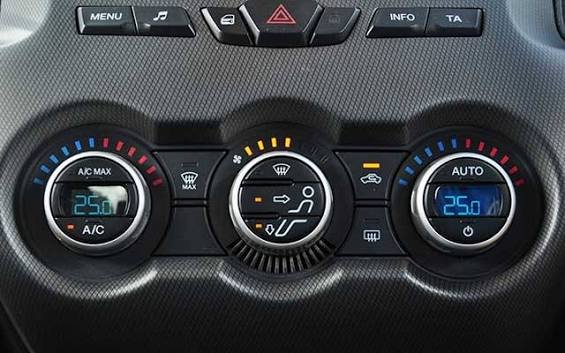
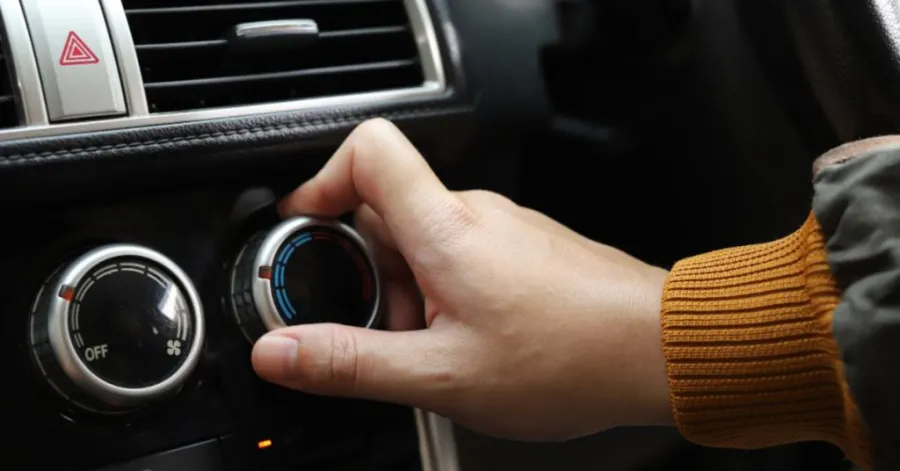
HVAC Control Panel Issues
Sometimes the problem isn’t the heating system itself, but the controls that operate it.
Faulty dials, switches, or computerized HVAC settings can prevent the heater from turning on correctly.
This can range from a simple blown fuse to more complex electrical wiring issues.
If your controls seem unresponsive or inconsistent, a professional diagnostic can pinpoint the exact cause.
Electrical Issues Behind Heater Failures
Modern vehicles rely on multiple electrical components to regulate heating, from sensors to control modules.
A blown fuse is one of the simplest electrical issues and is quick and inexpensive to replace.
More complex wiring problems may affect how the blower motor or control panel receives power.
A mechanic with proper diagnostic tools can trace electrical faults more accurately than guesswork at home.
Why Diagnosing the Root Cause Matters More Than Guessing
Because multiple components affect your car’s heat, symptoms often overlap between different causes.
For example, weak heat could stem from low coolant, a clogged filter, or a partially failed blower motor.
Attempting random fixes without proper diagnosis can waste time and money without resolving the actual issue.
A systematic check, starting with the simplest and cheapest possibilities, usually leads to a faster resolution.
How Weather and Climate Affect Heater Problems
Heater issues often become noticeable only once temperatures drop significantly in colder months.
A marginal problem, like slightly low coolant, may go unnoticed during warmer weather when heat isn’t needed.
This is why many drivers first discover heater problems unexpectedly during the season’s first cold snap.
Checking your heating system before winter arrives can help catch and fix issues proactively.
Older Cars vs Newer Cars: Common Differences
Older vehicles are more likely to develop heater core clogs due to years of coolant buildup and rust.
Newer cars often have more electronic HVAC controls, making electrical faults a more common cause of issues.
Regardless of age, coolant level and thermostat function remain leading causes across most vehicles.
Understanding your vehicle’s age and history can help narrow down likely causes more efficiently.
Table: Common Heater Issues by Vehicle Age
| Vehicle Age | More Common Causes |
|---|---|
| Older vehicles (10+ years) | Heater core clogs, coolant leaks, worn thermostats |
| Newer vehicles | Electrical faults, HVAC control module issues, sensor problems |
Why Regular Coolant Flushes Matter
Over time, coolant breaks down and can leave behind sediment and rust inside the cooling system.
This buildup can gradually clog the heater core and reduce overall heating efficiency.
A coolant flush every two to three years helps prevent this type of gradual blockage.
This simple maintenance step is often overlooked until heating problems become noticeable.
What Mechanics Typically Check First
Professional technicians usually start with the same basic checks recommended for at-home diagnosis.
They’ll verify coolant levels, check for visible leaks, and test the thermostat’s function.
Next, they’ll inspect the blower motor, fuses, and related electrical components.
This systematic approach helps them efficiently identify the true root cause without unnecessary part replacements.
Quick Recap Checklist
- Check coolant level and top off if needed
- Inspect for leaks under the car and near hoses
- Test the blower fan on all speed settings
- Replace the cabin air filter if it looks clogged
- Watch for a sweet smell, which may indicate a coolant leak
- Address a stuck-open or stuck-closed thermostat promptly
- Call a mechanic if the issue persists after basic checks
Keeping a Simple Maintenance Log
Writing down when you last checked coolant, replaced filters, or flushed the system helps you stay ahead of issues.
A simple log can also help a mechanic quickly understand your vehicle’s recent maintenance history.
Over time, this record can reveal patterns, like recurring low coolant, that point to a leak needing attention.
Even a basic note in your phone is far better than relying on memory alone.
This small habit takes only a minute but can save significant time and money down the road.
Choosing the Right Repair Shop
Look for shops with technicians experienced specifically in HVAC and cooling system repairs.
Ask whether they’ll diagnose the exact cause before recommending part replacements, rather than guessing.
Reading recent customer reviews can help you gauge reliability and pricing transparency.
Getting a written estimate before repairs begin helps avoid unexpected costs later.
A Final Word Before You Start Troubleshooting
Most car heater problems trace back to a small handful of common, well-understood causes.
Starting with the simplest and cheapest checks first often resolves the issue without any special tools.
If the problem persists after basic troubleshooting, a professional diagnostic will save time and avoid guesswork.
Staying ahead of small issues, like topping off coolant or replacing filters, helps prevent bigger problems later.
Frequently Asked Questions (FAQs)
1. Why is my car blowing cold air instead of heat?
This usually points to low coolant, a stuck-open thermostat, or a heater core issue.
2. Why does my heat only work when I’m driving?
This often means coolant levels are low or slightly insufficient, and higher engine speed masks the issue.
3. Can low coolant really cause no heat at all?
Yes, without enough hot coolant reaching the heater core, the cabin air will stay cold.
4. How do I know if my thermostat is broken?
Signs include weak heat, an overheating engine, or inconsistent engine temperature readings.
5. Is it expensive to fix a car heater?
Costs vary widely, from under $50 for a filter to over $1,000 for a heater core replacement.
6. Can I drive my car if the heater isn’t working?
Yes, as long as the engine isn’t overheating and visibility through the windshield is safe.
7. Why does my car smell sweet when the heat is on?
A sweet smell often indicates a coolant leak, possibly from a failing heater core.
8. Can a clogged cabin air filter really cause weak heat?
Yes, a clogged filter restricts airflow, making the heater seem much weaker than it is.
9. How often should I check my coolant level?
Check coolant levels at least once a month, and always before winter weather arrives.
10. When should I take my car to a mechanic for heater issues?
See a mechanic if home checks don’t resolve the issue or if you suspect a coolant leak.
This guide has now covered the full picture, from how your heater works to the exact steps for diagnosing and fixing it, so you’re ready to tackle the problem with confidence.
Conclusion
A car heater that isn’t working almost always comes down to a handful of common, fixable causes: low coolant, a stuck thermostat, a failing blower motor, or a clogged heater core or cabin air filter. Simple checks like inspecting coolant levels, testing your blower fan, and replacing your cabin air filter can often resolve the issue without a trip to the shop.
More involved problems, like a failing heater core or control valve, are best left to a professional mechanic.
While driving without heat is usually uncomfortable rather than dangerous, an overheating engine, rapid coolant loss, or a windshield that won’t clear are signs to address the issue right away. With regular maintenance, a few easy checks, and knowing when to bring in a trusted repair shop, most drivers can get their heat working again quickly and affordably.


