

Why is my tongue sore? This is one of the most common oral health questions people ask — and it has more answers than you might expect. A sore tongue can make eating, talking, and even swallowing uncomfortable.
The causes range from something as simple as accidentally biting your tongue to deeper issues like vitamin deficiencies or infections. Most cases are mild and heal within a week or two with basic home care. But some causes need attention.
Understanding Tongue Pain: Why It Happens
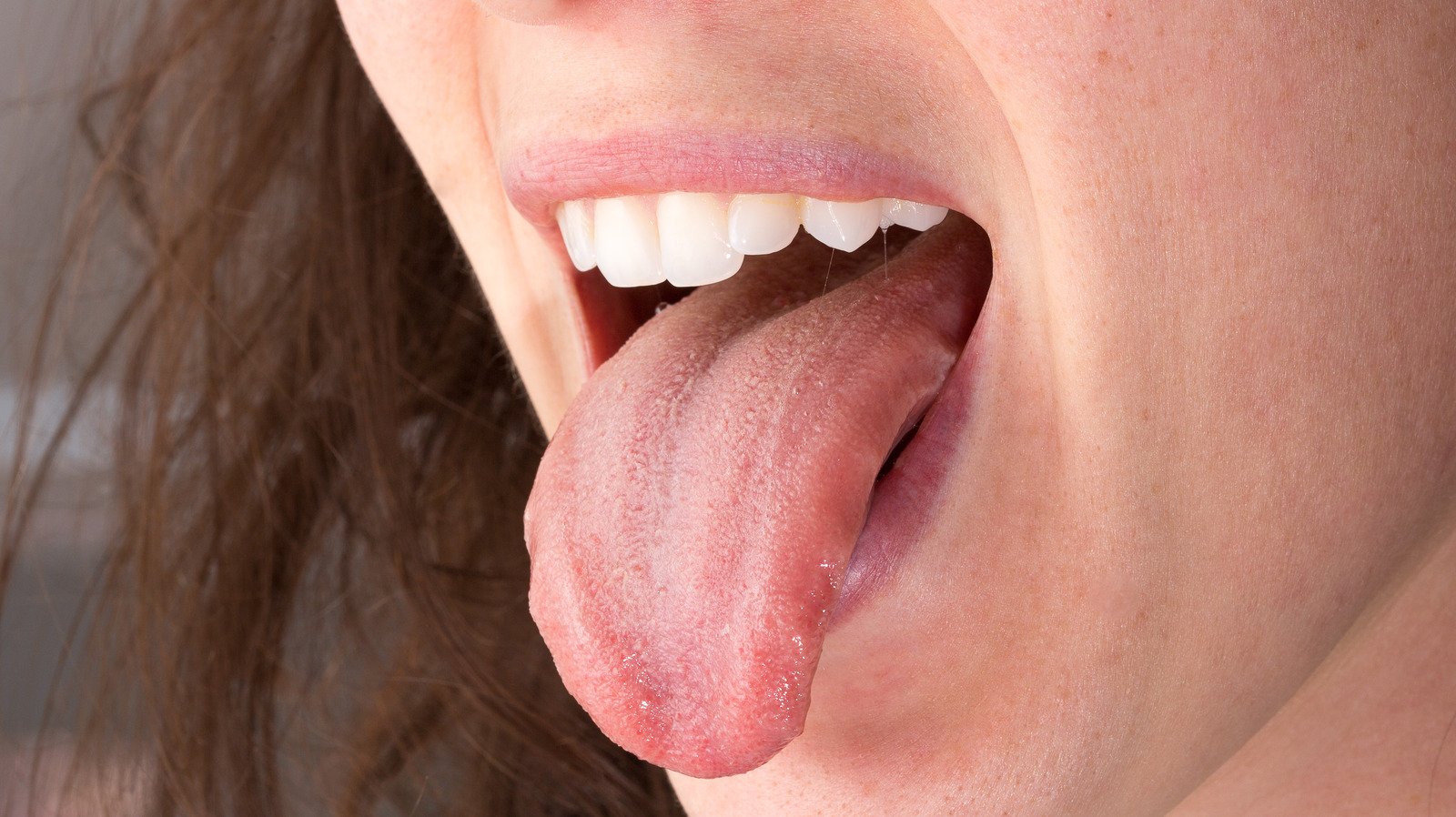

The tongue is one of the most active muscles in the body. It works every time you eat, speak, or swallow, which means it is exposed to constant friction, heat, pressure, and contact with food and bacteria.
When something disrupts the tongue’s surface — whether trauma, infection, or a nutrient gap — the result is soreness, swelling, or pain. The location of pain (tip, sides, back, or underneath) often gives a clue to the cause.
Most cases of a sore tongue are short-lived and not dangerous. But knowing the cause helps you choose the right treatment and avoid making it worse.
Common Causes of a Sore Tongue
There are dozens of reasons why your tongue may be sore. The most frequently seen causes fall into a few clear categories: physical injury, infection, nutritional deficiency, and chronic conditions.
Understanding which category your symptoms fall into is the first step toward relief. The table below shows causes ranked by how commonly they appear in adults.
| Cause | How Common | Typical Duration |
|---|---|---|
| Accidental bite or trauma | Very common | 3–7 days |
| Canker sores (aphthous ulcers) | Very common | 7–14 days |
| Burning mouth syndrome | Common | Weeks to months |
| Vitamin B12 deficiency | Common | Until treated |
| Oral thrush (fungal infection) | Common | 7–14 days with treatment |
| Glossitis | Moderate | Varies |
| Transient lingual papillitis (lie bumps) | Common | 1–5 days |
| Oral herpes (cold sores) | Moderate | 7–10 days |
| Teeth grinding (bruxism) | Moderate | Ongoing |
| Allergic reaction | Less common | Hours to days |
| Oral cancer | Rare | Persistent |
Trauma and Physical Injury
One of the most frequent reasons behind a sore tongue is simple physical injury. You might bite your tongue while eating, get a cut from a sharp food, or scrape it on a dental appliance.
The tongue heals quickly because of its rich blood supply, but in the meantime, even a small cut can feel very painful. Touching or pressing the injured area makes the pain worse.
Grinding teeth (bruxism) at night can also create chronic sore spots on the sides of the tongue. Many people don’t know they grind their teeth until a dentist spots the damage.
Canker Sores (Aphthous Ulcers)
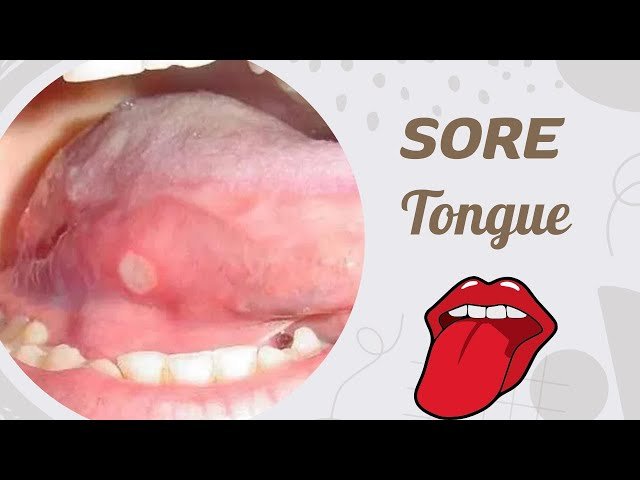
Canker sores are small, shallow ulcers that appear inside the mouth, often on or under the tongue. They are one of the most common causes of a sore tongue in adults and children alike.
They appear as white or yellowish oval sores with a red border. Not contagious, but they are painful — especially when eating acidic or spicy foods.
Triggers include stress, minor mouth injuries, vitamin deficiencies, hormonal changes, and certain toothpaste ingredients like sodium lauryl sulfate. Most heal on their own within one to two weeks.
Burning Mouth Syndrome
Burning mouth syndrome (BMS) causes a persistent burning, tingling, or scalding sensation on the tongue with no visible sore or injury. It can feel like you’ve burned your tongue on hot coffee — even when you haven’t.
It is more common in postmenopausal women and is linked to hormonal changes, nerve damage, acid reflux, dry mouth, and vitamin deficiencies. Stress and anxiety can also trigger or worsen it.
BMS can be primary (no known cause) or secondary (linked to another condition). Treatment focuses on the underlying trigger and may include medications, supplements, or lifestyle changes.
Vitamin Deficiencies and Tongue Pain
A nutritional gap is one of the most overlooked causes of a sore tongue. Several specific deficiencies are directly linked to tongue pain, inflammation, and ulcers.
Vitamin B12 Deficiency
Low B12 is one of the most documented causes of tongue soreness. It causes a condition called glossitis — where the tongue becomes smooth, red, swollen, and painful.
B12 deficiency also leads to burning sensations, taste changes, and recurring mouth ulcers. People who follow plant-based diets, have digestive absorption issues, or are older adults are at highest risk.
Treatment includes B12 supplements, dietary changes (more eggs, dairy, meat, fish), or B12 injections in severe cases.
Iron Deficiency
Iron deficiency reduces oxygen delivery to oral tissues, making the tongue inflamed, pale, and prone to sores. The tongue may look unusually smooth due to flattened taste buds.
Iron deficiency is common in women, pregnant individuals, and people with poor diets. A simple blood test can confirm it.
Eating iron-rich foods like lean red meat, spinach, lentils, and fortified cereals — or taking iron supplements — helps restore tongue health.
Folate (Vitamin B9) Deficiency
Low folate levels are strongly associated with recurring mouth ulcers and tongue inflammation. Folate is essential for cell repair and renewal in oral tissues.
Green leafy vegetables, beans, and fortified grains are good folate sources. Deficiency is especially common during pregnancy, where folate demands increase significantly.
Zinc Deficiency
Zinc plays a key role in wound healing and immune function in the mouth. A zinc deficiency can slow healing of tongue sores and make the tongue more vulnerable to infection.
Zinc-rich foods include pumpkin seeds, chickpeas, beef, and cashews. Supplementation should be done under medical supervision to avoid overcorrection.
Vitamin C Deficiency
Vitamin C is essential for tissue repair. Without enough of it, the tongue’s tissues are less able to heal from small cuts or irritations.
Severe vitamin C deficiency (scurvy) can cause bleeding gums, mouth sores, and tongue pain. Citrus fruits, bell peppers, and broccoli are excellent sources.
Oral Thrush (Fungal Infection)
Oral thrush is a fungal infection caused by overgrowth of Candida albicans — a yeast naturally present in the mouth. When the balance tips, it causes white patches on the tongue and mouth lining that are often sore.
Risk factors include antibiotic use (which kills good bacteria), diabetes, wearing dentures, weakened immune systems, and certain medications like inhaled steroids.
Treatment involves antifungal medications — usually a topical gel, rinse, or oral pill. Maintaining good oral hygiene and reducing sugar intake helps prevent recurrence.
Glossitis (Tongue Inflammation)
Glossitis refers to inflammation of the tongue. It can make the tongue look smooth (because the papillae — tiny bumps — flatten out), and it often feels tender, swollen, and sore.
Causes include vitamin B deficiencies, anemia, infections, allergic reactions, and certain medications. In some cases, it is a sign of an underlying systemic condition.
Treatment addresses the root cause. Dietary changes, supplements, or medications may be needed depending on what’s triggering the glossitis.
Transient Lingual Papillitis (Lie Bumps)
Lie bumps are small, inflamed red or white bumps on the tongue that appear suddenly and disappear just as fast — usually within one to five days. They form when individual taste buds become irritated or inflamed.
They are very common and not dangerous. Triggers include spicy or acidic foods, minor tongue trauma, stress, and gastrointestinal upset.
They are sometimes mistaken for canker sores, but they are typically smaller and heal much faster without any treatment needed.
Oral Herpes and Cold Sores
The herpes simplex virus (HSV-1) can cause blisters and sores on the tongue, lips, and inside the mouth. These sores are painful, blister-like, and often appear in clusters.
Cold sores can be triggered by stress, illness, sun exposure, hormonal changes, or a weakened immune system. They are contagious through direct oral contact.
Antiviral medications can shorten the duration and reduce the severity of outbreaks. There is no permanent cure, but the virus can be managed effectively.
Allergic Reactions and Food Sensitivities
Some people experience tongue soreness as part of an allergic reaction to food or oral care products. This is sometimes called oral allergy syndrome.
Common food triggers include certain raw fruits, nuts, and vegetables that share proteins with pollen allergens. The tongue may swell, tingle, or itch shortly after eating.
Toothpaste ingredients like sodium lauryl sulfate, cinnamon flavoring, or certain preservatives can also irritate the tongue. Switching to a sensitive formula often resolves the problem.
Stress and Its Effect on Tongue Health
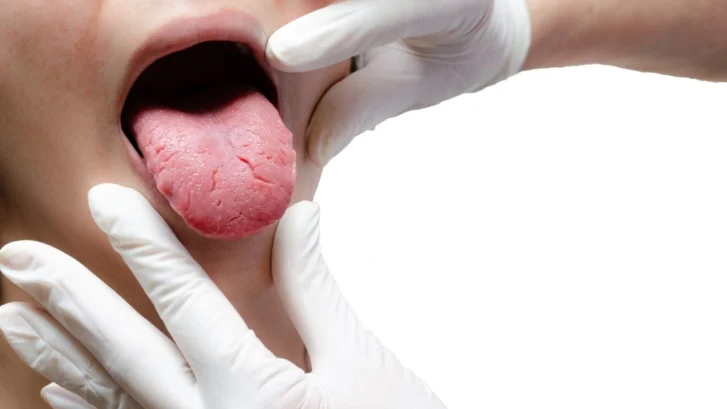

Chronic stress takes a measurable toll on oral health. When stress levels rise, the immune system weakens, making the mouth more vulnerable to canker sores and infections.
Stress also encourages habits like teeth grinding, tongue pressing against teeth, and cheek biting — all of which create sore spots on the tongue. Anxiety can even trigger burning mouth syndrome.
Managing stress through exercise, meditation, sleep, and breathing techniques helps reduce the frequency and severity of stress-related tongue soreness.
Acid Reflux and GERD
Gastroesophageal reflux disease (GERD) causes stomach acid to travel back up into the throat and mouth. This acid can irritate and inflame the tongue over time, causing a burning or sore sensation.
Many people with GERD-related tongue soreness also notice a sour taste in the mouth, morning hoarseness, and tooth sensitivity. The tongue may appear slightly red or irritated.
Managing GERD through diet changes, antacids, or prescription medications usually reduces tongue symptoms significantly.
Medications That Cause Tongue Soreness
Certain medications list mouth and tongue soreness as a known side effect. These include some blood pressure drugs (like ACE inhibitors), NSAIDs, chemotherapy agents, and some antibiotics.
Dry mouth — a side effect of many medications including antihistamines and antidepressants — can indirectly cause tongue soreness by reducing the protective saliva layer.
If a medication is suspected, do not stop taking it without consulting a doctor. A dosage adjustment or alternative drug may be possible.
Teeth Grinding (Bruxism) and Dental Appliances
Grinding teeth at night puts constant pressure on the tongue’s edges. Over time, this creates persistent sore spots — usually on the sides of the tongue.
Braces, rough dental crowns, poorly fitting dentures, and broken teeth can also rub against the tongue repeatedly, causing irritation, cuts, or ulcers.
A dentist can smooth sharp dental edges, adjust appliances, or recommend a night guard to protect against bruxism-related tongue damage.
When Is a Sore Tongue Serious?
Most tongue soreness heals on its own within one to two weeks. However, certain signs point to a more serious condition that needs professional evaluation.
Warning Signs to See a Doctor
- Sore on the tongue that does not heal after 2 weeks
- A hard lump or thickened patch on the tongue
- White, red, or dark patches that do not rub off
- Unexplained bleeding on or around the tongue
- Severe or worsening pain without a clear cause
- Difficulty swallowing, speaking, or chewing
- Tongue sore accompanied by fever, weight loss, or fatigue
- A sore that returns frequently in the same spot
These symptoms can occasionally indicate oral cancer, a serious infection, or an autoimmune condition. Early diagnosis significantly improves treatment outcomes.
Fast Relief for a Sore Tongue at Home
Most mild cases of tongue soreness respond well to home care. The key is reducing irritation and supporting the natural healing process.
Saltwater Rinse
A warm saltwater rinse is one of the most effective home remedies for tongue soreness. Dissolve half a teaspoon of salt in one cup of warm water and rinse gently for 30 seconds, two to three times a day.
Salt has natural antiseptic and anti-inflammatory properties. It cleanses the area, reduces bacteria, and soothes soreness without any harsh chemicals.
This remedy works especially well for canker sores, minor cuts, and general tongue inflammation.
Baking Soda Rinse
Baking soda helps neutralize acids in the mouth that can irritate tongue sores. Mix one teaspoon of baking soda in half a cup of warm water and rinse gently.
It also has mild antibacterial properties that can help reduce infection risk in minor tongue injuries. Use it once or twice daily alongside saltwater rinses.
Ice and Cold Foods
Ice numbs the tongue surface and reduces localized pain quickly. Sucking on an ice cube or drinking cold water provides immediate short-term relief.
Eating soft, cold foods like yogurt, cold soup, or ice cream is also soothing and helps avoid further irritation during healing.
Over-the-Counter Gels and Treatments
Topical benzocaine gels (like Orajel) numb the tongue surface and provide temporary pain relief. These are available without a prescription and work within minutes.
Other OTC options include antiseptic mouth rinses, protective mouth gels that coat the sore, and pain-relieving lozenges. Always follow the package instructions carefully.
Avoid Irritating Foods
While the tongue is healing, cut out spicy, acidic, salty, and hot foods. These are the biggest irritants that slow down the healing process.
Stick to soft, bland foods like mashed potatoes, oatmeal, eggs, yogurt, and cooked vegetables. Avoid citrus fruits, tomatoes, vinegar-based foods, and very hot beverages.
Stay Hydrated
Dehydration leads to dry mouth, which makes tongue soreness significantly worse. A well-hydrated tongue heals faster and resists bacterial overgrowth better.
Drink plenty of plain water throughout the day. Avoid alcohol, caffeinated drinks, and carbonated beverages while the tongue is healing — all of these dry out the oral mucosa.
Use a Soft-Bristle Toothbrush
Brushing with a hard or medium toothbrush can re-injure a sore tongue and slow healing. Switch to a soft-bristle toothbrush for the duration of the soreness.
Brush gently around the tongue rather than directly over it. Use a mild, alcohol-free toothpaste to minimize irritation from harsh detergents.
Vitamin Supplementation
If a vitamin deficiency is the underlying cause, supplementation is essential for full recovery. B12, iron, folate, and zinc are the most commonly deficient nutrients linked to tongue soreness.
A blood test is the most reliable way to confirm a deficiency. Your doctor can then recommend the correct supplement dose. B12 injections are used in severe deficiency cases.
Dietary Changes to Prevent Tongue Soreness
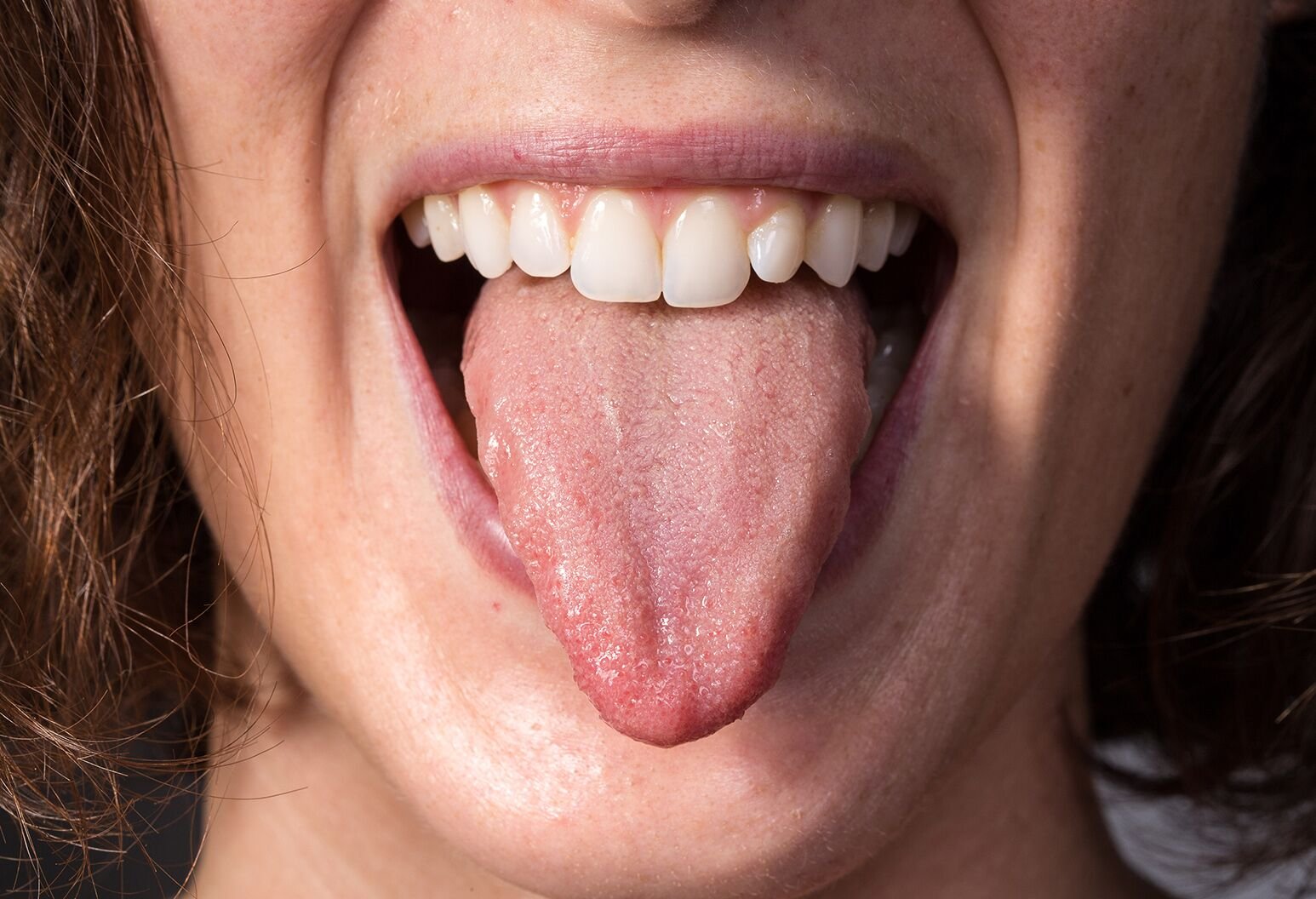

Long-term tongue health is strongly connected to diet. A nutrient-rich diet reduces your risk of both deficiency-related tongue problems and recurring canker sores.
| Nutrient | Best Food Sources | Benefit for Tongue |
|---|---|---|
| Vitamin B12 | Meat, eggs, dairy, fish | Prevents glossitis and burning |
| Iron | Red meat, spinach, lentils, fortified cereal | Prevents tongue inflammation |
| Folate (B9) | Leafy greens, beans, fortified grains | Prevents mouth ulcers |
| Zinc | Pumpkin seeds, chickpeas, beef, cashews | Supports wound healing |
| Vitamin C | Citrus, bell peppers, broccoli | Supports tissue repair |
| Vitamin B3 | Chicken, fish, peanuts | Prevents canker sores |
Eating a balanced, whole-food diet with plenty of vegetables, lean proteins, and whole grains is the most sustainable way to protect your tongue from nutritional soreness.
Oral Hygiene Habits That Help
Good oral hygiene doesn’t just protect teeth — it directly supports tongue health. The tongue collects bacteria, food debris, and dead cells that can contribute to soreness if not cleaned regularly.
Brush your teeth twice daily and clean your tongue gently with a tongue scraper or the back of your toothbrush. This removes bacteria and reduces inflammation risk.
Use a mild, alcohol-free mouthwash. Alcohol-based rinses dry out the mouth and can irritate sensitive tongue tissue, especially when sores are already present.
When to See a Dentist or Doctor
Minor tongue soreness that is clearly linked to a bite, canker sore, or irritation from food usually does not require a visit to the doctor. Home care is sufficient.
However, if the soreness lasts more than 10–14 days, is getting progressively worse, or is accompanied by any of the warning signs listed above, book an appointment without delay.
A dentist can identify tongue abnormalities, smooth irritating dental surfaces, and refer you to a specialist if needed. A doctor can run blood tests to check for deficiencies or infections.
Early diagnosis of any serious condition — especially oral cancer — dramatically improves outcomes. Don’t wait too long out of worry or hope that something serious will resolve on its own.
Prevention Tips for a Healthy Tongue
Preventing tongue soreness is much easier than treating it after it appears. A few consistent habits make a significant difference.
- Eat a balanced diet rich in B vitamins, iron, zinc, and vitamin C
- Brush teeth and clean your tongue twice daily
- Stay hydrated and drink at least 6–8 glasses of water daily
- Avoid excessively hot, spicy, or acidic foods regularly
- Manage stress through exercise, sleep, and relaxation techniques
- Visit your dentist every 6 months for checkups and dental adjustments
- Avoid tobacco and limit alcohol — both are direct tongue irritants
- Wear a night guard if you grind your teeth
- Report any non-healing sore to your dentist promptly
- Review your medications with a doctor if you suspect a drug side effect
Quick Comparison: Home Care vs Medical Treatment
| Condition | Home Care Sufficient? | Medical Treatment Needed? |
|---|---|---|
| Minor bite or cut | Yes | No (unless severe) |
| Canker sore | Yes | If lasting 2+ weeks |
| Lie bumps (TLP) | Yes | No |
| Oral thrush | No | Yes — antifungal needed |
| Vitamin deficiency | Partly (diet/supplements) | Yes — blood test first |
| Burning mouth syndrome | Partly | Yes — diagnosis needed |
| Oral herpes | Partly | Yes — antivirals help |
| Oral cancer | No | Yes — urgent |
| GERD-related soreness | Partly | Yes — GERD treatment |
| Allergy-related soreness | Yes (avoid trigger) | If severe reaction |

Frequently Asked Questions (FAQs)
Q1: Why is my tongue sore for no reason?
A sore tongue can develop without an obvious cause due to vitamin deficiencies, stress, hormonal changes, or burning mouth syndrome. A blood test and dental checkup are the best first steps to identify a hidden trigger.
Q2: How long does a sore tongue usually last?
Most causes of a sore tongue heal within 7 to 14 days with proper home care. If your tongue is still sore after two weeks, see a doctor or dentist for evaluation.
Q3: Can stress cause a sore tongue?
Yes, stress is a well-documented trigger for canker sores, burning mouth syndrome, and bruxism — all of which lead to tongue soreness. Managing stress through healthy habits reduces flare-ups significantly.
Q4: What vitamin deficiency causes a sore tongue?
Vitamin B12 deficiency is the most common nutritional cause of a sore tongue. Iron, folate, zinc, and vitamin C deficiencies also directly contribute to tongue pain and mouth ulcers.
Q5: Is a sore tongue a sign of oral cancer?
A sore tongue is rarely a sign of oral cancer, but a sore that does not heal after two weeks, has unusual color changes, or forms a hard lump should be evaluated by a doctor as soon as possible.
Q6: What helps a sore tongue heal fast?
A warm saltwater rinse used two to three times daily, avoiding irritating foods, staying hydrated, and using OTC benzocaine gel are the fastest-acting home relief strategies for a sore tongue.
Q7: Why does my tongue hurt on the side?
Side tongue soreness is usually caused by accidentally biting the tongue, sharp teeth or dental appliances rubbing repeatedly, or a canker sore forming along the edge. Bruxism is another common cause of persistent side pain.
Q8: Can a sore tongue be caused by acid reflux?
Yes. Acid from GERD can travel into the mouth and irritate the tongue surface, causing a burning or sore sensation. Treating the underlying reflux condition typically resolves tongue symptoms over time.
Q9: Should I see a dentist or doctor for a sore tongue?
Start with a dentist if the soreness seems related to dental appliances, bites, or visible mouth sores. See a doctor if you suspect a vitamin deficiency, infection, or systemic condition like GERD or an autoimmune disorder.
Q10: Can toothpaste cause a sore tongue?
Yes. Certain toothpaste ingredients — especially sodium lauryl sulfate and cinnamon flavoring — can irritate the tongue and trigger canker sores in sensitive individuals. Switching to a gentle, SLS-free toothpaste often resolves the problem quickly.
Conclusion
A sore tongue is uncomfortable, disruptive, and sometimes worrying — but in most cases, it is manageable and temporary. The most common causes include physical injury, canker sores, vitamin deficiencies, infections like oral thrush, and conditions like burning mouth syndrome or GERD.
Fast relief comes from saltwater rinses, soft foods, cold compresses, and OTC numbing gels. Long-term prevention depends on a balanced diet, good oral hygiene, stress management, and regular dental visits.
If your sore tongue does not improve within two weeks, or if you notice unusual patches, lumps, or worsening pain, do not delay seeking professional care. A sore tongue is often the body’s way of telling you something needs attention — and the earlier you listen, the easier it is to fix.