


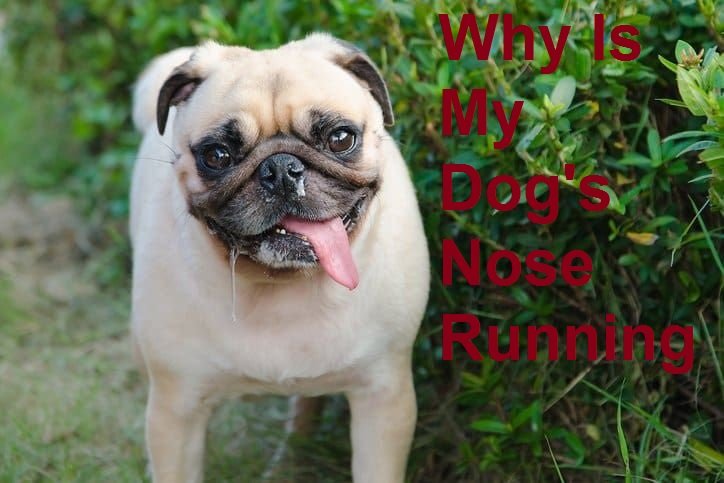
Why is my dog’s nose running — this is one of the most common questions pet owners ask, and the answer is not always simple. A dog’s nose is naturally moist and produces a thin layer of mucus to help absorb scent particles, so a little wetness is completely normal.
But when your dog’s nose starts actively dripping, producing coloured discharge, or running from only one nostril, something more may be going on. The cause can be as mild as excitement or dust in the air, or as serious as a bacterial infection, a foreign object lodged in the nasal passage, or even a dental abscess.
Is a Wet Dog Nose Normal?
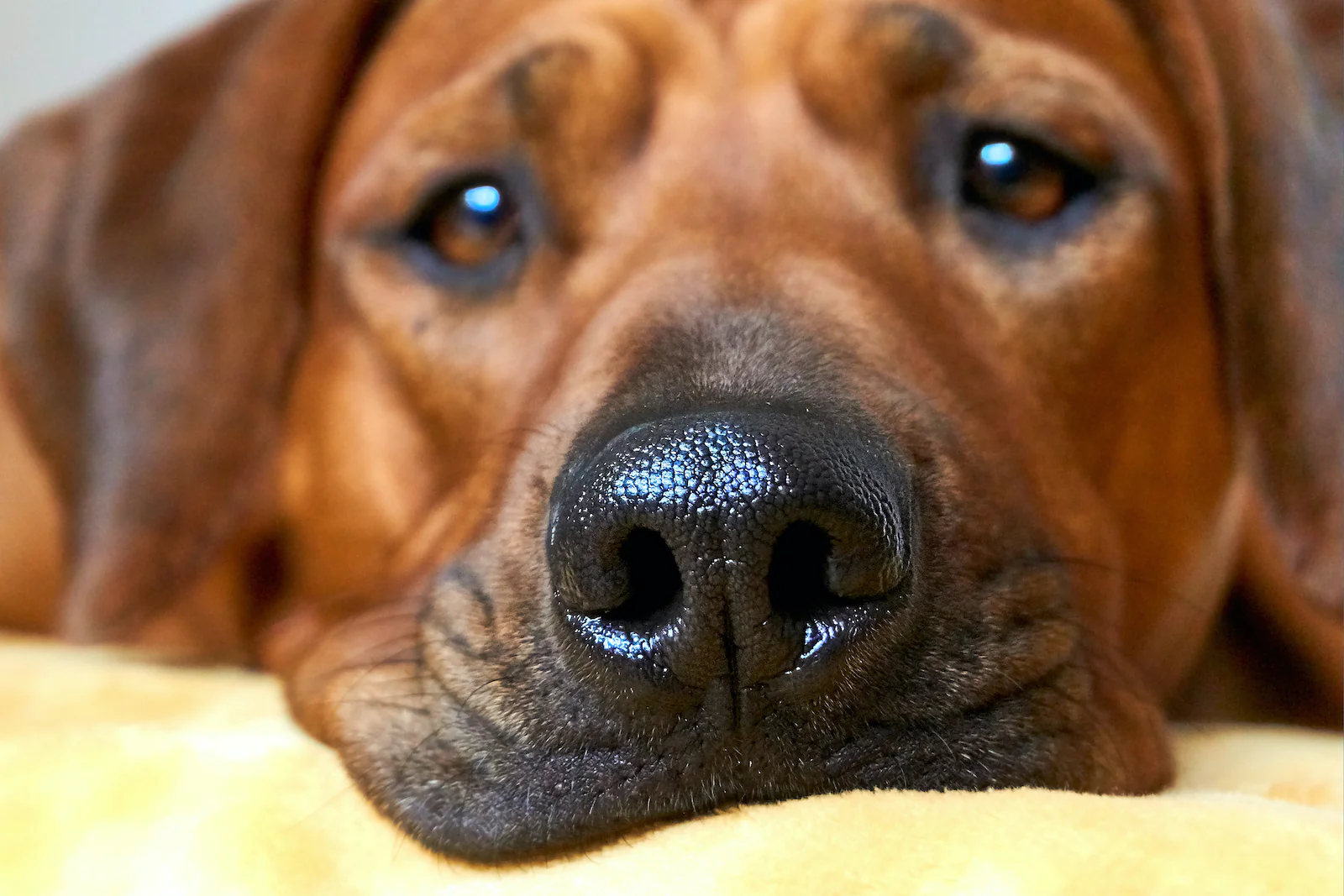
A wet dog nose is completely normal in healthy dogs. Dogs secrete a thin layer of mucus from the inner lining of their nostrils that helps them detect and process scent molecules more effectively.
Dogs also lick their noses frequently, which keeps the surface moist and helps them interpret chemical signals from the environment. This natural moisture is not the same as a runny nose or nasal discharge.
The key difference is when the wetness becomes a drip, changes colour, develops an odour, or is accompanied by other symptoms like sneezing, coughing, or lethargy. At that point, a dog’s runny nose deserves closer attention.
What Is Dog Nasal Discharge?
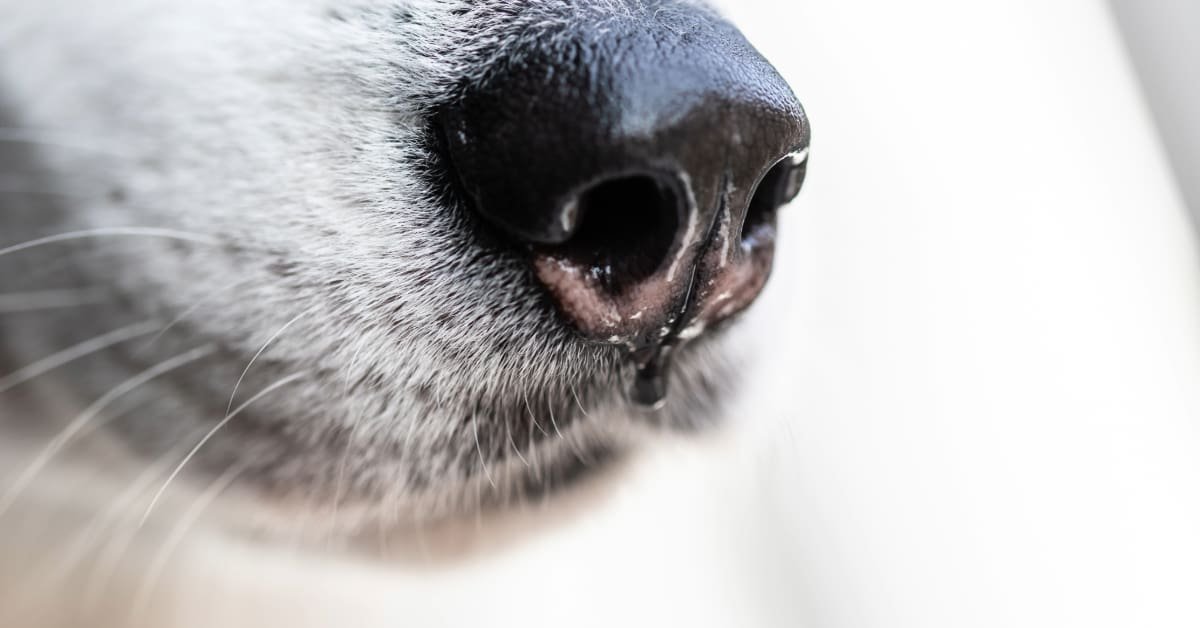
Nasal discharge is the medical term for fluid or mucus draining from one or both of a dog’s nostrils. Veterinarians also describe it using clinical terms like rhinorrhoea (watery discharge) and epistaxis (bloody discharge).
The discharge can range from thin and watery to thick and sticky. It can be clear, white, milky, yellow, green, brown, or bloody. Each colour and consistency provides important diagnostic information about what may be happening inside the nasal passages.
Discharge from both nostrils usually suggests a systemic or generalised condition like allergies or an infection. Discharge from only one nostril is a more specific red flag and often points to a localised problem such as a foreign body, a dental abscess, or a nasal tumour.
Nasal Discharge Colour Guide: What Each Colour Means
| Discharge Colour / Type | What It Usually Indicates | Urgency |
|---|---|---|
| Clear and watery | Allergies, mild irritants, excitement, overheating | Low — monitor at home |
| Cloudy or milky white | Early infection or mild inflammation | Low to Medium |
| Yellow or green | Bacterial or fungal infection | Medium to High — see vet |
| Thick yellow-green with odour | Serious bacterial or fungal infection | High — see vet soon |
| Bloody (epistaxis) | Trauma, nasal tumour, foreign body, clotting disorder | High — vet urgently |
| Brown or rust-tinged | Dried blood, fungal infection, aspergillosis | Medium to High |
| Pus-like (purulent) | Bacterial infection, tooth root abscess | High — see vet soon |
| One nostril only | Foreign body, dental abscess, polyp, or tumour | High — see vet |
This colour guide is a starting point, not a diagnosis. Always consult a veterinarian if you are concerned about your dog’s nasal discharge, especially if it persists for more than two to three days or is accompanied by other symptoms.
Why Is My Dog’s Nose Running? The Most Common Causes
There are more than a dozen reasons why a dog’s nose may run. Some are minor and resolve on their own. Others require prompt veterinary attention. Here is a complete breakdown of every major cause.
Cause 1: Allergies
Allergies are by far the most common reason why a dog’s nose runs. Dogs can be allergic to a wide range of substances including pollen, mould spores, dust mites, grass, certain foods, medications, flea saliva, cleaning chemicals, and even human dander.
Allergy-related nasal discharge is typically clear and watery. It is often seasonal, appearing in spring or autumn when pollen counts are high, or year-round in the case of indoor allergens like dust or mould.
Other signs of allergies in dogs include sneezing, itchy skin, red or watery eyes, ear infections, and paw licking. A vet can conduct allergy testing to identify specific triggers. Treatment options include antihistamines, immunosuppressants, steroids, biological therapies, and allergen-specific immunotherapy.
Cause 2: Environmental Irritants
Sometimes a dog’s nose runs simply because something in the environment is irritating the nasal passages. Common culprits include cigarette smoke, perfume, scented candles, essential oils, strong cleaning products, dust, and dry indoor air.
This type of runny nose is usually mild, clears up quickly once the irritant is removed, and produces clear, watery discharge without any other symptoms. It is more common in dogs with shorter snouts or more sensitive airways.
Removing the irritant from the dog’s environment is usually all that is needed. Keeping the home well-ventilated, using unscented cleaning products, and avoiding smoking indoors all help prevent irritant-triggered nasal discharge.
Cause 3: Foreign Object in the Nostril
Dogs are naturally curious and frequently sniff at grass, soil, plants, and small objects on the ground. This habit means foreign objects like grass seeds, plant awns, small twigs, dirt, or tiny pieces of debris can become lodged inside a nostril.
A foreign object in the nose almost always affects only one nostril. The discharge from that nostril is often sudden in onset, may be bloody or mucus-like, and is usually accompanied by vigorous sneezing, pawing at the nose, and visible discomfort.
Do not try to remove a suspected foreign object at home unless it is clearly visible and safely accessible. Attempting removal without proper tools can push the object deeper or damage the delicate nasal tissue. A veterinarian can safely remove the object, often using a rhinoscope.
Cause 4: Bacterial Infection
Bacterial infections are a common cause of nasal discharge that turns yellow, green, or purulent. Bacteria such as Bordetella bronchiseptica and Staphylococcus aureus are frequently involved in upper respiratory tract infections in dogs.
Bacterial nasal discharge is typically thick, coloured, and often has an unpleasant odour. It may affect one or both nostrils and is commonly accompanied by other signs of illness including fever, lethargy, reduced appetite, and coughing.
Treatment requires veterinary diagnosis. A vet will often collect a nasal swab for culture and sensitivity testing to identify the specific bacteria and determine which antibiotic will be most effective. A course of antibiotics lasting several weeks is usually prescribed.
Cause 5: Viral Infections
Viral infections, including canine influenza, canine parainfluenza, and canine adenovirus, are common causes of a runny nose in dogs. Kennel cough, also known as canine infectious respiratory disease complex, is one of the most frequently diagnosed viral respiratory conditions.
Viral infections typically begin with a clear, watery discharge that progresses to a thicker, more mucus-like discharge as the immune system responds. Dogs with kennel cough also typically have a harsh, honking cough that is its hallmark sign.
Viral infections are highly contagious and spread easily in environments where dogs are in close contact, such as kennels, doggy daycare facilities, dog parks, and grooming salons. Vaccination is the most effective prevention. Most mild viral infections resolve on their own, but severe or prolonged cases need veterinary support.
Cause 6: Canine Distemper
Canine distemper is a serious and potentially fatal viral disease that causes nasal discharge as one of its earliest symptoms. It produces a thick, yellowish mucous discharge from both the nose and eyes simultaneously.
Distemper progresses to affect multiple body systems including the respiratory, gastrointestinal, and neurological systems. Symptoms include high fever, coughing, vomiting, diarrhoea, and in advanced cases, seizures and muscle twitching.
There is no cure for distemper. Treatment is supportive and focused on managing symptoms and preventing secondary infections. Vaccination is extremely effective at preventing canine distemper and is a core part of every puppy vaccination programme.
Cause 7: Fungal Infection (Aspergillosis and Cryptococcosis)

Fungal infections are a less common but important cause of nasal discharge in dogs, particularly in breeds with longer snouts. Aspergillosis, caused by the fungus Aspergillus, is the most common fungal nasal infection seen in dogs.
Aspergillosis produces a characteristic brownish or rust-coloured discharge, sometimes with blood, and typically causes a strong odour. Affected dogs may also show signs of facial pain, reduced appetite, and visible erosion or depigmentation around the nostrils.
Cryptococcosis is another fungal infection that affects the nasal cavity and surrounding tissue. Fungal infections do not respond to antibiotics and require specific antifungal medications prescribed by a vet, often taken for an extended period.
Cause 8: Nasal Mites (Pneumonyssoides caninum)
Nasal mites are tiny parasites that live inside the nasal passages and sinuses of dogs. They are more common than many pet owners realise and can affect dogs of any breed, age, or size.
Nasal mites cause intense irritation of the nasal lining, which triggers sneezing, head shaking, reverse sneezing, itching around the nose, and nasal discharge. The discharge is typically clear but can become mucoid if a secondary infection develops.
Nasal mites spread through close dog-to-dog contact. A vet diagnoses nasal mites using rhinoscopy or nasal washing and treats the condition with antiparasitic medications. All dogs in the household should be treated simultaneously to prevent re-infection.
Cause 9: Dental Disease and Tooth Root Abscess
The connection between dental disease and a runny nose surprises many dog owners, but it is well established. The roots of the upper molar and premolar teeth sit very close to the floor of the nasal cavity, separated by only a thin layer of bone.
When these upper teeth develop root abscesses or severe periodontal disease, the infection can break through into the nasal cavity and cause nasal discharge. This discharge is typically pus-like, often tinged with blood, and usually affects only one nostril on the same side as the infected tooth.
Other signs of dental-related nasal discharge include bad breath, pawing at the mouth, difficulty eating, facial swelling below the eye, and visible tooth discolouration. Diagnosis requires dental X-rays, and treatment involves extraction of the affected tooth and appropriate antibiotics.
Cause 10: Nasal Polyps and Tumours
Nasal polyps are non-cancerous growths that develop in the nasal passages and can cause persistent nasal discharge. They are more common in older dogs and can cause chronic mucus production, noisy breathing, snoring, and congestion.
Nasal tumours — which can be benign or malignant — are a more serious concern. Malignant nasal tumours are most commonly seen in older male dogs and can produce a range of discharge types including mucus, pus, and blood. Other signs include facial swelling or deformity, one-sided discharge, and noisy or laboured breathing.
Diagnosis of polyps and tumours requires imaging such as a CT scan or MRI, combined with rhinoscopy and biopsy. Treatment for polyps usually involves surgical removal, while tumours may require radiation therapy, chemotherapy, or surgical intervention depending on the type and stage.
Cause 11: Brachycephalic Breed Anatomy
Dogs with flat or short faces — known as brachycephalic breeds — are anatomically prone to nasal discharge and breathing difficulties. This includes Bulldogs, Pugs, French Bulldogs, Boxers, Boston Terriers, Shih Tzus, Pekingese, and similar breeds.
Their shortened nasal passages, narrowed nostrils, and elongated soft palates create chronic airflow resistance. This anatomy traps mucus, promotes bacterial growth, and makes these dogs far more susceptible to nasal infections, discharge, and respiratory problems than longer-snouted breeds.
Brachycephalic obstructive airway syndrome, or BOAS, is a recognised medical condition in these breeds. Surgical correction of the anatomical abnormalities is available and can significantly improve quality of life in severely affected dogs.
Cause 12: Excitement and Emotional States
Some dogs produce a small amount of clear nasal discharge when they are excited, anxious, or physically active. This is a normal physiological response linked to the autonomic nervous system stimulating mucus production in the nasal glands.
This type of runny nose produces only a thin, watery, and odourless discharge. It is not associated with sneezing, coughing, coloured mucus, or any other signs of illness. It typically resolves within minutes once the dog calms down.
No treatment is needed for excitement-related nasal discharge. If, however, the discharge persists beyond the activity or emotional state that triggered it, or if it changes in colour or consistency, a veterinary check is advisable.
Cause 13: Overheating
Dogs regulate body temperature primarily through panting, but nasal secretion also plays a minor role in thermoregulation. When a dog is hot, a small amount of clear discharge from the nose is normal and harmless.
Overheating-related nasal discharge is always clear, watery, and brief. It is accompanied by panting, drooling, and seeking shade or cool surfaces. It resolves completely once the dog cools down.
If overheating progresses to heatstroke — characterised by excessive drooling, glazed eyes, confusion, vomiting, staggering, or collapse — it becomes a veterinary emergency requiring immediate cooling and urgent medical attention.
Cause 14: Cleft Palate and Structural Abnormalities
A cleft palate is a congenital condition where the roof of the mouth fails to close properly during foetal development. This creates an opening between the oral cavity and the nasal cavity.
Because of this opening, food, water, and bacteria can enter the nasal cavity during eating and drinking, causing chronic nasal discharge. This is most often seen in puppies and typically requires surgical correction. Without treatment, cleft palate can lead to aspiration pneumonia and repeated nasal infections.
Other structural abnormalities, such as an oral-nasal fistula — which is an abnormal connection between the mouth and nasal cavity — can develop secondary to dental extractions or trauma and cause similar symptoms.
Cause 15: Trauma to the Nose
Physical trauma to the nose or head — from collisions, falls, fights with other animals, or rough play — can cause nasal discharge that is bloody or tinged with blood. This is because trauma damages the blood vessels inside the delicate nasal tissue.
Trauma-related discharge is usually sudden in onset and directly linked to an observed or suspected injury. It is often accompanied by facial swelling, pain on touching the nose, or visible deformity of the nasal structure.
Minor trauma may resolve without veterinary intervention, but significant nasal bleeding that does not stop within a few minutes, or discharge associated with obvious facial injury, requires prompt veterinary attention.
Symptoms to Watch for Alongside a Dog’s Runny Nose
A runny nose alone may not always be serious, but certain accompanying symptoms are significant warning signs that warrant urgent veterinary evaluation.
| Warning Symptom | Why It Matters |
|---|---|
| Discharge from one nostril only | Suggests foreign body, dental abscess, polyp, or tumour |
| Yellow or green discharge | Indicates bacterial or fungal infection |
| Bloody discharge | Can signal trauma, tumour, clotting disorder, or foreign body |
| Foul-smelling discharge | Strongly suggests infection or dental disease |
| Facial swelling or deformity | Could indicate tumour, abscess, or trauma |
| Laboured or open-mouth breathing | Respiratory emergency — seek care immediately |
| Lethargy and loss of appetite | Suggests systemic illness requiring diagnosis |
| Persistent sneezing | May indicate foreign body, allergy, or infection |
| Fever | Indicates active infection or inflammation |
| Discharge with nosebleed (epistaxis) | Requires urgent veterinary attention |
| Discharge in young puppy | Higher chance of congenital condition or serious infection |
| Discharge in older dog that won’t clear | Higher risk of tumour or systemic disease |
How Vets Diagnose the Cause of a Dog’s Runny Nose
When you bring your dog to the vet for nasal discharge, the diagnostic process typically follows a structured approach based on history, physical examination, and targeted tests.
Your vet will ask about the duration of the discharge, its colour and consistency, whether it affects one or both nostrils, any recent changes in environment or diet, vaccination history, and exposure to other dogs.
Diagnostic tests may include a nasal swab for cytology and culture, rhinoscopy to examine the inside of the nasal passages, dental X-rays if dental disease is suspected, blood tests to assess for systemic conditions, and advanced imaging such as a CT scan or MRI for suspected tumours or structural problems.
Treatment Options for a Dog’s Runny Nose
Treatment depends entirely on the cause. There is no single fix for all types of nasal discharge.
| Cause | Treatment Approach |
|---|---|
| Allergies | Antihistamines, steroids, immunotherapy, allergen avoidance |
| Bacterial infection | Antibiotics (several weeks, guided by culture) |
| Fungal infection | Antifungal medications (oral or topical) |
| Viral infection | Supportive care, rest, fluids; vaccination for prevention |
| Foreign object | Veterinary removal under sedation or anaesthesia |
| Nasal mites | Antiparasitic medication (all household dogs treated) |
| Dental abscess | Tooth extraction, antibiotics |
| Nasal polyps | Surgical removal |
| Nasal tumour | CT scan, biopsy; radiation, surgery, or chemotherapy |
| Cleft palate | Surgical correction |
| BOAS in flat-faced breeds | Surgical airway correction |
| Trauma | Rest, monitoring; veterinary care for significant injury |
| Excitement or overheating | No treatment needed; monitor for other signs |
Home Care for a Mild Dog Runny Nose
Home care is only appropriate for mild cases where the discharge is clear, watery, and not accompanied by other symptoms. Never attempt to treat a coloured, bloody, or persistent runny nose at home without veterinary guidance.
Gently wipe away discharge from around your dog’s nostrils using a soft, damp cloth to prevent crusting and skin irritation. Keep your dog comfortable and calm. Make sure fresh, clean water is available at all times to maintain hydration.
Use a cool-mist humidifier near your dog’s sleeping area to help soothe nasal passages, particularly in dry climates or during winter when indoor heating dries out the air. Avoid exposing your dog to cigarette smoke, strong perfumes, air fresheners, essential oils, or chemical cleaning products.
If allergies are suspected, keep your dog indoors during peak pollen hours, wipe down their coat and paws after walks, and replace air conditioning filters regularly. Consult your vet before giving any over-the-counter antihistamines, as dosing varies and some human medications are toxic to dogs.
When to See a Vet About Your Dog’s Runny Nose
See a vet promptly if your dog’s nasal discharge has been present for more than two to three days without improvement, if the discharge is yellow, green, or bloody, if it smells bad, if it comes from only one nostril, or if your dog is showing any other signs of illness.
Seek emergency veterinary care immediately if your dog is struggling to breathe, has severe facial swelling, is bleeding heavily from the nose that cannot be controlled, is unresponsive or collapsed, or is showing signs of extreme distress.
Early diagnosis and treatment lead to far better outcomes. Many of the serious causes of nasal discharge — including infections, dental abscesses, and tumours — respond much better to treatment when caught early.
Preventing a Runny Nose in Dogs
Prevention depends on managing the specific risk factors relevant to your dog.
Keep vaccinations current, as many viral causes of runny nose are preventable with routine vaccination. Use regular parasite prevention to protect against nasal mites and other parasites. Maintain good dental hygiene with regular brushing and annual professional dental cleanings to prevent tooth root abscesses.
Reduce exposure to known environmental allergens and irritants. Avoid smoking indoors. Keep the home dust-free and well-ventilated. Supervise your dog during outdoor activities to reduce the risk of inhaling foreign objects, particularly grass seeds and plant material during warmer months.
Frequently Asked Questions (FAQs)
Why is my dog’s nose running clear liquid?
Clear, watery discharge is usually caused by mild allergies, environmental irritants, excitement, or overheating and is not normally a cause for alarm. If it persists for more than two to three days or is accompanied by sneezing, coughing, or lethargy, consult your vet.
Why is my dog’s nose running yellow or green mucus?
Yellow or green nasal discharge almost always indicates a bacterial or fungal infection that requires veterinary treatment. Do not try to manage this at home — your vet will need to identify the specific pathogen and prescribe appropriate medication.
Why is my dog’s nose running from only one nostril?
One-sided discharge is a significant red flag that usually points to a localised problem such as a foreign body, dental abscess, nasal polyp, or tumour on that side. It needs veterinary assessment, often including imaging, to determine the cause.
Is a runny nose in dogs contagious to other pets?
If the cause is a viral or bacterial infection such as kennel cough or canine influenza, yes — it can spread to other dogs through direct contact or shared spaces. Isolate an affected dog and contact your vet promptly.
Can dogs get a cold like humans?
Dogs can develop viral respiratory infections that mimic human colds, causing a runny nose, sneezing, and mild lethargy. These are caused by canine-specific viruses and are not transmitted to humans. Most resolve with rest and supportive care.
Can I give my dog Benadryl for a runny nose?
Benadryl (diphenhydramine) can help with allergy-related nasal discharge, but it is not appropriate for all causes of a runny nose and the dose must be carefully calculated by a vet. Never give human decongestants or cold medicines to a dog as these can be toxic.
Why is my puppy’s nose running?
In puppies, a runny nose is more likely to indicate a congenital condition like cleft palate, a serious infection such as distemper, or an irritant in the environment. Puppies with nasal discharge should be assessed by a vet sooner than adult dogs due to their vulnerability.
Why does my old dog have a runny nose that won’t go away?
In older dogs, persistent nasal discharge that does not respond to routine treatment raises the suspicion of nasal tumours, dental disease, or systemic illness. A thorough veterinary workup including imaging is recommended for any senior dog with chronic nasal discharge.
Is a dog’s runny nose an emergency?
It is an emergency if your dog has laboured or open-mouth breathing, severe nosebleed that cannot be controlled, loss of consciousness, extreme facial swelling, or sudden severe distress. Otherwise, a runny nose warrants an urgent but not emergency vet visit if it is bloody, coloured, or persistent.
How long does a dog’s runny nose last?
Duration depends entirely on the cause. Discharge triggered by excitement or overheating clears within minutes. Allergy-related or mild viral discharge may last days to weeks. Bacterial or fungal infections may persist for weeks or longer without treatment. Any discharge lasting more than two to three days should be evaluated by a vet.
Conclusion
Why is my dog’s nose running — the answer depends on looking carefully at the colour, consistency, pattern, and accompanying symptoms of the discharge. A clear, watery drip from both nostrils during allergy season is very different from a thick, green, foul-smelling discharge from one nostril that has been present for a week.
As this vet-approved guide explains, the causes range from completely harmless reactions to excitement and overheating, all the way through to serious conditions like bacterial infections, dental abscesses, nasal tumours, and canine distemper.
Use the colour guide and symptom tables in this article as your first reference, manage mild cases at home with gentle care and hydration, and never hesitate to contact your veterinarian if anything seems off, unusual, or persistent. Your dog depends on you to notice the signs early.


