


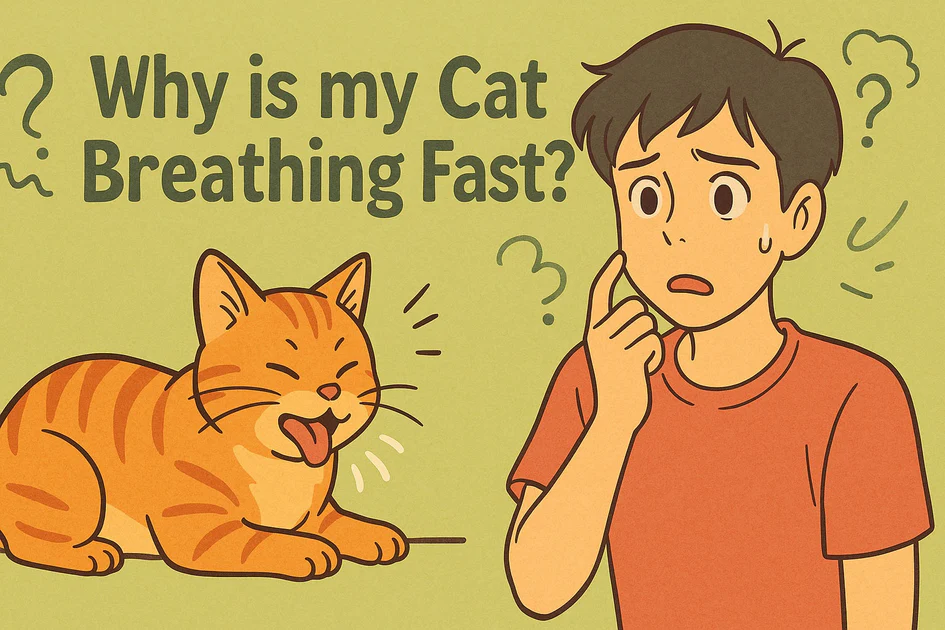
Why is my cat breathing fast is one of the most alarming questions a cat owner can face. A healthy cat breathes 15 to 30 times per minute at rest, and anything consistently above that is a red flag.
Fast breathing in cats — medically called tachypnea — can range from a harmless response to stress or heat to a life-threatening emergency involving the heart or lungs. Knowing the difference can save your cat’s life.
What Is a Normal Breathing Rate for Cats?
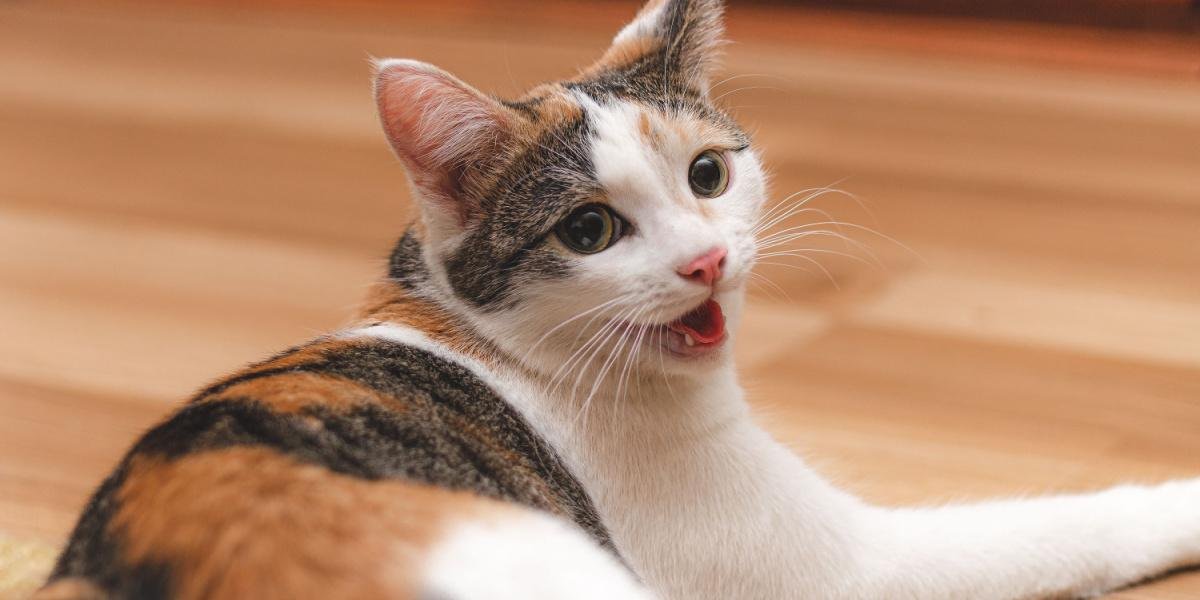
Before worrying about fast breathing, you need to know what normal looks like. A healthy cat at rest takes between 15 and 30 breaths per minute. Sleeping cats often breathe even slower, averaging around 20 to 21 breaths per minute.
Anything consistently above 30 breaths per minute while resting or sleeping is considered abnormal and needs veterinary evaluation. Rates above 40 breaths per minute at rest are a serious concern requiring same-day care. Rates above 60 breaths per minute are a life-threatening emergency.
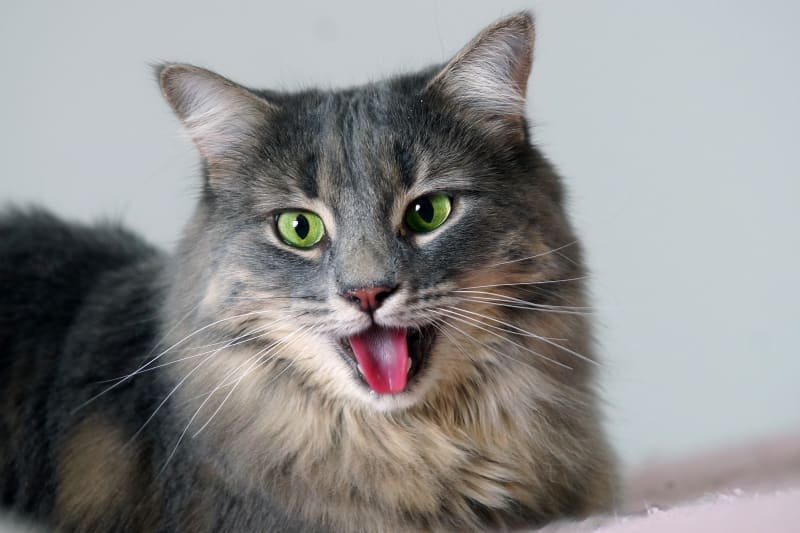
Unlike dogs, cats do not pant to cool themselves down. Open-mouth breathing in a cat is almost always a sign of respiratory distress. Never ignore it.
Normal vs. Abnormal Breathing Rate Table
| Breathing Rate | Status | Action Required |
|---|---|---|
| 15–30 breaths/min (resting) | Normal | Monitor only |
| 20–21 breaths/min (sleeping) | Normal | No action needed |
| 30–35 breaths/min (resting) | Borderline | Schedule a vet visit |
| 35–40 breaths/min (resting) | Elevated | See vet within 24 hours |
| 40+ breaths/min (resting) | Abnormal | Same-day vet care |
| 60+ breaths/min | Emergency | Go to emergency vet immediately |
| Open-mouth breathing | Emergency | Go to emergency vet immediately |
| Blue/pale gums | Life-threatening | Call vet en route |
How to Count Your Cat’s Breathing Rate at Home
Counting your cat’s breathing rate is simple and takes 30 seconds. Wait until your cat is fully relaxed or asleep.
Watch the rise and fall of their chest or belly from a distance. Count each complete rise-and-fall as one breath. Count for 30 seconds and multiply by two to get the breaths per minute.
Do not count while your cat is purring. Purring changes the breathing pattern entirely and makes accurate counting impossible. If in doubt, record a short video and count the breaths later at your own pace.
Why Is My Cat Breathing Fast – The Main Causes
There are many reasons why a cat may be breathing faster than normal. Some are mild and resolve on their own. Others are medical emergencies that require immediate action.
Understanding each cause helps you respond correctly without either panicking unnecessarily or waiting too long.
1. Stress and Anxiety
Stress is one of the most common reasons why a cat breathes fast in the short term. Car rides, vet visits, new pets, loud noises, or changes in the home environment can all trigger a temporary spike in breathing rate.
This type of rapid breathing usually resolves within 10 to 15 minutes once the stressor is removed. If your cat calms down and breathing returns to normal, stress was likely the cause.
However, if rapid breathing continues well after the stressor is gone, there may be an underlying health issue that stress simply brought to the surface.
2. Overheating and Heatstroke
Cats can overheat quickly, especially in warm environments with poor ventilation. Unlike dogs, cats rarely pant to cool down — so when they do, something is wrong.
Signs of overheating include rapid open-mouth breathing, drooling, lethargy, and red or pale gums. If you suspect heatstroke, move your cat to a cool area immediately, offer fresh water, and contact your vet.
Heatstroke can be fatal if not treated promptly. Never leave a cat in a closed car or a room without ventilation in warm weather.
3. Physical Exertion and Play
Cats may breathe faster than usual for a short time after vigorous play or chasing sessions. This is normal and similar to how humans breathe hard after exercise.
This type of fast breathing should resolve within a few minutes of resting. If breathing does not slow down after several minutes of calm rest, it is no longer about exertion.
Always pay attention to the context. Fast breathing immediately after play is different from fast breathing while your cat is asleep on the sofa.
4. Feline Asthma
Feline asthma affects roughly 1 to 5 percent of cats and is one of the most common medical causes of fast breathing. It occurs when allergens trigger inflammation in the airways, making it hard to breathe.
Common triggers include dust, pollen, cigarette smoke, scented candles, dusty cat litter, and chemical sprays. During an asthma attack, a cat may crouch low, extend their neck, wheeze, and breathe rapidly with effort.
Asthma cannot be cured but can be managed effectively with corticosteroids, bronchodilators, or inhalers prescribed by a vet. A rescue inhaler such as albuterol can help during sudden attacks at home.
5. Respiratory Infections
Upper respiratory infections (URIs) caused by viruses like feline herpesvirus or calicivirus are very common in cats. These infections cause nasal congestion, which forces your cat to breathe through their mouth, triggering faster breathing.
Symptoms alongside fast breathing include sneezing, runny nose, watery eyes, and coughing. If left untreated, a URI can progress to pneumonia, especially in kittens, senior cats, or immunocompromised cats.
Treatment usually involves antibiotics for secondary bacterial infections, steam therapy to loosen congestion, and supportive care. Early treatment leads to much faster recovery.
6. Heart Disease – Hypertrophic Cardiomyopathy (HCM)
Heart disease is one of the most serious causes of fast breathing in cats. Hypertrophic cardiomyopathy (HCM) is the most common feline heart condition, where the heart muscle thickens and becomes less efficient.
When the heart cannot pump properly, fluid builds up in or around the lungs. This makes it very difficult for the cat to breathe and causes rapid, labored breathing even while resting or sleeping.
Many cats with HCM show no symptoms until a sudden respiratory crisis. Regular vet screenings, including echocardiograms, can catch the condition before it becomes a crisis. Any cat over 7 years old should be screened annually.
7. Pleural Effusion – Fluid Around the Lungs
Pleural effusion means fluid has accumulated in the chest cavity surrounding the lungs. This fluid compresses the lungs and prevents them from expanding fully.
Cats with pleural effusion often stand with their elbows pointed outward, breathe rapidly, and avoid lying down because it makes breathing worse. This is a serious and painful condition requiring urgent veterinary attention.
Treatment involves draining the fluid (a procedure called thoracocentesis) followed by investigating and treating the underlying cause. The fluid is analyzed in a lab to guide the treatment plan.
8. Pneumonia
Pneumonia is a lung infection that impairs the cat’s ability to oxygenate blood properly. It can develop from an untreated upper respiratory infection or occur independently.
Cats with pneumonia breathe fast and with visible effort. They may also have a fever, lethargy, loss of appetite, and a productive cough. This is a serious condition requiring prompt veterinary treatment.
Treatment typically involves antibiotics, supportive oxygen therapy, and sometimes hospitalization. Kittens and senior cats are at the highest risk of rapid progression.
9. Anemia
Anemia means the cat has a reduced number of red blood cells. Since red blood cells carry oxygen to the body’s tissues, an anemic cat compensates by breathing faster to deliver more oxygen.
Causes of anemia in cats include blood parasites, kidney disease, cancer, immune system disorders, and nutritional deficiencies. Fast breathing caused by anemia is often accompanied by pale or white gums, lethargy, and weakness.
Diagnosing anemia requires a blood test. Treatment depends entirely on the underlying cause and may involve transfusions, medications, or dietary changes.
10. Pain
Cats in pain breathe faster as part of their physiological stress response. This is true even when there are no visible external wounds.
Internal problems like urinary blockages, intestinal obstructions, or trauma after an accident can all cause significant pain-driven rapid breathing. A cat that was recently in an accident or is suddenly hiding and breathing fast needs immediate evaluation.
Pain in cats is notoriously difficult to spot because cats instinctively hide discomfort. Fast breathing at rest can be one of the only visible clues that something is seriously wrong internally.
11. Heartworm Disease
Heartworm in cats is less common than in dogs but can cause serious breathing difficulties. The larvae and worms trigger immune reactions in the lungs that cause inflammation and difficulty breathing.
There is no approved treatment to kill adult heartworms in cats. Management focuses on supportive care using corticosteroids to reduce inflammation, along with oxygen therapy in severe cases.
Prevention is far better than treatment. Monthly heartworm preventative medication is recommended by most vets, even for indoor cats.
12. Obesity
Overweight cats have extra pressure on their lungs and diaphragm, making breathing physically harder. Excess body fat reduces the chest cavity’s ability to expand fully with each breath.
Obese cats often breathe faster at rest and have reduced exercise tolerance. Even moderate weight loss can significantly improve their respiratory function.
If your cat is overweight and breathing faster than usual, discuss a weight management plan with your vet. Controlled weight loss under veterinary guidance is the most effective intervention.
13. Allergic Reactions and Anaphylaxis
Severe allergic reactions from bee stings, medications, or certain foods can trigger rapid respiratory compromise. This type of reaction can come on very suddenly and is a medical emergency.
Signs of anaphylaxis include fast breathing, facial swelling, drooling, vomiting, and collapse. If you suspect your cat has had a severe allergic reaction, get to an emergency vet immediately.
Do not wait to see if it resolves on its own. Anaphylactic shock can be fatal within minutes without treatment.
14. Trauma and Shock
Any cat that has experienced trauma — a fall from height, a car accident, or a fight with another animal — may go into physiological shock. Shock causes rapid, shallow breathing as the body struggles to compensate.
Even if a traumatized cat appears calm on the outside, internal injuries can be severe. Any cat that has experienced significant trauma needs immediate veterinary evaluation regardless of how they look.
Fluid buildup in the chest from trauma (hemothorax) can cause breathing difficulties that worsen rapidly without treatment.
15. Brachycephalic Breeds – Built-In Breathing Challenges
Flat-faced cat breeds like Persians, Exotic Shorthairs, and Himalayans have shortened skulls that cause narrower airways. These cats breathe faster and with more effort than other breeds simply because of their anatomy.
This is known as brachycephalic obstructive airway syndrome. While some fast breathing is normal for these breeds, any sudden worsening of their breathing pattern should be evaluated immediately.
Brachycephalic cats are also at higher risk from heat, stress, and anesthesia. Discuss your breed’s specific risks with your vet.
Warning Signs That Require Emergency Vet Care
Knowing when to go to an emergency vet is critical. Some signs mean you cannot wait until the next morning.
| Warning Sign | Urgency Level |
|---|---|
| Open-mouth breathing lasting more than 1–2 minutes | Emergency |
| Blue, purple, or white gums (cyanosis) | Life-threatening emergency |
| Breathing rate above 60 breaths/min at rest | Emergency |
| Extended neck posture while breathing | Emergency |
| Collapse or extreme lethargy with breathing changes | Emergency |
| Breathing using abdominal muscles heavily | Emergency |
| Elbows pointed outward while breathing | Urgent – same day |
| Noisy wheezing, whistling, or gasping sounds | Urgent – same day |
| Rapid breathing at rest not resolving after 2 hours | See vet today |
| Fast breathing with no appetite or vomiting | See vet today |
What Does Labored Breathing Look Like in Cats?
Labored breathing (dyspnea) is different from simply fast breathing. With dyspnea, the cat visibly struggles with every single breath.
Signs of labored breathing include the belly and sides heaving dramatically with each breath, nostrils flaring, the neck and head extended forward and down, the elbows pointing outward, and visible effort just to pull in air. These are serious signs that the cat is not getting enough oxygen and needs emergency care immediately.
Fast breathing (tachypnea) without these visible signs of effort is still concerning but slightly less immediately dangerous. Both warrant veterinary attention — just at different speeds.
What to Do While Waiting for the Vet
If your cat is breathing fast and you are waiting for veterinary advice or transport, there are steps you can take to help.
Move your cat to a quiet, cool, and well-ventilated room. Minimize handling and avoid excessive touching, as stress worsens breathing difficulties. Speak calmly and move slowly around them.
Do not give any human medications. Many common human drugs are highly toxic to cats. Offer fresh water but do not force them to drink or eat.
If possible, record a short video of your cat breathing. This footage is extremely useful for your vet and helps them assess severity even before examining the cat.
Cat Breathing Fast While Sleeping – Is It Always Serious?
Fast breathing specifically during sleep is one of the most important warning signs to track. Sleeping cats should breathe at the slowest rate they achieve all day — typically 15 to 25 breaths per minute.
If a sleeping cat consistently breathes more than 30 times per minute across multiple nights, this is a potential early warning sign of heart failure. This is true even if the cat seems perfectly normal during the day.
Monitoring your cat’s sleeping breathing rate monthly is a simple habit that can catch early heart disease before a crisis develops. If you notice a trend of elevated sleeping breathing rates, call your vet promptly.
Cat Breathing Fast But Seems Fine Otherwise – What Does It Mean?
This is one of the most confusing scenarios for cat owners. Your cat appears normal — eating, playing, and interacting — but their breathing rate at rest seems elevated.
Mild stress, recent excitement, warm ambient temperature, or simply an unusually active day can all cause temporarily elevated breathing that resolves on its own. Monitor for a few hours and recount the rate once the cat is fully settled.
If the elevated rate persists for more than two hours without an obvious trigger like heat or excitement, schedule a vet visit for the same day or next day. Do not wait several days. Early diagnosis saves money and potentially saves your cat’s life.
How Vets Diagnose the Cause of Fast Breathing
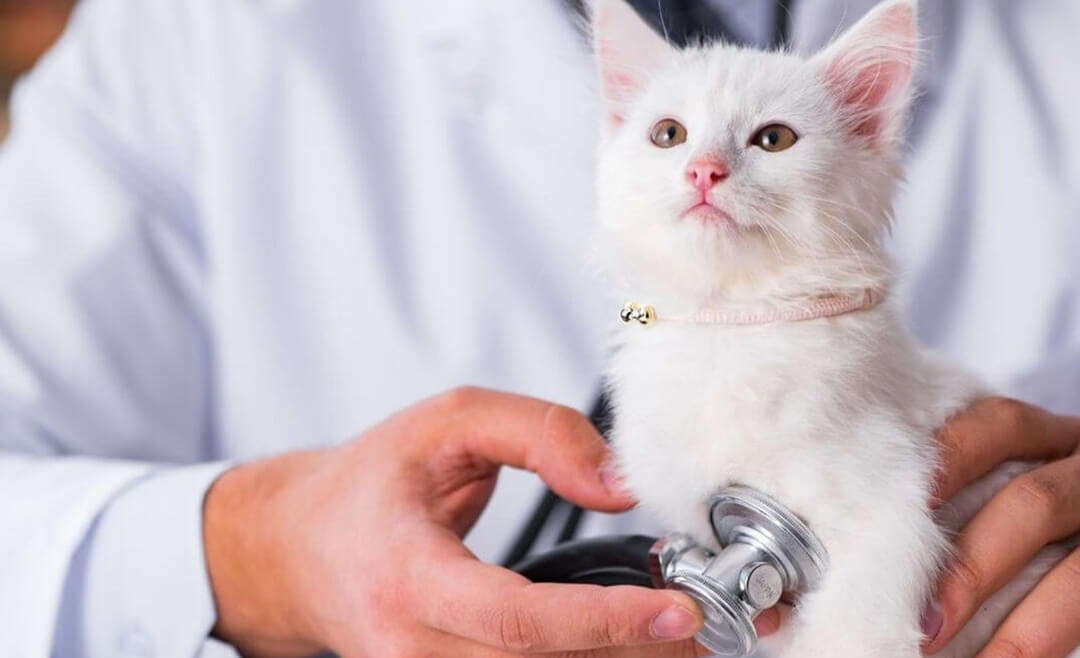
When you bring your cat to the vet for fast breathing, the vet will perform a systematic assessment. This typically starts with listening to the heart and lungs with a stethoscope.
Chest X-rays are usually the first diagnostic test ordered. They can reveal fluid in or around the lungs, an enlarged heart, tumors, or pneumonia. Blood tests help identify infections, anemia, organ disease, and systemic illness.
An ultrasound or echocardiogram is used to assess heart function in detail. Pulse oximetry measures the oxygen saturation in the blood. Based on all findings, the vet customizes a treatment plan to address the specific underlying cause.
Treatment Options for Fast Breathing in Cats
| Cause | Treatment |
|---|---|
| Feline Asthma | Corticosteroids, bronchodilators, inhalers |
| Respiratory Infection | Antibiotics, antivirals, supportive care |
| Heart Disease (HCM) | Diuretics, heart medications, monitoring |
| Pleural Effusion | Thoracocentesis (fluid drainage), treatment of underlying cause |
| Pneumonia | Antibiotics, oxygen therapy, hospitalization if severe |
| Anemia | Treatment of underlying cause, possible transfusion |
| Heartworm | Corticosteroids, oxygen therapy, prevention |
| Heatstroke | Cooling, IV fluids, oxygen |
| Stress/Anxiety | Environmental modification, sedatives if needed |
| Obesity | Controlled weight loss program |
| Anaphylaxis | Epinephrine, steroids, oxygen, emergency care |
Prevention – Reducing the Risk of Breathing Problems in Cats
Prevention is always better than emergency treatment. There are practical steps every cat owner can take to reduce the risk of respiratory issues.
Keep your cat’s environment free of cigarette smoke, strong perfumes, dusty litter, chemical sprays, and scented candles. These are common asthma triggers. Use low-dust, unscented litter wherever possible.
Schedule annual veterinary check-ups, and for cats over seven years old, ask about cardiac screening. Keep your cat at a healthy weight and up to date on all vaccinations and parasite prevention. A monthly heartworm preventative is recommended even for indoor cats in many regions.
Breeds Most Prone to Breathing Problems
Some cat breeds are structurally or genetically predisposed to respiratory issues. Knowing your breed’s risks helps you monitor more closely.
| Breed | Primary Risk |
|---|---|
| Persian | Brachycephalic airway syndrome |
| Exotic Shorthair | Brachycephalic airway syndrome |
| Himalayan | Brachycephalic airway syndrome |
| Maine Coon | Hypertrophic Cardiomyopathy (HCM) |
| Ragdoll | Hypertrophic Cardiomyopathy (HCM) |
| British Shorthair | Hypertrophic Cardiomyopathy (HCM) |
| Sphynx | Hypertrophic Cardiomyopathy (HCM) |
| Siamese | Asthma, respiratory infections |
Fast Breathing in Kittens vs. Senior Cats
Kittens naturally breathe slightly faster than adult cats. However, consistently labored or rapid breathing in a kitten is never normal and always needs prompt evaluation.
Senior cats over 10 years old are at much higher risk for heart disease, cancer, and systemic illness that can all cause breathing difficulties. Any sudden change in breathing rate in an older cat should be treated as urgent.
Regular monitoring of your senior cat’s resting breathing rate at home is one of the most useful things you can do as their owner. It provides a baseline and helps you detect changes early.
When Fast Breathing Is a True Emergency – Quick Reference
If you see any of the following, do not wait. Go directly to an emergency veterinary clinic.
Your cat is breathing with their mouth open for more than one to two minutes. Their gums are blue, white, or pale. They are breathing with their neck stretched forward and elbows out. They have collapsed or cannot stand. Their breathing rate is over 60 breaths per minute at rest. There are audible gasping, whistling, or gurgling sounds with each breath.
In any of these situations, call the emergency vet en route so they can prepare for your arrival. Every minute matters when a cat is in respiratory distress.
Frequently Asked Questions (FAQs)
Q1. What is considered fast breathing for a cat?
A healthy cat breathes 15 to 30 times per minute at rest. Anything consistently above 30 breaths per minute while resting or sleeping is considered fast and warrants veterinary evaluation.
Q2. Why is my cat breathing fast while sleeping?
Fast breathing during sleep — consistently above 30 breaths per minute — can be an early warning sign of heart failure or fluid around the lungs. Track the rate across multiple nights and call your vet if it remains elevated.
Q3. Why is my cat breathing fast but acting normal?
Mild stress, recent excitement, or heat can temporarily raise breathing rate. If it resolves within one to two hours of calm rest in a cool environment, it is likely benign. If it persists, schedule a same-day vet visit.
Q4. Is open-mouth breathing always an emergency in cats?
Yes. Unlike dogs, cats do not pant to cool down. Open-mouth breathing lasting more than one to two minutes in a cat is a medical emergency and requires immediate veterinary attention.
Q5. What causes rapid breathing in cats at night?
Night breathing spikes are often linked to cardiac disease, pleural effusion, or anxiety. If your cat breathes faster at night than during the day, track the sleeping breathing rate and report it to your vet as soon as possible.
Q6. Can stress cause my cat to breathe fast?
Yes, stress and anxiety can temporarily increase breathing rate. This should resolve within 10 to 15 minutes once the stressor is removed. Persistent stress-related breathing may need veterinary intervention with environmental modifications or medication.
Q7. What should I do if my cat is breathing fast right now?
Move your cat to a quiet, cool, well-ventilated room. Do not give any medications. Count their breathing rate and record a video if possible. If the rate is above 40 breaths per minute, there is open-mouth breathing, or the gums are blue, go to an emergency vet immediately.
Q8. Can feline asthma cause fast breathing?
Yes, asthma is one of the most common medical causes of fast breathing in cats. It is triggered by allergens and causes airway inflammation. It can be managed with corticosteroids and bronchodilators prescribed by a vet.
Q9. Can overweight cats breathe fast?
Yes, obesity increases pressure on the lungs and diaphragm, raising baseline breathing rates. Even modest weight loss under veterinary guidance significantly improves respiratory function in overweight cats.
Q10. How do I monitor my cat’s breathing rate at home?
Watch your cat’s chest or belly while they sleep. Count for 30 seconds and multiply by two. Do this monthly and note any changes. Report any consistent sleeping rate above 30 breaths per minute to your vet promptly.
Conclusion
Why is my cat breathing fast is a question that always deserves a serious answer. While some causes like stress, heat, or post-play excitement are harmless and short-lived, others — including heart disease, pleural effusion, asthma, and pneumonia — can be life-threatening without prompt treatment.
The key is knowing your cat’s normal breathing rate (15 to 30 breaths per minute at rest) and tracking any consistent deviations from it. Never ignore open-mouth breathing, blue gums, or labored breathing at rest.
These are emergencies. When in doubt, always contact your vet. Cats are masters at hiding illness, so visible breathing changes are the body’s way of sending an urgent message. Act on it quickly, and you give your cat the best possible chance of a full recovery.


