

Why is my bread so dense? It usually comes down to one thing: your dough isn’t trapping enough gas. Whether you bake by hand or use a machine, a heavy loaf is almost always caused by weak yeast, the wrong flour, poor kneading, or bad proofing timing.
The good news is that dense bread is fixable once you know which stage went wrong.
The Quick Answer: Why Dense Bread Happens
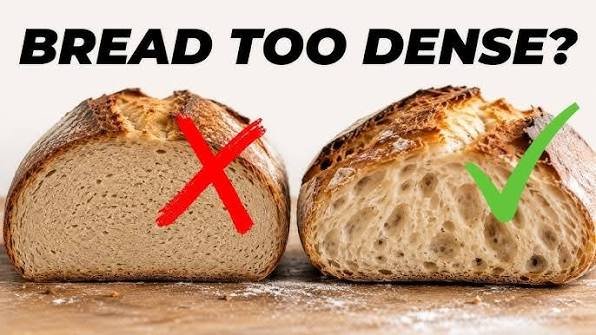

Dense bread happens when the dough can’t hold onto the gas yeast produces. That gas needs two things: enough production, and enough structure to trap it.
Structure comes from gluten. Gas comes from yeast fermentation. If either one is weak, your loaf comes out heavy.
Below, we break this down cause by cause, starting with the most common culprit for home bakers: yeast.
Why This Matters More Than It Seems
A dense loaf isn’t just a cosmetic issue. It usually signals that fermentation, gluten development, or ingredient balance went wrong somewhere in the process.
Understanding the real cause helps you fix it permanently, instead of guessing recipe after recipe.
Data Snapshot: Most Common Causes of Dense Bread
Before diving in, here’s a quick comparison of the top reported causes across baking communities and expert sources.
| Cause | How Often Bakers Report It | Fix Difficulty |
|---|---|---|
| Under-kneading | Very common | Easy |
| Weak or expired yeast | Very common | Easy |
| Too much flour (measuring error) | Very common | Easy |
| Under-proofing | Common | Medium |
| Over-proofing | Common | Medium |
| Low-protein flour | Common | Easy |
| Cold liquids / cold kitchen | Moderate | Easy |
| Salt touching yeast directly | Moderate | Easy |
| Oven not hot enough | Less common | Medium |
| High altitude | Situational | Medium |
This table sets the stage. Now let’s look at each cause in detail.
1. Yeast Problems That Kill Your Rise
Yeast is a living organism, and it needs the right conditions to work. If it’s old, cold, or damaged, your bread won’t rise properly.
Expired or Weak Yeast
Yeast loses potency over time, especially once opened. Old yeast produces far less gas, so your dough simply doesn’t expand.
Always check the expiration date, and store yeast in an airtight container in the fridge or freezer once opened.
Water Temperature Killed the Yeast
Yeast thrives around 100–110°F (38–43°C). Water that’s too hot can kill it instantly, while water that’s too cold slows it down dramatically.
Use a kitchen thermometer if you’re unsure. It removes the guesswork completely.
Not Enough Yeast in the Recipe
Some recipes are simply light on yeast, especially older or handwritten ones. If your dough barely rises after the stated time, try adding a bit more next time.
A small increase in yeast can make a noticeable difference in rise and crumb structure.
2. Flour Issues That Weigh Your Loaf Down
Flour is the backbone of bread structure, and not all flour behaves the same way.
Low-Protein Flour
Bread needs gluten to trap gas, and gluten forms from protein in flour. All-purpose flour has less protein than bread flour, so it builds weaker structure.
For yeasted loaves, bread flour (around 12–14% protein) usually gives a lighter, more open crumb.
Too Much Whole Grain or Rye
Whole wheat and rye flours contain bran and lower gluten-forming potential. This naturally leads to a denser loaf than one made with white bread flour.
If you love whole grain bread, try blending it with bread flour to lighten the texture.
Stale or Old Flour
Flour that’s been open too long can absorb moisture from the air, changing how it behaves in dough. This throws off your hydration ratio.
Store flour in a sealed container in a cool, dry spot for the best results.
3. Kneading Mistakes: Under-Kneading vs Over-Kneading
Kneading builds the gluten mesh that holds gas bubbles. Get this step wrong in either direction, and density follows.
Under-Kneaded Dough
If you stop kneading too early, the gluten network hasn’t fully formed. The dough won’t stretch, and the loaf bakes up tight and heavy.
Use the windowpane test: stretch a small piece of dough until it’s thin. It should stretch without tearing.
Over-Kneaded Dough
Over-kneading, especially in stand mixers, can break down the gluten structure you just built. The dough becomes slack and loses its ability to trap gas.
If your dough feels overly loose or sticky after kneading, it may have gone too far.
4. Proofing and Fermentation Timing
Proofing is where the yeast actually does its gas-producing work. Timing here is just as important as kneading.
Under-Proofed Dough
If you bake before the dough has fully risen, there simply isn’t enough trapped gas yet. The result is a compact, heavy crumb.
Look for the dough to roughly double in size, and use the poke test — a slow spring-back means it’s ready.
Over-Proofed Dough
Letting dough rise too long can overwork the gluten, causing it to collapse under its own weight. The gas escapes before or during baking.
A slightly warm spot and a timer help you catch the right window consistently.
Skipping the Second Rise
Some recipes call for two rises: bulk fermentation and a final proof after shaping. Skipping the second rise often produces a tighter, denser crumb.
Give shaped dough time to rise again before it goes into the oven.
5. Measuring Errors: Too Much Flour or Too Little Water
Home bakers often measure flour by volume with cups, which is inconsistent and easy to get wrong.
Scooping flour directly from the bag packs it down, adding far more flour than a recipe intends. That extra flour makes dough stiff and dense.
Weighing ingredients on a kitchen scale is the most reliable way to match a recipe’s intended hydration.
6. Salt Placement and Ratio
Salt strengthens gluten and controls yeast activity, but only in the right amount and position.
If salt touches yeast directly before mixing, it can slow or damage the yeast’s activity. Too much salt overall has a similar effect.
Add salt and yeast to opposite sides of the mixing bowl, and stick to standard ratios of about 2% salt to flour weight.
7. Oven Temperature and Baking Time
Even a well-proofed loaf can turn out dense if the oven isn’t doing its job.
Oven Not Hot Enough
The first ten minutes of baking cause “oven spring,” a final burst of rise from steam and gas expansion. A cool oven blunts this effect.
Always preheat fully, and consider baking with a stone or steel for stronger, more even heat.
Opening the Oven Too Early
Opening the door too soon lets heat and steam escape, which can stall the rise mid-bake. This traps your loaf at a smaller size.
Wait until at least the halfway point of baking before checking on your bread.
8. Altitude, Humidity, and Kitchen Temperature
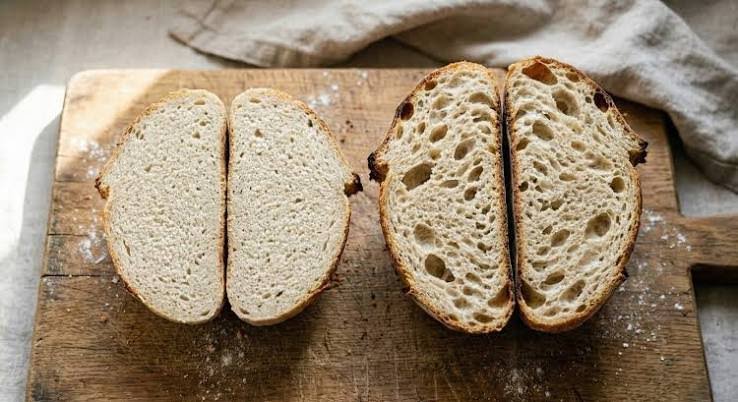

Your environment plays a bigger role than most bakers expect.
High Altitude
At higher elevations, lower air pressure makes dough rise faster and can weaken its structure before baking. This often leads to collapsed, dense loaves.
Reducing yeast slightly and shortening proof time usually helps at altitude.
Humidity and Room Temperature
A cold kitchen slows fermentation, while a humid one adds extra moisture to your dough. Both change how much your dough rises.
Find a warm, draft-free spot for proofing, around 75–80°F (24–27°C) if possible.
9. Bread Machine-Specific Causes
Bread machines automate the process, but small errors still show up as dense loaves.
Using the wrong cycle for your recipe, adding ingredients in the wrong order, or picking a recipe size too small for your machine can all lead to short, heavy loaves.
Stick to the machine manufacturer’s recommended order and cycle settings for the best results.
10. Sourdough-Specific Causes
Sourdough relies on a starter instead of commercial yeast, which adds a few extra variables.
Weak or Unfed Starter
A starter that isn’t active enough won’t produce sufficient gas. It should be bubbly and roughly doubled in size before you use it.
Feed your starter consistently and use it near its peak activity for the lightest crumb.
Under or Over Fermentation
Just like yeasted bread, sourdough can be under-fermented or over-fermented. Both lead to a dense, sometimes gummy interior.
Watch for a 50% rise in bulk fermentation and gentle jiggle as your fermentation cue, rather than relying on the clock alone.
Quick Comparison: Yeasted Bread vs Sourdough Density Causes
| Factor | Yeasted Bread | Sourdough |
|---|---|---|
| Main gas source | Commercial yeast | Wild yeast and bacteria in starter |
| Common density cause | Expired yeast, under-kneading | Weak starter, fermentation timing |
| Typical fix | Fresh yeast, proper kneading | Active starter, watch dough cues |
| Rise speed | Faster | Slower |
How to Prevent Dense Bread Next Time: A Simple Checklist
Use this checklist before your next bake to avoid the most common mistakes.
- Use bread flour with 12% or higher protein for yeasted loaves
- Check your yeast’s expiration date and store it properly
- Weigh flour and water instead of using cups
- Knead until the dough passes the windowpane test
- Let dough fully double during bulk fermentation
- Give shaped dough a proper second rise
- Keep salt and yeast separated when mixing
- Preheat your oven fully before baking
Enriched Bread vs Lean Bread Density
Not all bread is meant to be light and airy, so it helps to know what “normal” looks like for your recipe type.
Lean Dough (Just Flour, Water, Salt, Yeast)
Lean doughs like baguettes or basic sandwich loaves rely entirely on gluten and fermentation for lift. Any weakness in either shows up quickly as density.
These recipes are the least forgiving, so precise technique matters most here.
Enriched Dough (Butter, Eggs, Milk, Sugar)
Enriched doughs, like brioche or milk bread, are naturally softer and slightly heavier due to fat content. Some density is expected and normal.
Fat can also slow gluten development, so enriched doughs often need longer or gentler kneading.
Signs Your Loaf Will Turn Out Dense Before You Even Bake It
Experienced bakers can often predict a dense loaf before it goes in the oven. Learning these signs saves you from repeating mistakes.
The Dough Feels Tight and Doesn’t Stretch
If dough tears easily instead of stretching thin, gluten development is incomplete. This is your cue to knead longer, not add more flour.
The Dough Hasn’t Visibly Grown
If bulk fermentation hasn’t produced any noticeable size increase after the recipe’s stated time, something is off with your yeast or temperature.
Trust visual cues over the clock, since kitchen conditions vary widely.
The Dough Feels Heavy When You Lift It
Well-fermented dough feels light and slightly jiggly. Dough that still feels dense and heavy in your hands usually needs more proofing time.
Common Measuring and Technique Mistakes Table
Here’s a quick reference table of small technique errors that quietly lead to dense bread.
| Mistake | Why It Causes Density | Simple Fix |
|---|---|---|
| Scooping flour with a cup | Packs in extra flour | Weigh flour with a scale |
| Adding flour during kneading “to fix stickiness” | Overloads the dough | Trust the process, knead longer instead |
| Using cold tap water for yeast | Slows yeast activity | Use lukewarm water, 100–110°F |
| Skipping the poke test | Bread bakes under-proofed | Always check dough readiness visually |
| Cutting kneading time short to save time | Weak gluten network | Knead until windowpane test passes |
| Baking in a cold oven | Loses oven spring | Preheat for at least 20–30 minutes |
Can You Fix Dense Bread After It’s Baked?
Once bread is fully baked, its crumb structure is set, and you can’t make it lighter again. But you can still put it to good use.
Dense loaves work well as croutons, bread pudding, French toast, or breadcrumbs. None of that density goes to waste in the kitchen.
For your next attempt, treat the dense loaf as a diagnostic tool. Think back through kneading, proofing, and ingredient freshness to identify what likely went wrong.
Tools That Make Consistent Bread Easier
A few inexpensive tools remove much of the guesswork behind dense bread.
- A kitchen scale for weighing flour and water accurately
- An instant-read thermometer for checking water and dough temperature
- A clear container with volume markings to track bulk fermentation growth
- A simple kitchen timer to track proofing windows consistently
These tools won’t replace practice, but they cut down on the most common, avoidable mistakes over time.
Hand Kneading vs Stand Mixer vs Bread Machine
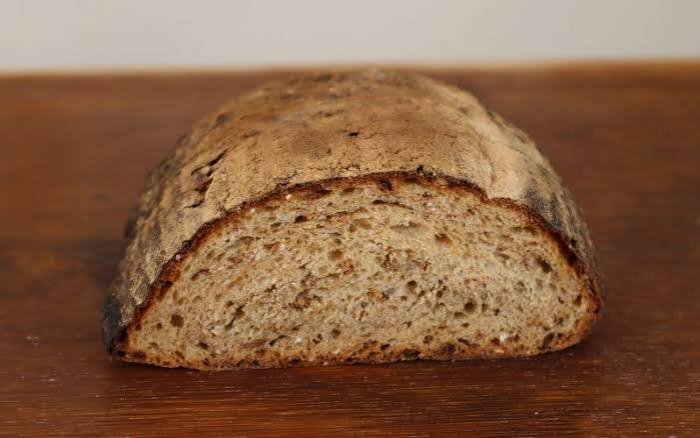

The method you use to mix and knead your dough changes how easily you can end up with a dense loaf.
Hand Kneading
Hand kneading gives you the most control and direct feedback through touch. It’s harder to over-knead by hand, but it’s easy to stop too early from fatigue.
Aim for 10–15 minutes of steady kneading, checking with the windowpane test along the way.
Stand Mixer
Stand mixers knead faster and more powerfully, which speeds up gluten development. However, it’s also easier to over-knead without noticing.
Check the dough every few minutes rather than walking away for the full cycle.
Bread Machine
Bread machines automate mixing, kneading, and proofing on a fixed cycle. This convenience means less flexibility if your kitchen conditions differ from average.
Adjust liquid temperature and ingredient order carefully, since the machine can’t compensate for those variables on its own.
Regional Flour Differences Worth Knowing
Flour protein content varies by country and brand, which can be confusing when following recipes from elsewhere.
| Region | Typical Flour Label | Approx. Protein % |
|---|---|---|
| United States | Bread flour | 12–14% |
| United States | All-purpose flour | 10–12% |
| United Kingdom | Strong or bread flour | 12–13% |
| United Kingdom | Plain flour | 9–11% |
| Canada | All-purpose flour | 11–13% |
If a recipe from another country underperforms for you, mismatched flour protein is a likely reason. Check the protein percentage on your flour’s nutrition label and adjust accordingly.
A Simple Troubleshooting Flow You Can Follow
When your bread comes out dense, work through these questions in order to narrow down the cause quickly.
First, check your yeast: is it fresh, and was your water the right temperature? Second, check your flour: is it bread flour, and was it measured by weight?
Third, check your kneading: did the dough pass the windowpane test? Fourth, check your proofing: did the dough visibly double before baking?
Working through this short sequence after every disappointing loaf will train you to catch problems faster over time.

Frequently Asked Questions (FAQs)
Why is my homemade bread always dense?
It’s usually a mix of weak yeast, under-kneading, or under-proofing. Check each stage individually to find your specific issue.
Does more yeast make bread less dense?
Slightly more yeast can help, but too much can cause overly fast rising and structural collapse. Balance is more important than quantity.
Why is my bread dense but not gummy?
Dense-but-dry bread usually points to too much flour or under-proofing rather than fermentation problems. Recheck your measuring method.
Why is my bread machine bread always dense?
Common causes include old yeast, cold liquids, or using the wrong recipe size for your machine. Match your recipe to your machine’s capacity.
Can over-kneading make bread dense?
Yes, over-kneading can break down gluten structure, especially in stand mixers. Stop once the dough passes the windowpane test.
Why is my sourdough bread dense and gummy?
This is almost always under-fermentation or a weak, unfed starter. Let your starter peak and watch dough cues, not just time.
Does kneading longer always fix dense bread?
No, kneading only helps if the dough was actually under-developed. Over-proofing or weak yeast won’t be solved by extra kneading.
Why is my whole wheat bread denser than white bread?
Whole wheat flour has bran that cuts gluten strands, naturally producing a tighter crumb. Blending with bread flour lightens the texture.
Does altitude really affect bread density?
Yes, high altitude speeds up rising and can weaken dough structure before baking. Reduce yeast slightly and shorten proof times.
How do I know if my dough is proofed enough?
Use the poke test: press the dough gently, and it should spring back slowly, leaving a slight indent. Fully sprung-back dough needs more time.
Conclusion
Dense bread almost always traces back to one of a few culprits: weak yeast, the wrong flour, poor kneading, or mistimed proofing. Once you understand how gluten and gas work together, troubleshooting becomes much easier.
Start by checking your yeast’s freshness and your flour’s protein content, since these are the most common issues for home bakers. Next, pay close attention to kneading and proofing cues rather than relying only on the clock. Small adjustments, like weighing ingredients, separating salt from yeast, and fully preheating your oven, often make the biggest difference.
Bread baking rewards patience and observation more than perfection. With the causes and fixes in this guide, you’re well equipped to diagnose your next loaf and bake something lighter, airier, and far more satisfying.