


Why is it bad luck to open an umbrella inside is a question almost everyone has wondered while quickly snapping one shut the moment they step through a doorway.
This superstition has been passed down for generations, showing up in different forms across cultures from ancient Egypt to Victorian England. Some trace it back to religious beliefs about angering the sun, while others point to very real safety hazards from old fashioned umbrella designs.
The Short Answer To Why Opening An Umbrella Inside Is Bad Luck
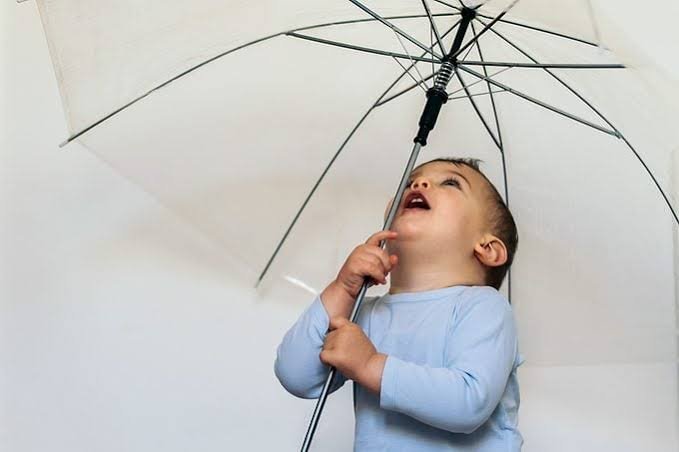
Opening an umbrella indoors is considered bad luck due to a mix of ancient religious beliefs and real Victorian era safety hazards.
Ancient Egyptians linked it to insulting the sun god, while Victorians linked it to broken objects and injuries.
The Ancient Egyptian Origin Story
The oldest known theory traces this superstition back to ancient Egypt, around 1200 BCE.
Egyptian royalty and priests used early umbrellas made of papyrus and peacock feathers to shield themselves from the sun.
These parasols symbolized the protective shade of the sky goddess and were treated as sacred objects.
Opening one indoors, away from actual sunlight, was seen as a mockery of the sun god Ra.
Why This Was Considered An Insult To The Sun God
In Egyptian belief, umbrellas existed specifically to block the powerful rays of the sun.
Using one indoors, where there was no sun to block, made the object’s purpose meaningless.
This meaningless act was viewed as disrespectful toward Ra, the deity associated with the sun and creation.
Angering a major god was believed to invite misfortune upon the person responsible.
Umbrellas And Status In Ancient Egypt
Umbrellas in ancient Egypt were not everyday items available to the general public.
Only royalty and religious leaders were permitted to use them, making the object a symbol of power.
Allowing the shade of a royal umbrella to fall on a commoner was considered a serious breach of social order.
This strict association between umbrellas and status added extra weight to any perceived misuse of the object.
The Victorian England Safety Theory
The second major theory places the superstition’s rise in 18th and 19th century London.
Waterproof umbrellas became widely popular during this period, especially among the growing middle class.
These early umbrellas had large metal spokes, spring loaded mechanisms, and a wide opening radius.
Opening one suddenly in a small, cluttered Victorian room could easily injure people or damage nearby objects.
How Real Accidents Shaped The Superstition
Victorian homes were often small and filled with delicate furniture, glassware, and decorations.
An umbrella’s rigid metal spokes snapping open could shatter fragile items or strike someone in the face.
Author Charles Panati described this danger directly, noting that a suddenly opened umbrella could seriously injure a child or adult indoors.
Over time, this practical warning transformed into a widely repeated superstition about bad luck.
Comparing The Two Origin Theories
| Theory | Time Period | Core Reason |
|---|---|---|
| Egyptian sun god theory | Around 1200 BCE | Seen as disrespecting the sun god Ra |
| Victorian safety theory | 18th to 19th century London | Real risk of injury or property damage |
Which Theory Do Historians Believe Is More Accurate
Many folklore historians lean toward the Victorian safety explanation as the more practical and well documented origin.
The physical design of early umbrellas matches perfectly with the type of accidents described in historical accounts.
The Egyptian theory is older and more symbolic, relying on religious belief rather than documented incidents.
Most researchers now believe the modern superstition likely blends both stories into one widely repeated warning.
How The Superstition Spread Across Cultures
Once established in England, the umbrella superstition spread widely through British colonial influence and trade.
Many English speaking countries adopted the belief as part of a broader tradition of household superstitions.
Similar object based superstitions, like breaking a mirror or walking under a ladder, spread through comparable channels.
Cultural exchange and storytelling helped the belief take root far beyond its original European setting.
The Umbrella Superstition In Chinese Culture
In Chinese folklore, opening an umbrella indoors is linked to angering a rain deity rather than a sun god.
This belief holds that indoor use could provoke the deity into withholding rainfall or causing misfortune.
Separately, gifting an umbrella in Chinese culture is considered unlucky due to a wordplay connection with the word for separation.
These layered beliefs show how umbrella superstitions took on distinct meanings in different cultures.
The Umbrella Superstition In Japanese Culture
Japanese folklore also includes a warning against opening umbrellas indoors, tied to inviting misfortune into the household.
Traditional beliefs in Japan often connect objects and rituals to protective or harmful spiritual energy.
An umbrella opened indoors was thought to disrupt the natural balance of protection within the home.
This belief exists alongside many other traditional Japanese superstitions involving everyday household objects.
Umbrella Superstitions Around The World
| Region | Belief About Indoor Umbrellas |
|---|---|
| Ancient Egypt | Disrespects the sun god Ra |
| Victorian England | Risk of injury or broken objects |
| China | Angers a rain deity, may cause misfortune |
| Japan | Invites bad luck into the household |
Other Umbrella Related Superstitions
Beyond opening one indoors, several other umbrella superstitions exist across various cultures.
Placing an umbrella on a bed or piece of furniture is sometimes believed to invite illness or bad luck.
Gifting someone an umbrella is considered unlucky in some cultures, symbolizing an eventual separation or falling out.
In parts of Chinese tradition, umbrellas have also been used ceremonially to shield the deceased during funeral processions.
The Psychology Behind Believing In Superstitions
Superstitions like this one are often described by researchers as a form of magical thinking.
Magical thinking involves believing that unrelated actions or objects can influence future outcomes.
Anthropologists note that the specific consequences of a superstition vary widely across different cultures and communities.
Believing in small superstitions can also serve as a way for people to feel a sense of control over uncertain events.
Why Superstitions Persist Even Without Scientific Evidence
Despite having no scientific basis, superstitions like this one continue to be passed down through generations.
Repetition within families and communities plays a major role in keeping old beliefs alive over time.
Superstitions often spread faster than straightforward explanations because they carry a memorable story or warning.
This combination of tradition, storytelling, and caution helps explain why the umbrella superstition has lasted for centuries.
Is There Any Real Danger In Opening An Umbrella Indoors Today
Modern umbrellas are generally safer than their Victorian counterparts, with softer edges and improved mechanisms.
However, opening one suddenly indoors can still knock over small objects or startle people nearby.
Larger golf umbrellas in particular can still pose a mild risk in cramped indoor spaces.
While the “bad luck” itself is not real, the original safety concern still holds some practical value.
Etiquette Around Umbrellas Indoors
Etiquette experts note that opening an umbrella indoors is often seen as socially awkward, even without any belief in bad luck.
It can come across as careless in shared spaces like offices, restaurants, or someone else’s home.
Many people still instinctively avoid the act simply out of habit or social courtesy.
This shows how a superstition can influence behavior long after its original meaning has faded.
How To Reverse Umbrella Related Bad Luck
Some folklore traditions include small rituals meant to reverse the bad luck of an accidentally opened indoor umbrella.
One common tradition suggests immediately closing the umbrella and stepping outside briefly to “undo” the mistake.
Other traditions involve simple gestures like knocking on wood, another widely recognized folk remedy for bad luck.
These rituals are symbolic and hold no proven effect, but they remain part of many family traditions.
Similar Superstitions Involving Everyday Objects
| Superstition | Common Belief |
|---|---|
| Breaking a mirror | Believed to bring seven years of bad luck |
| Walking under a ladder | Thought to invite misfortune |
| Black cat crossing your path | Associated with bad luck in Western folklore |
| Spilling salt | Believed to require tossing a pinch over the shoulder |
Why This Superstition Remains Popular Today
Even in a modern, science driven world, the umbrella superstition continues to be widely recognized and repeated.
Its combination of ancient mythology and practical Victorian caution gives it a uniquely lasting appeal.
Movies, books, and casual conversation continue to reference the belief, keeping it culturally relevant.
Many people follow the superstition simply out of habit, even without truly believing it holds any power.
The Role Of Parasols In Ancient Ceremonies
In many ancient cultures, umbrellas and parasols were used far beyond simple sun protection.
They often appeared in royal processions, religious ceremonies, and public displays of power and status.
Carrying a parasol over a ruler symbolized divine protection and reinforced their elevated position in society.
This ceremonial weight made the object feel sacred, adding another layer to why misuse was taken so seriously.
How Umbrellas Evolved From Sun Shields To Rain Protection
Early umbrellas across ancient civilizations were designed primarily to block sunlight rather than rain.
Over centuries, the design gradually shifted to also protect against rain, especially in wetter climates like Britain.
This shift changed the umbrella’s everyday purpose while the older superstitions and symbolism remained attached to the object.
Understanding this evolution helps explain why the sun god theory can feel disconnected from how umbrellas are used today.
The Invention Of The Modern Folding Umbrella
The modern folding umbrella design became widely popular in the 1700s, particularly in England and France.
Jonas Hanway, an English traveler, is often credited with popularizing umbrella use among men in London.
Before this period, umbrellas were more commonly associated with women, while men relied mainly on hats and coats.
This shift in popularity coincided closely with the timeframe linked to the Victorian safety theory of the superstition.
Superstitions As A Form Of Cultural Storytelling
Superstitions often function as informal storytelling tools passed down through families and communities.
They combine caution, tradition, and a bit of mystery into a single memorable rule.
This storytelling function helps explain why superstitions like the umbrella belief spread so widely and persist for so long.
Even people who do not believe the superstition often still remember and repeat the story behind it.
Common Household Superstitions Compared
| Superstition | Region Of Origin | Believed Consequence |
|---|---|---|
| Opening umbrella indoors | Egypt and Victorian England | General bad luck or misfortune |
| Walking under a ladder | Ancient Egypt and Christian Europe | Bad luck or broken trust |
| Breaking a mirror | Ancient Rome | Seven years of bad luck |
| Black cat crossing path | Medieval Europe | Bad luck or misfortune |
Why This Superstition Rarely Applies To Closed Umbrellas
Interestingly, most versions of this superstition specifically involve opening an umbrella indoors, not simply carrying one inside closed.
A closed umbrella carries none of the original safety risk associated with sudden metal spoke movement.
This detail supports the Victorian safety theory, since the danger only existed when the umbrella was actively opened.
It also shows how superstitions can retain specific practical details even as their origins fade from common memory.
Umbrellas In Literature And Film
Umbrellas have appeared as symbolic objects in countless books, films, and works of art over the centuries.
Characters opening umbrellas indoors are sometimes used deliberately in storytelling to foreshadow misfortune or trouble.
This recurring imagery reinforces the superstition in the public imagination, even among people unfamiliar with its origins.
Pop culture references help keep old folklore beliefs alive for new generations who may never hear the original stories.
Regional Variations Of The Superstition
Some regions add extra conditions to the superstition, such as only black umbrellas being considered unlucky indoors.
Other local traditions suggest the bad luck only applies if the umbrella is opened by someone other than the owner.
These regional variations show how a single core superstition can branch into many localized versions over time.
Family traditions often shape which version of the belief gets passed down to the next generation.
Superstitions Tied To Weather And Nature
The umbrella superstition fits into a broader category of folklore connected to weather, sun, and rain.
Many cultures developed beliefs and rituals aimed at pleasing or avoiding the anger of nature related deities.
Rain dances, sun worship rituals, and weather related taboos share a similar underlying logic with the umbrella belief.
This connection highlights how deeply weather has shaped folklore and superstition throughout human history.
Why Children Are Often Taught This Superstition Early
Parents frequently pass down the umbrella superstition to children as both a safety reminder and a cultural tradition.
Teaching children not to open umbrellas indoors doubles as a practical lesson about handling sharp or bulky objects safely.
This blending of safety guidance and folklore helps the superstition survive across many generations within families.
Even adults who no longer believe in bad luck often continue the habit simply from childhood conditioning.
How To Talk About This Superstition With Skeptics
When discussing this superstition with skeptics, it helps to separate the folklore aspect from the practical safety aspect.
Explaining the Victorian era injury risk often resonates more with skeptics than the ancient religious explanation alone.
Framing the belief as a blend of history and caution, rather than pure superstition, can make the topic more engaging.
This approach respects both the cultural history and the practical reasoning behind the long standing belief.
Umbrella Superstitions In Modern Fashion And Design
Some umbrella brands lean into the superstition as a marketing angle, embracing the folklore in product storytelling.
Limited edition umbrellas sometimes reference luck, mythology, or historical themes tied to the original superstitions.
This shows how old folklore can be repurposed creatively rather than simply feared or dismissed.
Modern designers often balance function and tradition, keeping the cultural story alive through product branding.
Comparing Belief In Superstitions Across Generations
Older generations often report stronger adherence to traditional superstitions like the umbrella belief.
Younger generations may follow the habit out of routine rather than genuine belief in bad luck.
Surveys on superstition generally show a decline in strict belief but continued casual observance of the behavior.
This generational shift reflects broader changes in how folklore is treated within modern, science informed society.
Umbrella Superstitions Involving Colors
Some folklore traditions single out specific umbrella colors as carrying different levels of luck or misfortune.
Black umbrellas are sometimes viewed as more strongly associated with bad luck due to their traditional link to mourning.
Brightly colored umbrellas are occasionally seen as more neutral or even lucky in certain regional traditions.
These color based beliefs are considered later additions layered on top of the original core superstition.
The Connection Between Superstition And Home Safety Habits
Many household superstitions, including this one, quietly encourage habits that also happen to be practical.
Avoiding sudden, wide movements with sharp objects indoors is simply good sense, regardless of any belief in luck.
This overlap between folklore and practicality may be part of why the superstition has proven so durable.
It also suggests that not every superstition is purely irrational, even if the stated reason behind it is.
Common Searches Related To This Superstition
Many people search for related terms like umbrella bad luck meaning, umbrella superstition origin, and why do umbrellas indoors bring bad luck.
Other common searches include Egyptian umbrella superstition, Victorian umbrella superstition, and list of common household superstitions.
Each of these searches connects back to the same layered history covered in this guide, from ancient mythology to Victorian safety concerns.
Understanding these related terms helps explain why this superstition remains one of the most searched folklore topics today.
Frequently Asked Questions (FAQs)
Why is it bad luck to open an umbrella inside?
The superstition comes from ancient Egyptian beliefs about insulting the sun god and Victorian era safety concerns.
Where did the umbrella superstition originally come from?
It likely originated in ancient Egypt and was later reinforced by real safety hazards in Victorian England.
Is there any scientific proof behind this superstition?
No, there is no scientific evidence, but the Victorian safety concerns had a real practical basis.
Does every culture believe opening an umbrella indoors is unlucky?
No, beliefs vary widely, with different meanings found in Egyptian, British, Chinese, and Japanese traditions.
Why did Egyptians think it was disrespectful to the sun god?
Umbrellas were meant to block sunlight, so using one indoors made the sacred object’s purpose meaningless.
What made Victorian umbrellas dangerous indoors?
Their rigid metal spokes and spring mechanisms could injure people or break objects in small rooms.
Is it still considered rude to open an umbrella indoors today?
Yes, many people still view it as awkward or careless, even without believing in the superstition.
Are there ways to reverse umbrella related bad luck?
Some traditions suggest closing the umbrella immediately and briefly stepping outside to undo the mistake.
Is gifting an umbrella also considered bad luck?
Yes, in some cultures gifting an umbrella symbolizes separation due to a wordplay connection.
Do modern umbrellas still pose a safety risk indoors?
Modern umbrellas are safer, but larger umbrellas can still knock over objects in tight spaces.
Conclusion
So why is it bad luck to open an umbrella inside? The answer blends two powerful stories, an ancient Egyptian belief about disrespecting the sun god Ra, and a very real Victorian era safety concern involving sharp metal spokes and cramped living rooms.
Over centuries, these two explanations merged into one widely recognized superstition that spread across cultures, taking on new meanings in places like China and Japan along the way.
While there is no scientific evidence that opening an umbrella indoors actually causes misfortune, the original safety warning still holds a small kernel of practical truth. Today, most people follow the superstition out of habit, tradition, or simple social etiquette rather than genuine belief.
Whether you see it as folklore or common sense, this small habit remains one of the most enduring superstitions still practiced around the world. Next time you catch yourself waiting to step outside before popping open your umbrella, you will know exactly where that instinct came from.


