


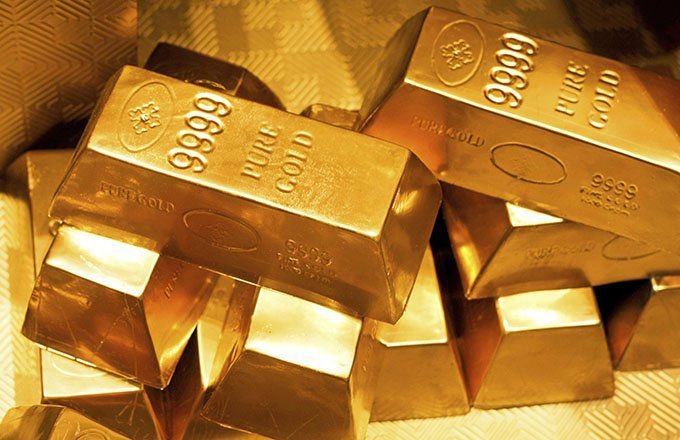
Why is gold so expensive in 2026? It comes down to a mix of scarcity, mining costs, global demand, and the simple fact that gold has been trusted as “real money” for thousands of years.
Gold prices have hit record highs recently, and that has left a lot of people scratching their heads. If you walk into a jewelry store or check a gold rate app, you’ll notice the numbers keep climbing, sometimes week after week.
In this guide, we’ll break down exactly why gold costs so much, what drives its price up or down, and what factors you should understand before buying gold as jewelry or as an investment. We’ll cover supply limits, mining expenses, central bank buying, inflation, and more in simple, easy-to-understand language.
Quick Overview: Why Gold Costs So Much
Before diving into details, here’s a quick snapshot of the main reasons gold is expensive. Each of these factors plays a role, and together they create the high price tags we see today.
| Reason | Short Explanation |
|---|---|
| Limited supply | Gold is rare and finite, mining can’t keep up with demand |
| High mining costs | Extraction, refining, and labor are expensive |
| Safe-haven demand | Investors buy gold during uncertainty |
| Inflation hedge | Gold protects purchasing power when currency value drops |
| Central bank buying | Governments stockpile gold reserves |
| Currency value (USD) | A weaker dollar pushes gold prices higher |
| Cultural and jewelry demand | Gold is tied to traditions, weddings, and status |
1. Gold Is Extremely Rare and Hard to Find
One of the biggest reasons gold is so expensive is simple scarcity. Unlike paper money, gold cannot be printed or created on demand.
All the gold ever mined on Earth would fit into a relatively small cube. Most of the easy-to-reach deposits have already been extracted over centuries of mining.
New gold discoveries are becoming rarer every year. Mining companies have to dig deeper and explore more remote locations, which adds to the cost and limits how much new gold enters the market.
2. Mining Gold Is a Long and Costly Process
Getting gold out of the ground isn’t as simple as digging a hole. It involves years of exploration, drilling, environmental studies, and heavy machinery before a single ounce is produced.
After extraction, the raw ore has to be processed and refined to remove impurities. This refining process uses energy, chemicals, and skilled labor, all of which add to the final cost.
Labor costs, fuel prices, equipment maintenance, and safety regulations all stack up. Mining companies pass these expenses along, which is reflected in the market price of gold.
3. Gold Is a Safe-Haven Asset During Uncertain Times
Whenever there’s economic trouble, war, or political instability, investors rush toward gold. This is often called a “flight to safety.”
Unlike stocks or currencies, gold doesn’t depend on any single government or company performing well. It holds value on its own, which makes people feel secure holding it during turbulent periods.
This increased demand during uncertain times pushes prices higher. The more nervous investors become about the economy, the more they tend to buy gold, driving prices up further.
4. Gold Protects Against Inflation
Inflation means your money buys less over time. Gold has historically held its purchasing power even when paper currencies lose value.
When inflation rises, people often move their savings into gold instead of cash. This is because gold doesn’t lose value the way currency does when central banks print more money.
As more people buy gold to protect their wealth from inflation, demand increases. Higher demand combined with limited supply naturally pushes the price of gold upward.
5. Central Banks Are Buying More Gold Than Ever
Central banks around the world have been increasing their gold reserves significantly in recent years. Countries want to reduce their dependence on the US dollar and other foreign currencies.
When central banks buy gold, they often purchase in massive quantities. This isn’t like an individual buying a small coin, it’s tons of gold being bought at once.
This large-scale buying reduces the available supply for everyday investors and jewelers. With less gold available and high demand from governments, prices naturally rise.
6. The US Dollar and Gold Have an Inverse Relationship
Gold is priced globally in US dollars. When the dollar weakens, gold becomes cheaper for buyers using other currencies, which increases demand and pushes prices up.
On the other hand, when the dollar is strong, gold often becomes more expensive for international buyers, but this relationship isn’t always perfectly linear.
Many investors watch the US dollar index closely because it gives clues about where gold prices might be heading next. A falling dollar is often seen as a signal that gold prices could rise.
7. Cultural Demand and Jewelry Consumption
In many countries, especially India and China, gold isn’t just an investment, it’s deeply tied to culture, weddings, and festivals. This creates massive seasonal demand spikes.
During wedding seasons and major festivals, gold jewelry sales increase dramatically. This consistent cultural demand adds a steady pressure on gold prices throughout the year.
Combine this cultural demand with investment demand, and you get a metal that is wanted by almost everyone, everywhere, for very different reasons.
How Gold Prices Have Changed Over Time
Gold has gone through several major price cycles throughout history. Understanding this history helps explain why current prices feel so high.
In the 1970s, gold prices shot up due to high inflation and a weak US dollar, reaching record highs at the time. After that, prices entered a long period of decline.
The early 2000s saw gold rise again due to economic concerns and geopolitical tensions. Prices climbed steadily for over a decade with only minor dips.
| Time Period | Key Driver | General Trend |
|---|---|---|
| 1970s | High inflation, weak dollar | Sharp price increase |
| 1980s-1990s | Economic stability | Long decline |
| 2001-2011 | Global economic concerns | Steady rise |
| 2020 | COVID-19 pandemic | Sharp spike |
| 2024-2026 | Inflation, central bank buying | Record highs |
Gold vs Other Precious Metals
Gold isn’t the only precious metal, but it’s by far the most valuable in terms of overall market trust. Silver and platinum have industrial uses, but gold’s value is more tied to wealth storage.
Unlike silver, which tarnishes over time due to oxidation, gold remains shiny and unchanged for thousands of years. This durability adds to its appeal as a long-term store of value.
Platinum is actually rarer than gold in some cases, but it doesn’t carry the same historical and cultural weight that gold does across civilizations.
Is Gold a Good Investment Right Now?
Whether gold is a good investment depends on your financial goals. Many financial advisors suggest gold as a small portion of a diversified portfolio, typically around 5-10%.
Gold doesn’t pay dividends or interest like stocks or bonds. Its value comes purely from price appreciation and its role as a hedge against economic trouble.
If you’re looking for steady income, gold might not be the right fit. But if you want protection against inflation and currency devaluation, it can play a useful role.
Will Gold Prices Keep Rising?
Predicting gold prices with certainty is impossible, but several trends suggest continued strength. Central bank buying shows no signs of slowing down significantly.
Global debt levels remain high, and many economists believe inflation pressures will persist. Both of these factors typically support higher gold prices over time.
That said, gold can experience sharp pullbacks after rapid price increases. If you’re buying gold, it’s wise to think long-term rather than expecting constant upward movement.
How to Buy Gold Safely
There are several ways to buy gold, including physical jewelry, gold coins, gold bars, and paper gold like ETFs. Each option has different costs and benefits.
Physical gold gives you something tangible you can hold, but it comes with storage and insurance considerations. ETFs offer easier buying and selling without storage hassles.
Always buy from reputable, certified dealers and check for hallmarks or certificates of authenticity. This protects you from fake or underweight gold products.
Frequently Asked Questions (FAQs)
Why is gold so expensive right now?
Gold is expensive due to rising inflation, central bank buying, and global economic uncertainty pushing investors toward safe-haven assets.
What makes gold more valuable than other metals?
Gold’s rarity, durability, universal acceptance, and centuries of cultural trust make it more valuable than most other metals.
Does gold price depend on the US dollar?
Yes, gold is priced in US dollars, so a weaker dollar generally makes gold more expensive in other currencies.
Is gold a good hedge against inflation?
Yes, gold historically maintains purchasing power during inflationary periods, unlike cash which loses value over time.
Why do central banks buy so much gold?
Central banks buy gold to diversify reserves, reduce dollar dependency, and strengthen national financial stability.
Will gold prices go down soon?
It’s hard to predict, but high demand and limited supply suggest prices may remain elevated in the near term.
Is buying gold jewelry a good investment?
Gold jewelry includes making charges and taxes, so it’s generally less efficient as an investment compared to coins or bars.
How is gold price determined globally?
Gold price is determined through international markets like the London Bullion Market, based on supply, demand, and currency values.
What percentage of my portfolio should be gold?
Financial advisors often suggest allocating around 5-10% of a portfolio to gold for diversification and protection.
Why does gold not lose value like paper money?
Gold has intrinsic scarcity and cannot be printed, unlike paper currency which can be devalued through inflation.
Conclusion
Gold’s high price isn’t random, it’s the result of genuine scarcity, expensive mining operations, strong safe-haven demand, and aggressive central bank buying happening all at once.
Add in inflation concerns, a fluctuating US dollar, and deep cultural traditions around gold jewelry, and you get a metal that almost everyone wants to hold onto.
Whether you’re buying gold for jewelry, tradition, or as an investment, understanding these factors helps you make smarter decisions.
Gold’s value isn’t going anywhere anytime soon, and these seven reasons explain exactly why it remains one of the most expensive and trusted assets in the world today, even as prices continue to evolve with global economic shifts.


