


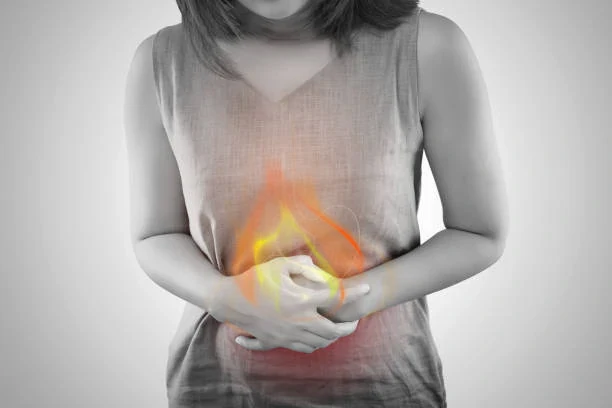
Why does water give me heartburn — a question that stumps millions of people every day. Water is supposed to be the safest drink on the planet, yet for many people it triggers a burning sensation in the chest or throat.
This is not just in your head. There are real, medically proven reasons why plain water can set off acid reflux.
What Is Heartburn and Why Does It Happen?
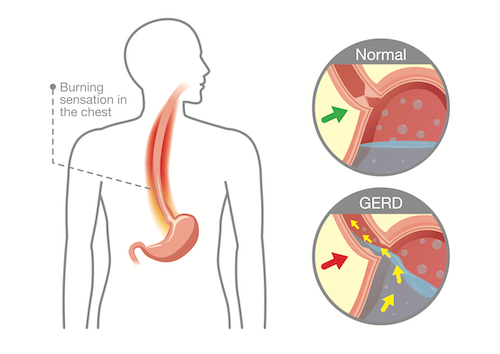
Heartburn is not a heart problem at all. It is a digestive issue where stomach acid flows backward into the esophagus, the tube connecting your mouth to your stomach.
That backward flow is called acid reflux. When it happens regularly, doctors diagnose it as GERD (gastroesophageal reflux disease).
The burning sensation you feel in your chest or throat is your esophageal lining reacting to acid — tissue that, unlike your stomach lining, has no protective mucus coating.
The Role of the Lower Esophageal Sphincter (LES)
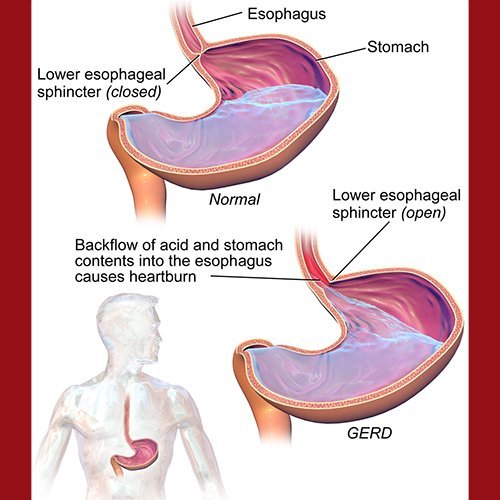
The lower esophageal sphincter (LES) is a circular muscle that sits at the junction of your esophagus and stomach. Think of it as a one-way valve.
It opens when you swallow food or water, then closes tightly to keep stomach contents — including acid — where they belong.
When the LES is weak, damaged, or temporarily relaxed, acid escapes upward. This is the core mechanism behind every single case of heartburn, including heartburn from water.
How Water Specifically Triggers Heartburn
Water seems harmless but it can cause heartburn through several physical mechanisms.
Volume and Stomach Pressure
When you drink a large amount of water quickly, your stomach expands rapidly. That expansion increases internal gastric pressure and pushes against the LES, forcing it open when it should stay shut.
Research confirms that gastric distension — stomach stretching — directly increases acid exposure at the LES. People with pre-existing reflux issues experience this distension with far less fluid than healthy individuals.
Dilution of Stomach Acid (Temporary pH Shift)
Water briefly raises the pH of stomach acid, making it slightly more alkaline for a few minutes. Your stomach detects this and compensates by producing more acid to restore proper pH for digestion.
A crossover study on 12 healthy subjects showed that drinking water raised gastric pH above 4 in under one minute — but this effect reversed within 3 minutes as extra acid was secreted.
Floating Food Effect
If you drink water right after eating, it mixes with the food already in your stomach. The food and acid can rise toward the LES as pressure builds, especially if you drank quickly or gulped large amounts.
This explains why heartburn from water is often worse after meals.
Key Reasons Water Gives You Heartburn
| Cause | What Happens | Who Is Most Affected |
|---|---|---|
| Drinking too fast | Stomach distension, LES pressure | Everyone |
| Cold water | Stomach produces more acid to warm it | Sensitive digestive systems |
| Carbonated water | CO2 bubbles increase gastric pressure | GERD patients |
| Empty stomach | Acid and water mix, rise together | Morning heartburn sufferers |
| Hard / mineral water | High calcium/magnesium disrupts digestion | People with sensitive stomachs |
| Drinking with meals | Food floats up as stomach fills | People who eat large meals |
| Lying down after drinking | Gravity no longer keeps acid down | Night-time reflux sufferers |
Cold Water and Heartburn: Is There a Connection?
Yes, water temperature matters more than most people realize. When you drink very cold water, your stomach has to work harder to warm it to body temperature — around 98.6°F (37°C).
This extra thermal work stimulates increased stomach acid production. More acid in the stomach means a greater chance of reflux, especially if your LES is not functioning perfectly.
Room temperature or slightly warm water is far gentler on the stomach lining and less likely to provoke this acid overproduction response.
Carbonated Water and Heartburn
Sparkling water, club soda, and fizzy mineral water are significantly more likely to cause heartburn than still water. The carbon dioxide dissolved in carbonated drinks creates bubbles inside your stomach.
Those bubbles expand and generate gas pressure. That pressure pushes stomach contents — including acid — toward the LES. If the LES gives way even slightly, you get reflux.
If you experience heartburn from sparkling water, switching to still water alone may resolve the issue completely.
Morning Water Heartburn: Why the First Glass Hurts
Many people report that drinking water first thing in the morning triggers burning almost immediately. There is a straightforward explanation.
During sleep, your stomach produces acid but you are not eating or swallowing to move it through. By morning, there is an overnight buildup of gastric acid waiting in your stomach.
When you drink water on that empty, acid-filled stomach, the two liquids mix and pressure builds quickly. The acid rises toward the esophagus before your digestive system has had a chance to process the overnight buildup.
Eating a small amount before your morning water — even a few crackers — can buffer this effect significantly.
Risk Factors That Make You More Vulnerable
Not everyone gets heartburn from water. These conditions and habits raise your personal risk significantly.
GERD (Gastroesophageal Reflux Disease)
People with GERD already have a chronically weakened or dysfunctional LES. For them, even a modest increase in stomach volume from water can trigger reflux. Water-induced heartburn in GERD patients is common and expected.
Hiatal Hernia
A hiatal hernia occurs when part of the stomach pushes upward through the diaphragm into the chest cavity. This structural abnormality directly weakens LES function and makes acid reflux far more likely with any food or drink, including water.
Obesity and Excess Abdominal Weight
Extra weight around the abdomen applies constant external pressure on the stomach. This chronic pressure makes the LES work harder and increases the likelihood of acid escaping — particularly after drinking fluids that add volume.
Pregnancy
Hormonal changes during pregnancy relax the LES, and the growing uterus pushes upward on the stomach. Pregnant women frequently report heartburn from water, especially in the second and third trimesters.
Age-Related LES Weakening
As people age, the muscles of the digestive system — including the LES — gradually weaken. Older adults are statistically more prone to acid reflux and heartburn from fluid intake.
Certain Medications
Antihistamines, blood pressure medications (especially calcium channel blockers), tricyclic antidepressants, and certain pain relievers can relax the LES as a side effect. If heartburn from water started after beginning a new medication, speak with your prescribing doctor.
Stress
High stress levels increase stomach acid production and can affect LES function. People going through periods of intense stress often report worsened heartburn symptoms even from neutral triggers like water.
Hard Water vs. Soft Water: Does Mineral Content Matter?
Hard water contains elevated levels of calcium, magnesium, and other minerals. Some people report that switching from tap water (which is often hard) to spring water or filtered water reduces heartburn episodes noticeably.
The theory is that high mineral content in hard water can stimulate excess stomach acid production and disrupt normal digestive function in sensitive individuals.
Tap water also frequently contains chlorine and chloramines added for purification. At higher concentrations, these additives can irritate the gastrointestinal tract and contribute to digestive discomfort.
| Water Type | Mineral Content | Heartburn Risk |
|---|---|---|
| Tap water | Variable, often high | Moderate to high for sensitive users |
| Hard water | High calcium/magnesium | Higher risk in sensitive individuals |
| Spring water | Natural, balanced minerals | Lower risk for most people |
| Filtered water | Minerals removed | Lowest irritation risk |
| Sparkling / carbonated | CO2 added | Highest heartburn risk |
| Alkaline water (pH 8-9) | Alkaline minerals | May reduce acid; limited research |
Alkaline Water: Can It Help Heartburn?
Alkaline water has a higher pH than regular water — typically between 8 and 9. The idea is that it neutralizes stomach acid more effectively and reduces reflux symptoms.
Some early research is promising. A 2012 study found that water with a pH of 8.8 permanently inactivated pepsin, a digestive enzyme that plays a key role in acid reflux damage.
However, the evidence is still limited and doctors do not yet recommend alkaline water as a proven treatment for GERD. If you want to experiment with it, it is generally safe — but do not replace prescribed medications with it.
Water Brash: When Water Triggers Excessive Saliva
If drinking water causes a sudden flood of watery saliva in your mouth along with a sour taste, you may be experiencing water brash — not just heartburn.
Water brash is a GERD symptom where stomach acid enters the esophagus and triggers the esophago-salivary reflex. Your salivary glands produce excess saliva as your body attempts to dilute and neutralize the acid.
It is more common in people with chronic GERD and often occurs alongside heartburn, regurgitation, and difficulty swallowing. If you experience water brash regularly, it is a signal to see a gastroenterologist.
How to Drink Water Without Getting Heartburn
The good news: most people with water-induced heartburn can manage it completely with simple habit changes.
Sip, Don’t Gulp
Drinking water slowly throughout the day prevents rapid stomach expansion. Aim for consistent small sips rather than drinking large volumes all at once.
Choose Room Temperature Water
Room temperature water eliminates the cold-induced acid overproduction response. It also moves through the digestive tract more smoothly than ice-cold water.
Avoid Carbonated Water
Switching from sparkling to still water is one of the single most effective changes for people whose heartburn is triggered by carbonation.
Time Your Water Intake Around Meals
Drink most of your daily water between meals rather than during or immediately after eating. This prevents the “floating food” effect where water forces stomach contents upward.
Stay Upright After Drinking
Remain standing or sitting upright for at least 30 minutes after drinking water, especially at night. Gravity helps keep acid in the stomach where it belongs.
Try Filtered or Spring Water
If tap water triggers symptoms, switching to a filtered or spring water source may reduce mineral and chemical irritants.
Elevate Your Bed Head at Night
If nighttime heartburn is a problem, elevating the head of your bed by 6 to 8 inches uses gravity to prevent acid from reaching the esophagus during sleep.
Lifestyle Changes That Reduce Overall Heartburn Risk
Managing water-induced heartburn is easier when you reduce your overall acid reflux burden. These evidence-based lifestyle changes help.
Maintain a Healthy Weight
Losing even 5 to 10 percent of body weight significantly reduces abdominal pressure on the stomach and improves LES function in overweight individuals.
Eat Smaller, More Frequent Meals
Large meals stretch the stomach dramatically, weakening the LES. Eating smaller portions more frequently keeps gastric pressure lower throughout the day.
Avoid Trigger Foods
Fatty foods, fried foods, chocolate, caffeine, alcohol, citrus, tomatoes, and peppermint are well-documented LES relaxants. Reducing these foods lowers your baseline heartburn risk.
Quit Smoking
Nicotine is a direct LES relaxant. Smokers have significantly higher rates of GERD and heartburn than non-smokers, and quitting shows measurable improvement in LES pressure.
Manage Stress
Stress raises cortisol, which increases stomach acid production. Regular exercise, meditation, deep breathing, and adequate sleep all reduce the stress-acid reflux connection.
When to See a Doctor About Water-Triggered Heartburn
Occasional heartburn from water is not usually a medical emergency. But there are clear warning signs that require professional evaluation.
See a doctor if:
- Heartburn from water occurs more than twice per week
- You experience regurgitation, sour taste, or water brash regularly
- You have difficulty swallowing or feel food stuck in your throat
- Heartburn does not improve with lifestyle changes
- You have unexplained weight loss alongside heartburn
- You experience chest pain (always rule out cardiac causes first)
- Heartburn wakes you from sleep consistently
A gastroenterologist can perform tests including an upper endoscopy, pH monitoring, or esophageal manometry to evaluate LES function, check for GERD, hiatal hernia, or esophageal damage.
Medical Treatments for Chronic Heartburn
If lifestyle changes alone do not control your heartburn, several medical options are available.
Antacids neutralize existing stomach acid quickly. They are best for occasional, mild heartburn and provide fast but short-term relief.
H2 Blockers (such as famotidine) reduce the amount of acid your stomach produces. They work more slowly than antacids but provide longer relief.
Proton Pump Inhibitors or PPIs (such as omeprazole, pantoprazole) are the most effective acid-suppressing medications available. They block the enzyme that produces stomach acid and are the standard treatment for frequent GERD.
Surgery — procedures like Nissen fundoplication or the LINX device — may be recommended for people with severe GERD where medication fails. These surgeries physically reinforce the LES to prevent reflux.
| Treatment | Speed | Duration | Best For |
|---|---|---|---|
| Antacids | Immediate (minutes) | 1-2 hours | Occasional mild heartburn |
| H2 Blockers | 30-60 minutes | 6-12 hours | Moderate, frequent heartburn |
| PPIs | 1-4 days (full effect) | 24 hours (daily use) | Chronic GERD |
| Surgery | Permanent | Lifetime | Severe GERD, failed medication |
Foods and Drinks That Soothe Heartburn
If water is triggering symptoms, these alternatives and food choices can help calm acid reflux naturally.
Ginger tea has well-documented anti-inflammatory properties and is one of the best natural digestive aids for acid reflux.
Non-fat milk creates a temporary buffer between the stomach lining and acid, offering short-term relief. Full-fat milk, however, can worsen symptoms.
Oatmeal absorbs stomach acid and provides fiber that supports healthy digestion.
Leafy greens and vegetables are low in acid and fat, making them gentle on the digestive system.
Water-rich foods — cucumbers, celery, watermelon — dilute stomach acid from within food rather than through drinking, reducing reflux risk.
Lemon water in small amounts mixed with warm water and honey can have an alkalizing effect that reduces acid — but it must be diluted, as full-strength lemon juice will worsen symptoms.
Quick Comparison: What Makes Heartburn Better vs. Worse
| Makes Heartburn Worse | Makes Heartburn Better |
|---|---|
| Gulping large amounts of water | Sipping water slowly throughout the day |
| Ice cold water | Room temperature water |
| Carbonated / sparkling water | Still, filtered water |
| Drinking water lying down | Staying upright 30 min after drinking |
| Drinking water with large meals | Drinking between meals |
| Hard or unfiltered tap water | Spring or filtered water |
| Stress, poor sleep | Stress management, quality sleep |
| Obesity, smoking | Healthy weight, smoke-free lifestyle |
Frequently Asked Questions (FAQs)
Can drinking water really cause heartburn?
Yes. Water can trigger heartburn by expanding the stomach, increasing gastric pressure, and forcing the lower esophageal sphincter open — especially in people with GERD or a weakened LES.
Why does cold water give me heartburn more than warm water?
Cold water forces your stomach to produce extra acid to warm the liquid to body temperature. That additional acid increases the chance of reflux into the esophagus.
Is sparkling water worse for heartburn than still water?
Yes, significantly. Carbon dioxide in sparkling water creates gas bubbles that increase stomach pressure and make acid reflux far more likely than still water.
Why do I get heartburn from water in the morning specifically?
Overnight acid accumulates in your empty stomach. Drinking water first thing mixes with that acid buildup, increasing pressure and pushing it toward the esophagus before you have eaten anything to buffer it.
Does the type of water I drink (tap vs. spring vs. filtered) matter?
It can. Hard tap water with high mineral content or chlorine additives can irritate digestion in sensitive people. Many individuals report fewer symptoms after switching to spring or filtered water.
Can alkaline water help reduce heartburn?
Possibly. Alkaline water (pH 8-9) may neutralize pepsin and stomach acid more effectively than regular water. Early research is promising but not yet conclusive enough for doctors to recommend it as a treatment.
How much water should I drink if water gives me heartburn?
Do not reduce your total intake — hydration is essential. Instead, spread it throughout the day in small sips, avoid drinking large amounts with meals, and stay upright after drinking.
Is water-induced heartburn a sign of GERD?
It can be. Frequent heartburn from water — especially combined with regurgitation, sour taste, or difficulty swallowing — is a reason to be evaluated for GERD or hiatal hernia by a doctor.
What is water brash and is it the same as heartburn from water?
Water brash is a specific GERD symptom where excess saliva floods the mouth due to acid entering the esophagus. It often accompanies heartburn but is triggered by the acid, not the water itself.
When should I see a doctor for heartburn from water?
See a doctor if symptoms occur more than twice a week, do not improve with lifestyle changes, or are accompanied by difficulty swallowing, regurgitation, unexplained weight loss, or chest pain.
Conclusion
Why does water give me heartburn — the answer comes down to how, when, and how much you drink, combined with your individual digestive health. Water itself is rarely the true villain.
The real culprits are rapid drinking, cold or carbonated water, poor timing around meals, and underlying conditions like GERD, hiatal hernia, or a weakened lower esophageal sphincter.
The good news is that most people can completely eliminate water-triggered heartburn with simple, consistent changes: sip slowly, choose room temperature still water, time your intake between meals, and stay upright after drinking.
Switching to filtered or spring water may also help if mineral content is a factor.
If symptoms persist despite these changes, do not ignore them.
Frequent heartburn — even from water — can signal chronic acid reflux that causes real esophageal damage over time.
A gastroenterologist can evaluate your LES function, check for GERD or hiatal hernia, and recommend appropriate treatment.
You deserve to stay hydrated without pain — and with the right approach, that is entirely possible.


