

Why does the tip of my tongue hurt — this is one of the most searched oral health questions, and for good reason. The tip of your tongue is packed with nerve endings, taste buds, and delicate tissue that reacts quickly to irritation, injury, or illness.
Pain at the tip specifically is usually a sign of local trauma, a canker sore, burned tissue, or an inflamed taste bud — all of which are very common and mostly harmless. However, persistent or severe pain can sometimes point to nutritional deficiencies, infections, or other conditions that need attention.
What Does the Tip of Your Tongue Actually Do?
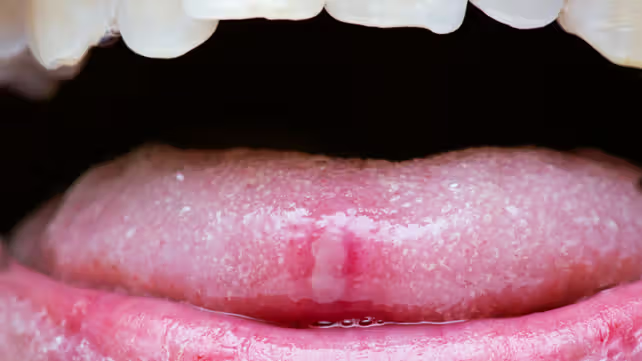

The tongue is one of the most active and sensitive muscles in the human body. The tip of the tongue in particular contains a high concentration of fungiform papillae — the dome-shaped red bumps that house your taste buds.
These fungiform papillae are found mostly on the sides and tip of the tongue. Because of this dense concentration of nerve endings at the tip, any small irritation, sore, or injury in this area tends to feel much more painful than it would elsewhere in the mouth.
The tip also comes into constant contact with your teeth, food, drinks, and dental appliances — making it one of the most vulnerable spots in the oral cavity.
Why Does the Tip of My Tongue Hurt? 14 Most Common Causes
Understanding the cause of your pain is the first and most important step toward relief. Here are the most common reasons your tongue tip hurts, ranked from most to least common.
1. Accidental Bite or Physical Trauma
Biting the tip of your tongue is extremely common. It can happen during eating, contact sports, a fall, or even during sleep if you grind your teeth.
The bite causes immediate sharp pain followed by a tender sore that may last several days. If the tongue papillae in the area become irritated and inflamed, the discomfort can extend beyond the initial injury site.
Minor bites heal on their own within a few days. Severe bites with visible tissue damage may need a dentist’s evaluation.
2. Burning From Hot Food or Drinks
Taking a sip of very hot coffee, tea, or soup — or biting into a hot slice of pizza — is one of the most common causes of sudden tip-of-tongue pain.
This is a first-degree burn of the oral mucosa. The tissue at the tip turns tender, slightly swollen, and sensitive to touch or pressure. Most burns like this resolve within 24 to 72 hours without treatment.
Cold water, ice chips, or cold yogurt can provide immediate relief while the burn heals. Avoid repeating the same hot food or drink until the area has recovered.
3. Canker Sores (Aphthous Ulcers)
Canker sores are one of the most frequent causes of localized tongue tip pain. They are small, shallow, round ulcers that appear white or yellowish with a red border.
They are not contagious and are not caused by the herpes virus. Common triggers include stress, minor trauma, acidic foods, hormonal changes, and certain nutritional deficiencies.
Canker sores typically heal on their own within 7 to 14 days. Over-the-counter topical gels containing benzocaine or hydrogen peroxide rinses can help manage the pain.
4. Inflamed Taste Buds (Transient Lingual Papillitis)
This condition is commonly known as “lie bumps” and refers to small, swollen, red or white bumps that appear on the tip or surface of the tongue. Medically it is called transient lingual papillitis (TLP).
TLP occurs when the fungiform papillae at the tongue tip become irritated or inflamed. Causes include acidic or spicy foods, stress, smoking, gastrointestinal upset, plaque buildup, or minor physical irritation.
The condition is temporary. Most cases resolve within 2 to 5 days without any treatment. Cold water, salt rinses, and avoiding trigger foods speed up recovery.
5. Nutritional Deficiencies
Low levels of specific vitamins and minerals are a surprisingly common cause of tongue tip pain. The tongue is one of the first places in the body to show signs of nutritional deficiency.
| Deficiency | Effect on Tongue |
|---|---|
| Vitamin B12 | Burning tip, smooth tongue (atrophic glossitis), swelling |
| Iron | Pale, smooth, sore tongue; burning at tip and edges |
| Folate (B9) | Tongue inflammation, loss of papillae |
| Zinc | Slow tissue healing, burning sensation, taste disturbances |
| Vitamin B2 (Riboflavin) | Inflamed, sore, cracked tongue |
| Vitamin B3 (Niacin) | Reddish, smooth, inflamed tongue |
| Vitamin E | Partial loss of papillae, burning pain |
If your tongue tip pain is chronic, recurring, or accompanied by fatigue, pale skin, or mouth ulcers, a blood test to check vitamin and mineral levels is a logical first step.
6. Geographic Tongue (Benign Migratory Glossitis)
Geographic tongue is a harmless but sometimes uncomfortable condition where irregular smooth red patches appear on the tongue surface. The patches change location over days — hence the name “migratory.”
The condition can cause burning or sensitivity — especially to spicy, acidic, or salty foods. It may affect the tongue tip and sides. The exact cause is unknown but stress is a documented trigger.
There is no cure but the condition is not dangerous. Anti-inflammatory medications, mouth rinses, and avoiding trigger foods help manage symptoms during flare-ups.
7. Oral Thrush (Candida Infection)
Oral thrush is a fungal infection caused by the overgrowth of Candida yeast in the mouth. It causes creamy white or yellow patches that appear on the tongue, inner cheeks, and roof of the mouth.
The tongue may feel sore, tender, or have a cotton-like texture. The tip and sides are often affected. Thrush is more common in people with diabetes, weakened immune systems, those taking antibiotics, and denture wearers.
Treatment involves prescription antifungal medications such as nystatin or fluconazole. Good oral hygiene and limiting sugary foods help prevent recurrence.
8. Cold Sores (Oral Herpes — HSV-1)
Cold sores caused by the herpes simplex virus type 1 (HSV-1) can occasionally form on the tongue tip, though they more commonly appear on the lips. They begin as a painful tingling or burning sensation, then develop into fluid-filled blisters.
The blisters may break open and form shallow ulcers before eventually crusting and healing. Cold sores are highly contagious during the blister phase.
Antiviral medications (acyclovir, valacyclovir) can reduce severity and duration when taken early.
9. Burning Mouth Syndrome (BMS)
Burning mouth syndrome (also known as glossodynia or glossopyrosis) causes a persistent burning, stinging, or scalding sensation on the tongue — most commonly at the tip — without any visible sores or lesions.
The pain can feel like the tongue has been burned by a hot drink, even though no such event occurred. The condition is more common in postmenopausal women and can last months or even years.
Possible causes include nerve damage, hormonal changes, nutritional deficiencies, dry mouth, medications, and anxiety. There is no specific cure, but treatments including clonazepam, capsaicin rinses, alpha-lipoic acid, and cognitive behavioral therapy can offer meaningful relief.
10. Dry Mouth (Xerostomia)
Saliva protects your tongue and oral tissues from friction, bacteria, and acid. When saliva production drops — due to medications, dehydration, autoimmune conditions like Sjögren’s syndrome, or mouth breathing — the tongue becomes dry and vulnerable.
A dry tongue tip can become cracked, sore, and painful. It is also more susceptible to infection. The condition worsens at night and in the morning for many people.
Staying well-hydrated, using alcohol-free saliva substitutes, and chewing sugar-free gum can help stimulate saliva and soothe the tongue.
11. Irritation from Dental Appliances
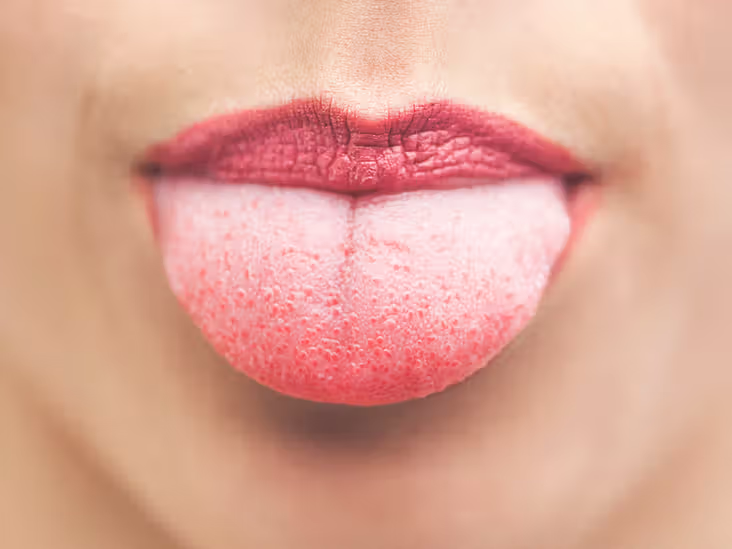

Braces, dentures, retainers, and crowns that do not fit properly can rub repeatedly against the tongue tip, causing raw, sore, or ulcerated tissue.
This type of irritation is especially common when new dental appliances are first fitted. The tongue has not yet adapted to the changed oral environment, and friction causes inflammation.
Adjustment by a dentist or orthodontist usually resolves the problem. In the meantime, dental wax and warm salt water rinses can provide temporary comfort.
12. Acid Reflux (GERD)
Gastroesophageal reflux disease (GERD) can cause stomach acid to travel all the way up to the mouth, where it burns and irritates the oral mucosa — including the tongue tip.
People with GERD may notice that their tongue tip feels sore, especially in the morning. Frequent exposure to acid can also erode taste bud integrity over time.
Dietary changes, elevating the head during sleep, antacids, and proton pump inhibitors (PPIs) are common management strategies for GERD-related tongue irritation.
13. Oral Lichen Planus
Oral lichen planus is a chronic inflammatory condition that causes lacy white patches, red inflamed areas, or open sores on the tongue and inside of the mouth. It is linked to an abnormal immune response.
Pain and burning are common, especially during flare-ups. The condition may be associated with hepatitis C or certain allergies. While there is no cure, corticosteroid treatments and immunosuppressants can manage symptoms effectively.
14. Syphilis (Rare but Important to Know)
In rare cases, syphilis — a sexually transmitted infection — can cause painless sores called chancres to appear on the tongue tip and other parts of the mouth in its early stage. Later-stage syphilis may cause broader tongue inflammation.
This is less common but important because it is frequently missed. If you have an unexplained, painless lesion on your tongue tip that does not heal within two weeks, it is worth a medical evaluation including STI testing.
Quick Comparison: Common Causes at a Glance
| Cause | Location | Typical Duration | Contagious? | Needs Doctor? |
|---|---|---|---|---|
| Accidental Bite | Tip / Sides | 3–7 days | No | Only if severe |
| Hot Food Burn | Tip / Whole | 1–3 days | No | Rarely |
| Canker Sore | Tip / Under | 7–14 days | No | If recurring |
| Inflamed Taste Bud (TLP) | Tip | 2–5 days | No | Rarely |
| Vitamin Deficiency | Whole Tongue | Ongoing until treated | No | Yes |
| Geographic Tongue | Tip / Whole | Recurring | No | If painful |
| Oral Thrush | Whole Tongue | Until treated | No | Yes |
| Cold Sores | Tip / Lips | 7–10 days | Yes | Antivirals help |
| Burning Mouth Syndrome | Tip / Whole | Months–Years | No | Yes |
| Dry Mouth | Tip / Whole | Ongoing | No | If persistent |
| Dental Appliance Irritation | Tip / Sides | Until adjusted | No | Dentist visit |
| GERD | Tip / Whole | Ongoing | No | Yes |
| Oral Lichen Planus | Whole Tongue | Chronic | No | Yes |
How to Get Quick Relief for Tip of Tongue Pain
Regardless of the specific cause, these evidence-based home relief methods work for most cases of mild to moderate tongue tip pain.
Warm Salt Water Rinse
This is the single most recommended remedy by dentists and medical sources for tongue pain. Mix half a teaspoon of salt in a glass of warm water and swish for 30 seconds, two to three times daily.
Salt water reduces bacteria, lowers inflammation, promotes tissue healing, and soothes irritated mucosa. It is safe for daily use and has no side effects.
Ice and Cold Water
Applying ice chips or sipping very cold water numbs the tongue tip temporarily and reduces swelling. This works particularly well for hot-food burns, canker sores, and inflamed taste buds.
Do not apply ice directly to the tongue for extended periods. Instead, let ice chips melt on the tongue naturally for best results.
OTC Topical Gels and Rinses
Products containing benzocaine (such as Orabase or Zilactin-B) provide topical numbing that directly reduces pain at the tongue tip. Hydrogen peroxide rinses (such as Peroxyl or Orajel) help clean ulcers and prevent secondary infection.
These are available without a prescription and are specifically designed for oral use. Follow product directions carefully and avoid swallowing.
Aloe Vera Gel
Pure aloe vera gel has anti-inflammatory and soothing properties that can help calm irritated tongue tissue. Apply a small amount directly to the sore area a few times per day.
Ensure the product is food-grade and free from additives or alcohol. Aloe vera works well for canker sores and mild burns.
Baking Soda Paste or Rinse
Mix one teaspoon of baking soda in half a cup of warm water and use it as a rinse. Alternatively, make a paste with a few drops of water and apply it directly to the sore area.
Baking soda neutralizes acid, which is particularly helpful if your tongue pain is triggered by acidic foods, GERD, or canker sores aggravated by pH imbalance.
Milk of Magnesia
Dabbing a small amount of milk of magnesia (an antacid) onto a sore tongue tip coats the tissue and creates a protective barrier while neutralizing acid. It can offer meaningful temporary relief for canker sores and acid-related irritation.
Honey Application
Raw honey has natural antibacterial and wound-healing properties. Applying a small amount to a sore tongue tip after eating can help reduce inflammation and speed healing — particularly for bite injuries and canker sores.
Avoid Trigger Foods and Drinks
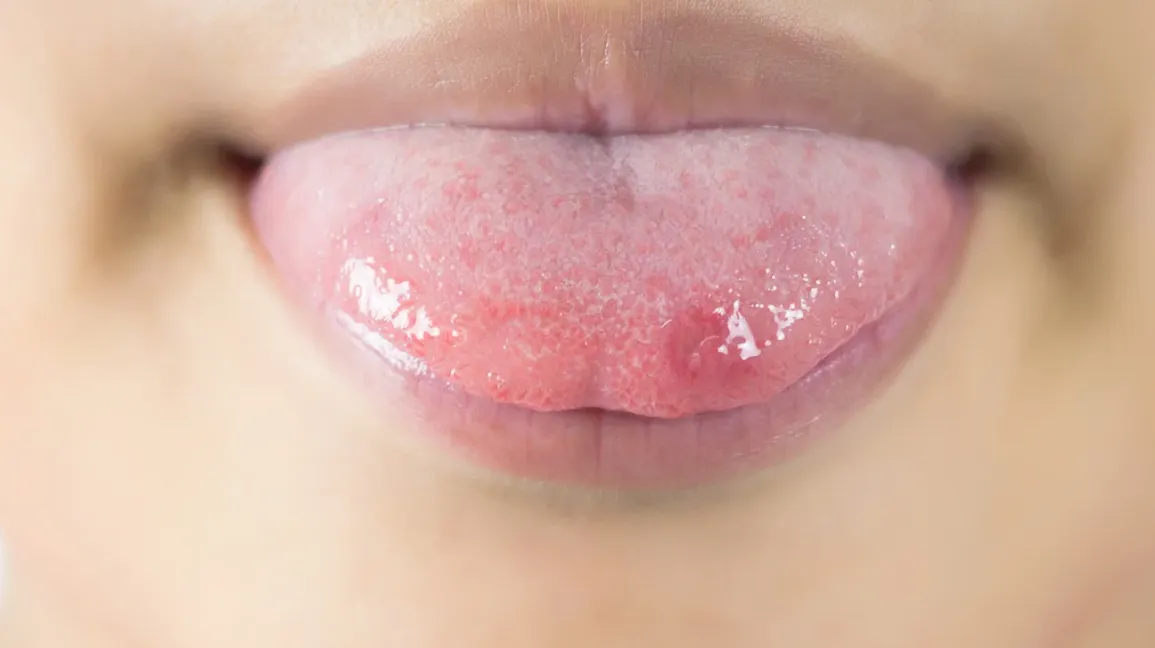

While your tongue tip is healing, stay away from foods and drinks that irritate oral tissue:
Foods to avoid: Hot beverages, spicy foods, citrus fruits (lemons, oranges, pineapple), tomatoes, vinegar-based foods, hard or sharp foods like chips, and alcohol.
Foods that help: Cold water, ice cream, yogurt, mashed potatoes, oatmeal, soft bread, eggs, and well-cooked vegetables. These are gentle on tender tongue tissue and provide nutrients that support healing.
OTC Pain Relievers
Ibuprofen (Advil) or acetaminophen (Tylenol) taken orally can help manage moderate tongue tip pain, especially when eating or speaking is affected. Always follow dosage instructions and avoid taking them on an empty stomach.
Vitamin Deficiencies and Tongue Pain — A Deeper Look
Nutritional deficiencies are one of the most overlooked causes of chronic tongue tip pain. Here is what each key deficiency does and how to address it:
Vitamin B12 — Deficiency causes atrophic glossitis where the tongue tip becomes smooth (papillae disappear), bright red, swollen, and burning. Common in vegetarians, vegans, and older adults. Corrected with B12 supplements or injections.
Iron — Iron deficiency causes a pale, smooth, sore tongue with burning especially at the tip and edges. Often associated with fatigue and pale skin. Corrected with iron-rich foods (red meat, spinach, lentils) and iron supplements.
Folate (B9) — Deficiency promotes tongue inflammation and loss of papillae, causing a smooth, sore tongue. Found in leafy greens, beans, and fortified cereals.
Zinc — Deficiency slows tissue repair and causes burning sensations and taste disturbances. Found in oysters, beef, pumpkin seeds, and chickpeas.
Riboflavin (B2) — Deficiency causes inflamed, cracked tongue and sore corners of the mouth. Found in dairy, eggs, lean meats, and leafy greens.
If you suspect a deficiency, ask your doctor for a blood panel. Supplementing the right nutrient resolves the tongue pain within weeks in most cases.
When to See a Doctor or Dentist
Most tongue tip pain resolves within a week. However, certain symptoms warrant a professional evaluation:
You should see a doctor or dentist if your tongue tip pain lasts more than 2 weeks without improvement, or if a sore or lump is present that does not heal.
Seek care promptly if you notice white patches that cannot be wiped off (could be leukoplakia or thrush), or red patches that persist (could be erythroplakia — a precancerous change).
Get medical attention immediately if tongue pain is accompanied by difficulty swallowing, difficulty breathing, severe swelling, fever, or bleeding.
If tongue pain keeps recurring without an obvious cause, your doctor may order blood tests to check for vitamin deficiencies, infections, or autoimmune conditions, and may refer you to an oral specialist.
See a dentist if you suspect dental appliances, sharp tooth edges, or bruxism (teeth grinding) are the source of your tongue tip pain.
Oral Cancer and the Tongue Tip — Know the Warning Signs
While most tongue tip pain is completely benign, it is important to know the warning signs of oral cancer, which can affect the tongue.
Warning signs that require immediate evaluation include a painless lump or thickening on the tongue that does not go away, a red or white patch that persists longer than two weeks, unexplained numbness or loss of sensation in the tongue, difficulty moving the tongue or swallowing, and unexplained weight loss alongside tongue symptoms.
Risk factors for oral cancer include tobacco use (smoking and smokeless), excessive alcohol consumption, HPV infection, prolonged sun exposure to the lips, and a personal or family history of cancer.
Early detection dramatically improves treatment outcomes. If any of these signs are present, do not delay — see a doctor immediately.
How to Prevent Tongue Tip Pain
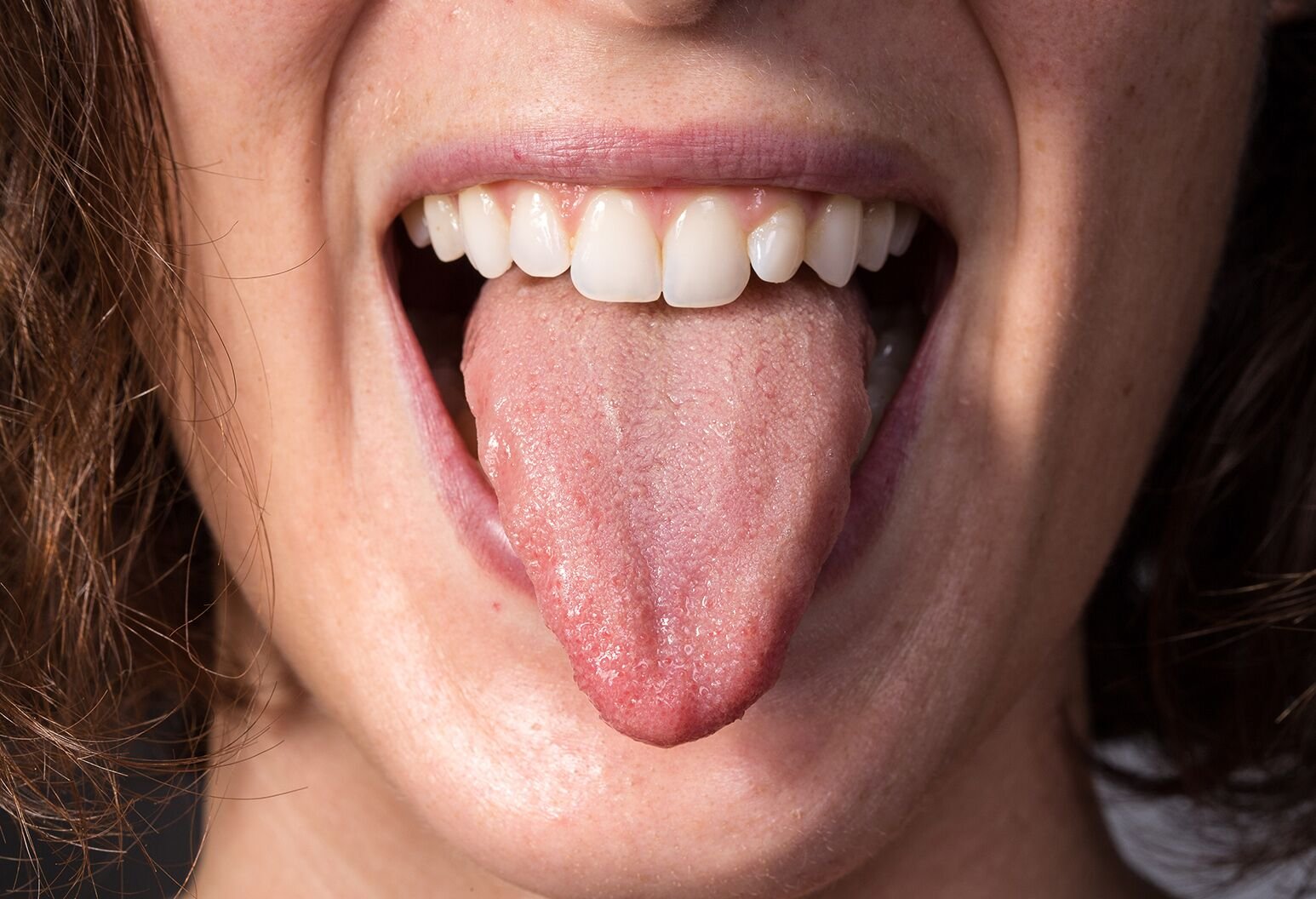

Prevention is always better than treatment. These habits significantly reduce your risk of recurring tongue tip pain:
Good oral hygiene: Brush your teeth and tongue gently twice daily with a soft-bristle toothbrush. Floss daily and use an alcohol-free mouthwash to avoid drying out oral tissues.
Stay hydrated: Drink enough water throughout the day. Dehydration reduces saliva production, making the tongue more vulnerable to irritation and infection.
Eat slowly and carefully: Most tongue bites happen when we eat too fast. Chew slowly and mindfully to avoid accidentally catching your tongue between your teeth.
Choose a balanced diet: Eat foods rich in B vitamins, iron, folate, and zinc. These nutrients directly support tongue tissue health and prevent deficiency-related pain.
Avoid tobacco and limit alcohol: Both irritate tongue tissue chronically, promote oral infections, and significantly increase the risk of oral cancer.
Manage stress: Stress is a proven trigger for canker sores, geographic tongue flare-ups, and burning mouth syndrome. Regular exercise, sleep, and stress-management techniques help reduce these outbreaks.
Regular dental checkups: A dentist can catch problems early — including ill-fitting appliances, sharp tooth edges, signs of infection, and early oral cancer — before they cause significant tongue pain.
Protect your mouth during sport: Wear a properly fitted mouthguard when playing contact sports to prevent traumatic tongue injuries.
Tongue Tip Pain in Children
Children can experience tongue tip pain for many of the same reasons as adults — biting, hot food burns, canker sores, and inflamed taste buds. However, one particular form of transient lingual papillitis called eruptive lingual papillitis is most common in children.
This form is contagious, can be accompanied by fever and swollen glands, and is often caused by a viral infection. It typically clears on its own within two weeks without requiring treatment.
If your child complains of tongue tip pain, check for visible sores or bumps. Offer cold water, soft foods, and gentle salt rinses if the child is old enough to rinse. If fever or difficulty swallowing develops, consult a pediatrician.
Tongue Tip Pain and Stress — The Hidden Connection
Stress has a well-documented relationship with oral health and tongue pain specifically. Canker sores frequently appear during periods of high stress, as do geographic tongue flare-ups and burning mouth syndrome episodes.
Stress causes hormonal changes that affect the immune system and alter the body’s inflammatory responses. It can also lead to habits like teeth clenching, bruxism (grinding), and pressing the tongue against the teeth — all of which directly cause tongue tip pain.
If you notice that your tongue tip pain tends to flare up during stressful periods, addressing the root cause through sleep hygiene, mindfulness, exercise, or speaking with a mental health professional can meaningfully reduce how often your tongue suffers.
Summary — Most Likely Reason Your Tongue Tip Hurts Right Now
If you woke up this morning asking “why does the tip of my tongue hurt”, here is a quick decision guide:
Did you bite it or eat something hot? — Likely a minor trauma or burn. Rest, cold water, and salt rinses. Heals in 2–5 days.
Is there a small white bump or sore? — Likely a canker sore or inflamed taste bud (TLP). Salt rinse, topical gel, avoid acidic foods. Heals in 7–14 days.
Is your tongue smooth, red, and burning with no visible sore? — Possibly a vitamin deficiency or burning mouth syndrome. See a doctor for a blood test.
Do you have white patches that do not wipe off? — Possible oral thrush. See a doctor for antifungal medication.
Has a lump or sore lasted more than 2 weeks? — See a doctor or dentist promptly to rule out serious conditions.
Frequently Asked Questions (FAQs)
Why does the tip of my tongue hurt for no reason?
Pain without an obvious cause often points to burning mouth syndrome, a vitamin B12 or iron deficiency, or geographic tongue. These conditions do not always produce visible changes but cause real, persistent pain. A doctor’s visit and blood test can identify the cause.
How long does tongue tip pain usually last?
Most minor cases caused by bites, burns, or canker sores heal within 7 to 14 days. Pain lasting longer than two weeks or that keeps returning should be evaluated by a dentist or doctor.
Can stress cause the tip of my tongue to hurt?
Yes. Stress is a well-known trigger for canker sores, geographic tongue flare-ups, and burning mouth syndrome — all of which cause tip-of-tongue pain. Managing stress through sleep, exercise, and mindfulness can help reduce outbreaks.
What vitamin deficiency causes tongue tip pain?
Vitamin B12 deficiency is the most common, causing a burning, smooth, and sore tongue. Iron, folate (B9), zinc, riboflavin (B2), and niacin (B3) deficiencies can also cause tongue pain. A simple blood test can confirm which nutrient is low.
Is it normal to have a white bump on the tip of my tongue?
A small white bump is most likely an inflamed taste bud (transient lingual papillitis) or a canker sore — both of which are very common and harmless. They typically resolve within a few days to two weeks. A persistent or growing white patch should be checked by a dentist.
What is the fastest way to relieve tongue tip pain?
The fastest relief options include sucking on ice chips, applying an OTC benzocaine gel, rinsing with warm salt water, and avoiding spicy, acidic, or hot foods. Together these can reduce pain significantly within hours.
Can acid reflux cause tip of tongue pain?
Yes. Gastroesophageal reflux disease (GERD) can cause stomach acid to reach the mouth, burning and irritating the tongue tip. People with GERD may notice morning tongue soreness as a symptom. Treating the reflux reduces the tongue pain.
Should I see a doctor if my tongue tip hurts?
See a doctor if the pain lasts more than 2 weeks, is severe, is accompanied by fever or difficulty swallowing, or if you notice a lump or persistent white/red patch. For mild pain with an obvious cause like a bite or burn, home care is sufficient.
Can a dental appliance cause tongue tip pain?
Yes. Braces, dentures, retainers, or crowns that do not fit correctly can repeatedly rub against the tongue tip, causing raw, ulcerated tissue. A dentist can adjust the appliance to eliminate the friction and allow the tongue to heal.
Can tongue tip pain be a sign of cancer?
In rare cases, yes. A painless lump, a sore that will not heal after 2 weeks, or a persistent red or white patch on the tongue tip can be early signs of oral cancer. Risk factors include smoking, alcohol use, and HPV. If any of these signs are present, see a doctor promptly — early detection greatly improves outcomes.
Conclusion
Why does the tip of my tongue hurt is a question with many answers — and in the vast majority of cases, the answer is something completely benign.
A small bite, a hot drink, a canker sore, or a temporary inflamed taste bud are the most common culprits, and they all heal on their own with basic care.
Warm salt water rinses, ice, topical gels, soft foods, and avoiding irritants form the foundation of quick home relief. If your tongue tip pain is persistent, recurring, or accompanied by other symptoms like fatigue, white patches, or unexplained lumps, do not ignore it — a doctor or dentist can identify the underlying cause quickly and get you back to comfortable, pain-free eating, talking, and living. Your tongue health is a window into your overall health. Take care of it.