

Why does the roof of my mouth hurt? It’s a question most people ask the moment they feel a sting after hot coffee or a sudden sore spot after a crunchy snack. The roof of your mouth, known as the palate, is covered in thin, sensitive tissue that reacts quickly to heat, sharp foods, infections, and irritation.
In most cases, the discomfort is minor and clears up within a few days. But sometimes it signals something that needs closer attention.
What Is the Roof of the Mouth Made Of?
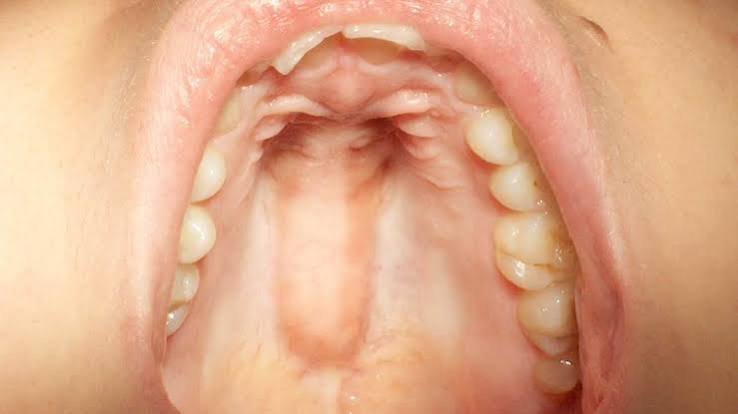

The roof of the mouth is called the palate, and it has two distinct parts.
The hard palate sits at the front and is made of bone covered by a thick mucous membrane. The soft palate sits toward the back and is made of muscle covered by thinner, more delicate tissue.
| Part | Location | Texture | Common Issues |
|---|---|---|---|
| Hard Palate | Front of mouth | Bony, firm | Burns, canker sores, cuts |
| Soft Palate | Back of mouth | Soft, fleshy | Sinus pain, sore throat, swelling |
Knowing which part hurts helps narrow down the cause faster.
Why Does the Roof of My Mouth Hurt? Common Causes
There isn’t just one reason the palate becomes sore. Causes range from something you ate an hour ago to a lingering infection.
Below is a breakdown of the most frequent causes reported by dental and medical sources.
Thermal Burns From Hot Food or Drinks
The single most common cause is a simple burn. Hot pizza cheese, soup, or coffee can scald the thin tissue almost instantly.
This is often nicknamed a “pizza burn,” and it usually heals within three to seven days on its own.
Canker Sores (Aphthous Ulcers)
Canker sores are small, non-contagious ulcers with a white or yellow center and a red border. They often appear just behind the front teeth on the palate.
Triggers include stress, vitamin deficiencies, minor injuries, and certain acidic or salty foods. Most heal within one to two weeks.
Cold Sores (Fever Blisters)
Cold sores are caused by the herpes simplex virus and are contagious, unlike canker sores. They typically start around the lips but can spread to the roof of the mouth.
Early signs include tingling or burning before a blister actually appears. Antiviral treatment can speed up healing.
Oral Thrush (Fungal Infection)
Oral thrush is caused by an overgrowth of Candida yeast in the mouth. It shows up as white, creamy patches on the palate and tongue.
This condition is more common in people with weakened immune systems, denture wearers, or those recently on antibiotics.
Cuts and Abrasions From Sharp Foods
Tortilla chips, toast crusts, and hard candy can scrape or cut the delicate palate tissue. The result is a small tender spot that stings when food touches it.
These usually heal within three to five days with no special treatment needed.
Sinus Pressure and Postnasal Drip
Sinus infections can cause referred pain in the roof of the mouth, especially the back near the soft palate. This often comes with nasal congestion and facial pressure.
The pain typically eases once the sinus infection clears up.
Oral Allergy Syndrome
Some people experience itching, tingling, or burning on the palate after eating certain raw fruits, vegetables, or nuts. This is known as oral allergy syndrome.
Common triggers include apples, peaches, cherries, kiwi, celery, and almonds. Cooking the food often eliminates the reaction.
Dental Issues (Abscess or Gum Disease)
A dental abscess near a tooth root can cause pain that radiates upward to the palate. Advanced gum disease can cause similar referred discomfort.
This type of pain does not go away on its own and needs professional dental treatment.
Ill-Fitting Dentures, Braces, or Retainers
Dental appliances that rub against the palate can cause chronic irritation or ulcers over time. This is especially common with new or poorly fitted dentures.
Adjustments from a dentist usually resolve the irritation quickly.
Dehydration and Dry Mouth
Not drinking enough water reduces saliva flow, which normally protects and lubricates the mouth. This can leave the palate feeling dry, tight, and sore.
Increasing water intake often brings noticeable relief within a day.
Vitamin and Nutrient Deficiencies
Low levels of vitamin B12, iron, or folate can make the mouth more prone to soreness, burning, and recurring ulcers. This is an often-overlooked cause.
A simple blood test can confirm whether a deficiency is contributing to the pain.
Acid Reflux (GERD)
Stomach acid moving back up the esophagus can irritate the throat and soft palate. This is more noticeable after lying down or eating large meals.
Managing reflux with dietary changes or medication typically reduces the soreness.
Palatal Cysts and Lumps
Sometimes a lump forms on the palate, which may be an oral fibroma or a fluid-filled cyst. These are usually harmless but can become irritated.
A dentist can examine the lump to confirm it isn’t something more serious.
Mononucleosis (Mono)
Small red spots called petechiae on the roof of the mouth can be a sign of mono. This viral infection usually comes with fever, fatigue, and swollen lymph nodes.
Rest and hydration are the main forms of treatment while the virus runs its course.
Oral Cancer (Rare but Serious)
Persistent sores, thick patches, or lumps that don’t heal within a few weeks should never be ignored. While uncommon, oral cancer is a serious possibility.
Early evaluation by a dentist or doctor is essential if a sore lingers.
Causes and Healing Time at a Glance
| Cause | Typical Healing Time | Needs Professional Care? |
|---|---|---|
| Thermal burn | 3–7 days | Rarely |
| Canker sore | 7–14 days | Only if recurring often |
| Cold sore | 7–10 days | If severe or frequent |
| Oral thrush | 1–2 weeks with treatment | Yes |
| Cuts/abrasions | 3–5 days | Rarely |
| Sinus pressure | Varies with infection | Sometimes |
| Dental abscess | Does not self-resolve | Always |
| Denture irritation | Days after adjustment | Yes, for fitting |
| Dehydration | 1–2 days | Rarely |
| Vitamin deficiency | Weeks with supplementation | Yes, for testing |
Symptoms That Often Come With Roof of Mouth Pain


Pain in the palate rarely shows up alone. Paying attention to accompanying symptoms helps identify the real cause.
Burning or Stinging Sensation
A sharp burning feeling usually points to a thermal burn, acidic food, or an active canker sore.
Visible White or Red Patches
White patches often suggest oral thrush, while red patches can indicate irritation or inflammation.
Swelling or Puffiness
Swelling can result from allergic reactions, infections, or irritation from dental appliances.
Small Blisters or Bumps
Clusters of small blisters are a classic sign of a cold sore outbreak caused by HSV.
Pain While Swallowing
This symptom often points toward sinus involvement or soft palate irritation from postnasal drip.
Fever Alongside Mouth Pain
A fever combined with palate soreness may suggest a viral infection like mono or gingivostomatitis.
When Should You Worry About Roof of Mouth Pain?
Most cases of palate pain are harmless and temporary. However, some signs mean it’s time to seek professional care.
Pain Lasting More Than Two Weeks
If soreness lingers well past two weeks without improvement, it needs a dental or medical evaluation.
A Sore That Won’t Heal
Any ulcer or patch that doesn’t heal, especially if it thickens or changes shape, deserves prompt attention.
High Fever With Mouth Symptoms
Fever alongside palate pain can point to an infection that requires treatment, such as antivirals or antibiotics.
Difficulty Swallowing or Breathing
Severe swelling that affects swallowing or breathing is an emergency and needs immediate medical care.
A Growing Lump or Mass
A lump that grows larger or changes texture over time should be examined to rule out serious conditions.
Home Remedies to Relieve Roof of Mouth Pain
Many mild cases of palate soreness can be managed comfortably at home while healing takes place.
Saltwater Rinse
Mix half a teaspoon of salt with warm water and rinse for thirty seconds. This helps clean the area and reduce bacteria.
Cold Compress or Ice Chips
Sucking on ice chips or applying a cold compress can numb pain and reduce swelling from burns.
Stick to Soft, Cool Foods
Yogurt, smoothies, and mashed potatoes are gentle on a sore palate and won’t cause further irritation.
Avoid Spicy, Acidic, or Salty Foods
These foods can sting an already irritated palate and slow the healing process significantly.
Stay Hydrated
Drinking enough water supports saliva production, which naturally protects and heals the tissue of the mouth.
Over-the-Counter Oral Gels
Topical numbing gels or medicated pastes can ease pain from burns, cuts, or canker sores.
Do’s and Don’ts for a Sore Palate
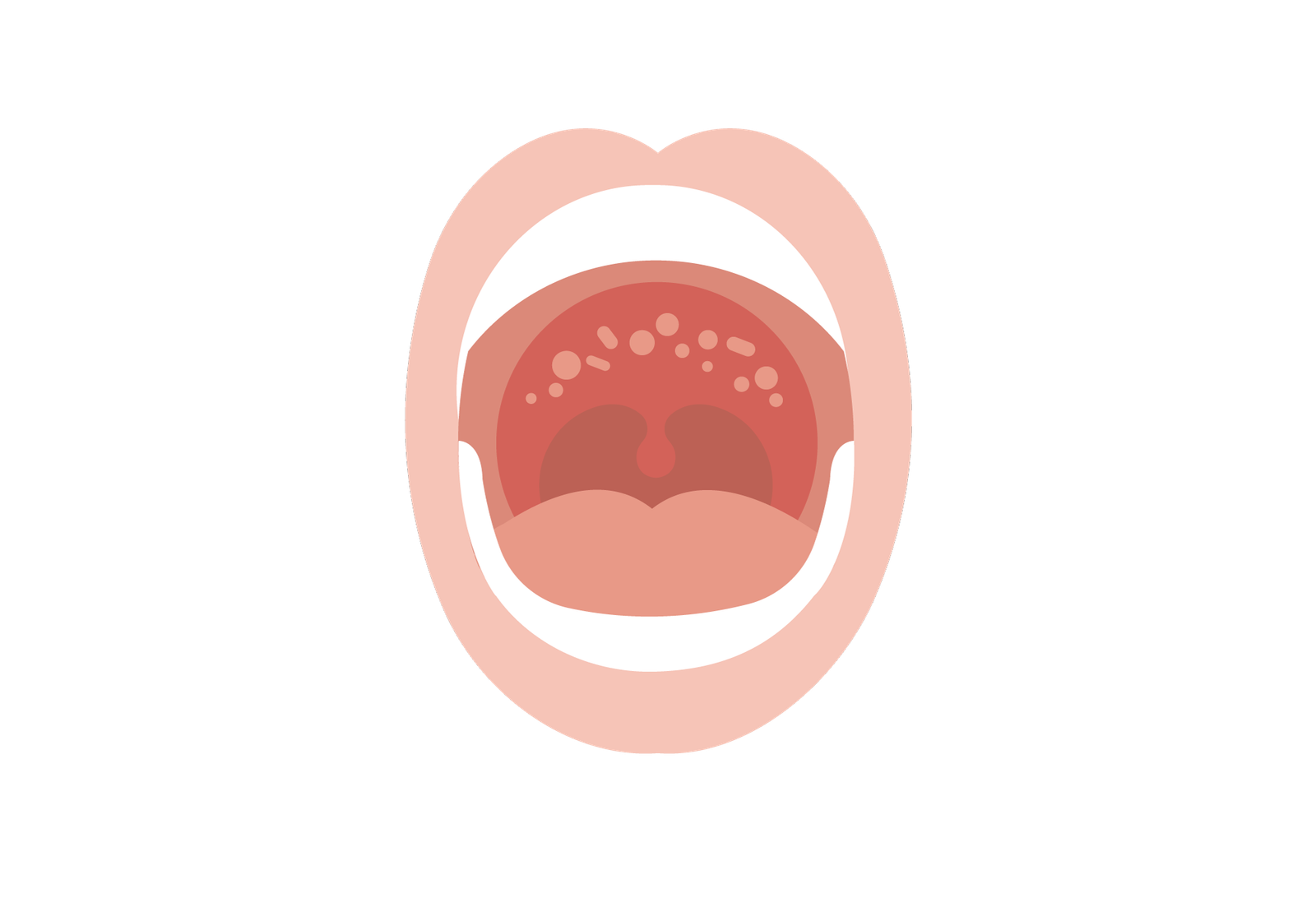

| Do | Don’t |
|---|---|
| Rinse with warm salt water | Pop or pick at blisters |
| Eat soft, cool foods | Eat spicy or crunchy snacks |
| Stay hydrated | Smoke or use alcohol-based mouthwash |
| Use a cold compress on burns | Ignore pain lasting over two weeks |
| See a dentist for recurring sores | Self-diagnose serious lumps |
Treatment Options From a Dentist or Doctor
If home care doesn’t help, professional treatment targets the exact cause of the pain.
Antifungal Medication
Prescribed for oral thrush to clear the Candida overgrowth causing white patches and soreness.
Antiviral Medication
Used for cold sore outbreaks to shorten the duration and severity of symptoms.
Steroid Treatments
Can reduce swelling and speed healing for severe canker sores or inflammatory conditions.
Dental Appliance Adjustments
Refitting dentures, retainers, or braces removes the source of ongoing friction and irritation.
Treating Underlying Conditions
Managing sinus infections, acid reflux, or vitamin deficiencies resolves the pain at its root cause.
How to Prevent Roof of Mouth Pain
Prevention is often simpler than treatment once you know your personal triggers.
Let Hot Food and Drinks Cool Down
Waiting even a minute before eating or drinking something hot can prevent most thermal burns.
Chew Slowly Around Sharp or Crunchy Foods
Taking smaller bites of chips, toast, or hard candy reduces the risk of cuts on the palate.
Maintain Good Oral Hygiene
Brushing gently and using a mild, alcohol-free mouthwash keeps irritation and infection risk low.
Manage Stress Levels
Since stress is a known trigger for canker sores, relaxation techniques can reduce flare-ups.
Get Regular Dental Checkups
Routine visits catch appliance irritation, decay, and unusual lumps before they become painful problems.
How Doctors and Dentists Diagnose the Cause
Diagnosis usually starts with a simple visual exam of the palate under good lighting. The dentist checks color, texture, and shape of any sore.
They will also ask about onset, diet, recent illnesses, and dental appliances. This history often narrows the cause before any tests are needed.
Physical Examination
The provider looks for ulcers, white patches, redness, swelling, or lumps on the hard and soft palate.
Swab or Culture Test
If thrush or a viral infection is suspected, a swab sample can confirm the exact organism involved.
Blood Tests
Blood work checks for vitamin deficiencies, mono, or other systemic conditions linked to mouth soreness.
Imaging or Biopsy
For persistent lumps or sores that don’t heal, imaging or a small tissue biopsy rules out serious disease.
Roof of Mouth Pain in Children vs Adults
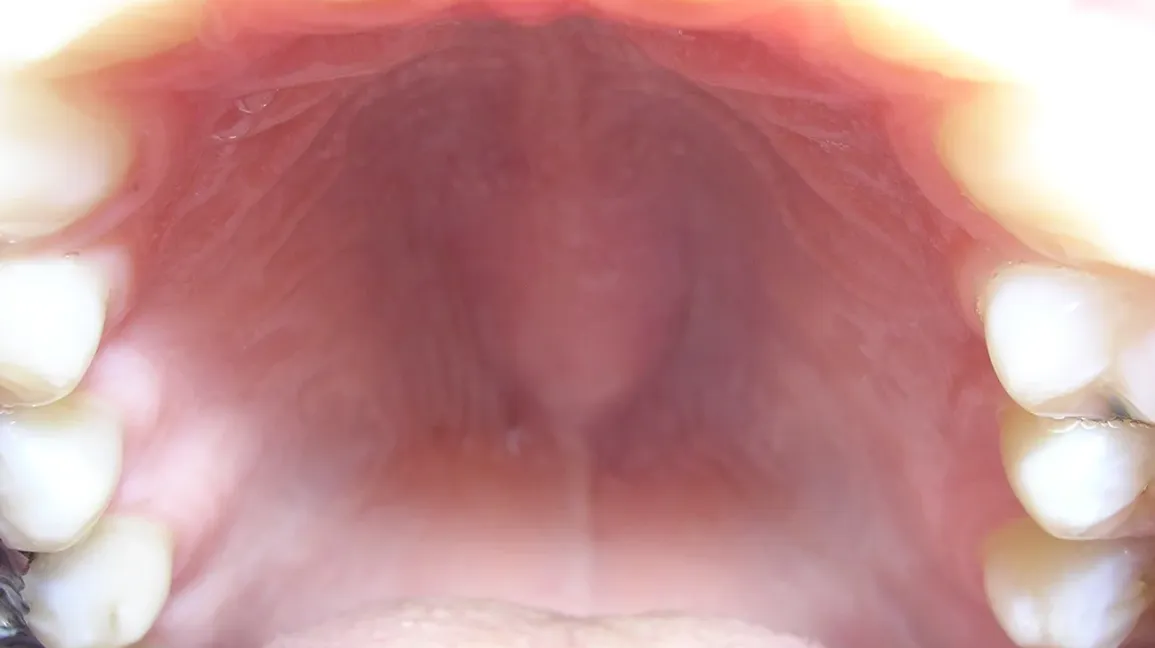

Kids often get roof of mouth pain from hot food burns, thumb-sucking irritation, or accidentally biting a toy or pacifier.
Hand-foot-and-mouth disease is also a common childhood cause, bringing small blisters on the palate along with fever.
Adults are more likely to experience pain from dentures, sinus issues, acid reflux, or stress-related canker sores.
Regardless of age, a sore that lasts beyond two weeks should always be checked by a professional.
Roof of Mouth Pain That Gets Worse at Night
Some people notice their palate pain feels worse at night or right after waking up. This is often linked to dry mouth from breathing through the mouth while sleeping.
Sinus drainage can also pool at night, increasing pressure and soreness on the soft palate by morning.
Using a humidifier and staying hydrated before bed can meaningfully reduce this nighttime discomfort.
Foods That Help vs Foods That Hurt
Choosing the right foods while your palate heals can speed up recovery and reduce daily discomfort.
| Helpful Foods | Foods to Avoid |
|---|---|
| Yogurt and smoothies | Citrus fruits and juices |
| Mashed potatoes | Spicy sauces and hot peppers |
| Oatmeal and soft rice | Chips, crackers, and toast |
| Scrambled eggs | Carbonated and alcoholic drinks |
| Cool soups and broths | Very hot beverages |
Common Myths About Roof of Mouth Pain
There are a few misconceptions worth clearing up, since they often lead to unnecessary worry or delayed care.
Myth: All Mouth Sores Are Contagious
Only cold sores caused by HSV are contagious. Canker sores and burns are not spread through contact.
Myth: A Sore Palate Always Means Cancer
Oral cancer is rare, and the vast majority of palate sores are caused by burns, ulcers, or minor irritation.
Myth: Mouthwash Alone Heals Everything
Mouthwash can help hygiene, but it doesn’t treat underlying causes like infections or deficiencies on its own.
Impact on Eating, Speaking, and Daily Life
A sore palate can make chewing, swallowing, and even talking uncomfortable, especially when the pain sits on the soft palate near the throat.
Many people unconsciously change their diet during flare-ups, which can lead to reduced appetite or mild dehydration if not managed carefully.
Choosing soft, neutral-temperature foods keeps nutrition steady while the tissue heals in the background.
Frequently Asked Questions (FAQs)
Why does the roof of my mouth hurt when I eat?
This is usually from a burn, canker sore, cut, or dental appliance irritation triggered by chewing.
Why does the roof of my mouth hurt when I swallow?
Swallowing pain often points to sinus pressure, postnasal drip, or soft palate inflammation.
Can dehydration cause the roof of my mouth to hurt?
Yes, low hydration reduces saliva flow, leading to dryness and irritation on the palate.
Is a sore roof of the mouth a sign of COVID-19?
Mouth soreness can occur with viral infections in general, but it is not a specific COVID-19 symptom.
How long does a burned roof of the mouth take to heal?
Most thermal burns heal naturally within three to seven days with gentle care.
Should I pop a blister on the roof of my mouth?
No, popping increases infection risk and slows down natural healing significantly.
What foods should I avoid with a sore palate?
Avoid spicy, acidic, salty, hot, and crunchy foods until the soreness fully subsides.
Can vitamin deficiency cause roof of mouth pain?
Yes, low B12, iron, or folate levels are linked to recurring soreness and ulcers.
When should I see a dentist for palate pain?
See a dentist if pain lasts over two weeks, worsens, or comes with a lump or fever.
Are canker sores on the roof of the mouth contagious?
No, canker sores are not contagious, unlike cold sores caused by the herpes virus.
Conclusion
The roof of your mouth may hurt for many reasons, from a simple pizza burn to canker sores, sinus pressure, dehydration, or dental irritation. Most cases are minor and heal naturally within a week using simple home care like saltwater rinses, cold compresses, and soft foods.
However, pain that lasts more than two weeks, keeps returning, or comes with fever, swelling, or a growing lump should never be ignored. These signs can point to infections, deficiencies, or in rare cases, something more serious that needs professional evaluation.
Paying attention to where the pain is located, what triggered it, and how long it lasts makes it much easier to identify the cause early. With the right care and timely attention, almost all palate pain resolves completely, letting you eat, speak, and drink without discomfort again.