


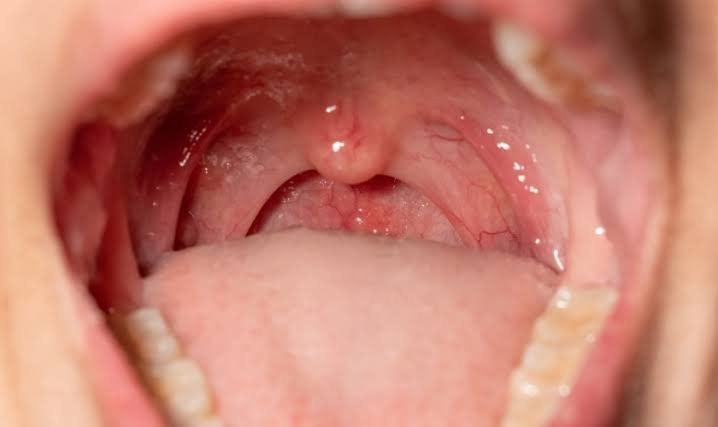
Why does the roof of my mouth hurt when I swallow is one of the most common oral health questions people search for in 2026. The pain can range from a mild tenderness after eating pizza to a sharp, persistent ache that makes every sip of water uncomfortable.
The roof of the mouth, known as the palate, is covered in sensitive tissue that reacts quickly to heat, injury, and infection. Understanding the exact cause is the first step toward getting real relief.
Understanding the Anatomy: Hard Palate vs Soft Palate
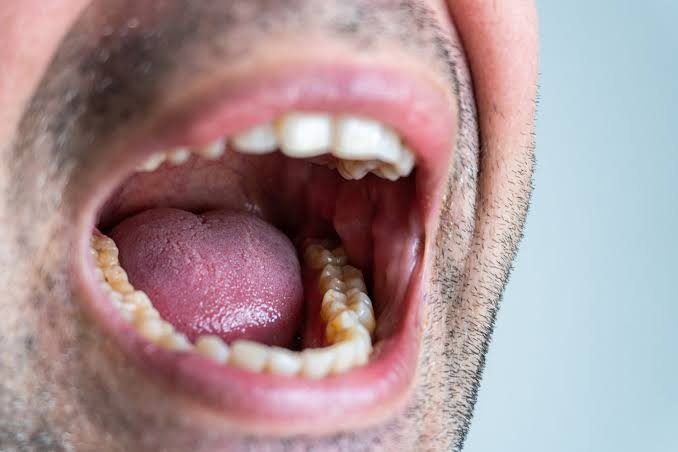
The roof of the mouth is divided into two distinct sections, and knowing which one hurts helps narrow down the cause significantly.
The Hard Palate
The hard palate is the bony front portion of the roof of the mouth. It is covered by a thick layer of mucous membrane and serves as the rigid barrier between the mouth and the nasal cavity.
Burns, cuts from sharp foods, and canker sores most often affect this area. Pain here is usually sharp and localized.
The Soft Palate
The soft palate sits behind the hard palate and is made of muscle and connective tissue covered by a thinner membrane. It moves every time you swallow, which is why pain in this area is most noticeable during swallowing.
When the soft palate is inflamed, that movement aggravates the irritated tissue with every swallow. Strep throat, tonsillitis, and viral infections are the most common causes of soft palate pain during swallowing.
Why Does the Roof of My Mouth Hurt When I Swallow: All Major Causes
There are more than a dozen distinct reasons why the roof of your mouth may hurt when swallowing. Some are minor and resolve within days. Others require professional treatment.
Burn From Hot Food or Drink
This is the single most common cause of roof of mouth pain. The delicate tissue covering the palate can burn easily from hot pizza, soup, coffee, or any food that is eaten too quickly before cooling.
A burn leaves the tissue raw, tender, and sensitive. Even swallowing saliva can cause discomfort for the first day or two after a significant burn.
Burns typically heal on their own within 3 to 5 days. Cooling the mouth immediately with cold water after a burn helps reduce the initial damage.
Injury From Sharp or Hard Foods
Hard foods like tortilla chips, crusty bread, crackers, pretzels, and taco shells can scratch or cut the roof of the mouth without the person even noticing at the time.
The cut then becomes irritated every time food passes over it during swallowing. It can feel worse after eating salty, acidic, or spicy foods that hit the raw area.
These minor injuries usually heal within 2 to 4 days if the area is given a chance to rest.
Canker Sores (Aphthous Ulcers)
Canker sores are small, painful ulcers that develop on the inside of the mouth, including the hard or soft palate. They appear as round or oval spots with a white or yellow center and a red border.
They are not contagious and are not caused by a virus. Common triggers include stress, minor mouth injury, certain foods, and immune responses.
The pain from a canker sore is sharp and gets noticeably worse when food or liquid touches it during swallowing. Most canker sores heal on their own within 1 to 2 weeks without treatment.
Oral Thrush (Fungal Infection)
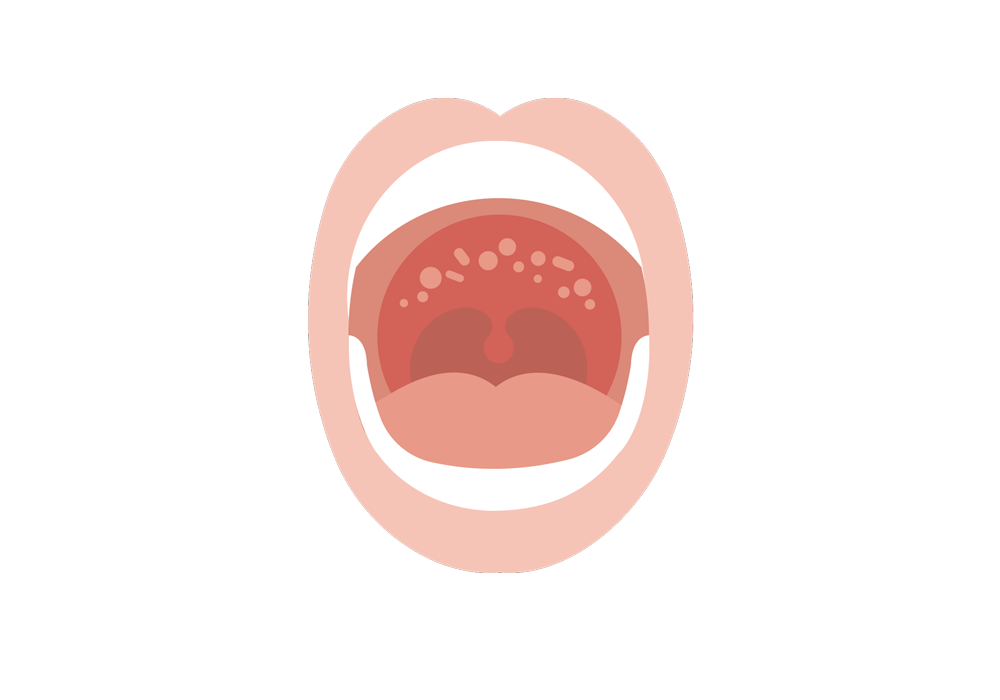
Oral thrush is a fungal infection caused by an overgrowth of Candida yeast in the mouth. It produces raised creamy white or pale yellow patches on the tongue, cheeks, throat, or palate.
These patches can bleed and cause soreness, making swallowing painful and uncomfortable. Some people also notice a change in their sense of taste alongside the palate pain.
Oral thrush does not go away on its own in adults and requires prescription antifungal medication to treat effectively.
Strep Throat and Bacterial Infections
Strep throat causes inflammation in the throat and soft palate that makes every swallow painful. The soft palate moves during swallowing, so inflamed tissue in this area gets aggravated with each motion.
Symptoms of strep throat include a severe sore throat, fever, swollen lymph nodes, and white patches at the back of the throat. The roof of the mouth near the soft palate often becomes red and tender.
Strep throat is treated with antibiotics. Without treatment, it can lead to complications like rheumatic fever.
Tonsillitis
Chronic tonsillitis produces symptoms very similar to strep throat, including soreness that radiates to the roof of the mouth when swallowing. It is common to see swollen, red tonsils with deep pits or craters on the surface.
Some people experience tonsillitis flare-ups in connection with seasonal allergies rather than active infection. Tonsil stones, which are calcified bacteria deposits in the tonsillar crypts, can also contribute to swallowing pain.
Chronic tonsillitis that does not respond to home care is typically treated with a surgical tonsillectomy.
Cold Sores (Herpes Simplex Virus)
Cold sores are caused by the herpes simplex virus and usually appear on or around the lips. In some cases, they develop on the hard palate inside the mouth, producing fluid-filled blisters that cause tingling, pain, and swallowing discomfort.
Unlike canker sores, cold sores are contagious. They tend to flare up during periods of stress, fatigue, or immune system changes.
Cold sores on the palate usually clear up within 7 to 10 days. Antiviral medications can shorten the duration and reduce severity.
Sinus Infection and Postnasal Drip
The sinus cavities sit directly above the palate. When they become inflamed or infected, the pressure can cause referred pain in the roof of the mouth, particularly at the back near the soft palate.
Postnasal drip, where mucus drips down the back of the throat, also irritates the soft palate and can cause a sore, raw feeling that worsens when swallowing.
Seasonal allergies that inflame nasal and oral tissues are another common trigger for this type of palate pain.
Dental Abscess and Gum Disease
A dental abscess is an infection that forms near the root of an upper tooth or in surrounding gum tissue. The pain can radiate upward and make the roof of the mouth feel tender, especially during chewing and swallowing.
Advanced gum disease can also cause inflammation that spreads beyond the gumline and affects the upper areas of the mouth. These dental infections should not be ignored — they can progress quickly and lead to serious health complications.
Dry Mouth (Xerostomia)
Saliva keeps the inside of the mouth moist and provides natural protection against irritation and infection. When saliva production drops significantly, the oral tissues dry out and become more vulnerable to soreness and inflammation.
Dry mouth can be caused by certain medications, dehydration, autoimmune conditions, or radiation therapy. The dryness itself causes discomfort, and the increased vulnerability to infection compounds the problem.
Staying well hydrated and using alcohol-free mouth rinse can reduce symptoms while the underlying cause is addressed.
Dehydration
Severe dehydration affects the tissues inside the mouth directly. When the body is significantly dehydrated, the lips, tongue, and palate become dry, cracked, and uncomfortable.
This dryness causes the roof of the mouth to feel sore and sensitive. Swallowing can feel rough and slightly painful when the natural moisture in the mouth is depleted.
Rehydrating with water usually resolves this type of palate discomfort within a few hours.
Ill-Fitting Dentures or Dental Appliances
People who wear dentures, partial dentures, or retainers may develop palate pain if the appliance does not fit properly or creates friction against the roof of the mouth.
Denture stomatitis is a related condition involving burning, red, inflamed tissue under a poorly fitted denture. It is caused by a buildup of bacteria underneath the prosthesis, often from wearing dentures overnight without cleaning them.
The fix involves proper denture hygiene, soaking dentures overnight in an effervescent cleanser, and having the fit assessed by a dentist.
Torus Palatinus
A torus palatinus is a bony growth on the hard palate. It is benign and common, occurring in roughly 20 to 30 percent of the population. The bump itself is usually painless.
However, if the torus is bumped or irritated by hard foods or a dental appliance, the thin tissue covering it can become sore and inflamed. Swallowing may feel uncomfortable if the irritation is significant.
No treatment is needed unless the torus causes functional problems or significant discomfort.
Nutritional Deficiencies
Low levels of vitamin B12, iron, or folate can cause soreness in the mouth, including the palate. B12 deficiency in particular is associated with mouth sores and a swollen, painful tongue.
Electrolyte imbalances that contribute to dehydration can also make the roof of the mouth more susceptible to soreness. Blood tests can identify deficiencies, and supplementation usually resolves the oral symptoms over time.
Acid Reflux (GERD)
Acid reflux causes stomach acid to travel upward into the throat and sometimes into the mouth. This acid irritates the soft tissues of the palate and throat, creating a burning sensation that can feel worse when swallowing.
Chronic acid reflux, known as GERD, can cause ongoing palate irritation if left untreated. Managing the reflux with dietary changes, medications, or lifestyle adjustments typically relieves the oral symptoms.
Oral Cancer (Rare but Important)
Persistent palate pain that does not improve after two weeks, especially when accompanied by sores that do not heal, lumps, numbness, or unexplained bleeding, should be evaluated by a dentist or doctor promptly.
Oral cancer can present as persistent sores, white or red patches, or swelling in the mouth. It is not common, but it is serious. Early evaluation and diagnosis lead to significantly better outcomes.
Excessive smoking and tobacco use significantly increase the risk of oral cancer and are among the leading causes of palate lesions in adults.
Cause vs Symptom Quick Reference Table
| Cause | Where It Hurts | Swallowing Pain | Heals Alone |
|---|---|---|---|
| Hot food burn | Hard palate, front | Yes, 1–3 days | Yes, 3–5 days |
| Sharp food scratch | Hard palate | Mild | Yes, 2–4 days |
| Canker sore | Hard or soft palate | Yes, sharp | Yes, 1–2 weeks |
| Oral thrush | Whole palate | Yes | No, needs medication |
| Strep throat | Soft palate, throat | Yes, severe | No, needs antibiotics |
| Tonsillitis | Soft palate | Yes | Sometimes |
| Cold sore | Hard palate | Yes | Yes, 7–10 days |
| Sinus infection | Back of palate | Yes | Sometimes |
| Dental abscess | Near affected tooth | Yes | No, needs treatment |
| Dry mouth | Whole palate | Mild | With hydration |
| GERD / Acid reflux | Soft palate, throat | Yes, burning | No, needs management |
| Denture stomatitis | Hard palate | Mild | With hygiene changes |
| Oral cancer | Variable | Persistent | No |
Home Remedies That Actually Help
When the cause is minor — a burn, scratch, canker sore, or mild dehydration — several home remedies can reduce pain and support healing.
Salt Water Rinse
A warm saltwater rinse is one of the most effective and widely recommended home treatments for palate soreness. Salt reduces inflammation, kills surface bacteria, and keeps the area clean while it heals.
Dissolve half a teaspoon of salt in one cup of warm water. Swish gently for 15 to 30 seconds and spit. Repeat up to 2 to 3 times per day, especially after meals.
Soft, Cool Foods
Stick to soft, cool, or room-temperature foods while the palate heals. Good options include yogurt, mashed potatoes, smoothies, oatmeal, and soft fruits.
Avoid anything hot, hard, crunchy, spicy, or acidic. Chips, salsa, hot coffee, citrus, and crusty bread can all delay healing or make the pain significantly worse.
Stay Hydrated
Drinking plenty of water keeps the oral tissues moist and supports natural healing. Dehydration slows tissue recovery and makes the palate more sensitive to further irritation.
Avoid alcohol and caffeine while the palate is healing, as both contribute to dehydration and can worsen dryness in the mouth.
Over-the-Counter Oral Gels
Benzocaine-based numbing gels applied directly to canker sores or inflamed tissue can provide temporary pain relief. These are available over the counter at most pharmacies.
Alcohol-free mouth rinses designed for oral sore relief can also reduce discomfort and keep the area clean without causing additional irritation.
Avoid Irritants
Tobacco smoke, acidic foods, very hot beverages, alcohol-based mouthwash, and spicy foods all irritate inflamed oral tissue and slow the healing process significantly.
Removing these irritants from your routine while the palate heals is one of the fastest ways to reduce pain and prevent the problem from getting worse.
When to See a Doctor or Dentist
Most minor causes of palate pain resolve on their own within a week. However, certain situations require professional evaluation without delay.
| Symptom | Action Required |
|---|---|
| Pain lasting more than 7 to 10 days | See a dentist |
| Fever over 103°F | Seek medical care immediately |
| Significant swelling or pus | See a doctor or dentist same day |
| White or red patches that do not heal | Cancer screening needed |
| Difficulty breathing or swallowing | Emergency care immediately |
| Pain that is severe or one-sided | See a dentist same day |
| Recurring sores or infections | Schedule a comprehensive evaluation |
| Sore lasting more than 2 weeks | Urgent dental evaluation needed |
Pain that flares specifically during swallowing and is severe or one-sided is particularly important to have evaluated quickly. This pattern can indicate a significant infection or other serious condition that requires prompt treatment.
Professional Treatment Options by Cause
The right treatment for why does the roof of my mouth hurt when I swallow depends entirely on the underlying cause.
For Infections
Bacterial infections like strep throat require antibiotic treatment prescribed by a doctor. Fungal infections like oral thrush require prescription antifungal medication such as fluconazole or nystatin.
Viral infections caused by herpes simplex virus can be managed with antiviral medications that reduce duration and severity. These do not eliminate the virus but significantly improve comfort.
For Dental Causes
A dental abscess requires drainage and antibiotic treatment. In many cases, a root canal or tooth extraction may also be necessary to eliminate the infection source.
Ill-fitting dentures or dental appliances need to be adjusted or replaced by a dentist to stop the ongoing friction causing palate inflammation.
For Acid Reflux
GERD-related palate pain is managed by treating the underlying reflux. This typically involves dietary changes such as avoiding trigger foods, not eating within 3 hours of bedtime, and using prescribed acid-reducing medications.
Elevating the head of the bed and maintaining a healthy weight also reduce acid reflux frequency and severity, which in turn reduces palate irritation.
For Nutritional Deficiencies
If blood tests confirm a vitamin B12, iron, or folate deficiency, supplementation prescribed by a doctor is the primary treatment. Oral symptoms usually improve within several weeks of beginning supplementation.
Eating a balanced diet rich in leafy greens, lean proteins, eggs, and dairy helps prevent recurrence of nutritional deficiencies that affect oral health.
For Sinus-Related Pain
Sinus infections may resolve on their own in mild cases or may require antibiotic treatment if bacterial. Nasal saline rinses, decongestants, and antihistamines can reduce sinus pressure and the resulting palate pain.
Managing seasonal allergies with daily antihistamines prevents the allergic inflammation that often triggers palate soreness and postnasal drip.
Preventing Roof of Mouth Pain When Swallowing
Prevention is significantly easier than treating recurring palate pain. Most causes are avoidable with a few consistent habits.
Let Hot Foods Cool Before Eating
The number one preventable cause of palate pain is eating or drinking things that are too hot. Waiting just 2 to 3 minutes before taking that first bite of pizza or sip of coffee dramatically reduces the risk of burning the sensitive palate tissue.
If something feels too hot in the mouth, cool it immediately with cold water rather than ice, which can cause additional tissue damage.
Eat Slowly and Chew Carefully
Hard, sharp foods cause injuries to the palate most often when people eat too quickly. Taking smaller bites and chewing slowly gives the food time to soften before it makes contact with the roof of the mouth.
This simple habit eliminates the majority of trauma-related palate injuries that make swallowing painful for days afterward.
Maintain Good Oral Hygiene
Regular brushing, flossing, and dental checkups prevent gum disease, tooth infections, and oral thrush from developing into sources of palate pain.
Using alcohol-free mouthwash protects the oral tissues without the drying and irritating effects of alcohol-based products.
Stay Hydrated Throughout the Day
Drinking adequate water throughout the day keeps oral tissues moist, reduces susceptibility to infection, and supports the natural healing process when minor irritation occurs.
Dry mouth and dehydration both make the palate significantly more vulnerable to soreness, infection, and delayed healing.
Do Not Smoke or Use Tobacco
Tobacco use damages oral tissues, reduces healing ability, promotes infection, and significantly increases the risk of oral cancer. Quitting smoking is the single most impactful thing a person can do to protect long-term oral health.
Even secondhand smoke exposure can irritate oral tissues and increase palate sensitivity over time.
Frequently Asked Questions (FAQs)
Why does the roof of my mouth hurt specifically when I swallow?
The soft palate moves with every swallow. When it is inflamed from infection or irritation, that movement aggravates the tissue repeatedly. Strep throat, tonsillitis, and viral infections are the most common causes of this specific pattern.
How long should roof of mouth pain last before I see a doctor?
If the pain does not improve after 7 to 10 days, or if it worsens, you should see a dentist or doctor. Pain lasting more than two weeks always warrants professional evaluation regardless of severity.
Can a sinus infection cause the roof of my mouth to hurt when swallowing?
Yes. The sinus cavities sit directly above the palate. Sinus pressure and postnasal drip both irritate the soft palate and can cause referred pain that worsens during swallowing.
Is roof of mouth pain when swallowing a sign of something serious?
Most causes are minor and resolve quickly. However, persistent pain, sores that do not heal, one-sided pain, or pain with fever and swelling should be evaluated promptly as they can indicate serious infections or, rarely, oral cancer.
What is the fastest home remedy for roof of mouth pain?
A warm saltwater rinse 2 to 3 times per day, combined with soft cool foods and staying hydrated, provides the fastest relief for minor burns, scratches, and canker sores affecting the palate.
Can dry mouth cause the roof of my mouth to hurt when swallowing?
Yes. Reduced saliva production makes the palate tissue dry, vulnerable to irritation, and more susceptible to infection. Dehydration and certain medications are common causes of dry mouth that leads to palate soreness.
Can acid reflux cause palate pain when swallowing?
Yes. Stomach acid traveling upward irritates the soft palate and throat, creating a burning sensation that is most noticeable when swallowing. Managing GERD with diet and medication typically resolves the palate symptoms.
What does oral thrush look like on the roof of the mouth?
Oral thrush appears as raised creamy white or pale yellow patches on the palate. These patches may bleed when scraped and are accompanied by soreness, taste changes, and pain during swallowing. It requires prescription antifungal treatment.
Why does only one side of the roof of my mouth hurt when I swallow?
One-sided palate pain during swallowing can indicate a localized infection, dental abscess in an upper tooth, a tonsil problem, or a lesion on one side of the soft palate. One-sided pain should be evaluated by a dentist or doctor the same day if severe.
Can a vitamin deficiency cause the roof of my mouth to hurt?
Yes. Deficiencies in vitamin B12, iron, and folate are associated with mouth sores and palate pain. A blood test can identify the deficiency, and supplementation usually resolves oral symptoms within several weeks.
Conclusion
Why does the roof of my mouth hurt when I swallow is a question with many possible answers, ranging from a simple burn that heals in a few days to infections, dental problems, and nutritional deficiencies that need professional treatment. The key to getting relief is identifying the correct cause as early as possible and responding with the right approach.
Minor causes like burns, scratches, and canker sores respond well to home remedies such as salt water rinses, soft cool foods, and staying hydrated. More serious causes like strep throat, oral thrush, dental abscesses, acid reflux, and sinus infections require proper medical or dental treatment to resolve without complications.
The most important rule is this — do not ignore palate pain that lasts more than one to two weeks, comes with fever or swelling, feels severe, or occurs on only one side. These are signals that something more significant is happening and that your body needs professional care. Early evaluation protects your oral health, prevents complications, and gets you back to eating, drinking, and swallowing comfortably as quickly as possible.
If you are experiencing persistent palate pain when swallowing, schedule an appointment with your dentist or primary care provider. Most conditions affecting the roof of the mouth are highly treatable when caught early.


