

Why does the heel of my foot hurt is one of the most searched health questions in 2026, and for good reason.
Heel pain affects nearly two million Americans every year and can make even the simplest daily activities feel unbearable.
Walking to the kitchen in the morning, standing at work, or going for a jog can all trigger sharp, aching, or burning discomfort that disrupts your entire routine.
The good news is that most heel pain has a clear cause and a highly treatable solution.
Understanding Why the Heel of Your Foot Hurts
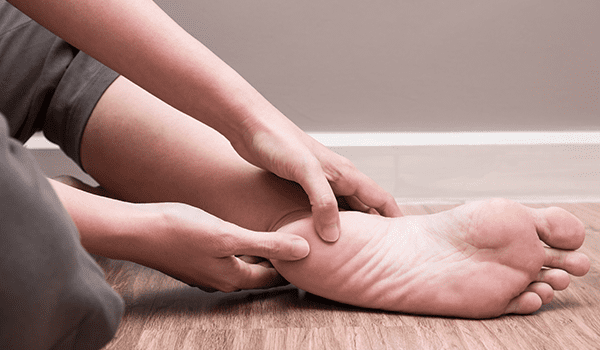

The heel bone, called the calcaneus, is the largest bone in your foot. It bears the full force of your body weight with every step, every landing, and every push-off. That constant mechanical load means the heel is one of the most stress-prone structures in the entire body.
Heel pain is almost always a signal that something in that system has been overloaded, irritated, or damaged. The location and character of the pain, whether it is on the bottom, the back, the sides, or deep inside the heel, provides the first important clue about its cause.
The Most Common Causes of Heel Pain
There is no single answer to why does the heel of my foot hurt because multiple different conditions can produce very similar sensations. Understanding each condition helps you identify what is happening in your own foot and choose the right treatment approach.
| Condition | Location of Pain | Key Symptom |
|---|---|---|
| Plantar Fasciitis | Bottom of heel | Stabbing pain with first morning steps |
| Achilles Tendinitis | Back of heel | Aching stiffness after rest and exercise |
| Heel Spur | Bottom or back of heel | Sharp pain after periods of rest |
| Retrocalcaneal Bursitis | Back of heel | Swelling and tenderness above the heel bone |
| Tarsal Tunnel Syndrome | Inside of heel | Burning, tingling, or numbness |
| Stress Fracture | Deep inside heel | Pain worsening with activity, not rest |
| Fat Pad Syndrome | Center of heel | Deep bruise-like pain underfoot |
| Haglund’s Deformity | Back of heel | Visible bony bump with redness and swelling |
| Sever’s Disease | Back of heel (children) | Pain during or after physical activity |
Plantar Fasciitis: The Number One Cause
Plantar fasciitis is the most common cause of heel pain and the first condition most doctors consider. It involves inflammation of the plantar fascia, a thick band of connective tissue that runs along the sole of the foot from the heel bone to the base of the toes.
When this band becomes overstretched or develops small micro-tears from repetitive stress, it becomes inflamed and painful. If you have ever asked why does the heel of my foot hurt first thing in the morning, plantar fasciitis is the most likely answer.
How to Recognize Plantar Fasciitis
The hallmark symptom of plantar fasciitis is a sharp, stabbing pain in the bottom of the heel that strikes with the very first steps after waking up or after sitting for a long period. This happens because the plantar fascia tightens and shortens during rest. When you suddenly load it again with your body weight, it is forced to stretch rapidly.
Interestingly, the pain often decreases after you have walked around for ten to twenty minutes as the tissue warms and loosens. But it can return after prolonged standing, activity, or another long period of sitting. This pattern of pain after rest followed by temporary improvement with movement is strongly characteristic of plantar fasciitis.
Who Gets Plantar Fasciitis?
Plantar fasciitis most commonly affects adults between the ages of 40 and 60, though it can occur at any age. Certain factors significantly increase your risk of developing this condition.
People who are overweight place extra stress on the plantar fascia with every step. Runners and athletes who increase their training intensity too quickly also commonly develop it. Standing on hard surfaces for long hours, such as teachers, nurses, factory workers, and retail employees, puts repetitive strain on the same tissue day after day.
Achilles Tendinitis: Pain at the Back of the Heel
Achilles tendinitis is the second most common source of heel pain. It involves inflammation of the Achilles tendon, the thick cord of tissue that connects your calf muscles to the back of your heel bone. When this tendon is overloaded, it becomes stiff, swollen, and painful.
The pain from Achilles tendinitis is typically located at the back of the heel rather than the bottom. It often feels stiff and achy first thing in the morning, then improves slightly with light movement, then worsens again with intense activity. Runners who increase their mileage too quickly are among the most common sufferers.
Heel Spurs: What They Are and Why They Hurt
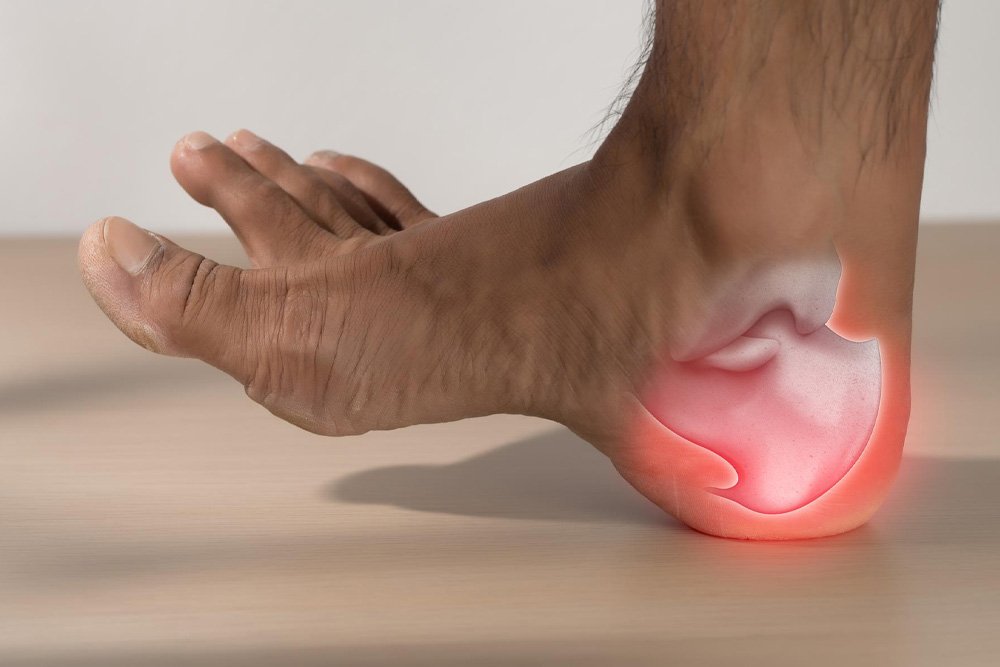

A heel spur is a bony outgrowth that forms on the heel bone, usually at the point where the plantar fascia attaches. It develops gradually over months or years as the body deposits calcium in response to chronic tension and micro-tears at that attachment point.
About one in ten people has a heel spur, but most never feel it. When a heel spur does cause pain, it feels very similar to plantar fasciitis, with sharpness in the morning and after rest. In many cases, plantar fasciitis and heel spurs occur together, and the fascia inflammation is what actually produces the pain rather than the spur itself.
Retrocalcaneal Bursitis: When the Fluid Sac Swells
Between the Achilles tendon and the back of the heel bone sits a small fluid-filled sac called the retrocalcaneal bursa. Its job is to cushion and reduce friction between the tendon and the bone. When it becomes irritated, usually from repetitive motion or pressure from tight footwear, it swells and becomes painful.
Retrocalcaneal bursitis causes pain, tenderness, and sometimes visible swelling at the very back of the heel, just above where the Achilles tendon meets the heel bone. It is often aggravated by shoes with a rigid or high heel counter, which press directly on the inflamed area.
Haglund’s Deformity: The Pump Bump
Haglund’s deformity is a bony enlargement of the back of the heel bone. It earns its nickname “pump bump” because it is often triggered or worsened by shoes with a rigid back, such as classic women’s pumps or tight dress shoes, that constantly rub against the heel.
The visible bump causes redness, swelling, and bursitis as the surrounding soft tissues become repeatedly irritated. People with high arches and tight Achilles tendons are at greater risk. Switching footwear and using heel pads often provides significant relief in mild cases.
Tarsal Tunnel Syndrome: When Nerves Are the Problem
Not all heel pain comes from tendons or bones. Tarsal tunnel syndrome occurs when the tibial nerve, which travels through a narrow channel called the tarsal tunnel on the inside of the ankle, becomes compressed or irritated.
The resulting pain feels distinctly different from plantar fasciitis. Instead of a sharp stab, tarsal tunnel syndrome produces burning, tingling, numbness, or an electric shock sensation that radiates from the inside of the heel into the arch and toes. It is sometimes compared to carpal tunnel syndrome of the wrist but occurring in the ankle and foot.
Stress Fractures: When Bone Is the Source
A calcaneal stress fracture is a tiny crack in the heel bone caused by repetitive impact rather than a single traumatic event. It is common in runners who dramatically increase their mileage, military recruits doing heavy marching, and people with osteoporosis or low bone density.
The pain from a stress fracture tends to worsen progressively with continued weight-bearing activity and does not improve with rest the way plantar fasciitis does. It is typically felt as a deep, aching pain inside the heel. If you suspect a stress fracture, stop high-impact activity immediately and see a podiatrist or orthopedic specialist.
Fat Pad Syndrome: When Your Natural Cushioning Wears Out
The heel pad is a natural shock-absorbing structure made up of fat cells enclosed in a tight fibrous lattice. With age, weight fluctuation, and repetitive impact, this padding can thin, shift, or degenerate, leaving the heel bone less protected from ground impact forces.
Fat pad syndrome produces a deep, bruise-like ache in the center of the heel with each step. It is more common in older adults and in people who frequently walk or run on hard surfaces barefoot or in thin-soled shoes. Unlike plantar fasciitis, the pain tends to be consistent throughout activity rather than worst at the first steps.
Sever’s Disease: A Common Cause in Children
If you are asking why does the heel of my foot hurt on behalf of a child or teenager, Sever’s disease is a highly likely answer. Also known as calcaneal apophysitis, this condition occurs when the growth plate at the back of the heel becomes inflamed during periods of rapid growth.
It is most common in active children between the ages of 8 and 14 who play running or jumping sports. The pain is felt at the back and bottom of the heel and typically worsens during and after physical activity. Sever’s disease is not dangerous and resolves on its own as the growth plate matures, but proper management prevents unnecessary pain in the meantime.
Risk Factors That Make Heel Pain More Likely
Certain physical and lifestyle factors make the heel more vulnerable to injury and pain. Understanding your personal risk factors helps you take proactive steps before pain becomes chronic.
| Risk Factor | Why It Increases Heel Pain Risk |
|---|---|
| Overweight or obesity | Increases ground reaction force on every step |
| Flat feet or overpronation | Overstretches the plantar fascia across its length |
| High arches | Makes foot rigid, concentrating impact on heel and ball |
| Tight calf muscles | Pulls on the Achilles tendon and plantar fascia |
| Worn-out or unsupportive shoes | Fails to absorb impact and support arch |
| Sudden increase in activity | Overloads tissues before they adapt |
| Standing on hard surfaces all day | Repetitive micro-trauma without recovery |
| Age 40 to 60 | Tissues lose elasticity and healing slows |
How Pain Location Points to the Cause
The exact location of your heel pain is one of the most useful diagnostic clues for identifying the underlying condition. Paying close attention to where it hurts, when it hurts, and what makes it better or worse helps you and your doctor narrow down the cause quickly.
Pain on the bottom of the heel, especially near the inner edge, strongly suggests plantar fasciitis. Pain directly at the back of the heel where the Achilles tendon meets the bone points toward tendinitis or bursitis. Pain on the inside of the heel or ankle with numbness and tingling suggests nerve involvement such as tarsal tunnel syndrome. Deep, aching pain that worsens with prolonged activity and does not resolve with rest may indicate a stress fracture.
Morning Heel Pain: Why It Happens
Morning heel pain is one of the most consistent complaints among people with plantar fasciitis. It happens because the plantar fascia contracts and tightens overnight while the foot is at rest in a relaxed position. The calf muscles and Achilles tendon also shorten during sleep.
When you take your first steps, the suddenly loaded fascia is forced to stretch from its shortened overnight state, causing those initial sharp, painful steps. As you walk and the tissue gradually warms and elongates, the pain typically subsides. This pattern is so characteristic of plantar fasciitis that doctors consider it a primary diagnostic indicator.
Heel Pain Relief: What You Can Start Today
The good news is that most cases of heel pain respond well to conservative treatment at home, particularly when addressed early. The following strategies address the root causes of the most common heel conditions and are endorsed by podiatrists and orthopedic specialists.
Rest and Activity Modification
The first step is to reduce the activity that is causing or aggravating the pain. This does not mean complete bed rest, but it does mean cutting back on high-impact activities like running, jumping, and prolonged standing on hard surfaces.
Switching to low-impact alternatives like swimming or cycling keeps you active while giving the inflamed tissue time to recover. Trying to push through heel pain usually makes it worse and prolongs recovery significantly.
Ice Therapy for Inflammation
Applying ice to the heel for 15 to 20 minutes several times a day is one of the most effective and immediate ways to reduce inflammation and numb sharp pain. Wrap the ice pack in a cloth to avoid direct contact with skin.
A highly effective technique for plantar fasciitis specifically is rolling a frozen water bottle under the arch and heel for 10 to 15 minutes. This combines cold therapy with light massage, addressing both inflammation and tissue tension simultaneously.
Stretching: The Most Important Long-Term Fix
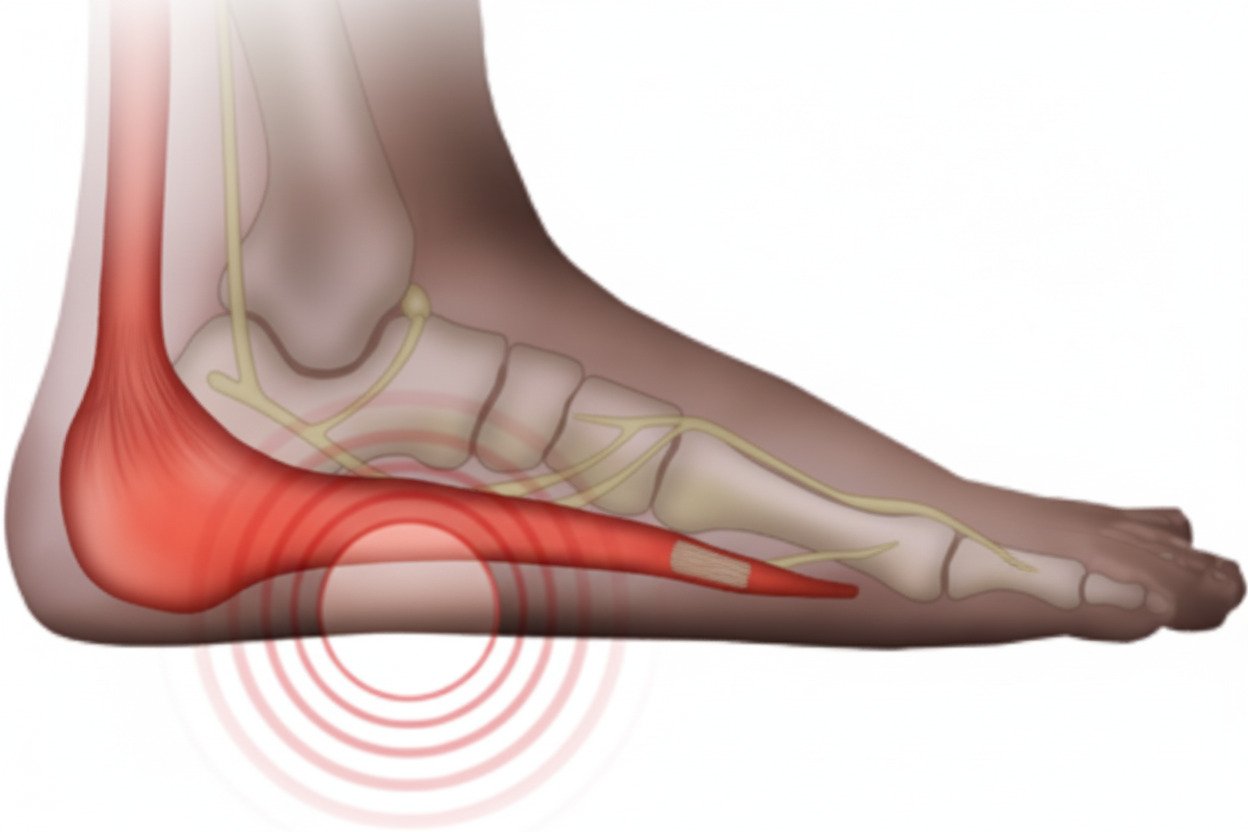

Stretching is widely considered the most effective long-term treatment for plantar fasciitis and Achilles tendinitis. Tight calf muscles and a shortened plantar fascia are among the primary drivers of heel pain. Stretching both structures consistently reduces the tension that causes micro-tears and inflammation.
The most effective stretches for heel pain are the plantar fascia stretch, the calf stretch, and the towel stretch. Performing these stretches before your first step in the morning and multiple times throughout the day produces the best results. Many patients report significant improvement within two to four weeks of consistent daily stretching.
Key Stretches for Heel Pain Relief
Performing these three stretches daily provides measurable relief for most cases of plantar fasciitis and Achilles tendinitis.
The plantar fascia stretch is done sitting in a chair. Cross the painful foot over the opposite knee, grasp your toes, and gently pull them back toward your shin until you feel a stretch along the sole of your foot. Hold for 20 to 30 seconds and repeat three times.
The standing calf stretch requires you to face a wall with hands flat against it. Step one foot back and keep that heel flat on the floor with the leg straight. Lean forward into the wall until you feel a stretch in the back of your lower leg. Hold for 30 seconds and repeat three times on each side.
Strengthening Exercises That Support the Heel
Stretching addresses flexibility but strengthening exercises address the muscular support that reduces stress on the heel. Weak calf and foot muscles force the plantar fascia and Achilles tendon to absorb more load than they are designed to handle.
Heel raises performed on the edge of a step are among the most evidence-backed exercises for heel pain. Standing with the balls of your feet on the step edge, slowly lower your heels below step level, then rise onto your toes. Doing this slowly and controlled in three sets of 15 repetitions builds calf-Achilles strength that directly reduces heel strain.
Footwear: Why the Right Shoes Change Everything
Wearing shoes with inadequate arch support, worn-out cushioning, or a poor fit is one of the leading contributors to heel pain and one of the easiest problems to fix. Every step in the wrong shoe increases the load on already irritated tissues.
Look for shoes with firm arch support, good heel cushioning, and a slightly raised heel to reduce tension on the Achilles tendon and plantar fascia. Avoid walking barefoot on hard floors, especially first thing in the morning. Flip-flops, flat-soled canvas shoes, and high heels all significantly worsen most heel conditions.
Orthotics: Over-the-Counter and Custom Options
Orthotic insoles are shoe inserts designed to support the arch, cushion the heel, and correct biomechanical problems like overpronation that contribute to heel pain. Both over-the-counter and custom-made orthotics can significantly reduce symptoms.
Over-the-counter options from pharmacies and sporting goods stores work well for many people, particularly those with plantar fasciitis related to flat feet or mild overpronation. Custom orthotics made by a podiatrist are molded to the exact shape of your foot and are the most effective option for complex biomechanical issues. They typically last one to five years with proper care.
Night Splints for Morning Heel Pain
Night splints are devices worn while sleeping that hold the foot in a flexed position, preventing the plantar fascia and Achilles tendon from shortening overnight. By maintaining a gentle stretch throughout the night, they dramatically reduce the severity of morning heel pain.
Night splints are particularly effective for people with chronic plantar fasciitis who experience severe pain with their first steps every morning. They are available over the counter and are one of the most recommended adjunct treatments for this condition.
Anti-Inflammatory Medications
Over-the-counter nonsteroidal anti-inflammatory drugs (NSAIDs) such as ibuprofen or naproxen reduce both pain and inflammation when taken as directed. They are a useful short-term supplement to stretching and rest, particularly in the acute phase when pain is most severe.
NSAIDs should always be taken with food to protect the stomach lining and should not be used long-term without medical guidance. People who take blood thinners or have kidney conditions should consult a doctor before using them.
Massage and Manual Therapy
Regular massage of the heel and arch improves blood circulation to the damaged tissue, breaks up scar adhesions, and reduces muscle tension that contributes to heel pain. You can perform self-massage using your fingers or a massage ball applied to the bottom of the foot.
Rolling the foot over a tennis ball or a dedicated massage ball while seated is an easy and effective way to add massage to your daily routine. Physical therapy using professional massage and ultrasound can break up deeper scar tissue that home massage cannot reach.
When to See a Doctor for Heel Pain
Most heel pain responds to conservative home treatment within four to eight weeks. However, certain signs indicate that professional evaluation is needed sooner rather than later.
See a podiatrist or orthopedic specialist if your pain is severe and began after a traumatic injury like a fall, if you cannot bear weight on the foot, if the heel is significantly swollen or red and warm to the touch suggesting possible infection, if pain is accompanied by numbness or tingling, or if home treatment has not produced improvement after six to eight weeks.
Medical Treatments for Persistent Heel Pain
When conservative treatment is not enough, doctors have several effective options. Corticosteroid injections reduce inflammation directly at the site of the problem and can provide significant relief for plantar fasciitis and bursitis when other treatments have failed.
Shockwave therapy, specifically extracorporeal pulse activation technology (EPAT), uses acoustic pressure waves to break up scar tissue, reduce inflammation, and stimulate healing in chronic cases that have not responded to other treatments. Physical therapy, walking boots, and casting are additional options for more severe or persistent cases.
Surgery: When Is It Necessary?
Surgery for heel pain is rare and is considered only when all conservative treatments have been tried for at least twelve months without adequate relief. For plantar fasciitis, the most common surgical procedure is a plantar fascia release, which involves partially cutting the plantar fascia to relieve tension.
Surgical outcomes are generally good, but recovery takes months and there are risks including nerve damage and arch collapse. The vast majority of patients achieve full relief through non-surgical approaches before surgery is ever considered.
How to Prevent Heel Pain From Coming Back
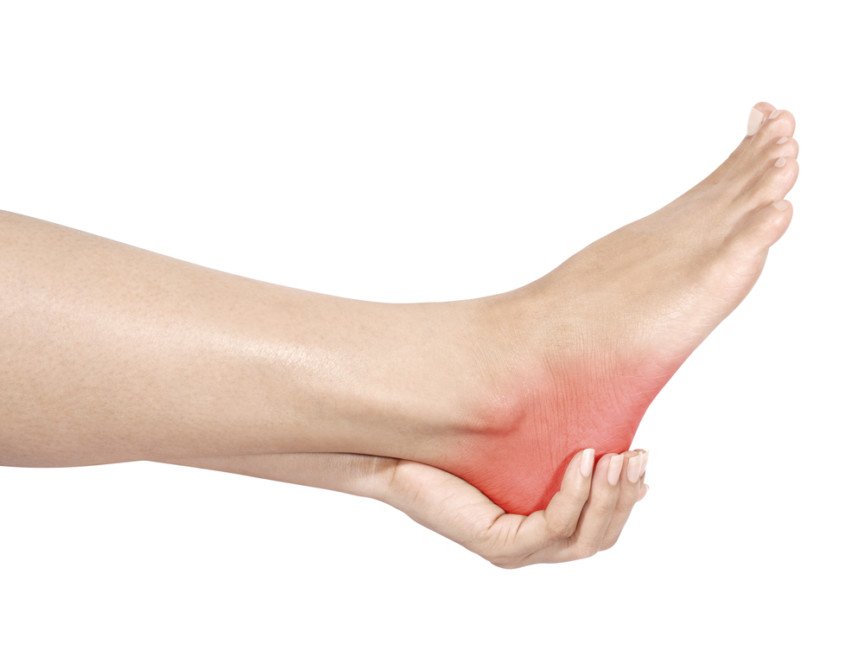

Once you have recovered from heel pain, taking specific preventive steps significantly reduces the chance of recurrence. Stretching the calves and plantar fascia daily, even after pain resolves, maintains the tissue flexibility that prevents micro-tears from redeveloping.
Wearing supportive footwear consistently, even at home, is one of the most important habits for long-term heel health. Replacing athletic shoes every 300 to 500 miles prevents worn-out cushioning from contributing to impact stress. Maintaining a healthy body weight reduces the mechanical load on the plantar fascia with every single step you take throughout the day.
Frequently Asked Questions (FAQs)
Why does the heel of my foot hurt most in the morning?
Morning heel pain is the signature symptom of plantar fasciitis. The plantar fascia tightens overnight and is suddenly stretched when you take your first steps, causing sharp pain that usually eases after a few minutes of walking.
What is the fastest way to relieve heel pain?
Ice the heel for 15 to 20 minutes immediately after activity and stretch the plantar fascia and calf muscles several times daily. These two steps together provide the fastest short-term relief for most cases.
Can walking too much cause heel pain?
Yes. Prolonged walking or standing on hard surfaces without adequate footwear puts repetitive micro-stress on the plantar fascia and heel bone, which can trigger plantar fasciitis, heel spurs, and fat pad syndrome over time.
What is the difference between a heel spur and plantar fasciitis?
Plantar fasciitis is inflammation of the connective tissue band along the sole of the foot. A heel spur is a bony growth at the heel bone attachment point. They often occur together, but plantar fasciitis is usually what actually causes the pain, not the spur itself.
Should I see a podiatrist or an orthopedic doctor for heel pain?
Both are qualified to treat heel pain. Podiatrists specialize exclusively in foot and ankle conditions and are often the first choice. Orthopedic specialists may be preferred if the pain involves a fracture or a surgical consideration.
Can flat feet cause heel pain?
Yes. Flat feet cause the arch to collapse with each step, which overstretches the plantar fascia across its entire length. This chronic overstretching leads to inflammation and pain at the heel attachment point.
Is it okay to exercise with heel pain?
Low-impact exercise like swimming and cycling is generally fine. High-impact activities like running and jumping should be avoided until pain resolves. Always consult a podiatrist if you are unsure which activities are safe for your specific condition.
How long does heel pain take to heal?
Most cases of plantar fasciitis resolve within six to twelve months with consistent treatment. Mild cases can improve within a few weeks. Chronic or severe cases may take longer and may require professional intervention such as orthotics or injections.
What type of shoes are best for heel pain?
Shoes with firm arch support, cushioned heel, and a slight heel elevation are best. Avoid flat-soled shoes, flip-flops, and walking barefoot on hard surfaces, as these all increase plantar fascia stress and slow recovery.
Can heel pain be a sign of something serious?
In rare cases, heel pain can signal a stress fracture, nerve compression, arthritis, or even a bone tumor. Pain that does not improve with rest, comes on after trauma, or is accompanied by swelling, numbness, or systemic symptoms should be evaluated by a doctor promptly.
Conclusion
Why does the heel of my foot hurt is a question with many possible answers, but nearly all of them point to conditions that are both well understood and highly treatable.
Plantar fasciitis alone accounts for the majority of adult heel pain cases, and it responds remarkably well to early conservative care including rest, ice, daily stretching, supportive footwear, and orthotics.
Whether your pain is in the bottom, back, or sides of the heel, identifying the specific cause is the critical first step toward recovery.
Most people achieve full relief without ever needing surgery, particularly when they address symptoms early rather than pushing through the pain.
In 2026, there is no reason to accept heel pain as a permanent part of your life.
The right combination of home care, footwear choices, and professional guidance when needed can have you walking comfortably again sooner than you think.